Dr. Ramiro Iglesias Leal Planetarium
About Dr. Ramiro Iglesias Leal Planetarium
Description
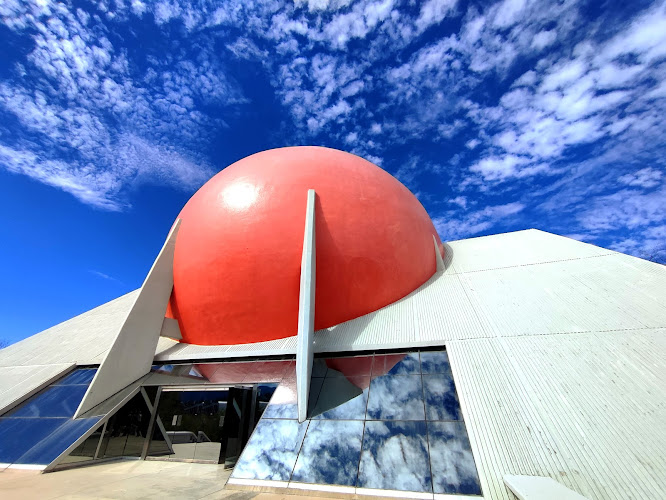
The Dr. Ramiro Iglesias Leal Planetarium in Ciudad Victoria is one of those places that quietly surprises you. It’s not just a dome with stars projected on the ceiling—it’s a living, breathing hub of science, curiosity, and imagination. Opened back in 1992, this planetarium has grown into a cornerstone of scientific learning in Tamaulipas. And honestly, it’s the kind of spot that makes you feel like a kid again, craning your neck to look at the stars and wondering how the universe fits together.
What sets this planetarium apart is its focus on education and experience. It’s not a sterile, look-but-don’t-touch museum. Instead, it invites you to explore, to question, and to be amazed. Families, school groups, and even solo travelers often find themselves staying longer than planned, drawn in by the immersive dome shows and interactive exhibits. The staff—many of whom are passionate educators—make every visit feel personal. You can tell they genuinely love what they do, and that energy is contagious.
Inside, the main dome theater is the heart of the experience. The shows are visually stunning, blending astronomy, physics, and storytelling in a way that keeps both kids and adults hooked. And the technology? Surprisingly advanced for a regional planetarium. The projection system creates a seamless, 360-degree view of the cosmos that feels almost real. I remember sitting there during one of the shows, completely forgetting I was indoors—it’s that convincing.
Beyond the dome, you’ll find a mix of exhibits that bridge science and everyday life. There are sections on space exploration, environmental science, and even human biology. It’s not overwhelming, though; the layout encourages slow strolling, the kind where you actually read the placards and get lost in thought. Plus, the building itself is accessible, with ramps, wide hallways, and restrooms designed to accommodate everyone comfortably. It’s clear that inclusivity was part of the plan from the start.
While most visitors rave about the planetarium’s shows, some mention that the facilities could use a bit of updating. That’s fair. It’s been around for decades, and like many public science centers, funding ebbs and flows. But even with a few signs of age, the charm and educational value remain undeniable. It’s one of those places where you walk out feeling a little smarter and a lot more inspired.
Key Features
- Immersive Dome Theater: A full-dome projection system that brings the universe to life with breathtaking clarity and sound.
- Educational Exhibits: Interactive displays covering astronomy, physics, and environmental science.
- Live Performances: Occasional science presentations and live astronomy sessions led by local experts.
- Family-Friendly Environment: Designed for kids and adults alike, with engaging, hands-on learning opportunities.
- Accessibility: Wheelchair-accessible entrances, restrooms, and parking areas ensure everyone can enjoy the experience comfortably.
- Restroom Facilities: Clean and well-maintained restrooms available for visitors.
- Community Programs: Seasonal events, workshops, and school collaborations that promote STEM education.
Best Time to Visit
If you’re planning a trip, aim for the cooler months—roughly from November through February. The weather in Ciudad Victoria can get pretty warm during the summer, and while the planetarium itself is air-conditioned, you’ll appreciate milder temperatures for exploring the surrounding area. Weekdays tend to be quieter, perfect for those who like to take their time and avoid crowds. On weekends, it’s livelier, with more families and group visits, which adds a nice buzz of energy if you enjoy that kind of atmosphere.
Special events and astronomy nights are also worth timing your visit around. These often align with celestial events like eclipses, meteor showers, or planetary alignments. There’s something magical about watching the stars after learning about them inside the dome—it ties the whole experience together. I once attended during a lunar eclipse event, and the excitement was palpable. People of all ages gathered outside, telescopes set up, kids pointing at the sky—it felt like a community united by wonder.
How to Get There
Getting to the planetarium is fairly straightforward if you’re already in Ciudad Victoria. It’s located in a well-known cultural area, close to other attractions and public facilities. If you’re driving, there’s accessible parking available, and local taxi services know the spot well. For travelers relying on public transport, several bus routes pass nearby, making it convenient without needing a car. Honestly, though, I’d recommend taking a taxi or rideshare if you’re not familiar with the city—it’s inexpensive and saves you the hassle of navigating unfamiliar streets.
For those coming from outside Tamaulipas, Ciudad Victoria has a small airport with flights from major Mexican cities. From there, it’s just a short ride to the planetarium. It’s also a nice stop if you’re traveling through northeastern Mexico, especially if you’re interested in science or cultural tourism. The planetarium pairs nicely with other nearby attractions, so you can easily make a day of it.
Tips for Visiting
First things first—check the show schedule before you go. The dome presentations are the main draw, and they sometimes rotate themes depending on the season or current astronomical events. If you’re traveling with kids, aim for the daytime shows, which are usually more interactive and family-oriented. For adults or astronomy buffs, the evening sessions tend to go deeper into scientific topics, often featuring real-time telescope feeds or expert commentary.
Bring a light jacket or sweater. The dome theater can get a little chilly, especially if you’re sitting still for a while. And if you’re planning to hang around after the show, maybe for a stroll or a quick snack nearby, comfortable shoes are a must. The grounds are pleasant for walking, and there’s usually something interesting happening in the surrounding cultural complex.
Photography is allowed in some areas, but not during the dome shows (the light from phones can ruin the experience for others). So save your snaps for before or after. And if you’re a science geek like me, consider chatting with the staff—they’re incredibly knowledgeable and often share behind-the-scenes stories about how the shows are made or what new projects are coming up. I once got to peek into the control room thanks to a friendly guide who noticed my curiosity. It was like stepping into a spaceship’s cockpit. Totally worth asking!
One last thing: while there isn’t an on-site restaurant, there are several local eateries nearby. Grab a bite before or after your visit—Tamaulipas has some of the best regional food in Mexico, and you’ll find great tacos and tamales within walking distance. It’s a nice way to round out your day of exploration.
In the end, the Dr. Ramiro Iglesias Leal Planetarium isn’t just a stop on a travel itinerary—it’s an experience that reconnects you with that childlike sense of wonder. Whether you’re gazing up at simulated galaxies or chatting with a passionate astronomer, you’ll leave with a deeper appreciation for the vastness of space and the beauty of learning. It’s a reminder that curiosity never really fades—it just needs the right spark to shine again.
Key Features
- Key Features
- Best Time to Visit
- How to Get There
- Tips for Visiting
More Details
Updated November 10, 2025
Table of Contents
- Description
- Key Features
- Best Time to Visit
- How to Get There
- Tips for Visiting
- Key Highlights
- Location
- Places to Stay Near Dr. Ramiro Iglesias Leal Planetarium
- Find and Book a Tour
- Explore More Travel Guides
- Nearby Places You Might Like
- Traveler Reviews for Dr. Ramiro Iglesias Leal Planetarium
- Share Your Experience
Description
The Dr. Ramiro Iglesias Leal Planetarium in Ciudad Victoria is one of those places that quietly surprises you. It’s not just a dome with stars projected on the ceiling—it’s a living, breathing hub of science, curiosity, and imagination. Opened back in 1992, this planetarium has grown into a cornerstone of scientific learning in Tamaulipas. And honestly, it’s the kind of spot that makes you feel like a kid again, craning your neck to look at the stars and wondering how the universe fits together.
What sets this planetarium apart is its focus on education and experience. It’s not a sterile, look-but-don’t-touch museum. Instead, it invites you to explore, to question, and to be amazed. Families, school groups, and even solo travelers often find themselves staying longer than planned, drawn in by the immersive dome shows and interactive exhibits. The staff—many of whom are passionate educators—make every visit feel personal. You can tell they genuinely love what they do, and that energy is contagious.
Inside, the main dome theater is the heart of the experience. The shows are visually stunning, blending astronomy, physics, and storytelling in a way that keeps both kids and adults hooked. And the technology? Surprisingly advanced for a regional planetarium. The projection system creates a seamless, 360-degree view of the cosmos that feels almost real. I remember sitting there during one of the shows, completely forgetting I was indoors—it’s that convincing.
Beyond the dome, you’ll find a mix of exhibits that bridge science and everyday life. There are sections on space exploration, environmental science, and even human biology. It’s not overwhelming, though; the layout encourages slow strolling, the kind where you actually read the placards and get lost in thought. Plus, the building itself is accessible, with ramps, wide hallways, and restrooms designed to accommodate everyone comfortably. It’s clear that inclusivity was part of the plan from the start.
While most visitors rave about the planetarium’s shows, some mention that the facilities could use a bit of updating. That’s fair. It’s been around for decades, and like many public science centers, funding ebbs and flows. But even with a few signs of age, the charm and educational value remain undeniable. It’s one of those places where you walk out feeling a little smarter and a lot more inspired.
Key Features
- Immersive Dome Theater: A full-dome projection system that brings the universe to life with breathtaking clarity and sound.
- Educational Exhibits: Interactive displays covering astronomy, physics, and environmental science.
- Live Performances: Occasional science presentations and live astronomy sessions led by local experts.
- Family-Friendly Environment: Designed for kids and adults alike, with engaging, hands-on learning opportunities.
- Accessibility: Wheelchair-accessible entrances, restrooms, and parking areas ensure everyone can enjoy the experience comfortably.
- Restroom Facilities: Clean and well-maintained restrooms available for visitors.
- Community Programs: Seasonal events, workshops, and school collaborations that promote STEM education.
Best Time to Visit
If you’re planning a trip, aim for the cooler months—roughly from November through February. The weather in Ciudad Victoria can get pretty warm during the summer, and while the planetarium itself is air-conditioned, you’ll appreciate milder temperatures for exploring the surrounding area. Weekdays tend to be quieter, perfect for those who like to take their time and avoid crowds. On weekends, it’s livelier, with more families and group visits, which adds a nice buzz of energy if you enjoy that kind of atmosphere.
Special events and astronomy nights are also worth timing your visit around. These often align with celestial events like eclipses, meteor showers, or planetary alignments. There’s something magical about watching the stars after learning about them inside the dome—it ties the whole experience together. I once attended during a lunar eclipse event, and the excitement was palpable. People of all ages gathered outside, telescopes set up, kids pointing at the sky—it felt like a community united by wonder.
How to Get There
Getting to the planetarium is fairly straightforward if you’re already in Ciudad Victoria. It’s located in a well-known cultural area, close to other attractions and public facilities. If you’re driving, there’s accessible parking available, and local taxi services know the spot well. For travelers relying on public transport, several bus routes pass nearby, making it convenient without needing a car. Honestly, though, I’d recommend taking a taxi or rideshare if you’re not familiar with the city—it’s inexpensive and saves you the hassle of navigating unfamiliar streets.
For those coming from outside Tamaulipas, Ciudad Victoria has a small airport with flights from major Mexican cities. From there, it’s just a short ride to the planetarium. It’s also a nice stop if you’re traveling through northeastern Mexico, especially if you’re interested in science or cultural tourism. The planetarium pairs nicely with other nearby attractions, so you can easily make a day of it.
Tips for Visiting
First things first—check the show schedule before you go. The dome presentations are the main draw, and they sometimes rotate themes depending on the season or current astronomical events. If you’re traveling with kids, aim for the daytime shows, which are usually more interactive and family-oriented. For adults or astronomy buffs, the evening sessions tend to go deeper into scientific topics, often featuring real-time telescope feeds or expert commentary.
Bring a light jacket or sweater. The dome theater can get a little chilly, especially if you’re sitting still for a while. And if you’re planning to hang around after the show, maybe for a stroll or a quick snack nearby, comfortable shoes are a must. The grounds are pleasant for walking, and there’s usually something interesting happening in the surrounding cultural complex.
Photography is allowed in some areas, but not during the dome shows (the light from phones can ruin the experience for others). So save your snaps for before or after. And if you’re a science geek like me, consider chatting with the staff—they’re incredibly knowledgeable and often share behind-the-scenes stories about how the shows are made or what new projects are coming up. I once got to peek into the control room thanks to a friendly guide who noticed my curiosity. It was like stepping into a spaceship’s cockpit. Totally worth asking!
One last thing: while there isn’t an on-site restaurant, there are several local eateries nearby. Grab a bite before or after your visit—Tamaulipas has some of the best regional food in Mexico, and you’ll find great tacos and tamales within walking distance. It’s a nice way to round out your day of exploration.
In the end, the Dr. Ramiro Iglesias Leal Planetarium isn’t just a stop on a travel itinerary—it’s an experience that reconnects you with that childlike sense of wonder. Whether you’re gazing up at simulated galaxies or chatting with a passionate astronomer, you’ll leave with a deeper appreciation for the vastness of space and the beauty of learning. It’s a reminder that curiosity never really fades—it just needs the right spark to shine again.

Key Highlights
- Key Features
- Best Time to Visit
- How to Get There
- Tips for Visiting
Location
Places to Stay Near Dr. Ramiro Iglesias Leal Planetarium
Find and Book a Tour
Explore More Travel Guides
No reviews found! Be the first to review!
Traveler Reviews for Dr. Ramiro Iglesias Leal Planetarium
There are no reviews yet. Be the first one to write one.
Have you visited Dr. Ramiro Iglesias Leal Planetarium? Help other travelers by sharing your review.
Find Accommodations Nearby
Recommended Tours & Activities
Visitor Reviews
There are no reviews yet. Be the first one to write one.
Share Your Experience
Have you visited Dr. Ramiro Iglesias Leal Planetarium? Help other travelers by leaving a review.