About Pinacoteca De Tamaulipas

Description

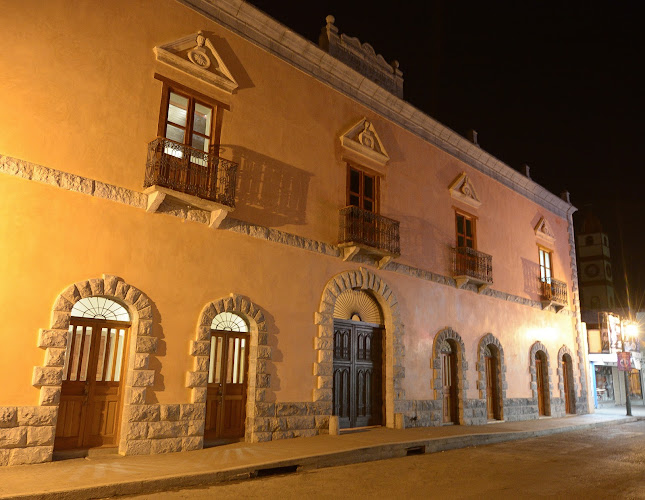
The Pinacoteca de Tamaulipas in Ciudad Victoria is one of those places that quietly surprises you. It’s not the kind of museum that shouts for attention — instead, it draws you in with its calm, almost meditative atmosphere. Housed inside the historic Casa Filizola, a beautifully restored neoclassical building, the museum feels like stepping into a chapter of Mexico’s artistic story. The walls seem to whisper tales from decades past, each painting and photograph carrying a piece of the region’s creative soul.

When you walk through its doors, you’ll notice the building’s old-world charm right away — tall ceilings, arched windows, and the faint scent of wood and history. It’s a museum that respects its roots. The collection focuses mainly on Mexican art, with a special emphasis on artists from Tamaulipas. You’ll find an intriguing mix of paintings, engravings, and photographs that range from traditional to contemporary. It’s not overwhelming like some big-city museums; instead, it feels personal, like the art is having a quiet conversation with you.

I remember my first visit — it was a warm afternoon, and the soft light filtering through the windows made everything feel almost cinematic. I ended up spending far longer than I planned, lost in a series of black-and-white photographs capturing everyday life in northern Mexico. There’s something grounding about seeing your culture reflected in such honest, unpolished ways. That’s what this place does best — it connects you to the heart of Tamaulipas through art.

The staff here are friendly and genuinely care about sharing the stories behind the exhibits. You might even stumble upon a small workshop or a temporary exhibit featuring local artists. And yes, there’s a small café tucked inside — perfect for a quiet coffee after exploring. It’s the kind of spot where you could easily spend an hour reflecting, sketching, or simply people-watching.

Key Features

  • Housed in the historic Casa Filizola, a restored neoclassical building that’s an attraction in itself.
  • Features a diverse collection of Mexican art — from paintings and engravings to photography and mixed media.
  • Includes a multipurpose room, research area, and audiovisual hall for cultural events and workshops.
  • Offers accessibility features such as wheelchair-accessible entrances and restrooms.
  • Has amenities like a café, bookstore, and rest areas for visitors who want to linger a bit longer.
  • Free entry for the public, making it an inclusive space for art appreciation.
  • Hosts rotating exhibitions highlighting emerging and established artists from the region.
  • Family-friendly environment — a great place to introduce kids to art and history.

Best Time to Visit

If you’re planning a visit, weekdays are the sweet spot — especially in the late morning or early afternoon. The museum tends to be quieter then, giving you the chance to take your time with each exhibit. The lighting is gorgeous around midday, especially in the main gallery where sunlight dances across the polished floors.

Ciudad Victoria can get pretty warm, so if you’re not a fan of the heat, try to visit during the cooler months between November and February. The air feels crisp, and the city itself has a relaxed rhythm during that time. I once visited in December, and the museum had a small holiday exhibit — local artists reimagining traditional themes — and it was unexpectedly moving.

That said, there’s no bad time to go. Rainy days, in particular, have their own charm here. There’s something about the sound of rain tapping against the old windows while you wander through the galleries that feels almost poetic.

How to Get There

Reaching the Pinacoteca de Tamaulipas is quite straightforward. It’s located in the heart of Ciudad Victoria’s downtown area, surrounded by colonial-era architecture and a handful of cozy cafés. If you’re coming from another part of the city, taxis and local buses are easy options. The museum’s central location means you can easily combine your visit with a stroll through nearby plazas or a stop at a local restaurant afterward.

For those driving, parking is available nearby, though it can get a bit tight during weekends. Personally, I prefer walking — the streets around the museum have this laid-back vibe, with vendors selling snacks and the occasional street musician adding a soundtrack to your walk. It’s a reminder that art isn’t just inside the museum — it’s all around you.

Tips for Visiting

Here’s the thing about the Pinacoteca de Tamaulipas: it rewards curiosity. Don’t rush through it. Take your time, read the small plaques, and let yourself get pulled into the details. If you’re someone who enjoys photography, bring your camera — but be respectful of the no-flash policy. The lighting inside can be soft and moody, perfect for capturing the essence of the space.

If you’re traveling with kids, this is a surprisingly good spot for them. The museum often hosts workshops or interactive activities that make art approachable. And since it’s not too large, you won’t have to worry about little ones getting bored or overwhelmed.

A few practical tips: wear comfortable shoes, as you’ll likely wander around for a while. Bring a small notebook if you’re the type who likes jotting down thoughts — I always find that art sparks ideas when you least expect it. And if you’re sensitive to temperature, bring a light sweater; the air conditioning can be a bit chilly in some rooms.

For those who love local culture, check the museum’s schedule before visiting. They sometimes host talks, film screenings, or temporary exhibitions that aren’t widely advertised but are absolutely worth catching. I once attended a small lecture there about the evolution of Mexican portraiture, and it completely changed the way I looked at the paintings on display.

Also, don’t skip the café. I know it’s tempting to head out right after the exhibits, but the café has a surprisingly good selection of local pastries and coffee. It’s a great place to sit and digest what you’ve just seen. You might even strike up a conversation with other visitors — art lovers tend to be friendly folks.

One last thing: even though the museum is fairly modern and well-equipped, it retains that small-town warmth that’s hard to find in larger institutions. There’s no pretense here, no pressure to “understand” the art. You’re invited simply to experience it. And honestly, that’s what makes the Pinacoteca de Tamaulipas special. It’s not just a museum — it’s a quiet celebration of creativity, community, and the enduring beauty of Mexican artistry.

So, if you ever find yourself in Ciudad Victoria, carve out an hour or two for this place. It’s not flashy or touristy, but that’s exactly why you’ll remember it. Sometimes, the best travel memories come from the places that surprise you in the simplest ways — and this museum has a way of doing just that.

Key Features

  • Housed in the historic Casa Filizola, a restored neoclassical building that’s an attraction in itself.
  • Features a diverse collection of Mexican art — from paintings and engravings to photography and mixed media.
  • Includes a multipurpose room, research area, and audiovisual hall for cultural events and workshops.
  • Offers accessibility features such as wheelchair-accessible entrances and restrooms.
  • Has amenities like a café, bookstore, and rest areas for visitors who want to linger a bit longer.
  • Free entry for the public, making it an inclusive space for art appreciation.
  • Hosts rotating exhibitions highlighting emerging and established artists from the region.
  • Family-friendly environment — a great place to introduce kids to art and history.

More Details

Updated November 10, 2025


Description

The Pinacoteca de Tamaulipas in Ciudad Victoria is one of those places that quietly surprises you. It’s not the kind of museum that shouts for attention — instead, it draws you in with its calm, almost meditative atmosphere. Housed inside the historic Casa Filizola, a beautifully restored neoclassical building, the museum feels like stepping into a chapter of Mexico’s artistic story. The walls seem to whisper tales from decades past, each painting and photograph carrying a piece of the region’s creative soul.

When you walk through its doors, you’ll notice the building’s old-world charm right away — tall ceilings, arched windows, and the faint scent of wood and history. It’s a museum that respects its roots. The collection focuses mainly on Mexican art, with a special emphasis on artists from Tamaulipas. You’ll find an intriguing mix of paintings, engravings, and photographs that range from traditional to contemporary. It’s not overwhelming like some big-city museums; instead, it feels personal, like the art is having a quiet conversation with you.

I remember my first visit — it was a warm afternoon, and the soft light filtering through the windows made everything feel almost cinematic. I ended up spending far longer than I planned, lost in a series of black-and-white photographs capturing everyday life in northern Mexico. There’s something grounding about seeing your culture reflected in such honest, unpolished ways. That’s what this place does best — it connects you to the heart of Tamaulipas through art.

The staff here are friendly and genuinely care about sharing the stories behind the exhibits. You might even stumble upon a small workshop or a temporary exhibit featuring local artists. And yes, there’s a small café tucked inside — perfect for a quiet coffee after exploring. It’s the kind of spot where you could easily spend an hour reflecting, sketching, or simply people-watching.

Key Features

  • Housed in the historic Casa Filizola, a restored neoclassical building that’s an attraction in itself.
  • Features a diverse collection of Mexican art — from paintings and engravings to photography and mixed media.
  • Includes a multipurpose room, research area, and audiovisual hall for cultural events and workshops.
  • Offers accessibility features such as wheelchair-accessible entrances and restrooms.
  • Has amenities like a café, bookstore, and rest areas for visitors who want to linger a bit longer.
  • Free entry for the public, making it an inclusive space for art appreciation.
  • Hosts rotating exhibitions highlighting emerging and established artists from the region.
  • Family-friendly environment — a great place to introduce kids to art and history.

Best Time to Visit

If you’re planning a visit, weekdays are the sweet spot — especially in the late morning or early afternoon. The museum tends to be quieter then, giving you the chance to take your time with each exhibit. The lighting is gorgeous around midday, especially in the main gallery where sunlight dances across the polished floors.

Ciudad Victoria can get pretty warm, so if you’re not a fan of the heat, try to visit during the cooler months between November and February. The air feels crisp, and the city itself has a relaxed rhythm during that time. I once visited in December, and the museum had a small holiday exhibit — local artists reimagining traditional themes — and it was unexpectedly moving.

That said, there’s no bad time to go. Rainy days, in particular, have their own charm here. There’s something about the sound of rain tapping against the old windows while you wander through the galleries that feels almost poetic.

How to Get There

Reaching the Pinacoteca de Tamaulipas is quite straightforward. It’s located in the heart of Ciudad Victoria’s downtown area, surrounded by colonial-era architecture and a handful of cozy cafés. If you’re coming from another part of the city, taxis and local buses are easy options. The museum’s central location means you can easily combine your visit with a stroll through nearby plazas or a stop at a local restaurant afterward.

For those driving, parking is available nearby, though it can get a bit tight during weekends. Personally, I prefer walking — the streets around the museum have this laid-back vibe, with vendors selling snacks and the occasional street musician adding a soundtrack to your walk. It’s a reminder that art isn’t just inside the museum — it’s all around you.

Tips for Visiting

Here’s the thing about the Pinacoteca de Tamaulipas: it rewards curiosity. Don’t rush through it. Take your time, read the small plaques, and let yourself get pulled into the details. If you’re someone who enjoys photography, bring your camera — but be respectful of the no-flash policy. The lighting inside can be soft and moody, perfect for capturing the essence of the space.

If you’re traveling with kids, this is a surprisingly good spot for them. The museum often hosts workshops or interactive activities that make art approachable. And since it’s not too large, you won’t have to worry about little ones getting bored or overwhelmed.

A few practical tips: wear comfortable shoes, as you’ll likely wander around for a while. Bring a small notebook if you’re the type who likes jotting down thoughts — I always find that art sparks ideas when you least expect it. And if you’re sensitive to temperature, bring a light sweater; the air conditioning can be a bit chilly in some rooms.

For those who love local culture, check the museum’s schedule before visiting. They sometimes host talks, film screenings, or temporary exhibitions that aren’t widely advertised but are absolutely worth catching. I once attended a small lecture there about the evolution of Mexican portraiture, and it completely changed the way I looked at the paintings on display.

Also, don’t skip the café. I know it’s tempting to head out right after the exhibits, but the café has a surprisingly good selection of local pastries and coffee. It’s a great place to sit and digest what you’ve just seen. You might even strike up a conversation with other visitors — art lovers tend to be friendly folks.

One last thing: even though the museum is fairly modern and well-equipped, it retains that small-town warmth that’s hard to find in larger institutions. There’s no pretense here, no pressure to “understand” the art. You’re invited simply to experience it. And honestly, that’s what makes the Pinacoteca de Tamaulipas special. It’s not just a museum — it’s a quiet celebration of creativity, community, and the enduring beauty of Mexican artistry.

So, if you ever find yourself in Ciudad Victoria, carve out an hour or two for this place. It’s not flashy or touristy, but that’s exactly why you’ll remember it. Sometimes, the best travel memories come from the places that surprise you in the simplest ways — and this museum has a way of doing just that.

Key Highlights

  • Housed in the historic Casa Filizola, a restored neoclassical building that’s an attraction in itself.
  • Features a diverse collection of Mexican art — from paintings and engravings to photography and mixed media.
  • Includes a multipurpose room, research area, and audiovisual hall for cultural events and workshops.
  • Offers accessibility features such as wheelchair-accessible entrances and restrooms.
  • Has amenities like a café, bookstore, and rest areas for visitors who want to linger a bit longer.
  • Free entry for the public, making it an inclusive space for art appreciation.
  • Hosts rotating exhibitions highlighting emerging and established artists from the region.
  • Family-friendly environment — a great place to introduce kids to art and history.

Location

Places to Stay Near Pinacoteca De Tamaulipas

Find and Book a Tour

Explore More Travel Guides

No reviews found! Be the first to review!

Traveler Reviews for Pinacoteca De Tamaulipas

There are no reviews yet. Be the first one to write one.

Share Your Experience

Have you visited Pinacoteca De Tamaulipas? Help other travelers by sharing your review.

Find Accommodations Nearby

Recommended Tours & Activities

Visitor Reviews

There are no reviews yet. Be the first one to write one.

Share Your Experience

Have you visited Pinacoteca De Tamaulipas? Help other travelers by leaving a review.