
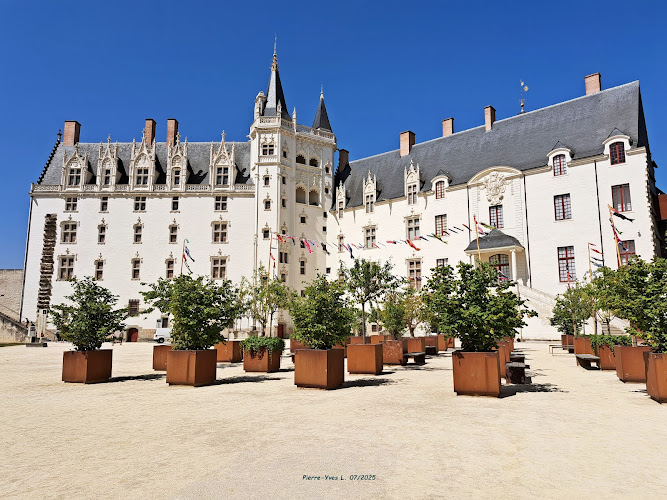
Château des ducs de Bretagne
About Château des ducs de Bretagne
Description
The Château des ducs de Bretagne is one of those places that manages to surprise you even if you think you’ve seen a hundred castles before. It’s not just another medieval fortress—it’s a full-blown journey through time, right in the heart of Nantes. The place has this odd mix of grandeur and approachability; you can feel the echoes of dukes and duchesses, but also the hum of school groups, travelers, and curious locals wandering its courtyards. I remember the first time I walked through that drawbridge—it felt like stepping onto a movie set, except everything was real, from the cobblestones under my feet to the centuries-old walls that have seen both royal banquets and wartime chaos.
Inside, it’s more than just a castle—it’s a museum that tells the story of Nantes and its port, which played a huge role in France’s maritime history. You’ll find intricate scale models of the city, artifacts from centuries of trade, and interactive exhibits that make history feel alive rather than dusty. There’s something oddly moving about seeing how the city evolved, how its fortunes rose and fell with the tides. It’s not just about kings and queens; it’s about the people who built, sailed, and lived here. And that’s what makes it special—it’s a living story, not a static monument.
What really caught me off guard was how well the museum mixes old and new. The exhibits are modern, with clever lighting and multimedia displays, but they never overshadow the castle’s original charm. You can climb the ramparts for a panoramic view of Nantes, and if you’re lucky, you might catch a temporary art exhibition in one of the halls. The way the old stone walls frame contemporary art pieces—it’s a contrast that somehow works beautifully. The whole experience feels immersive, educational, and, honestly, just plain fun.
Key Features
- Historic fortress dating back to the 15th century, once home to the Dukes of Brittany.
- Comprehensive museum showcasing Nantes’ maritime and urban history through artifacts, models, and multimedia exhibits.
- Beautifully restored ramparts offering sweeping views of the city skyline.
- Regular art exhibitions and cultural events held within the castle walls.
- Family-friendly environment with interactive displays suitable for children.
- Accessibility features including wheelchair access, assistive hearing devices, and accessible restrooms.
- Convenient payment options including credit, debit, and mobile payments.
- Onsite and nearby paid parking options available.
And let’s not forget the courtyard—open, airy, and perfect for just sitting down with a coffee and watching life go by. It’s one of those rare places where history doesn’t feel distant or intimidating. Instead, it feels like a part of everyday life in Nantes, woven seamlessly into the rhythm of the city.
Best Time to Visit
If you ask me, spring and early autumn are the sweet spots. The weather is mild, the crowds are manageable, and the light—oh, the light!—hits the castle walls just right for photos. Summer can be lively, sure, but it also gets busy, especially when families and tour groups roll in. Winter has its own charm though; the quietness gives the place a kind of solemn beauty, and the museum’s indoor exhibits make it a cozy escape from the cold. I once visited in February, and walking through the empty ramparts with a hot chocolate from a nearby café felt almost cinematic.
For those who love festivals or special events, keep an eye out for the museum’s seasonal programs. They often host temporary exhibitions, nighttime tours, and even light shows that transform the castle into something magical. But even on an ordinary day, the atmosphere shifts with the seasons—lush greens in spring, golden hues in autumn, and that crisp, poetic stillness in winter.
How to Get There
Getting to the Château des ducs de Bretagne is refreshingly easy, especially if you’re already exploring central Nantes. The castle sits right near the city’s main attractions, so you can easily walk from the train station—it’s just a short stroll through charming streets lined with cafés and shops. Public transport is reliable, too; trams and buses stop within minutes of the entrance. If you’re driving, there are paid parking lots and street parking nearby, though finding a spot on weekends can be a bit of a challenge (been there, circled around more than once!).
For travelers coming from outside Nantes, the city itself is well-connected by rail and highway, and the airport isn’t far either. Honestly, once you arrive, you’ll probably end up walking everywhere—Nantes is that kind of city, compact and easy to navigate. And walking up to the castle’s moat and drawbridge for the first time? That’s part of the experience. It gives you a moment to take it all in before stepping into centuries of history.
Tips for Visiting
Here’s where a little planning can make your visit even better. First off, give yourself enough time. The museum is bigger than it looks, and there’s a lot to see—so don’t rush. Two hours is the bare minimum, but if you’re the curious type who likes to read every plaque (guilty as charged), you might want to block off half a day. Wear comfortable shoes; those cobblestones can be unforgiving after a while. And if you’re visiting with kids, the interactive sections are gold—they’ll actually enjoy learning about history, which is saying something.
Photography is allowed in most areas, and trust me, you’ll want your camera. The views from the ramparts are some of the best in Nantes, especially at sunset. If you’re into architecture, take a few moments to notice the blend of Gothic and Renaissance details—it’s subtle but fascinating. And here’s a little insider tip: the courtyard tends to clear out late in the afternoon, making it a perfect time for peaceful exploration or a few quiet photos without the crowds.
Accessibility is well thought out, which I really appreciate. The castle offers wheelchair access, assistive hearing devices, and accessible restrooms, making it inclusive for all visitors. Payment is easy too—credit cards, debit, mobile payments, all accepted. If you’re driving, just remember that parking nearby is paid, so factor that into your plan.
And maybe this is just me, but I always recommend grabbing a coffee or snack before you go in. There’s something about sipping a warm drink while looking at those ancient walls that makes the whole experience even more memorable. Plus, you’ll want the energy—there’s a lot of walking and exploring to do inside.
One last thought: take a moment to stand still in the courtyard or on the ramparts and just listen. The sounds of the city blend with the whispers of history in a way that’s hard to describe. It’s a reminder that this isn’t just a relic of the past—it’s a living, breathing part of Nantes’ identity. And if you’re anything like me, you’ll leave with a deeper appreciation not just for the castle itself, but for the stories it continues to tell.
Key Features
- Historic fortress dating back to the 15th century, once home to the Dukes of Brittany.
- Comprehensive museum showcasing Nantes’ maritime and urban history through artifacts, models, and multimedia exhibits.
- Beautifully restored ramparts offering sweeping views of the city skyline.
- Regular art exhibitions and cultural events held within the castle walls.
- Family-friendly environment with interactive displays suitable for children.
- Accessibility features including wheelchair access, assistive hearing devices, and accessible restrooms.
- Convenient payment options including credit, debit, and mobile payments.
- Onsite and nearby paid parking options available.
More Details
Updated November 30, 2025
Table of Contents The Château des ducs de Bretagne is one of those places that manages to surprise you even if you think you’ve seen a hundred castles before. It’s not just another medieval fortress—it’s a full-blown journey through time, right in the heart of Nantes. The place has this odd mix of grandeur and approachability; you can feel the echoes of dukes and duchesses, but also the hum of school groups, travelers, and curious locals wandering its courtyards. I remember the first time I walked through that drawbridge—it felt like stepping onto a movie set, except everything was real, from the cobblestones under my feet to the centuries-old walls that have seen both royal banquets and wartime chaos. Inside, it’s more than just a castle—it’s a museum that tells the story of Nantes and its port, which played a huge role in France’s maritime history. You’ll find intricate scale models of the city, artifacts from centuries of trade, and interactive exhibits that make history feel alive rather than dusty. There’s something oddly moving about seeing how the city evolved, how its fortunes rose and fell with the tides. It’s not just about kings and queens; it’s about the people who built, sailed, and lived here. And that’s what makes it special—it’s a living story, not a static monument. What really caught me off guard was how well the museum mixes old and new. The exhibits are modern, with clever lighting and multimedia displays, but they never overshadow the castle’s original charm. You can climb the ramparts for a panoramic view of Nantes, and if you’re lucky, you might catch a temporary art exhibition in one of the halls. The way the old stone walls frame contemporary art pieces—it’s a contrast that somehow works beautifully. The whole experience feels immersive, educational, and, honestly, just plain fun. And let’s not forget the courtyard—open, airy, and perfect for just sitting down with a coffee and watching life go by. It’s one of those rare places where history doesn’t feel distant or intimidating. Instead, it feels like a part of everyday life in Nantes, woven seamlessly into the rhythm of the city. If you ask me, spring and early autumn are the sweet spots. The weather is mild, the crowds are manageable, and the light—oh, the light!—hits the castle walls just right for photos. Summer can be lively, sure, but it also gets busy, especially when families and tour groups roll in. Winter has its own charm though; the quietness gives the place a kind of solemn beauty, and the museum’s indoor exhibits make it a cozy escape from the cold. I once visited in February, and walking through the empty ramparts with a hot chocolate from a nearby café felt almost cinematic. For those who love festivals or special events, keep an eye out for the museum’s seasonal programs. They often host temporary exhibitions, nighttime tours, and even light shows that transform the castle into something magical. But even on an ordinary day, the atmosphere shifts with the seasons—lush greens in spring, golden hues in autumn, and that crisp, poetic stillness in winter. Getting to the Château des ducs de Bretagne is refreshingly easy, especially if you’re already exploring central Nantes. The castle sits right near the city’s main attractions, so you can easily walk from the train station—it’s just a short stroll through charming streets lined with cafés and shops. Public transport is reliable, too; trams and buses stop within minutes of the entrance. If you’re driving, there are paid parking lots and street parking nearby, though finding a spot on weekends can be a bit of a challenge (been there, circled around more than once!). For travelers coming from outside Nantes, the city itself is well-connected by rail and highway, and the airport isn’t far either. Honestly, once you arrive, you’ll probably end up walking everywhere—Nantes is that kind of city, compact and easy to navigate. And walking up to the castle’s moat and drawbridge for the first time? That’s part of the experience. It gives you a moment to take it all in before stepping into centuries of history. Here’s where a little planning can make your visit even better. First off, give yourself enough time. The museum is bigger than it looks, and there’s a lot to see—so don’t rush. Two hours is the bare minimum, but if you’re the curious type who likes to read every plaque (guilty as charged), you might want to block off half a day. Wear comfortable shoes; those cobblestones can be unforgiving after a while. And if you’re visiting with kids, the interactive sections are gold—they’ll actually enjoy learning about history, which is saying something. Photography is allowed in most areas, and trust me, you’ll want your camera. The views from the ramparts are some of the best in Nantes, especially at sunset. If you’re into architecture, take a few moments to notice the blend of Gothic and Renaissance details—it’s subtle but fascinating. And here’s a little insider tip: the courtyard tends to clear out late in the afternoon, making it a perfect time for peaceful exploration or a few quiet photos without the crowds. Accessibility is well thought out, which I really appreciate. The castle offers wheelchair access, assistive hearing devices, and accessible restrooms, making it inclusive for all visitors. Payment is easy too—credit cards, debit, mobile payments, all accepted. If you’re driving, just remember that parking nearby is paid, so factor that into your plan. And maybe this is just me, but I always recommend grabbing a coffee or snack before you go in. There’s something about sipping a warm drink while looking at those ancient walls that makes the whole experience even more memorable. Plus, you’ll want the energy—there’s a lot of walking and exploring to do inside. One last thought: take a moment to stand still in the courtyard or on the ramparts and just listen. The sounds of the city blend with the whispers of history in a way that’s hard to describe. It’s a reminder that this isn’t just a relic of the past—it’s a living, breathing part of Nantes’ identity. And if you’re anything like me, you’ll leave with a deeper appreciation not just for the castle itself, but for the stories it continues to tell.Description
Key Features
Best Time to Visit
How to Get There
Tips for Visiting
Key Highlights
- Historic fortress dating back to the 15th century, once home to the Dukes of Brittany.
- Comprehensive museum showcasing Nantes’ maritime and urban history through artifacts, models, and multimedia exhibits.
- Beautifully restored ramparts offering sweeping views of the city skyline.
- Regular art exhibitions and cultural events held within the castle walls.
- Family-friendly environment with interactive displays suitable for children.
- Accessibility features including wheelchair access, assistive hearing devices, and accessible restrooms.
- Convenient payment options including credit, debit, and mobile payments.
- Onsite and nearby paid parking options available.
Location
Places to Stay Near Château des ducs de Bretagne
Find and Book a Tour
Explore More Travel Guides
No reviews found! Be the first to review!
Traveler Reviews for Château des ducs de Bretagne
There are no reviews yet. Be the first one to write one.
Have you visited Château des ducs de Bretagne? Help other travelers by sharing your review.
You Might Also Like
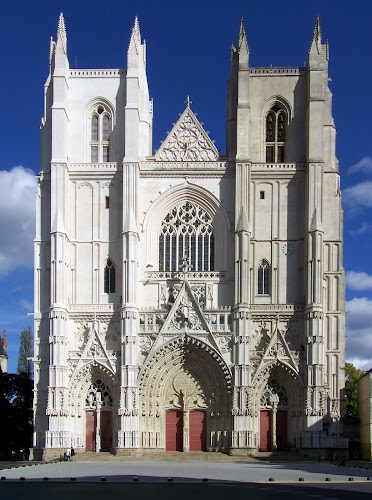
Cathédrale Saint-Pierre-et-Saint-Paul de Nantes
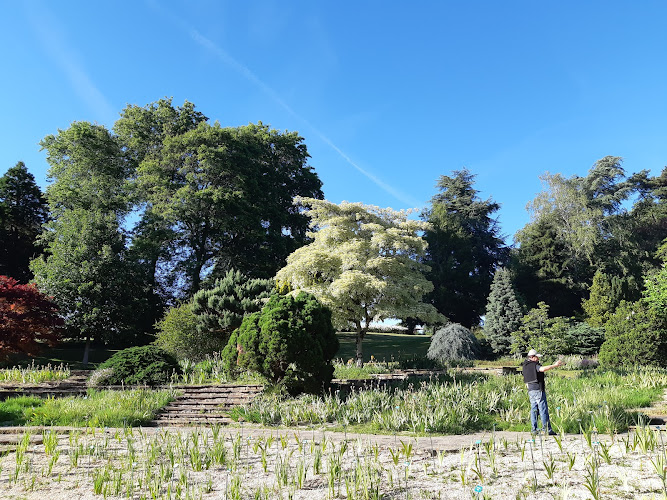
Park La Beaujoire

Les Machines de l
Find Accommodations Nearby
Recommended Tours & Activities
Visitor Reviews
There are no reviews yet. Be the first one to write one.
Share Your Experience
Have you visited Château des ducs de Bretagne? Help other travelers by leaving a review.