About Katsina

Description

Katsina, a city tucked in the heart of northern Nigeria, carries a kind of quiet charm that’s hard to put into words until you’ve actually walked its streets. It’s the capital of Katsina State and one of those places that feels both ancient and alive at the same time. The city sits about 260 kilometers east of Sokoto and roughly 135 kilometers northwest of Kano, edging close to the Niger Republic border. Historically, it’s been a major hub for trade, scholarship, and Islamic learning—some locals still proudly call it the “Home of Hospitality,” and honestly, that’s not far from the truth.

When you wander through Katsina, you’ll sense the weight of history. The city dates back centuries, with roots stretching deep into the Hausa Kingdoms. The old city walls still stand, though weathered, wrapping around a maze of markets, mosques, and homes that seem to hum with stories. I remember my first visit—it was the mix of the earthy smell of dust after rain and the distant call to prayer that stayed with me. It’s that kind of place where time feels slower, where you can still see the rhythm of traditional life blending with the pulse of modern Nigeria.

Katsina isn’t flashy or over-commercialized. It’s a place that rewards curiosity. You’ll find artisans hammering away at brass, tailors stitching colorful fabrics, and traders selling everything from handwoven mats to spices that make your nose tingle. And then there’s the people—friendly, proud, and always ready to share a story about their city. Conversations here often drift toward history, politics, or football, depending on who you’re talking to. It’s a city that’s seen its fair share of challenges, sure, but it’s resilient in a way that feels inspiring.

Key Features

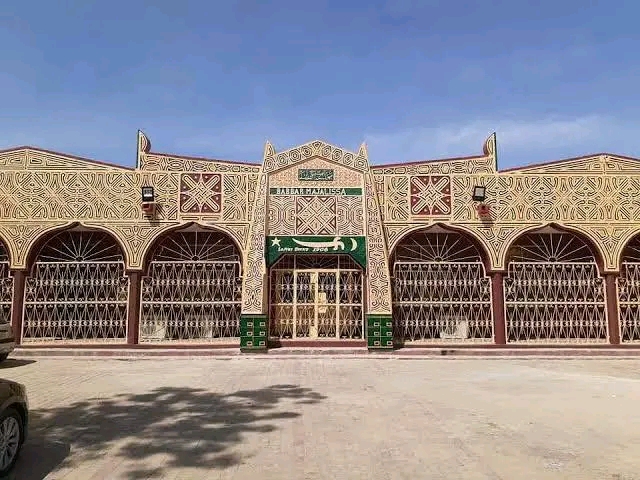
  • Emir’s Palace: A magnificent symbol of Hausa architecture and authority, the Katsina Emir’s Palace is one of the oldest in Nigeria. Its mud-brick walls and ornate gates tell tales of centuries of leadership and tradition.
  • Gobarau Minaret: This 15th-century tower is one of West Africa’s oldest Islamic structures. Standing tall in the city center, it once served as both a mosque and a watchtower. Climbing it (if you’re lucky enough to get permission) gives a sweeping view of the city.
  • Kusugu Well: A legendary site tied to the story of Bayajidda, the hero of Hausa folklore. Locals say it’s where he slew the serpent Sarki, marking the beginning of the Hausa kingdoms.
  • Old City Walls: The remnants of the ancient defensive walls still encircle parts of the city, offering a glimpse into Katsina’s medieval past.
  • Katsina Central Market: A bustling hub where traders from across the region gather. It’s the perfect place to experience local life—colorful, noisy, and full of energy.
  • Durbar Festival: If you happen to visit during Eid, the Durbar is a spectacle of horses, music, and royal pageantry. It’s one of the grandest cultural displays in northern Nigeria.

Best Time to Visit

The best time to visit Katsina is between November and February when the weather is cooler and the Harmattan breeze brings a dry, crisp feel to the air. Daytime temperatures hover around 25–30°C, which is perfect for exploring without melting under the sun. The rainy season, from June to September, can make travel tricky on some roads, though the countryside turns beautifully green. If you’re after cultural experiences, plan your trip around the Eid celebrations—Durbar season transforms the city into a living museum of tradition.

I once visited in December, and honestly, it was perfect. The evenings were cool enough for a light jacket, and the skies were that kind of clear blue that photographers dream about. The locals seemed more relaxed, too, probably because the harvest season had just wrapped up. You’ll find that Katsina’s pace slows down a bit during this period, making it easier to soak in the atmosphere.

How to Get There

Getting to Katsina is relatively straightforward, though it depends on where you’re coming from. The nearest major airport is in Kano, about a three-hour drive away. From there, you can hire a private car or take a local bus—both options are common, though I’d recommend the private car if you value comfort and flexibility. The drive itself is quite scenic, passing through small towns and stretches of open savannah.

If you’re already in northern Nigeria, road travel is the most practical option. Buses and shared taxis run regularly from cities like Sokoto, Kano, and Zaria. The roads are generally decent, though it’s best to travel during daylight hours. For international visitors, flying into Abuja and connecting through Kano is usually the easiest route. And if you’re the adventurous type, you can even cross from Niger Republic by road—just make sure to check visa and border requirements ahead of time.

Tips for Visiting

Visiting Katsina is a rewarding experience, but like any destination, a bit of preparation goes a long way. Here are some tips that I’ve picked up from my own trips and conversations with locals:

  • Respect local customs: Katsina is a conservative city with deep Islamic roots. Dress modestly, especially when visiting mosques or traditional sites. For women, a light scarf can be helpful for covering your head when needed.
  • Learn a few Hausa phrases: Even a simple greeting like “Sannu” (hello) or “Nagode” (thank you) goes a long way. Locals appreciate the effort, and it often leads to warmer interactions.
  • Stay hydrated: The northern sun can be unforgiving, particularly outside the cool season. Always carry water, especially when exploring markets or historical sites.
  • Cash is king: While larger hotels might accept cards, most local businesses operate on cash. Nigerian Naira is the currency, and ATMs can be limited, so plan ahead.
  • Photography etiquette: Always ask before taking photos of people or sensitive areas. Some sites, like the Emir’s Palace, may require permission.
  • Try local food: Don’t leave without tasting traditional dishes like tuwo shinkafa or masa. Street food in Katsina is flavorful and surprisingly affordable.
  • Stay connected: Mobile networks work well in most parts of the city, but it’s wise to buy a local SIM for reliable data and calls.

One thing I’ve learned from traveling around Nigeria is that the best experiences often come from the unexpected. In Katsina, that might mean stumbling upon a local wedding procession, being invited to share tea under a neem tree, or watching kids play football in the dusty evening light. It’s those small, unscripted moments that make the city feel so real.

Security-wise, it’s always smart to stay updated with local advice before traveling. While Katsina is generally peaceful, northern Nigeria can experience fluctuations in safety conditions. Check with your embassy or local guides for the latest updates. Most travelers who plan ahead and stay informed find their trips go smoothly.

If you’re the kind of traveler who values authenticity over luxury, Katsina will speak to you. It’s not a city of grand resorts or glossy tourist traps—it’s a place of stories, of heritage, of people who carry their history with quiet pride. Whether you’re exploring the Gobarau Minaret at sunset or bargaining in the market for handmade crafts, you’ll feel connected to something older and deeper than just a destination on a map.

And maybe that’s what makes Katsina special. It’s not trying to impress you—it just is. It’s a living, breathing piece of Nigerian history, and if you approach it with curiosity and respect, it’ll reward you with memories that stick long after you’ve left.

Key Features

  • Key Features
  • Best Time to Visit
  • How to Get There
  • Tips for Visiting

More Details

Updated November 30, 2025


Description

Katsina, a city tucked in the heart of northern Nigeria, carries a kind of quiet charm that’s hard to put into words until you’ve actually walked its streets. It’s the capital of Katsina State and one of those places that feels both ancient and alive at the same time. The city sits about 260 kilometers east of Sokoto and roughly 135 kilometers northwest of Kano, edging close to the Niger Republic border. Historically, it’s been a major hub for trade, scholarship, and Islamic learning—some locals still proudly call it the “Home of Hospitality,” and honestly, that’s not far from the truth.

When you wander through Katsina, you’ll sense the weight of history. The city dates back centuries, with roots stretching deep into the Hausa Kingdoms. The old city walls still stand, though weathered, wrapping around a maze of markets, mosques, and homes that seem to hum with stories. I remember my first visit—it was the mix of the earthy smell of dust after rain and the distant call to prayer that stayed with me. It’s that kind of place where time feels slower, where you can still see the rhythm of traditional life blending with the pulse of modern Nigeria.

Katsina isn’t flashy or over-commercialized. It’s a place that rewards curiosity. You’ll find artisans hammering away at brass, tailors stitching colorful fabrics, and traders selling everything from handwoven mats to spices that make your nose tingle. And then there’s the people—friendly, proud, and always ready to share a story about their city. Conversations here often drift toward history, politics, or football, depending on who you’re talking to. It’s a city that’s seen its fair share of challenges, sure, but it’s resilient in a way that feels inspiring.

Key Features

  • Emir’s Palace: A magnificent symbol of Hausa architecture and authority, the Katsina Emir’s Palace is one of the oldest in Nigeria. Its mud-brick walls and ornate gates tell tales of centuries of leadership and tradition.
  • Gobarau Minaret: This 15th-century tower is one of West Africa’s oldest Islamic structures. Standing tall in the city center, it once served as both a mosque and a watchtower. Climbing it (if you’re lucky enough to get permission) gives a sweeping view of the city.
  • Kusugu Well: A legendary site tied to the story of Bayajidda, the hero of Hausa folklore. Locals say it’s where he slew the serpent Sarki, marking the beginning of the Hausa kingdoms.
  • Old City Walls: The remnants of the ancient defensive walls still encircle parts of the city, offering a glimpse into Katsina’s medieval past.
  • Katsina Central Market: A bustling hub where traders from across the region gather. It’s the perfect place to experience local life—colorful, noisy, and full of energy.
  • Durbar Festival: If you happen to visit during Eid, the Durbar is a spectacle of horses, music, and royal pageantry. It’s one of the grandest cultural displays in northern Nigeria.

Best Time to Visit

The best time to visit Katsina is between November and February when the weather is cooler and the Harmattan breeze brings a dry, crisp feel to the air. Daytime temperatures hover around 25–30°C, which is perfect for exploring without melting under the sun. The rainy season, from June to September, can make travel tricky on some roads, though the countryside turns beautifully green. If you’re after cultural experiences, plan your trip around the Eid celebrations—Durbar season transforms the city into a living museum of tradition.

I once visited in December, and honestly, it was perfect. The evenings were cool enough for a light jacket, and the skies were that kind of clear blue that photographers dream about. The locals seemed more relaxed, too, probably because the harvest season had just wrapped up. You’ll find that Katsina’s pace slows down a bit during this period, making it easier to soak in the atmosphere.

How to Get There

Getting to Katsina is relatively straightforward, though it depends on where you’re coming from. The nearest major airport is in Kano, about a three-hour drive away. From there, you can hire a private car or take a local bus—both options are common, though I’d recommend the private car if you value comfort and flexibility. The drive itself is quite scenic, passing through small towns and stretches of open savannah.

If you’re already in northern Nigeria, road travel is the most practical option. Buses and shared taxis run regularly from cities like Sokoto, Kano, and Zaria. The roads are generally decent, though it’s best to travel during daylight hours. For international visitors, flying into Abuja and connecting through Kano is usually the easiest route. And if you’re the adventurous type, you can even cross from Niger Republic by road—just make sure to check visa and border requirements ahead of time.

Tips for Visiting

Visiting Katsina is a rewarding experience, but like any destination, a bit of preparation goes a long way. Here are some tips that I’ve picked up from my own trips and conversations with locals:

  • Respect local customs: Katsina is a conservative city with deep Islamic roots. Dress modestly, especially when visiting mosques or traditional sites. For women, a light scarf can be helpful for covering your head when needed.
  • Learn a few Hausa phrases: Even a simple greeting like “Sannu” (hello) or “Nagode” (thank you) goes a long way. Locals appreciate the effort, and it often leads to warmer interactions.
  • Stay hydrated: The northern sun can be unforgiving, particularly outside the cool season. Always carry water, especially when exploring markets or historical sites.
  • Cash is king: While larger hotels might accept cards, most local businesses operate on cash. Nigerian Naira is the currency, and ATMs can be limited, so plan ahead.
  • Photography etiquette: Always ask before taking photos of people or sensitive areas. Some sites, like the Emir’s Palace, may require permission.
  • Try local food: Don’t leave without tasting traditional dishes like tuwo shinkafa or masa. Street food in Katsina is flavorful and surprisingly affordable.
  • Stay connected: Mobile networks work well in most parts of the city, but it’s wise to buy a local SIM for reliable data and calls.

One thing I’ve learned from traveling around Nigeria is that the best experiences often come from the unexpected. In Katsina, that might mean stumbling upon a local wedding procession, being invited to share tea under a neem tree, or watching kids play football in the dusty evening light. It’s those small, unscripted moments that make the city feel so real.

Security-wise, it’s always smart to stay updated with local advice before traveling. While Katsina is generally peaceful, northern Nigeria can experience fluctuations in safety conditions. Check with your embassy or local guides for the latest updates. Most travelers who plan ahead and stay informed find their trips go smoothly.

If you’re the kind of traveler who values authenticity over luxury, Katsina will speak to you. It’s not a city of grand resorts or glossy tourist traps—it’s a place of stories, of heritage, of people who carry their history with quiet pride. Whether you’re exploring the Gobarau Minaret at sunset or bargaining in the market for handmade crafts, you’ll feel connected to something older and deeper than just a destination on a map.

And maybe that’s what makes Katsina special. It’s not trying to impress you—it just is. It’s a living, breathing piece of Nigerian history, and if you approach it with curiosity and respect, it’ll reward you with memories that stick long after you’ve left.

Key Highlights

  • Key Features
  • Best Time to Visit
  • How to Get There
  • Tips for Visiting

Location

Places to Stay Near Katsina

Find and Book a Tour

Explore More Travel Guides

No reviews found! Be the first to review!

Traveler Reviews for Katsina

There are no reviews yet. Be the first one to write one.

Share Your Experience

Have you visited Katsina? Help other travelers by sharing your review.

Find Accommodations Nearby

Recommended Tours & Activities

Visitor Reviews

There are no reviews yet. Be the first one to write one.

Share Your Experience

Have you visited Katsina? Help other travelers by leaving a review.