
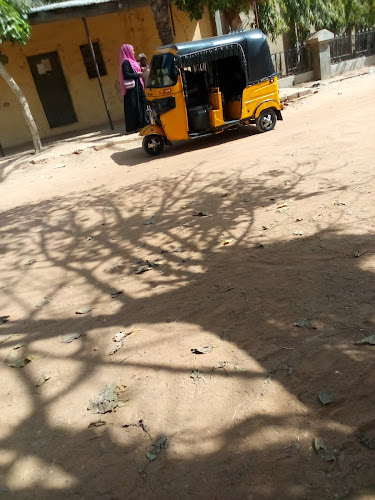
Katsina State Museum (Main Entrance)
About Katsina State Museum (Main Entrance)
Description
The Katsina State Museum’s main entrance is more than just a doorway—it’s the threshold into a living archive of Northern Nigeria’s history. Housed in what was once the first school in Northern Nigeria, the building itself is a piece of heritage. Walking through that entrance, you can almost feel the echo of students’ footsteps from a century ago, mingling with the quiet reverence of today’s visitors. Inside, the museum tells stories through archaeological treasures, cultural artifacts, and preserved relics that span centuries. It’s not a massive, overwhelming kind of place, but rather one that invites you to slow down and really look at the details.
What stands out is how accessible it is for all kinds of travelers. There’s wheelchair access at the entrance, in parking, and even in restrooms, which is something you don’t always find in older heritage buildings. The museum is also surprisingly family-friendly—kids can wander without too much risk of knocking over priceless artifacts, and there’s enough visual variety to keep them curious. And if you’re the type who gets hungry halfway through a cultural deep dive, there’s a small restaurant on-site that serves simple, hearty meals. It’s not fine dining, but it’s convenient and, honestly, part of the charm.
One thing I personally appreciate is that it’s not trying to be flashy. There’s no overproduced multimedia show or blaring audio guides—just the quiet dignity of history presented in a way that feels authentic. That said, it’s not perfect. Some displays could use updated signage or better lighting, and if you’re expecting a sprawling, ultra-modern facility, you might be underwhelmed. But for travelers who value authenticity over spectacle, this place has a certain understated magic.
Key Features
- Historic building that was once the first school in Northern Nigeria
- Extensive collection of archaeological and cultural artifacts from Katsina and surrounding states
- Wheelchair accessible entrance, parking, and restrooms
- On-site restaurant serving local-style meals
- Restroom facilities available for visitors
- Family-friendly environment suitable for children
- Peaceful, uncluttered atmosphere for exploring at your own pace
Best Time to Visit
If you ask me, the sweet spot for visiting is early in the morning on a weekday. The air is cooler, the light coming through the old windows is softer, and you’ll likely have the place almost to yourself. Katsina can get hot—really hot—especially from March to May, so if you’re not a fan of sweltering afternoons, aim for the cooler months between November and February. The museum isn’t weather-dependent, but the walk to and from your transport will be much more pleasant outside the peak heat.
Festive periods like Eid can be interesting too, as the city feels more alive, but be prepared for larger crowds and possible changes in opening hours. Personally, I’d avoid the late afternoon if you want to take your time without feeling rushed, as closing time can sneak up on you.
How to Get There
Getting to the Katsina State Museum’s main entrance is fairly straightforward if you’re already in Katsina city. Local taxis and motorcycle tricycles (keke) are the most common modes of transport, and drivers generally know the location well. If you’re coming from further afield, you’ll likely arrive via Katsina’s main road network, with the museum situated in a central, easy-to-reach area. For those who prefer a more private ride, hiring a car for the day can be a good option, especially if you plan on visiting multiple sites in one trip.
Public transport is available, but it’s not always the most comfortable or predictable, so if you’re tight on time, I’d recommend sticking to a taxi or rideshare arrangement. And if you’re driving yourself, parking is available and accessible, which is a rare perk in busy city centers.
Tips for Visiting
First off, give yourself at least an hour here. It’s not huge, but there’s enough to see that rushing through would be a shame. Bring a bottle of water—especially in the hotter months—and wear something light but respectful. Photography rules can vary, so it’s worth asking before you start snapping away.
If you’re traveling with kids, a quick pre-visit chat about museum etiquette can go a long way. They’ll enjoy it more if they understand what they’re looking at, so maybe tell them a little about the building’s history before you arrive. For those with mobility needs, rest assured that the accessibility features are genuinely functional, not just token gestures.
Lastly, don’t skip the restaurant. It might not look like much, but sitting down for a local meal after wandering through decades of history is a satisfying way to end your visit. And if you’re anything like me, you’ll leave with a head full of stories and maybe a few photos that feel like they belong in a history book.
Key Features
- Historic building that was once the first school in Northern Nigeria
- Extensive collection of archaeological and cultural artifacts from Katsina and surrounding states
- Wheelchair accessible entrance, parking, and restrooms
- On-site restaurant serving local-style meals
- Restroom facilities available for visitors
- Family-friendly environment suitable for children
- Peaceful, uncluttered atmosphere for exploring at your own pace
More Details
Updated August 14, 2025
Description
The Katsina State Museum’s main entrance is more than just a doorway—it’s the threshold into a living archive of Northern Nigeria’s history. Housed in what was once the first school in Northern Nigeria, the building itself is a piece of heritage. Walking through that entrance, you can almost feel the echo of students’ footsteps from a century ago, mingling with the quiet reverence of today’s visitors. Inside, the museum tells stories through archaeological treasures, cultural artifacts, and preserved relics that span centuries. It’s not a massive, overwhelming kind of place, but rather one that invites you to slow down and really look at the details.
What stands out is how accessible it is for all kinds of travelers. There’s wheelchair access at the entrance, in parking, and even in restrooms, which is something you don’t always find in older heritage buildings. The museum is also surprisingly family-friendly—kids can wander without too much risk of knocking over priceless artifacts, and there’s enough visual variety to keep them curious. And if you’re the type who gets hungry halfway through a cultural deep dive, there’s a small restaurant on-site that serves simple, hearty meals. It’s not fine dining, but it’s convenient and, honestly, part of the charm.
One thing I personally appreciate is that it’s not trying to be flashy. There’s no overproduced multimedia show or blaring audio guides—just the quiet dignity of history presented in a way that feels authentic. That said, it’s not perfect. Some displays could use updated signage or better lighting, and if you’re expecting a sprawling, ultra-modern facility, you might be underwhelmed. But for travelers who value authenticity over spectacle, this place has a certain understated magic.
Key Features
- Historic building that was once the first school in Northern Nigeria
- Extensive collection of archaeological and cultural artifacts from Katsina and surrounding states
- Wheelchair accessible entrance, parking, and restrooms
- On-site restaurant serving local-style meals
- Restroom facilities available for visitors
- Family-friendly environment suitable for children
- Peaceful, uncluttered atmosphere for exploring at your own pace
Best Time to Visit
If you ask me, the sweet spot for visiting is early in the morning on a weekday. The air is cooler, the light coming through the old windows is softer, and you’ll likely have the place almost to yourself. Katsina can get hot—really hot—especially from March to May, so if you’re not a fan of sweltering afternoons, aim for the cooler months between November and February. The museum isn’t weather-dependent, but the walk to and from your transport will be much more pleasant outside the peak heat.
Festive periods like Eid can be interesting too, as the city feels more alive, but be prepared for larger crowds and possible changes in opening hours. Personally, I’d avoid the late afternoon if you want to take your time without feeling rushed, as closing time can sneak up on you.
How to Get There
Getting to the Katsina State Museum’s main entrance is fairly straightforward if you’re already in Katsina city. Local taxis and motorcycle tricycles (keke) are the most common modes of transport, and drivers generally know the location well. If you’re coming from further afield, you’ll likely arrive via Katsina’s main road network, with the museum situated in a central, easy-to-reach area. For those who prefer a more private ride, hiring a car for the day can be a good option, especially if you plan on visiting multiple sites in one trip.
Public transport is available, but it’s not always the most comfortable or predictable, so if you’re tight on time, I’d recommend sticking to a taxi or rideshare arrangement. And if you’re driving yourself, parking is available and accessible, which is a rare perk in busy city centers.
Tips for Visiting
First off, give yourself at least an hour here. It’s not huge, but there’s enough to see that rushing through would be a shame. Bring a bottle of water—especially in the hotter months—and wear something light but respectful. Photography rules can vary, so it’s worth asking before you start snapping away.
If you’re traveling with kids, a quick pre-visit chat about museum etiquette can go a long way. They’ll enjoy it more if they understand what they’re looking at, so maybe tell them a little about the building’s history before you arrive. For those with mobility needs, rest assured that the accessibility features are genuinely functional, not just token gestures.
Lastly, don’t skip the restaurant. It might not look like much, but sitting down for a local meal after wandering through decades of history is a satisfying way to end your visit. And if you’re anything like me, you’ll leave with a head full of stories and maybe a few photos that feel like they belong in a history book.
Key Highlights
- Historic building that was once the first school in Northern Nigeria
- Extensive collection of archaeological and cultural artifacts from Katsina and surrounding states
- Wheelchair accessible entrance, parking, and restrooms
- On-site restaurant serving local-style meals
- Restroom facilities available for visitors
- Family-friendly environment suitable for children
- Peaceful, uncluttered atmosphere for exploring at your own pace
Location
Places to Stay Near Katsina State Museum (Main Entrance)
Find and Book a Tour
Explore More Travel Guides
No reviews found! Be the first to review!
Traveler Reviews for Katsina State Museum (Main Entrance)
There are no reviews yet. Be the first one to write one.
Have you visited Katsina State Museum (Main Entrance)? Help other travelers by sharing your review.
You Might Also Like
MASALLACIN DAMBO

Tafkin sidamanki

Katsina Emirate Council
Find Accommodations Nearby
Recommended Tours & Activities
Visitor Reviews
There are no reviews yet. Be the first one to write one.
Share Your Experience
Have you visited Katsina State Museum (Main Entrance)? Help other travelers by leaving a review.