

Lamama House Galadunchi Qtrs
About Lamama House Galadunchi Qtrs
Description
Lamama House in Galadunchi Quarters is one of those places that quietly holds the heartbeat of Katsina’s long and layered history. It’s not the kind of landmark that shouts for attention with bright lights or flashy signs, but rather one that draws you in with its calm dignity. Locals talk about it with a certain fondness, as if it’s an old friend that’s seen generations come and go. And honestly, that’s exactly how it feels when you stand before it — like you’re stepping into a story that’s still being written.
This historical landmark is known for its understated architectural charm and its deep connection to Katsina’s cultural and social fabric. The building’s walls seem to whisper tales from the past, of gatherings, of quiet moments, and of the evolving life of the community around it. It’s a place where modern Katsina meets its heritage — not in a grand, museum-like way, but in a living, breathing sense. You can feel the continuity of history here, yet it doesn’t feel frozen in time. People still come and go, children laugh nearby, and the rhythm of daily life continues just as it always has.
What makes Lamama House particularly special is its accessibility. It welcomes everyone — families, travelers, historians, and even those who just wander in out of curiosity. The entrance is wheelchair accessible, which is something I personally appreciate because it means the place is truly open to all. I remember a conversation with an elderly visitor who said, “This house reminds me of my childhood.” That sentiment captures the essence of Lamama House — it’s not just a structure, it’s a keeper of memories.
Key Features
- Historical Significance: A heritage site that reflects the architectural and cultural identity of Katsina.
- Architectural Style: Traditional design with subtle local influences, offering a glimpse into the craftsmanship of earlier generations.
- Accessibility: Wheelchair-friendly entrance, making it convenient for all visitors.
- Family-Friendly: Safe and comfortable environment for kids and families to explore together.
- Peaceful Atmosphere: A calm and reflective setting, ideal for those seeking a quiet moment away from the bustle of the city.
- Proximity to Other Attractions: Located within reach of other notable spots in Katsina, perfect for travelers exploring the area.
There’s something grounding about standing here, surrounded by the echoes of time. The structure itself isn’t overly ornate — no gold trimmings or exaggerated carvings — but that’s part of its charm. It’s authentic. The kind of place where you can actually feel history rather than just read about it. I’ve always believed that authenticity is what makes a travel experience memorable, and Lamama House delivers that in quiet abundance.
Best Time to Visit
If you’re planning a visit, the best time to explore Lamama House is during the cooler months, roughly from November to February. Katsina can get quite warm during the middle of the year, and trust me, wandering around in the midday heat can take some of the joy out of sightseeing. The cooler season brings a gentle breeze, making it easier to linger and take in the details — the texture of the walls, the way the sunlight hits the courtyard, and the soft hum of life around you.
Morning visits tend to be the most rewarding. The light is softer, the air is fresh, and you’ll often find locals starting their day nearby — chatting, sweeping, or just enjoying the early calm. There’s also something magical about the late afternoon, when the sun begins to dip and the shadows stretch across the building, giving it a golden, almost nostalgic glow. I’ve stood there at that hour, camera in hand, just watching the world slow down for a bit. It’s a small but beautiful pause.
How to Get There
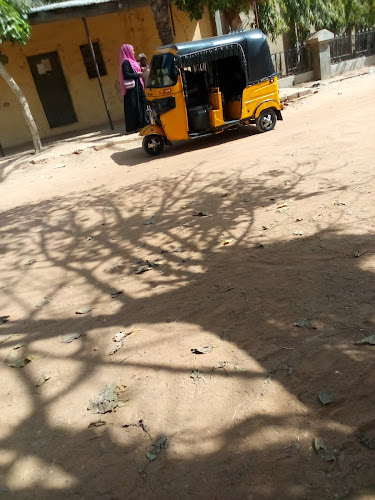
Getting to Lamama House is fairly straightforward if you’re already in Katsina. The landmark sits along a well-known road that connects to several key parts of the city, so most local drivers will know exactly where to take you if you simply mention “Lamama House in Galadunchi.” For travelers coming from farther away, the easiest route is to arrive first in Katsina City by road from Kano or Abuja, then continue locally by taxi or motorbike.
Public transportation is available and generally reliable, though if you’re not familiar with the area, hiring a local guide or driver can make the experience smoother and more insightful. I’ve done both — once I took a motorbike ride through the city streets, and another time I opted for a private car. The motorbike ride was, without a doubt, more thrilling. There’s something about feeling the city breeze as you zip through narrow streets that makes you feel part of the local rhythm.
For those who prefer a bit more independence, renting a car is an option too, but be prepared for local traffic patterns that might not always follow strict rules. It’s all part of the adventure, though — the kind of travel story you’ll laugh about later when you’re back home.
Tips for Visiting
Before you go, here are a few tips that might help you make the most of your visit:
- Dress Appropriately: Katsina is a conservative area, so modest clothing is appreciated. Lightweight fabrics work best in the heat.
- Bring Water: Even if you’re visiting during cooler months, staying hydrated is key. There aren’t always vendors nearby.
- Engage with Locals: Don’t be shy to strike up a conversation. People here are warm and often happy to share stories about the area’s history.
- Photography: You can take photos, but always ask for permission if you’re photographing people or private areas. Respect goes a long way.
- Timing: Arrive earlier in the day to avoid crowds and to enjoy the best light for photos.
- Local Guides: Hiring a local guide can enrich your experience — they often know small details and stories that you won’t find online or in guidebooks.
- Stay Nearby: Consider lodging close to the city center so you can explore more of Katsina’s historical and cultural landmarks without rushing.
One thing I’ve learned from years of traveling is that places like Lamama House aren’t meant to be rushed. It’s not about ticking off a checklist or snapping a quick photo for social media. It’s about slowing down and letting the atmosphere sink in. Take a seat somewhere nearby, listen to the sounds of the city, maybe watch a few kids run past — and you’ll start to feel what makes this landmark so quietly significant.
And if you’re the kind of traveler who loves discovering spots that aren’t overrun with tourists, this might just be your kind of place. It’s authentic, peaceful, and full of subtle stories. Even if you’re not a history buff, there’s something deeply grounding about being in a place that has stood the test of time. You’ll leave with a sense of calm and maybe, just maybe, a deeper appreciation for Katsina’s enduring spirit.
Lamama House Galadunchi Quarters isn’t about grandeur — it’s about grace. It’s a reminder that history doesn’t always need to be loud to be powerful. Sometimes, it just needs to stand quietly and let you listen.
Key Features
- Key Features
- Best Time to Visit
- How to Get There
- Tips for Visiting
More Details
Updated November 30, 2025
Description
Lamama House in Galadunchi Quarters is one of those places that quietly holds the heartbeat of Katsina’s long and layered history. It’s not the kind of landmark that shouts for attention with bright lights or flashy signs, but rather one that draws you in with its calm dignity. Locals talk about it with a certain fondness, as if it’s an old friend that’s seen generations come and go. And honestly, that’s exactly how it feels when you stand before it — like you’re stepping into a story that’s still being written.
This historical landmark is known for its understated architectural charm and its deep connection to Katsina’s cultural and social fabric. The building’s walls seem to whisper tales from the past, of gatherings, of quiet moments, and of the evolving life of the community around it. It’s a place where modern Katsina meets its heritage — not in a grand, museum-like way, but in a living, breathing sense. You can feel the continuity of history here, yet it doesn’t feel frozen in time. People still come and go, children laugh nearby, and the rhythm of daily life continues just as it always has.
What makes Lamama House particularly special is its accessibility. It welcomes everyone — families, travelers, historians, and even those who just wander in out of curiosity. The entrance is wheelchair accessible, which is something I personally appreciate because it means the place is truly open to all. I remember a conversation with an elderly visitor who said, “This house reminds me of my childhood.” That sentiment captures the essence of Lamama House — it’s not just a structure, it’s a keeper of memories.
Key Features
- Historical Significance: A heritage site that reflects the architectural and cultural identity of Katsina.
- Architectural Style: Traditional design with subtle local influences, offering a glimpse into the craftsmanship of earlier generations.
- Accessibility: Wheelchair-friendly entrance, making it convenient for all visitors.
- Family-Friendly: Safe and comfortable environment for kids and families to explore together.
- Peaceful Atmosphere: A calm and reflective setting, ideal for those seeking a quiet moment away from the bustle of the city.
- Proximity to Other Attractions: Located within reach of other notable spots in Katsina, perfect for travelers exploring the area.
There’s something grounding about standing here, surrounded by the echoes of time. The structure itself isn’t overly ornate — no gold trimmings or exaggerated carvings — but that’s part of its charm. It’s authentic. The kind of place where you can actually feel history rather than just read about it. I’ve always believed that authenticity is what makes a travel experience memorable, and Lamama House delivers that in quiet abundance.
Best Time to Visit
If you’re planning a visit, the best time to explore Lamama House is during the cooler months, roughly from November to February. Katsina can get quite warm during the middle of the year, and trust me, wandering around in the midday heat can take some of the joy out of sightseeing. The cooler season brings a gentle breeze, making it easier to linger and take in the details — the texture of the walls, the way the sunlight hits the courtyard, and the soft hum of life around you.
Morning visits tend to be the most rewarding. The light is softer, the air is fresh, and you’ll often find locals starting their day nearby — chatting, sweeping, or just enjoying the early calm. There’s also something magical about the late afternoon, when the sun begins to dip and the shadows stretch across the building, giving it a golden, almost nostalgic glow. I’ve stood there at that hour, camera in hand, just watching the world slow down for a bit. It’s a small but beautiful pause.
How to Get There
Getting to Lamama House is fairly straightforward if you’re already in Katsina. The landmark sits along a well-known road that connects to several key parts of the city, so most local drivers will know exactly where to take you if you simply mention “Lamama House in Galadunchi.” For travelers coming from farther away, the easiest route is to arrive first in Katsina City by road from Kano or Abuja, then continue locally by taxi or motorbike.
Public transportation is available and generally reliable, though if you’re not familiar with the area, hiring a local guide or driver can make the experience smoother and more insightful. I’ve done both — once I took a motorbike ride through the city streets, and another time I opted for a private car. The motorbike ride was, without a doubt, more thrilling. There’s something about feeling the city breeze as you zip through narrow streets that makes you feel part of the local rhythm.
For those who prefer a bit more independence, renting a car is an option too, but be prepared for local traffic patterns that might not always follow strict rules. It’s all part of the adventure, though — the kind of travel story you’ll laugh about later when you’re back home.
Tips for Visiting
Before you go, here are a few tips that might help you make the most of your visit:
- Dress Appropriately: Katsina is a conservative area, so modest clothing is appreciated. Lightweight fabrics work best in the heat.
- Bring Water: Even if you’re visiting during cooler months, staying hydrated is key. There aren’t always vendors nearby.
- Engage with Locals: Don’t be shy to strike up a conversation. People here are warm and often happy to share stories about the area’s history.
- Photography: You can take photos, but always ask for permission if you’re photographing people or private areas. Respect goes a long way.
- Timing: Arrive earlier in the day to avoid crowds and to enjoy the best light for photos.
- Local Guides: Hiring a local guide can enrich your experience — they often know small details and stories that you won’t find online or in guidebooks.
- Stay Nearby: Consider lodging close to the city center so you can explore more of Katsina’s historical and cultural landmarks without rushing.
One thing I’ve learned from years of traveling is that places like Lamama House aren’t meant to be rushed. It’s not about ticking off a checklist or snapping a quick photo for social media. It’s about slowing down and letting the atmosphere sink in. Take a seat somewhere nearby, listen to the sounds of the city, maybe watch a few kids run past — and you’ll start to feel what makes this landmark so quietly significant.
And if you’re the kind of traveler who loves discovering spots that aren’t overrun with tourists, this might just be your kind of place. It’s authentic, peaceful, and full of subtle stories. Even if you’re not a history buff, there’s something deeply grounding about being in a place that has stood the test of time. You’ll leave with a sense of calm and maybe, just maybe, a deeper appreciation for Katsina’s enduring spirit.
Lamama House Galadunchi Quarters isn’t about grandeur — it’s about grace. It’s a reminder that history doesn’t always need to be loud to be powerful. Sometimes, it just needs to stand quietly and let you listen.
Key Highlights
- Key Features
- Best Time to Visit
- How to Get There
- Tips for Visiting
Location
Places to Stay Near Lamama House Galadunchi Qtrs
Find and Book a Tour
Explore More Travel Guides
No reviews found! Be the first to review!
Traveler Reviews for Lamama House Galadunchi Qtrs
There are no reviews yet. Be the first one to write one.
Have you visited Lamama House Galadunchi Qtrs? Help other travelers by sharing your review.
You Might Also Like

Katsina Central Market
Katsina State Museum (Main Entrance)

Tafkin sidamanki
Find Accommodations Nearby
Recommended Tours & Activities
Visitor Reviews
There are no reviews yet. Be the first one to write one.
Share Your Experience
Have you visited Lamama House Galadunchi Qtrs? Help other travelers by leaving a review.