
Palace of Versailles
About Palace of Versailles
Description
The Palace of Versailles is one of those places that makes you stop mid-step and just stare for a moment. It’s grand, yes, but there’s something deeper about it—an echo of centuries of power, art, and ambition that still lingers in every gilded hallway. Originally a modest hunting lodge built for Louis XIII, it was transformed by his son, Louis XIV, into a symbol of absolute monarchy and French artistry. And honestly, standing in front of it, you can almost feel the weight of all that history pressing through the gold leaf and marble.
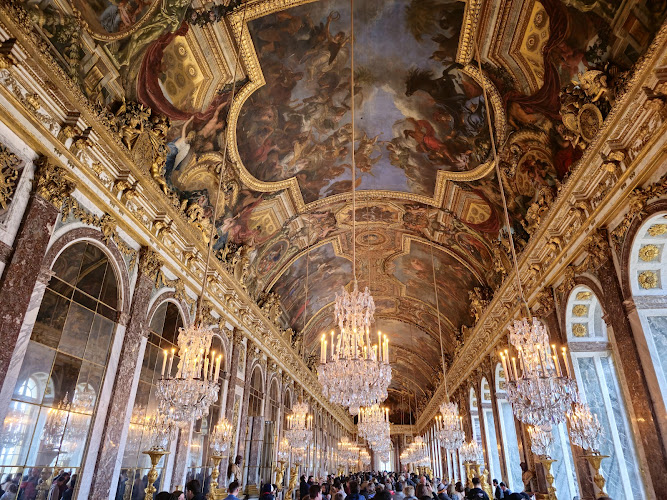
When you walk through the palace, it’s hard not to be struck by the sheer scale of it all. The Hall of Mirrors, for instance, feels like stepping into another world—a corridor that shimmers with light and reflection, where chandeliers catch the sun and scatter it across walls lined with mirrors and gilded ornamentation. It’s breathtaking, even if you’re not the type to be impressed easily. The apartments of the king and queen are equally opulent, filled with intricate tapestries, painted ceilings, and furniture that whispers of royal extravagance.
But Versailles isn’t just about the palace itself. The gardens stretch endlessly, meticulously designed with symmetry and precision. Fountains dance to classical music during the summer shows, and even if you’ve seen photos before, nothing compares to watching the water come alive under the sunlight. There’s something strangely calming about wandering those paths—especially early in the morning before the crowds arrive. I once sat near the Latona Fountain with a coffee and just watched the gardeners at work. It was oddly grounding, a quiet reminder that behind all the splendor, this is still a living, breathing place.
Of course, not every experience here is perfect. The crowds can be overwhelming, especially during peak season. You might find yourself shoulder to shoulder with hundreds of other visitors in the Hall of Mirrors, all trying to snap that perfect photo. And yes, the lines can test your patience. But even then, there’s a certain charm in the chaos—it’s part of the Versailles experience. You learn to slow down, to take in the details that others rush past.
Key Features
- Hall of Mirrors: A dazzling gallery of 357 mirrors reflecting light from grand chandeliers and arched windows overlooking the gardens.
- Royal Apartments: Lavishly decorated rooms once inhabited by Louis XIV, Marie Antoinette, and other members of French royalty.
- Gardens of Versailles: Spanning over 800 hectares, featuring manicured lawns, sculptures, and 50+ fountains, each with its own mythological theme.
- Fountain Shows: Seasonal water displays synchronized with classical music, adding life and rhythm to the gardens.
- Grand Trianon & Petit Trianon: Smaller palaces where royalty sought refuge from court life—charming, personal, and less crowded.
- Marie Antoinette’s Hamlet: A whimsical village built for the queen’s retreat, complete with cottages, a farm, and a lake.
- Art & Exhibitions: Rotating displays of French art, sculpture, and artifacts that tell stories beyond the monarchy.
- Accessibility: Wheelchair-friendly entrances and pathways, plus accessible parking and facilities.
- Onsite Services: Cafés, souvenir shops, guided tours, and multilingual audio guides available for visitors.
Best Time to Visit
Timing matters a lot when it comes to Versailles. If you can, aim for spring (April to June) or early autumn (September to October). The weather is pleasant, the gardens are in full bloom, and the crowds are manageable. Summer is beautiful but busy—think long queues and packed trains. The fountain shows usually run from late spring through early autumn, so that’s a big plus if you want to see the gardens in all their glory.
Winter has its own quiet charm. The gardens take on a more subdued tone, and while the fountains are off, the palace interiors feel even more intimate. You can actually hear your footsteps echo in the marble halls. I visited once in January, and though it was cold, it felt almost magical to wander through without the usual rush of tourists. Plus, ticket prices and accommodation nearby tend to be lower during off-season months.
How to Get There
Getting to Versailles is surprisingly easy from Paris. The most straightforward route is by train—hop on the RER C line heading toward Versailles Château–Rive Gauche. It’s about a 45-minute ride, and from the station, it’s just a 10-minute walk to the main entrance. If you prefer something more comfortable, private tours and shuttles operate daily from central Paris, often including skip-the-line access and guided tours.
Driving is also an option, but parking can be tricky on busy days. There are several paid lots near the palace, though they fill up fast. Personally, I’d stick with the train—it’s efficient, affordable, and saves you the headache of navigating traffic. For those who love cycling, there are even bike routes leading from Paris to Versailles, which can make for a scenic (and slightly adventurous) day trip.
Tips for Visiting
Here’s where a little planning goes a long way. First off, buy your tickets online in advance. It saves you from standing in those endless lines at the entrance. And if you can, go early—ideally right when the gates open. The morning light in the gardens is stunning, and you’ll have a bit of space to breathe before the crowds flood in.
Wear comfortable shoes. I can’t stress that enough. The grounds are massive, and you’ll easily clock several miles without realizing it. Bring water, especially in summer, and maybe a small snack. There are cafés on-site, but they can be pricey and busy during peak hours.
If you’re into photography, plan your route strategically. The Hall of Mirrors tends to be packed after 10 a.m., so hit it early. The gardens, on the other hand, are best captured in the late afternoon when the light softens. And don’t skip the smaller palaces like the Grand Trianon—they’re less crowded and offer a more personal glimpse into royal life.
Families will find Versailles surprisingly kid-friendly. There’s plenty of space for children to roam, and the musical fountains can be quite entertaining for them. Accessibility is well thought out too, with wheelchair-friendly paths and facilities throughout most of the estate.
Finally, give yourself time. Versailles isn’t a quick stop—it’s an experience. Between the palace, gardens, and Trianons, you could easily spend an entire day here. Don’t rush it. Sit by a fountain, grab a crepe from a nearby stall, and just take it all in. Because beyond the grandeur and gold, Versailles is really about perspective—how power, art, and nature can come together in one breathtaking space.
And maybe, just maybe, you’ll leave with a little more than photos. You might find yourself thinking about the people who lived here, the decisions made within those walls, and how history still whispers through the marble corridors. That’s the magic of Versailles—it doesn’t just show you the past; it makes you feel part of it.
Key Features
- Key Features
- Best Time to Visit
- How to Get There
- Tips for Visiting
More Details
Updated December 1, 2025
Table of Contents
Description
The Palace of Versailles is one of those places that makes you stop mid-step and just stare for a moment. It’s grand, yes, but there’s something deeper about it—an echo of centuries of power, art, and ambition that still lingers in every gilded hallway. Originally a modest hunting lodge built for Louis XIII, it was transformed by his son, Louis XIV, into a symbol of absolute monarchy and French artistry. And honestly, standing in front of it, you can almost feel the weight of all that history pressing through the gold leaf and marble.
When you walk through the palace, it’s hard not to be struck by the sheer scale of it all. The Hall of Mirrors, for instance, feels like stepping into another world—a corridor that shimmers with light and reflection, where chandeliers catch the sun and scatter it across walls lined with mirrors and gilded ornamentation. It’s breathtaking, even if you’re not the type to be impressed easily. The apartments of the king and queen are equally opulent, filled with intricate tapestries, painted ceilings, and furniture that whispers of royal extravagance.
But Versailles isn’t just about the palace itself. The gardens stretch endlessly, meticulously designed with symmetry and precision. Fountains dance to classical music during the summer shows, and even if you’ve seen photos before, nothing compares to watching the water come alive under the sunlight. There’s something strangely calming about wandering those paths—especially early in the morning before the crowds arrive. I once sat near the Latona Fountain with a coffee and just watched the gardeners at work. It was oddly grounding, a quiet reminder that behind all the splendor, this is still a living, breathing place.
Of course, not every experience here is perfect. The crowds can be overwhelming, especially during peak season. You might find yourself shoulder to shoulder with hundreds of other visitors in the Hall of Mirrors, all trying to snap that perfect photo. And yes, the lines can test your patience. But even then, there’s a certain charm in the chaos—it’s part of the Versailles experience. You learn to slow down, to take in the details that others rush past.
Key Features
- Hall of Mirrors: A dazzling gallery of 357 mirrors reflecting light from grand chandeliers and arched windows overlooking the gardens.
- Royal Apartments: Lavishly decorated rooms once inhabited by Louis XIV, Marie Antoinette, and other members of French royalty.
- Gardens of Versailles: Spanning over 800 hectares, featuring manicured lawns, sculptures, and 50+ fountains, each with its own mythological theme.
- Fountain Shows: Seasonal water displays synchronized with classical music, adding life and rhythm to the gardens.
- Grand Trianon & Petit Trianon: Smaller palaces where royalty sought refuge from court life—charming, personal, and less crowded.
- Marie Antoinette’s Hamlet: A whimsical village built for the queen’s retreat, complete with cottages, a farm, and a lake.
- Art & Exhibitions: Rotating displays of French art, sculpture, and artifacts that tell stories beyond the monarchy.
- Accessibility: Wheelchair-friendly entrances and pathways, plus accessible parking and facilities.
- Onsite Services: Cafés, souvenir shops, guided tours, and multilingual audio guides available for visitors.
Best Time to Visit
Timing matters a lot when it comes to Versailles. If you can, aim for spring (April to June) or early autumn (September to October). The weather is pleasant, the gardens are in full bloom, and the crowds are manageable. Summer is beautiful but busy—think long queues and packed trains. The fountain shows usually run from late spring through early autumn, so that’s a big plus if you want to see the gardens in all their glory.
Winter has its own quiet charm. The gardens take on a more subdued tone, and while the fountains are off, the palace interiors feel even more intimate. You can actually hear your footsteps echo in the marble halls. I visited once in January, and though it was cold, it felt almost magical to wander through without the usual rush of tourists. Plus, ticket prices and accommodation nearby tend to be lower during off-season months.
How to Get There
Getting to Versailles is surprisingly easy from Paris. The most straightforward route is by train—hop on the RER C line heading toward Versailles Château–Rive Gauche. It’s about a 45-minute ride, and from the station, it’s just a 10-minute walk to the main entrance. If you prefer something more comfortable, private tours and shuttles operate daily from central Paris, often including skip-the-line access and guided tours.
Driving is also an option, but parking can be tricky on busy days. There are several paid lots near the palace, though they fill up fast. Personally, I’d stick with the train—it’s efficient, affordable, and saves you the headache of navigating traffic. For those who love cycling, there are even bike routes leading from Paris to Versailles, which can make for a scenic (and slightly adventurous) day trip.
Tips for Visiting
Here’s where a little planning goes a long way. First off, buy your tickets online in advance. It saves you from standing in those endless lines at the entrance. And if you can, go early—ideally right when the gates open. The morning light in the gardens is stunning, and you’ll have a bit of space to breathe before the crowds flood in.
Wear comfortable shoes. I can’t stress that enough. The grounds are massive, and you’ll easily clock several miles without realizing it. Bring water, especially in summer, and maybe a small snack. There are cafés on-site, but they can be pricey and busy during peak hours.
If you’re into photography, plan your route strategically. The Hall of Mirrors tends to be packed after 10 a.m., so hit it early. The gardens, on the other hand, are best captured in the late afternoon when the light softens. And don’t skip the smaller palaces like the Grand Trianon—they’re less crowded and offer a more personal glimpse into royal life.
Families will find Versailles surprisingly kid-friendly. There’s plenty of space for children to roam, and the musical fountains can be quite entertaining for them. Accessibility is well thought out too, with wheelchair-friendly paths and facilities throughout most of the estate.
Finally, give yourself time. Versailles isn’t a quick stop—it’s an experience. Between the palace, gardens, and Trianons, you could easily spend an entire day here. Don’t rush it. Sit by a fountain, grab a crepe from a nearby stall, and just take it all in. Because beyond the grandeur and gold, Versailles is really about perspective—how power, art, and nature can come together in one breathtaking space.
And maybe, just maybe, you’ll leave with a little more than photos. You might find yourself thinking about the people who lived here, the decisions made within those walls, and how history still whispers through the marble corridors. That’s the magic of Versailles—it doesn’t just show you the past; it makes you feel part of it.
Key Highlights
- Key Features
- Best Time to Visit
- How to Get There
- Tips for Visiting
Location
Places to Stay Near Palace of Versailles
Find and Book a Tour
Explore More Travel Guides
No reviews found! Be the first to review!
Traveler Reviews for Palace of Versailles
There are no reviews yet. Be the first one to write one.
Have you visited Palace of Versailles? Help other travelers by sharing your review.
You Might Also Like
Madame Élisabeth's Estate
Église Notre-Dame

Latona Fountain
Find Accommodations Nearby
Recommended Tours & Activities
Visitor Reviews
There are no reviews yet. Be the first one to write one.
Share Your Experience
Have you visited Palace of Versailles? Help other travelers by leaving a review.