Gardens of Versailles
About Gardens of Versailles
Description
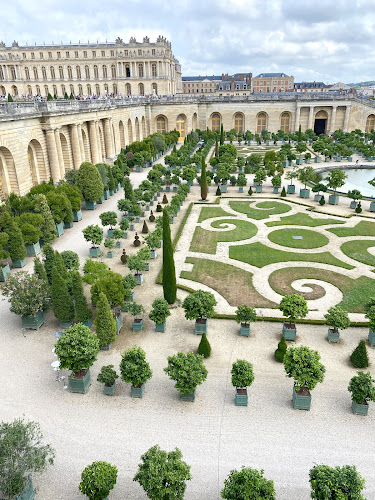
The Gardens of Versailles are nothing short of a sprawling masterpiece that somehow manages to blend grandiosity with a surprisingly peaceful vibe. Imagine stepping into a 17th-century world where every corner is meticulously designed to impress, yet still invites you to wander at your own pace. These gardens stretch out over hundreds of acres, boasting everything from perfectly trimmed orange trees to vast canals that reflect the sky like giant mirrors. It’s not just a garden—it’s a living work of art, packed with statues and fountains that tell stories of French royalty and mythological legends.
Now, don’t get me wrong, this place can feel a bit overwhelming at first. The sheer size alone means you’ll want to lace up your walking shoes and prepare for a bit of a trek. But hey, if you’re anything like me, that’s part of the charm. There’s something about wandering through the manicured paths, discovering hidden groves, or pausing by a fountain with water dancing in the sunlight that makes you forget the crowds and just soak in the atmosphere.
What’s cool is that the gardens aren’t just about looking pretty—they’re designed with a purpose, showcasing the power and taste of Louis XIV, the Sun King. The layout itself is a lesson in French formal garden design, with geometric patterns that extend as far as the eye can see. And those fountains? Oh boy, they’re not just water features. They’re engineering marvels from the 1600s, still pumping and spraying with a kind of regal elegance that’s hard to find anywhere else.
For families, the gardens offer more than just eye candy. There are kid-friendly hikes and plenty of spots perfect for picnics, so you’re not just rushing through. I remember sitting on the grass near the Grand Canal, watching families and couples alike enjoy the sunshine and the gentle sounds of water. It’s a great spot to take a breather and maybe even reflect on how people centuries ago dreamed up this entire spectacle.
Accessibility is another thing worth mentioning. Versailles has made efforts to welcome everyone, including wheelchair users, with accessible entrances and parking. This isn’t always the case with historic sites, so it’s a nice touch that makes the gardens feel a bit more inclusive.
Overall, the Gardens of Versailles are a mix of history, art, and nature that somehow manages to feel both grand and intimate. Sure, it’s a tourist hotspot, but with a little patience and curiosity, you’ll find your own quiet corners and moments of awe. Just remember to bring a camera, comfortable shoes, and maybe a bit of patience for the crowds—you won’t regret it.
Key Features
- Expansive 17th-century French formal gardens with intricate geometric designs
- Hundreds of statues depicting mythological and historical figures
- Ornamental orange tree groves offering fragrant, shady spots
- Grand canals and water features, including some of the oldest working fountains in Europe
- Picnic-friendly lawns perfect for a relaxed afternoon
- Kid-friendly hiking trails and open spaces for family fun
- Wheelchair accessible entrances and parking areas
- Onsite amenities including public restrooms and credit card payment options
- Regularly maintained walking paths suitable for long strolls or casual exploration
- Seasonal fountain shows and garden events that add a lively dimension to the visit
Best Time to Visit
Picking the right time to explore the Gardens of Versailles can seriously change your experience. Spring and early summer—think April through June—are absolute winners. The gardens burst into bloom, the orange trees are fragrant, and the fountains are usually running full tilt. Plus, the weather tends to be mild, not too hot, which makes wandering the vast grounds more enjoyable.
Late summer and early fall (September to October) are also pretty great. The crowds thin out a bit from the peak tourist season, and the light takes on this golden hue that makes the gardens look even more magical. Just a heads up, some fountains might be turned off during the colder months, so if you’re a fountain fan like me, definitely check the schedule before you go.
Winter visits can be a mixed bag. The gardens have a stark beauty in the off-season, but many of the fountains are inactive, and the orange trees lose their leaves. Still, if you’re after a quieter, more reflective experience and don’t mind bundling up, it’s worth considering.
Oh, and weekends tend to be busier, especially in the high season. If you can swing a weekday visit, you’ll probably have a more peaceful time. Early mornings are a sweet spot too, when the light is soft and the crowds haven’t yet arrived in full force.
How to Get There
Getting to the Gardens of Versailles is pretty straightforward, but depending on where you’re coming from, you might want to plan a bit. If you’re staying in Paris, the easiest way is by train. The RER C line will drop you off at Versailles Château Rive Gauche station, which is about a 10-minute walk to the gardens. It’s a popular route, so expect it to be busy during rush hour, but it’s efficient and budget-friendly.
If you’re feeling fancy or want to save time, taxis and ride-share services are available, though they can get pricey given the distance. Driving is an option too, with parking available near the entrance, including spots for wheelchair users. Just be prepared for potential traffic jams, especially during peak tourist seasons.
Once you’re there, the gardens are best explored on foot. There are bike rentals nearby if you want to cover more ground faster, but honestly, walking lets you soak in all the little details that make this place so special.
Tips for Visiting
Alright, here’s where I get a little personal. If you want to make the most of your visit, a bit of planning and a few insider tips go a long way.
- Wear comfy shoes. Trust me, those cobblestones and gravel paths are no joke. You’ll thank yourself after a few hours of walking.
- Bring a picnic. There are plenty of grassy spots perfect for chilling out and munching on some snacks. It’s a great way to soak up the atmosphere without feeling rushed.
- Check the fountain schedule. The Grandes Eaux Musicales (Musical Fountain Shows) are a real treat if you time it right. They usually happen on weekends and certain holidays, so plan accordingly.
- Don’t just stick to the main paths. Some of the best spots are tucked away in the groves or along less-trodden trails. You might stumble upon a quiet bench or a hidden statue that most visitors miss.
- Bring water and sunscreen. There’s not a ton of shade in some areas, and it can get hot, especially in summer.
- Arrive early or late in the day. To avoid the biggest crowds and catch the gardens in that beautiful, soft light.
- Use the accessible entrances if needed. They’re well marked, and the staff are helpful if you ask.
- Don’t rush. The gardens are meant to be savored. Take your time, breathe it all in, and maybe even bring a sketchbook or journal if you’re feeling artsy.
Visiting the Gardens of Versailles isn’t just about seeing a famous tourist spot—it’s about stepping into a slice of history that still feels alive. So go ahead, get a little lost among the fountains and orange trees, and let the place work its magic on you.
Key Features
- Expansive 17th-century French formal gardens with intricate geometric designs
- Hundreds of statues depicting mythological and historical figures
- Ornamental orange tree groves offering fragrant, shady spots
- Grand canals and water features, including some of the oldest working fountains in Europe
- Picnic-friendly lawns perfect for a relaxed afternoon
- Kid-friendly hiking trails and open spaces for family fun
- Wheelchair accessible entrances and parking areas
- Onsite amenities including public restrooms and credit card payment options
More Details
Updated July 14, 2025
Table of Contents
Description
The Gardens of Versailles are nothing short of a sprawling masterpiece that somehow manages to blend grandiosity with a surprisingly peaceful vibe. Imagine stepping into a 17th-century world where every corner is meticulously designed to impress, yet still invites you to wander at your own pace. These gardens stretch out over hundreds of acres, boasting everything from perfectly trimmed orange trees to vast canals that reflect the sky like giant mirrors. It’s not just a garden—it’s a living work of art, packed with statues and fountains that tell stories of French royalty and mythological legends.
Now, don’t get me wrong, this place can feel a bit overwhelming at first. The sheer size alone means you’ll want to lace up your walking shoes and prepare for a bit of a trek. But hey, if you’re anything like me, that’s part of the charm. There’s something about wandering through the manicured paths, discovering hidden groves, or pausing by a fountain with water dancing in the sunlight that makes you forget the crowds and just soak in the atmosphere.
What’s cool is that the gardens aren’t just about looking pretty—they’re designed with a purpose, showcasing the power and taste of Louis XIV, the Sun King. The layout itself is a lesson in French formal garden design, with geometric patterns that extend as far as the eye can see. And those fountains? Oh boy, they’re not just water features. They’re engineering marvels from the 1600s, still pumping and spraying with a kind of regal elegance that’s hard to find anywhere else.
For families, the gardens offer more than just eye candy. There are kid-friendly hikes and plenty of spots perfect for picnics, so you’re not just rushing through. I remember sitting on the grass near the Grand Canal, watching families and couples alike enjoy the sunshine and the gentle sounds of water. It’s a great spot to take a breather and maybe even reflect on how people centuries ago dreamed up this entire spectacle.
Accessibility is another thing worth mentioning. Versailles has made efforts to welcome everyone, including wheelchair users, with accessible entrances and parking. This isn’t always the case with historic sites, so it’s a nice touch that makes the gardens feel a bit more inclusive.
Overall, the Gardens of Versailles are a mix of history, art, and nature that somehow manages to feel both grand and intimate. Sure, it’s a tourist hotspot, but with a little patience and curiosity, you’ll find your own quiet corners and moments of awe. Just remember to bring a camera, comfortable shoes, and maybe a bit of patience for the crowds—you won’t regret it.
Key Features
- Expansive 17th-century French formal gardens with intricate geometric designs
- Hundreds of statues depicting mythological and historical figures
- Ornamental orange tree groves offering fragrant, shady spots
- Grand canals and water features, including some of the oldest working fountains in Europe
- Picnic-friendly lawns perfect for a relaxed afternoon
- Kid-friendly hiking trails and open spaces for family fun
- Wheelchair accessible entrances and parking areas
- Onsite amenities including public restrooms and credit card payment options
- Regularly maintained walking paths suitable for long strolls or casual exploration
- Seasonal fountain shows and garden events that add a lively dimension to the visit
Best Time to Visit
Picking the right time to explore the Gardens of Versailles can seriously change your experience. Spring and early summer—think April through June—are absolute winners. The gardens burst into bloom, the orange trees are fragrant, and the fountains are usually running full tilt. Plus, the weather tends to be mild, not too hot, which makes wandering the vast grounds more enjoyable.
Late summer and early fall (September to October) are also pretty great. The crowds thin out a bit from the peak tourist season, and the light takes on this golden hue that makes the gardens look even more magical. Just a heads up, some fountains might be turned off during the colder months, so if you’re a fountain fan like me, definitely check the schedule before you go.
Winter visits can be a mixed bag. The gardens have a stark beauty in the off-season, but many of the fountains are inactive, and the orange trees lose their leaves. Still, if you’re after a quieter, more reflective experience and don’t mind bundling up, it’s worth considering.
Oh, and weekends tend to be busier, especially in the high season. If you can swing a weekday visit, you’ll probably have a more peaceful time. Early mornings are a sweet spot too, when the light is soft and the crowds haven’t yet arrived in full force.
How to Get There
Getting to the Gardens of Versailles is pretty straightforward, but depending on where you’re coming from, you might want to plan a bit. If you’re staying in Paris, the easiest way is by train. The RER C line will drop you off at Versailles Château Rive Gauche station, which is about a 10-minute walk to the gardens. It’s a popular route, so expect it to be busy during rush hour, but it’s efficient and budget-friendly.
If you’re feeling fancy or want to save time, taxis and ride-share services are available, though they can get pricey given the distance. Driving is an option too, with parking available near the entrance, including spots for wheelchair users. Just be prepared for potential traffic jams, especially during peak tourist seasons.
Once you’re there, the gardens are best explored on foot. There are bike rentals nearby if you want to cover more ground faster, but honestly, walking lets you soak in all the little details that make this place so special.
Tips for Visiting
Alright, here’s where I get a little personal. If you want to make the most of your visit, a bit of planning and a few insider tips go a long way.
- Wear comfy shoes. Trust me, those cobblestones and gravel paths are no joke. You’ll thank yourself after a few hours of walking.
- Bring a picnic. There are plenty of grassy spots perfect for chilling out and munching on some snacks. It’s a great way to soak up the atmosphere without feeling rushed.
- Check the fountain schedule. The Grandes Eaux Musicales (Musical Fountain Shows) are a real treat if you time it right. They usually happen on weekends and certain holidays, so plan accordingly.
- Don’t just stick to the main paths. Some of the best spots are tucked away in the groves or along less-trodden trails. You might stumble upon a quiet bench or a hidden statue that most visitors miss.
- Bring water and sunscreen. There’s not a ton of shade in some areas, and it can get hot, especially in summer.
- Arrive early or late in the day. To avoid the biggest crowds and catch the gardens in that beautiful, soft light.
- Use the accessible entrances if needed. They’re well marked, and the staff are helpful if you ask.
- Don’t rush. The gardens are meant to be savored. Take your time, breathe it all in, and maybe even bring a sketchbook or journal if you’re feeling artsy.
Visiting the Gardens of Versailles isn’t just about seeing a famous tourist spot—it’s about stepping into a slice of history that still feels alive. So go ahead, get a little lost among the fountains and orange trees, and let the place work its magic on you.

Key Highlights
- Expansive 17th-century French formal gardens with intricate geometric designs
- Hundreds of statues depicting mythological and historical figures
- Ornamental orange tree groves offering fragrant, shady spots
- Grand canals and water features, including some of the oldest working fountains in Europe
- Picnic-friendly lawns perfect for a relaxed afternoon
- Kid-friendly hiking trails and open spaces for family fun
- Wheelchair accessible entrances and parking areas
- Onsite amenities including public restrooms and credit card payment options
Location
Places to Stay Near Gardens of Versailles
Find and Book a Tour
Explore More Travel Guides
No reviews found! Be the first to review!
Traveler Reviews for Gardens of Versailles
There are no reviews yet. Be the first one to write one.
Have you visited Gardens of Versailles? Help other travelers by sharing your review.
Find Accommodations Nearby
Recommended Tours & Activities
Visitor Reviews
There are no reviews yet. Be the first one to write one.
Share Your Experience
Have you visited Gardens of Versailles? Help other travelers by leaving a review.