
Musashi Ichinomiya Hikawa Jinja
About Musashi Ichinomiya Hikawa Jinja
Description
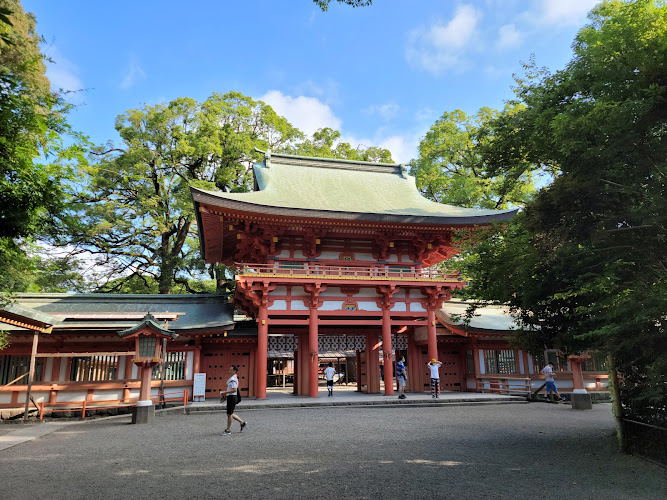
Musashi Ichinomiya Hikawa Jinja is the kind of place that quietly takes your breath away before you even realize it. Set in the heart of Omiya, this ancient Shinto shrine—founded way back in 473 BCE—has seen more history than most countries. It’s one of those rare places where time feels slower, the air somehow heavier with meaning. And yet, despite its age, the shrine feels alive, humming softly with the footsteps of visitors, rustling leaves, and the faint sound of water trickling through its sacred grounds.
I remember my first visit there. It was early spring, the kind of morning when the air still carries a chill but the cherry blossoms are already daring to open. The approach to the shrine is lined with towering trees that seem to whisper stories from centuries ago. You walk beneath them, feeling small but in a good way—like you’re part of something much bigger. The shrine itself stands quietly at the end of a long path, its crimson torii gates creating a rhythm that leads you deeper into its world.
What strikes most people is how peaceful it feels, even though it’s located in a fairly busy area of Saitama. Families come for blessings, couples visit for good fortune, and travelers like me just wander, soaking in the calm. The shrine grounds are surprisingly large, with a small zoo and a museum tucked nearby, giving you plenty to explore beyond the main hall. It’s not just a religious site—it’s a living, breathing piece of Japanese culture that still plays an active role in local life.
The atmosphere changes with the seasons. In spring, cherry blossoms blanket the park in pale pink clouds. Summer brings festivals and the sound of taiko drums echoing through the trees. Autumn paints everything in gold and crimson, while winter has this quiet dignity, the kind that makes you want to wrap your scarf tighter and just listen to the wind. It’s not perfect—sometimes it gets crowded, and the nearby traffic can break the spell—but somehow, the shrine always finds a way to pull you back into its rhythm.
Key Features
- Ancient Heritage: Established over 2,400 years ago, making it one of Japan’s oldest and most historically significant Shinto shrines.
- Expansive Grounds: Surrounded by lush greenery, cherry trees, and serene walking paths that create a tranquil escape from city life.
- Cultural Attractions: Includes a small zoo and museum within the park, offering a blend of nature, history, and local culture.
- Festivals and Rituals: Hosts vibrant seasonal events such as New Year celebrations, summer festivals, and traditional weddings.
- Accessibility: Wheelchair-accessible entrances, restrooms, and parking make it welcoming for all visitors.
- Spiritual Experience: Visitors can participate in purification rituals, purchase omamori charms, or simply take in the sacred atmosphere.
- Photogenic Spots: From the red torii gates to the reflection of the shrine in the pond, it’s a photographer’s dream—especially during cherry blossom season.
Best Time to Visit
If you ask me, the best time to visit Musashi Ichinomiya Hikawa Jinja depends on what kind of experience you want. Spring is the obvious favorite—those cherry blossoms are absolutely stunning, and the whole park feels like a living postcard. But if you’re not a fan of crowds, early mornings in late autumn are magical. The air is crisp, the leaves are fiery, and you can actually hear the sound of your own footsteps on the gravel paths.
Summer brings energy and color thanks to the festivals, though it can get hot and humid. Still, there’s something special about joining the locals, watching the lanterns glow at dusk, and hearing the drums echo through the trees. Winter, on the other hand, is peaceful and contemplative. The shrine dusted in snow feels almost otherworldly, and you might even have parts of it to yourself if you go on a weekday. Honestly, there’s no bad time to visit—each season has its own charm, and the shrine wears them all beautifully.
How to Get There
Getting to Musashi Ichinomiya Hikawa Jinja is surprisingly simple, which is great if you’re traveling around the Tokyo area. The shrine is just a short walk from Omiya Station—one of the main transport hubs in Saitama. From Tokyo, you can hop on the JR Keihin-Tohoku Line, Takasaki Line, or Shonan-Shinjuku Line, and you’ll be there in about half an hour. Once you exit the station, follow the signs toward Hikawa-dori, a charming tree-lined avenue that leads straight to the shrine’s entrance.
If you’re driving, there’s on-site parking available, though it can fill up quickly during weekends and festivals. Public buses also stop nearby, but honestly, the walk from the station is part of the experience. The approach is long, shaded, and full of small local shops selling sweets, charms, and souvenirs—it sets the mood before you even reach the main gate.
Tips for Visiting
A few things I’ve learned from my visits (and a few mistakes along the way): first, go early. The morning light filtering through the trees is beautiful, and you’ll avoid the crowds that start to build later in the day. If you’re visiting during cherry blossom season or New Year, plan ahead—those are the busiest times, and the shrine can get packed. Bring cash if you want to buy omamori or make offerings, as smaller shrines and stands often don’t take cards.
Wear comfortable shoes; the paths are long and mostly gravel. And take your time—don’t rush through just to snap photos. The beauty of this place is in the details: the sound of the wind chime hanging from the eaves, the gentle sway of the trees, the quiet prayers whispered at the main hall. If you’re lucky, you might catch a wedding procession or a festival dance—both are unforgettable glimpses into Japanese tradition.
For those traveling with family, the nearby zoo is a fun stop, especially if you have kids. The museum, though small, offers a nice peek into local history and Shinto culture. And if you’re into photography, come during the golden hour—trust me, the light through the torii gates is something else.
One last thing: be respectful. This isn’t just a tourist spot—it’s a sacred place where people come to pray and reflect. Follow the customs, bow at the torii gate, and cleanse your hands at the chozuya before entering. It’s small gestures like these that make the experience feel more meaningful.
Musashi Ichinomiya Hikawa Jinja isn’t just a stop on a travel itinerary; it’s a reminder of how deeply Japan’s history and spirituality are woven into everyday life. Whether you’re there for the culture, the peace, or just a quiet moment under the cherry trees, it’s a place that stays with you long after you’ve left.
Key Features
- Key Features
- Best Time to Visit
- How to Get There
- Tips for Visiting
More Details
Updated December 1, 2025
Table of Contents
Description
Musashi Ichinomiya Hikawa Jinja is the kind of place that quietly takes your breath away before you even realize it. Set in the heart of Omiya, this ancient Shinto shrine—founded way back in 473 BCE—has seen more history than most countries. It’s one of those rare places where time feels slower, the air somehow heavier with meaning. And yet, despite its age, the shrine feels alive, humming softly with the footsteps of visitors, rustling leaves, and the faint sound of water trickling through its sacred grounds.
I remember my first visit there. It was early spring, the kind of morning when the air still carries a chill but the cherry blossoms are already daring to open. The approach to the shrine is lined with towering trees that seem to whisper stories from centuries ago. You walk beneath them, feeling small but in a good way—like you’re part of something much bigger. The shrine itself stands quietly at the end of a long path, its crimson torii gates creating a rhythm that leads you deeper into its world.
What strikes most people is how peaceful it feels, even though it’s located in a fairly busy area of Saitama. Families come for blessings, couples visit for good fortune, and travelers like me just wander, soaking in the calm. The shrine grounds are surprisingly large, with a small zoo and a museum tucked nearby, giving you plenty to explore beyond the main hall. It’s not just a religious site—it’s a living, breathing piece of Japanese culture that still plays an active role in local life.
The atmosphere changes with the seasons. In spring, cherry blossoms blanket the park in pale pink clouds. Summer brings festivals and the sound of taiko drums echoing through the trees. Autumn paints everything in gold and crimson, while winter has this quiet dignity, the kind that makes you want to wrap your scarf tighter and just listen to the wind. It’s not perfect—sometimes it gets crowded, and the nearby traffic can break the spell—but somehow, the shrine always finds a way to pull you back into its rhythm.
Key Features
- Ancient Heritage: Established over 2,400 years ago, making it one of Japan’s oldest and most historically significant Shinto shrines.
- Expansive Grounds: Surrounded by lush greenery, cherry trees, and serene walking paths that create a tranquil escape from city life.
- Cultural Attractions: Includes a small zoo and museum within the park, offering a blend of nature, history, and local culture.
- Festivals and Rituals: Hosts vibrant seasonal events such as New Year celebrations, summer festivals, and traditional weddings.
- Accessibility: Wheelchair-accessible entrances, restrooms, and parking make it welcoming for all visitors.
- Spiritual Experience: Visitors can participate in purification rituals, purchase omamori charms, or simply take in the sacred atmosphere.
- Photogenic Spots: From the red torii gates to the reflection of the shrine in the pond, it’s a photographer’s dream—especially during cherry blossom season.
Best Time to Visit
If you ask me, the best time to visit Musashi Ichinomiya Hikawa Jinja depends on what kind of experience you want. Spring is the obvious favorite—those cherry blossoms are absolutely stunning, and the whole park feels like a living postcard. But if you’re not a fan of crowds, early mornings in late autumn are magical. The air is crisp, the leaves are fiery, and you can actually hear the sound of your own footsteps on the gravel paths.
Summer brings energy and color thanks to the festivals, though it can get hot and humid. Still, there’s something special about joining the locals, watching the lanterns glow at dusk, and hearing the drums echo through the trees. Winter, on the other hand, is peaceful and contemplative. The shrine dusted in snow feels almost otherworldly, and you might even have parts of it to yourself if you go on a weekday. Honestly, there’s no bad time to visit—each season has its own charm, and the shrine wears them all beautifully.
How to Get There
Getting to Musashi Ichinomiya Hikawa Jinja is surprisingly simple, which is great if you’re traveling around the Tokyo area. The shrine is just a short walk from Omiya Station—one of the main transport hubs in Saitama. From Tokyo, you can hop on the JR Keihin-Tohoku Line, Takasaki Line, or Shonan-Shinjuku Line, and you’ll be there in about half an hour. Once you exit the station, follow the signs toward Hikawa-dori, a charming tree-lined avenue that leads straight to the shrine’s entrance.
If you’re driving, there’s on-site parking available, though it can fill up quickly during weekends and festivals. Public buses also stop nearby, but honestly, the walk from the station is part of the experience. The approach is long, shaded, and full of small local shops selling sweets, charms, and souvenirs—it sets the mood before you even reach the main gate.
Tips for Visiting
A few things I’ve learned from my visits (and a few mistakes along the way): first, go early. The morning light filtering through the trees is beautiful, and you’ll avoid the crowds that start to build later in the day. If you’re visiting during cherry blossom season or New Year, plan ahead—those are the busiest times, and the shrine can get packed. Bring cash if you want to buy omamori or make offerings, as smaller shrines and stands often don’t take cards.
Wear comfortable shoes; the paths are long and mostly gravel. And take your time—don’t rush through just to snap photos. The beauty of this place is in the details: the sound of the wind chime hanging from the eaves, the gentle sway of the trees, the quiet prayers whispered at the main hall. If you’re lucky, you might catch a wedding procession or a festival dance—both are unforgettable glimpses into Japanese tradition.
For those traveling with family, the nearby zoo is a fun stop, especially if you have kids. The museum, though small, offers a nice peek into local history and Shinto culture. And if you’re into photography, come during the golden hour—trust me, the light through the torii gates is something else.
One last thing: be respectful. This isn’t just a tourist spot—it’s a sacred place where people come to pray and reflect. Follow the customs, bow at the torii gate, and cleanse your hands at the chozuya before entering. It’s small gestures like these that make the experience feel more meaningful.
Musashi Ichinomiya Hikawa Jinja isn’t just a stop on a travel itinerary; it’s a reminder of how deeply Japan’s history and spirituality are woven into everyday life. Whether you’re there for the culture, the peace, or just a quiet moment under the cherry trees, it’s a place that stays with you long after you’ve left.
Key Highlights
- Key Features
- Best Time to Visit
- How to Get There
- Tips for Visiting
Location
Places to Stay Near Musashi Ichinomiya Hikawa Jinja
Find and Book a Tour
Explore More Travel Guides
No reviews found! Be the first to review!
Traveler Reviews for Musashi Ichinomiya Hikawa Jinja
There are no reviews yet. Be the first one to write one.
Have you visited Musashi Ichinomiya Hikawa Jinja? Help other travelers by sharing your review.
You Might Also Like
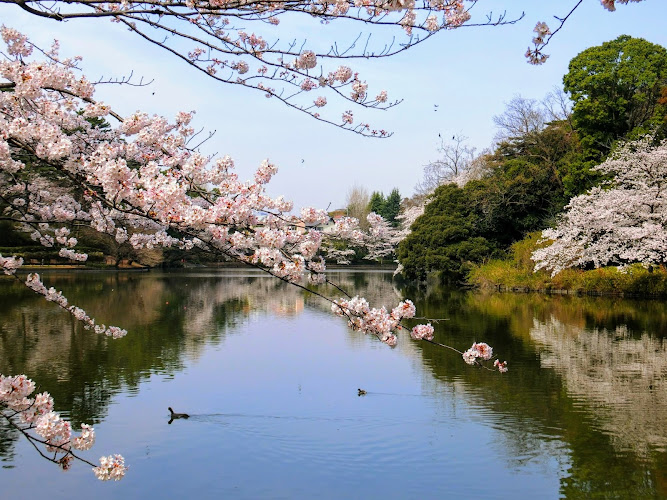
Omiya Park Zoo
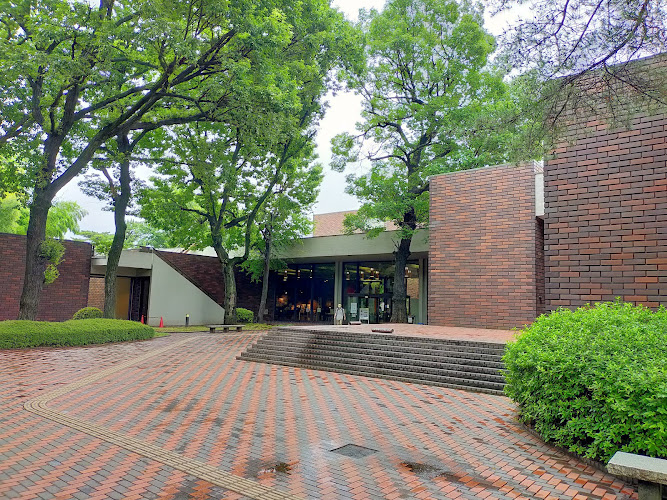
Saitama Prefectural Museum of History and Folklore
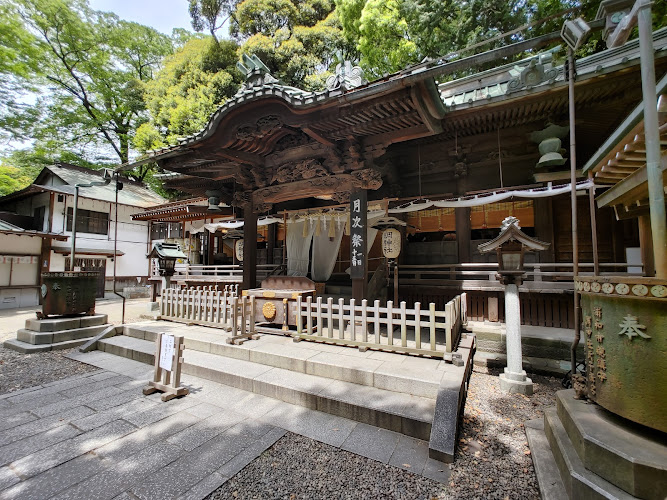
Tsukinomiya Park
Find Accommodations Nearby
Recommended Tours & Activities
Visitor Reviews
There are no reviews yet. Be the first one to write one.
Share Your Experience
Have you visited Musashi Ichinomiya Hikawa Jinja? Help other travelers by leaving a review.