
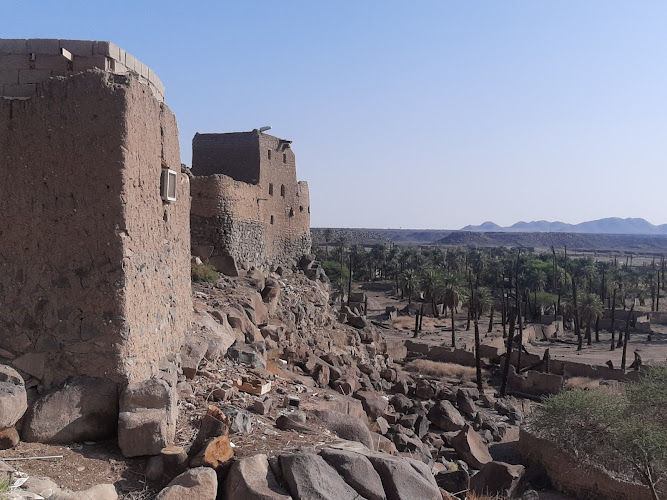
Hail Province
About Hail Province
Description
Hail Province sits up in north-central Saudi Arabia, part of the Najd region, and it feels different the moment you arrive. Not flashy, not trying to impress you at every turn, but quietly confident. The land here has a long memory. You feel it in the rocky plains, in the wind that moves between the Aja and Salma mountains, and in the stories people still tell over coffee. This is the home of Hatim al‑Tai, a legendary figure known across the Arab world for generosity, and honestly, that spirit still lingers. I’ve lost count of how many times someone insisted I eat more, drink more, sit longer. Saying no politely is a learned skill in Hail.
The province is anchored by Hail City, a surprisingly relaxed urban center with palm-lined streets, traditional markets, and a pace that feels refreshingly unhurried. But step outside the city and the landscape opens up fast. There are ancient rock carvings older than many civilizations, wide desert plains that glow red at sunset, and mountains that look tough and worn, like they’ve seen things. And they have. Hail Province has been a crossroads for travelers, traders, and pilgrims for centuries.
What struck me most, though, was how under-the-radar it still is. You don’t see tour buses clogging viewpoints. You don’t feel rushed. Instead, you’re invited to slow down, to listen, and to actually see where you are. If you like places that don’t spoon-feed experiences, Hail Province might quietly steal your heart.
Key Features
- The Aja and Salma mountain ranges, framing Hail City and offering dramatic views, hiking routes, and cool breezes
- Jubbah rock art site, featuring thousands of ancient petroglyphs carved into sandstone cliffs, some over 10,000 years old
- A strong cultural identity tied to Bedouin traditions, poetry, and legendary hospitality
- Traditional souqs where dates, spices, and handmade goods are still sold the old-fashioned way
- Historic forts like A’arif Fort, giving panoramic views over Hail City and the surrounding plains
- Desert landscapes that feel raw and untouched, perfect for photography and stargazing
- A food scene focused on hearty Najdi dishes, especially rice, lamb, and local bread baked fresh
Best Time to Visit
If there’s one thing to plan carefully, it’s the timing. Hail Province can get hot. Like, rethink-your-life-choices hot. Summers stretch from June to September, and temperatures regularly climb above 40°C. You can still visit, sure, but you’ll spend most of your time indoors or out after dark. And even then, the heat hangs on.
The sweet spot is between October and March. Winter here is actually pleasant, sometimes even chilly at night, especially near the mountains. Daytime temperatures often hover between 15°C and 25°C, which is ideal for exploring forts, wandering souqs, or heading out to see rock art without melting. I visited in late November and remember needing a light jacket after sunset, which felt almost surreal for Saudi Arabia.
Spring, especially March, can be lovely too, but watch out for sudden sandstorms. They roll in fast and turn the sky orange. It’s dramatic, not dangerous if you’re prepared, but it can disrupt plans. Still, there’s something kind of magical about watching the desert change moods.
How to Get There
Getting to Hail Province is easier than most people expect. Hail International Airport connects the region with major Saudi cities like Riyadh and Jeddah through regular domestic flights. The airport itself is small and efficient. No chaos, no endless walking. I appreciate that more than I probably should.
If you’re driving, Hail sits at a strategic point connecting northern and central Saudi Arabia. Highways are well-maintained, signage is clear, and road trips here are underrated. Long stretches of open road, occasional camels (yes, really), and changing desert colors make the journey part of the experience. From Riyadh, expect around a six to seven-hour drive, depending on stops and how heavy your foot is.
Once you’re in the province, having a car is almost essential. Public transport is limited, and many of the most interesting spots, like Jubbah or mountain viewpoints, are spread out. Renting a car gives you freedom, and freedom matters here.
Tips for Visiting
First, give yourself time. Hail Province isn’t a place you rush through in a day. Spend at least three or four days if you can. Let mornings be slow. Sit with coffee. Talk to people. That’s where the magic creeps in.
Dress modestly and comfortably. Even though Saudi Arabia has relaxed dress codes for travelers, especially in cities, Hail leans more traditional. Loose clothing helps with the heat and shows respect. And good shoes are non-negotiable. You’ll want them for forts, rocky paths, and uneven desert ground.
Food-wise, don’t stick only to hotel restaurants. Local eateries may look simple, but that’s where you’ll find the best kabsa, jareesh, and fresh bread. I once followed a taxi driver’s recommendation and ended up in a tiny place with plastic chairs and the most unforgettable lamb I’ve ever had. Trust locals. Usually they know.
If you’re visiting historical or archaeological sites, especially rock art areas, resist the urge to touch or climb. Preservation is taken seriously, and rightly so. These carvings have survived thousands of years. They don’t need our fingerprints.
Language can be a small barrier, but not a wall. Arabic is the primary language, though many younger people understand basic English. A few Arabic phrases go a long way. Even a simple salam alaykum opens doors. Literally sometimes.
And here’s a personal one: say yes when you’re invited. Tea, coffee, a quick visit, a shared meal. These moments often become the highlight of a trip. I still remember sitting on a rug with strangers who felt like family within minutes. That’s Hail for you.
Lastly, manage expectations. This isn’t a polished resort destination. Some places feel rough around the edges. Services can be slow. Signs might be confusing. But if you come with curiosity instead of a checklist, Hail Province rewards you with something deeper. A sense of place. A feeling that you’ve stepped into a story still being written.
And honestly, that’s what travel should feel like more often.
Key Features
- The Aja and Salma mountain ranges, framing Hail City and offering dramatic views, hiking routes, and cool breezes
- Jubbah rock art site, featuring thousands of ancient petroglyphs carved into sandstone cliffs, some over 10,000 years old
- A strong cultural identity tied to Bedouin traditions, poetry, and legendary hospitality
- Traditional souqs where dates, spices, and handmade goods are still sold the old-fashioned way
- Historic forts like A’arif Fort, giving panoramic views over Hail City and the surrounding plains
- Desert landscapes that feel raw and untouched, perfect for photography and stargazing
- A food scene focused on hearty Najdi dishes, especially rice, lamb, and local bread baked fresh
More Details
Updated December 31, 2025
Table of Contents
Description
Hail Province sits up in north-central Saudi Arabia, part of the Najd region, and it feels different the moment you arrive. Not flashy, not trying to impress you at every turn, but quietly confident. The land here has a long memory. You feel it in the rocky plains, in the wind that moves between the Aja and Salma mountains, and in the stories people still tell over coffee. This is the home of Hatim al‑Tai, a legendary figure known across the Arab world for generosity, and honestly, that spirit still lingers. I’ve lost count of how many times someone insisted I eat more, drink more, sit longer. Saying no politely is a learned skill in Hail.
The province is anchored by Hail City, a surprisingly relaxed urban center with palm-lined streets, traditional markets, and a pace that feels refreshingly unhurried. But step outside the city and the landscape opens up fast. There are ancient rock carvings older than many civilizations, wide desert plains that glow red at sunset, and mountains that look tough and worn, like they’ve seen things. And they have. Hail Province has been a crossroads for travelers, traders, and pilgrims for centuries.
What struck me most, though, was how under-the-radar it still is. You don’t see tour buses clogging viewpoints. You don’t feel rushed. Instead, you’re invited to slow down, to listen, and to actually see where you are. If you like places that don’t spoon-feed experiences, Hail Province might quietly steal your heart.
Key Features
- The Aja and Salma mountain ranges, framing Hail City and offering dramatic views, hiking routes, and cool breezes
- Jubbah rock art site, featuring thousands of ancient petroglyphs carved into sandstone cliffs, some over 10,000 years old
- A strong cultural identity tied to Bedouin traditions, poetry, and legendary hospitality
- Traditional souqs where dates, spices, and handmade goods are still sold the old-fashioned way
- Historic forts like A’arif Fort, giving panoramic views over Hail City and the surrounding plains
- Desert landscapes that feel raw and untouched, perfect for photography and stargazing
- A food scene focused on hearty Najdi dishes, especially rice, lamb, and local bread baked fresh
Best Time to Visit
If there’s one thing to plan carefully, it’s the timing. Hail Province can get hot. Like, rethink-your-life-choices hot. Summers stretch from June to September, and temperatures regularly climb above 40°C. You can still visit, sure, but you’ll spend most of your time indoors or out after dark. And even then, the heat hangs on.
The sweet spot is between October and March. Winter here is actually pleasant, sometimes even chilly at night, especially near the mountains. Daytime temperatures often hover between 15°C and 25°C, which is ideal for exploring forts, wandering souqs, or heading out to see rock art without melting. I visited in late November and remember needing a light jacket after sunset, which felt almost surreal for Saudi Arabia.
Spring, especially March, can be lovely too, but watch out for sudden sandstorms. They roll in fast and turn the sky orange. It’s dramatic, not dangerous if you’re prepared, but it can disrupt plans. Still, there’s something kind of magical about watching the desert change moods.
How to Get There
Getting to Hail Province is easier than most people expect. Hail International Airport connects the region with major Saudi cities like Riyadh and Jeddah through regular domestic flights. The airport itself is small and efficient. No chaos, no endless walking. I appreciate that more than I probably should.
If you’re driving, Hail sits at a strategic point connecting northern and central Saudi Arabia. Highways are well-maintained, signage is clear, and road trips here are underrated. Long stretches of open road, occasional camels (yes, really), and changing desert colors make the journey part of the experience. From Riyadh, expect around a six to seven-hour drive, depending on stops and how heavy your foot is.
Once you’re in the province, having a car is almost essential. Public transport is limited, and many of the most interesting spots, like Jubbah or mountain viewpoints, are spread out. Renting a car gives you freedom, and freedom matters here.
Tips for Visiting
First, give yourself time. Hail Province isn’t a place you rush through in a day. Spend at least three or four days if you can. Let mornings be slow. Sit with coffee. Talk to people. That’s where the magic creeps in.
Dress modestly and comfortably. Even though Saudi Arabia has relaxed dress codes for travelers, especially in cities, Hail leans more traditional. Loose clothing helps with the heat and shows respect. And good shoes are non-negotiable. You’ll want them for forts, rocky paths, and uneven desert ground.
Food-wise, don’t stick only to hotel restaurants. Local eateries may look simple, but that’s where you’ll find the best kabsa, jareesh, and fresh bread. I once followed a taxi driver’s recommendation and ended up in a tiny place with plastic chairs and the most unforgettable lamb I’ve ever had. Trust locals. Usually they know.
If you’re visiting historical or archaeological sites, especially rock art areas, resist the urge to touch or climb. Preservation is taken seriously, and rightly so. These carvings have survived thousands of years. They don’t need our fingerprints.
Language can be a small barrier, but not a wall. Arabic is the primary language, though many younger people understand basic English. A few Arabic phrases go a long way. Even a simple salam alaykum opens doors. Literally sometimes.
And here’s a personal one: say yes when you’re invited. Tea, coffee, a quick visit, a shared meal. These moments often become the highlight of a trip. I still remember sitting on a rug with strangers who felt like family within minutes. That’s Hail for you.
Lastly, manage expectations. This isn’t a polished resort destination. Some places feel rough around the edges. Services can be slow. Signs might be confusing. But if you come with curiosity instead of a checklist, Hail Province rewards you with something deeper. A sense of place. A feeling that you’ve stepped into a story still being written.
And honestly, that’s what travel should feel like more often.
Key Highlights
- The Aja and Salma mountain ranges, framing Hail City and offering dramatic views, hiking routes, and cool breezes
- Jubbah rock art site, featuring thousands of ancient petroglyphs carved into sandstone cliffs, some over 10,000 years old
- A strong cultural identity tied to Bedouin traditions, poetry, and legendary hospitality
- Traditional souqs where dates, spices, and handmade goods are still sold the old-fashioned way
- Historic forts like A’arif Fort, giving panoramic views over Hail City and the surrounding plains
- Desert landscapes that feel raw and untouched, perfect for photography and stargazing
- A food scene focused on hearty Najdi dishes, especially rice, lamb, and local bread baked fresh
Location
Places to Stay Near Hail Province
Find and Book a Tour
Explore More Travel Guides
No reviews found! Be the first to review!
Traveler Reviews for Hail Province
There are no reviews yet. Be the first one to write one.
Have you visited Hail Province? Help other travelers by sharing your review.
You Might Also Like
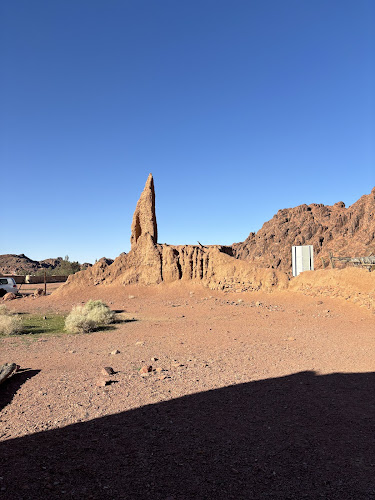
Hatem Al Ta'ai Palace
26581
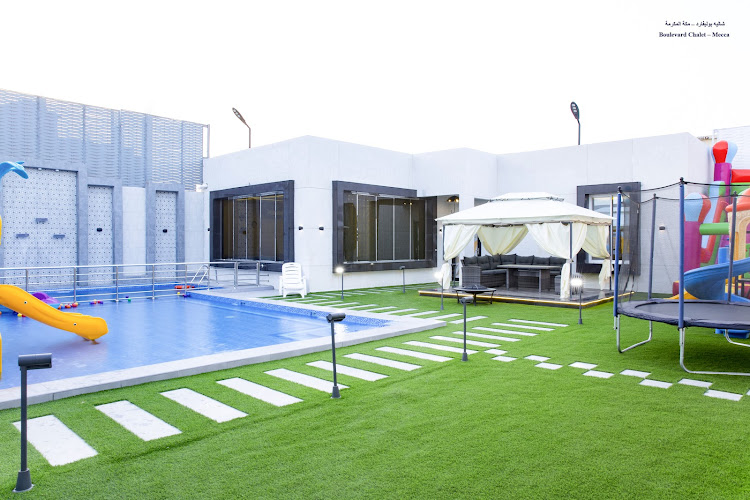
شاليه بوليفارد
Find Accommodations Nearby
Recommended Tours & Activities
Visitor Reviews
There are no reviews yet. Be the first one to write one.
Share Your Experience
Have you visited Hail Province? Help other travelers by leaving a review.