26762
About 26762
Description
The 26762 area represents a slice of West Virginia that most travelers overlook when they're rushing through the Mountain State, and honestly, that's part of its charm. This postal code covers a rural region where the pace slows down considerably from what you're probably used to back home. When you visit this part of West Virginia, you're stepping into an area where the Appalachian landscape really shows off what it can do - rolling hills that seem to go on forever, forests that turn into absolute fire during autumn, and small communities where people actually wave at strangers driving through. I'll be straight with you - this isn't a place where you'll find luxury resorts or theme parks. What you will find is authentic Appalachian culture, the kind that's becoming harder to discover as the years roll by. The terrain here is characterized by those classic West Virginia features: winding country roads that test your transmission, streams that run clear and cold year-round, and enough wildlife that you'll want to keep your camera ready at all times. The communities within this postal code area maintain that small-town atmosphere where local diners serve breakfast all day and the waitress might just know everyone's order before they sit down. It's the type of place where if your car breaks down, somebody's going to stop and help you out. And I mean actually help, not just call someone for you. For travelers seeking an escape from the constant buzz of modern life, the 26762 region delivers that disconnection pretty effectively. Cell service can be spotty in certain areas, which depending on your perspective is either a massive inconvenience or exactly what you needed. The landscape invites exploration through hiking, photography, and just driving around getting pleasantly lost on backroads that might not show up on Google Maps.Key Features
The 26762 area offers visitors a range of distinctive characteristics that define the travel experience:- Genuine Appalachian mountain scenery with elevations that provide sweeping views across multiple ridgelines
- Access to outdoor recreation including hiking trails, fishing spots, and hunting areas that locals have used for generations
- Small-town atmosphere where community gatherings and local events reflect traditional West Virginia culture
- Relatively untouched natural areas where wildlife viewing opportunities are common throughout the year
- Historic sites and structures that tell the story of Appalachian settlement and coal country heritage
- Country stores and local businesses that operate much like they did decades ago
- Seasonal changes that dramatically alter the landscape, particularly during fall foliage season
- Dark sky conditions perfect for stargazing away from urban light pollution
- Proximity to state forests and public lands available for recreational use
- Authentic Appalachian cuisine at family-owned restaurants and roadside establishments
- Lower tourist density compared to more commercialized West Virginia destinations
- Opportunities to engage with local craftspeople and artisans maintaining traditional skills
Best Time to Visit
Timing your visit to the 26762 area really depends on what kind of experience you're after, but I'll give you the honest rundown on each season so you can make an informed decision. Fall absolutely dominates as the most popular time to visit this part of West Virginia. From late September through early November, the hardwood forests put on a show that rivals anywhere in the eastern United States. The temperatures sit comfortably in the 50s and 60s during the day, perfect for hiking without working up too much of a sweat. But here's the thing - if you're planning an October visit, book your accommodations way ahead of time because leaf-peepers from surrounding states flood into West Virginia during peak color season. Spring offers a different kind of beauty that doesn't get nearly enough credit. April and May bring wildflowers, rushing streams swollen from snowmelt, and that fresh green color that only happens when leaves first emerge. The weather can be unpredictable though - I've seen it snow in April and hit 80 degrees the next week. Pack layers and don't put too much faith in the forecast more than three days out. Summer in the 26762 area runs hot and humid, typical for this elevation in West Virginia. Temperatures regularly climb into the 80s and sometimes push 90, with that thick humidity that makes the air feel like you could almost drink it. But if you're planning water-based activities or want to explore the forests where the tree canopy provides natural air conditioning, summer works just fine. Just start your outdoor activities early in the morning before the heat really builds. Winter is the wild card season. Some years bring significant snowfall that makes travel challenging on the hilly terrain, while other winters stay relatively mild. If you're comfortable with potentially difficult driving conditions and you want to see the area in its quietest state, winter visits have their appeal. The lack of leaves reveals topography and distant views that stay hidden during other seasons. Weekdays generally offer a more peaceful experience than weekends, particularly if you're trying to avoid crowds at popular hiking spots or fishing areas. Local events and festivals tend to cluster around summer and fall, so check community calendars if you want to either participate in or avoid those gatherings.How to Get There
Getting to the 26762 area requires some planning since this isn't exactly located off a major interstate highway. The journey itself becomes part of the experience once you accept that you'll be navigating some legitimate country roads. Most visitors arrive by car, and really, that's your best option for this area. The nearest major airports are a considerable drive away - you're looking at Yeager Airport in Charleston, West Virginia, or potentially Pittsburgh International if you're coming from the north. From either airport, plan on a multi-hour drive through increasingly rural terrain. Rental cars make the most sense, and I'd strongly suggest getting something with decent ground clearance if you plan on exploring beyond the main roads. The road network in this area consists primarily of state routes and county roads that wind through the mountains following the path of least resistance. These aren't four-lane highways - you'll be on two-lane roads where passing can be challenging and where you need to watch for everything from farm equipment to deer jumping out of nowhere. GPS works most of the time, but it's not infallible in rural West Virginia. I've had it try to send me down roads that were more suggestion than actual maintained surfaces. If you're driving from the east, you'll likely approach through the mountains on roads that require your full attention. From the west, the terrain gradually transitions from flatter areas into the hills. Either way, give yourself more time than the GPS estimates - those calculations don't always account for the reality of mountain driving where you can't maintain highway speeds. There's no practical public transportation serving this area, so forget about buses or trains getting you here. This is firmly car-dependent territory. Make sure your vehicle is in good condition before you head out. The combination of hills, curves, and remote locations means a breakdown could turn into a real problem. Check your brakes especially - you'll be using them. Fill up your gas tank when you see stations because they're not on every corner like in suburban areas.Tips for Visiting
After you've made it to the 26762 area, these practical insights will help you make the most of your visit without running into the common problems that catch unprepared travelers. First off, cash is still king in many establishments around here. While some places accept cards, don't assume that every country store or small restaurant has a card reader that's working. I've seen visitors get embarrassed at the register when their plastic doesn't work and they have no cash backup. ATMs exist but they're not abundant, so withdraw money before you arrive or at the first opportunity. Cell phone coverage ranges from decent to nonexistent depending on exactly where you are in the area. Download offline maps before you arrive, and if you're planning serious backcountry exploration, consider a paper map as backup. Telling someone your general plans before heading out isn't paranoia - it's common sense when you might be out of contact for hours. The local wildlife deserves your respect. Deer are everywhere and they cause serious vehicle collisions, especially around dawn and dusk. Black bears inhabit these forests and while attacks are rare, you need to store food properly if you're camping and make noise while hiking so you don't surprise one. Snakes, including venomous copperheads, live here too, so watch where you put your hands and feet when you're off-trail. Dress in layers no matter what season you're visiting. Mountain weather changes quickly and that sunny morning can turn into a chilly, rainy afternoon faster than you'd expect. Good boots make a huge difference if you're doing any hiking - the terrain is often rocky and uneven. Respect for private property is huge in rural West Virginia. Just because land isn't fenced or posted doesn't mean it's public. If you want to access something that crosses private land, ask permission. Locals are generally friendly to polite visitors but they take property rights seriously. For food, your options skew toward home-style cooking rather than trendy cuisine. Expect generous portions, meat-heavy menus, and sides like biscuits and gravy that don't pretend to be health food. If you have specific dietary requirements like vegan or gluten-free, plan ahead because options will be limited. The pace of life here runs slower than what you might be used to. Service at restaurants might take longer, stores might close earlier than expected, and things generally happen when they happen rather than on a strict schedule. Fighting against that pace just frustrates everyone involved - you'll have a better experience if you adjust your expectations and slow down yourself. Weather-wise, always check conditions before heading out for the day, but take forecasts with a grain of salt. Mountain weather does its own thing sometimes. If you're planning a hike and thunderstorms roll in, take them seriously - lightning on exposed ridges is legitimately dangerous. Bring entertainment that doesn't require internet connectivity. Books, downloaded movies, offline games - whatever keeps you occupied when you're back at your accommodation and the WiFi is struggling or nonexistent. Finally, engage with locals respectfully and you'll often discover the best spots that never make it into guidebooks. People here generally appreciate visitors who show genuine interest in the area rather than those who treat it as just a backdrop for Instagram photos.Key Features
- Genuine Appalachian mountain scenery with elevations that provide sweeping views across multiple ridgelines
- Access to outdoor recreation including hiking trails, fishing spots, and hunting areas that locals have used for generations
- Small-town atmosphere where community gatherings and local events reflect traditional West Virginia culture
- Relatively untouched natural areas where wildlife viewing opportunities are common throughout the year
- Historic sites and structures that tell the story of Appalachian settlement and coal country heritage
- Country stores and local businesses that operate much like they did decades ago
- Seasonal changes that dramatically alter the landscape, particularly during fall foliage season
- Dark sky conditions perfect for stargazing away from urban light pollution
More Details
Updated March 30, 2026
Table of Contents
Description
The 26762 area represents a slice of West Virginia that most travelers overlook when they’re rushing through the Mountain State, and honestly, that’s part of its charm. This postal code covers a rural region where the pace slows down considerably from what you’re probably used to back home. When you visit this part of West Virginia, you’re stepping into an area where the Appalachian landscape really shows off what it can do – rolling hills that seem to go on forever, forests that turn into absolute fire during autumn, and small communities where people actually wave at strangers driving through.
I’ll be straight with you – this isn’t a place where you’ll find luxury resorts or theme parks. What you will find is authentic Appalachian culture, the kind that’s becoming harder to discover as the years roll by. The terrain here is characterized by those classic West Virginia features: winding country roads that test your transmission, streams that run clear and cold year-round, and enough wildlife that you’ll want to keep your camera ready at all times.
The communities within this postal code area maintain that small-town atmosphere where local diners serve breakfast all day and the waitress might just know everyone’s order before they sit down. It’s the type of place where if your car breaks down, somebody’s going to stop and help you out. And I mean actually help, not just call someone for you.
For travelers seeking an escape from the constant buzz of modern life, the 26762 region delivers that disconnection pretty effectively. Cell service can be spotty in certain areas, which depending on your perspective is either a massive inconvenience or exactly what you needed. The landscape invites exploration through hiking, photography, and just driving around getting pleasantly lost on backroads that might not show up on Google Maps.
Key Features
The 26762 area offers visitors a range of distinctive characteristics that define the travel experience:
- Genuine Appalachian mountain scenery with elevations that provide sweeping views across multiple ridgelines
- Access to outdoor recreation including hiking trails, fishing spots, and hunting areas that locals have used for generations
- Small-town atmosphere where community gatherings and local events reflect traditional West Virginia culture
- Relatively untouched natural areas where wildlife viewing opportunities are common throughout the year
- Historic sites and structures that tell the story of Appalachian settlement and coal country heritage
- Country stores and local businesses that operate much like they did decades ago
- Seasonal changes that dramatically alter the landscape, particularly during fall foliage season
- Dark sky conditions perfect for stargazing away from urban light pollution
- Proximity to state forests and public lands available for recreational use
- Authentic Appalachian cuisine at family-owned restaurants and roadside establishments
- Lower tourist density compared to more commercialized West Virginia destinations
- Opportunities to engage with local craftspeople and artisans maintaining traditional skills
Best Time to Visit
Timing your visit to the 26762 area really depends on what kind of experience you’re after, but I’ll give you the honest rundown on each season so you can make an informed decision.
Fall absolutely dominates as the most popular time to visit this part of West Virginia. From late September through early November, the hardwood forests put on a show that rivals anywhere in the eastern United States. The temperatures sit comfortably in the 50s and 60s during the day, perfect for hiking without working up too much of a sweat. But here’s the thing – if you’re planning an October visit, book your accommodations way ahead of time because leaf-peepers from surrounding states flood into West Virginia during peak color season.
Spring offers a different kind of beauty that doesn’t get nearly enough credit. April and May bring wildflowers, rushing streams swollen from snowmelt, and that fresh green color that only happens when leaves first emerge. The weather can be unpredictable though – I’ve seen it snow in April and hit 80 degrees the next week. Pack layers and don’t put too much faith in the forecast more than three days out.
Summer in the 26762 area runs hot and humid, typical for this elevation in West Virginia. Temperatures regularly climb into the 80s and sometimes push 90, with that thick humidity that makes the air feel like you could almost drink it. But if you’re planning water-based activities or want to explore the forests where the tree canopy provides natural air conditioning, summer works just fine. Just start your outdoor activities early in the morning before the heat really builds.
Winter is the wild card season. Some years bring significant snowfall that makes travel challenging on the hilly terrain, while other winters stay relatively mild. If you’re comfortable with potentially difficult driving conditions and you want to see the area in its quietest state, winter visits have their appeal. The lack of leaves reveals topography and distant views that stay hidden during other seasons.
Weekdays generally offer a more peaceful experience than weekends, particularly if you’re trying to avoid crowds at popular hiking spots or fishing areas. Local events and festivals tend to cluster around summer and fall, so check community calendars if you want to either participate in or avoid those gatherings.
How to Get There
Getting to the 26762 area requires some planning since this isn’t exactly located off a major interstate highway. The journey itself becomes part of the experience once you accept that you’ll be navigating some legitimate country roads.
Most visitors arrive by car, and really, that’s your best option for this area. The nearest major airports are a considerable drive away – you’re looking at Yeager Airport in Charleston, West Virginia, or potentially Pittsburgh International if you’re coming from the north. From either airport, plan on a multi-hour drive through increasingly rural terrain. Rental cars make the most sense, and I’d strongly suggest getting something with decent ground clearance if you plan on exploring beyond the main roads.
The road network in this area consists primarily of state routes and county roads that wind through the mountains following the path of least resistance. These aren’t four-lane highways – you’ll be on two-lane roads where passing can be challenging and where you need to watch for everything from farm equipment to deer jumping out of nowhere. GPS works most of the time, but it’s not infallible in rural West Virginia. I’ve had it try to send me down roads that were more suggestion than actual maintained surfaces.
If you’re driving from the east, you’ll likely approach through the mountains on roads that require your full attention. From the west, the terrain gradually transitions from flatter areas into the hills. Either way, give yourself more time than the GPS estimates – those calculations don’t always account for the reality of mountain driving where you can’t maintain highway speeds.
There’s no practical public transportation serving this area, so forget about buses or trains getting you here. This is firmly car-dependent territory.
Make sure your vehicle is in good condition before you head out. The combination of hills, curves, and remote locations means a breakdown could turn into a real problem. Check your brakes especially – you’ll be using them. Fill up your gas tank when you see stations because they’re not on every corner like in suburban areas.
Tips for Visiting
After you’ve made it to the 26762 area, these practical insights will help you make the most of your visit without running into the common problems that catch unprepared travelers.
First off, cash is still king in many establishments around here. While some places accept cards, don’t assume that every country store or small restaurant has a card reader that’s working. I’ve seen visitors get embarrassed at the register when their plastic doesn’t work and they have no cash backup. ATMs exist but they’re not abundant, so withdraw money before you arrive or at the first opportunity.
Cell phone coverage ranges from decent to nonexistent depending on exactly where you are in the area. Download offline maps before you arrive, and if you’re planning serious backcountry exploration, consider a paper map as backup. Telling someone your general plans before heading out isn’t paranoia – it’s common sense when you might be out of contact for hours.
The local wildlife deserves your respect. Deer are everywhere and they cause serious vehicle collisions, especially around dawn and dusk. Black bears inhabit these forests and while attacks are rare, you need to store food properly if you’re camping and make noise while hiking so you don’t surprise one. Snakes, including venomous copperheads, live here too, so watch where you put your hands and feet when you’re off-trail.
Dress in layers no matter what season you’re visiting. Mountain weather changes quickly and that sunny morning can turn into a chilly, rainy afternoon faster than you’d expect. Good boots make a huge difference if you’re doing any hiking – the terrain is often rocky and uneven.
Respect for private property is huge in rural West Virginia. Just because land isn’t fenced or posted doesn’t mean it’s public. If you want to access something that crosses private land, ask permission. Locals are generally friendly to polite visitors but they take property rights seriously.
For food, your options skew toward home-style cooking rather than trendy cuisine. Expect generous portions, meat-heavy menus, and sides like biscuits and gravy that don’t pretend to be health food. If you have specific dietary requirements like vegan or gluten-free, plan ahead because options will be limited.
The pace of life here runs slower than what you might be used to. Service at restaurants might take longer, stores might close earlier than expected, and things generally happen when they happen rather than on a strict schedule. Fighting against that pace just frustrates everyone involved – you’ll have a better experience if you adjust your expectations and slow down yourself.
Weather-wise, always check conditions before heading out for the day, but take forecasts with a grain of salt. Mountain weather does its own thing sometimes. If you’re planning a hike and thunderstorms roll in, take them seriously – lightning on exposed ridges is legitimately dangerous.
Bring entertainment that doesn’t require internet connectivity. Books, downloaded movies, offline games – whatever keeps you occupied when you’re back at your accommodation and the WiFi is struggling or nonexistent.
Finally, engage with locals respectfully and you’ll often discover the best spots that never make it into guidebooks. People here generally appreciate visitors who show genuine interest in the area rather than those who treat it as just a backdrop for Instagram photos.
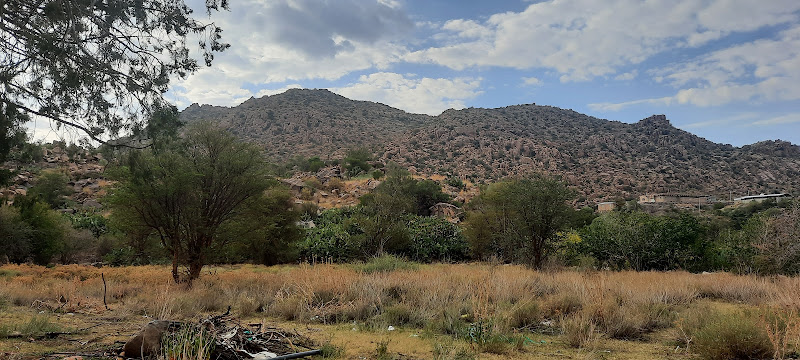
Key Highlights
- Genuine Appalachian mountain scenery with elevations that provide sweeping views across multiple ridgelines
- Access to outdoor recreation including hiking trails, fishing spots, and hunting areas that locals have used for generations
- Small-town atmosphere where community gatherings and local events reflect traditional West Virginia culture
- Relatively untouched natural areas where wildlife viewing opportunities are common throughout the year
- Historic sites and structures that tell the story of Appalachian settlement and coal country heritage
- Country stores and local businesses that operate much like they did decades ago
- Seasonal changes that dramatically alter the landscape, particularly during fall foliage season
- Dark sky conditions perfect for stargazing away from urban light pollution
Location
Places to Stay Near 26762
Find and Book a Tour
Explore More Travel Guides
No reviews found! Be the first to review!
26762 is a prominent Attractions located in SA.
Visit us at: وادي السد, Taif 26762, Saudi Arabia.
Traveler Reviews for 26762
There are no reviews yet. Be the first one to write one.
Have you visited 26762? Help other travelers by sharing your review.
Find Accommodations Nearby
Recommended Tours & Activities
Visitor Reviews
There are no reviews yet. Be the first one to write one.
Share Your Experience
Have you visited 26762? Help other travelers by leaving a review.
