About Tarout Island

Description

Tarout Island sits off Saudi Arabia’s Eastern Province like a stubborn old soul that refuses to be smoothed out by time. It’s one of the oldest continuously inhabited islands in the Arabian Gulf, and you can feel that age in the walls, the alleyways, even in the pauses between conversations with locals. This isn’t a glossy, polished destination, and honestly, that’s the point. Tarout Island feels lived-in, real, and sometimes a bit rough around the edges. But if you’re the kind of traveler who prefers stories over perfection, you’ll probably like it here.

The island is connected to the mainland by a causeway, which makes it easy to reach but still psychologically distant from the fast pace of nearby cities. Life moves slower. Fishermen mend nets in the morning light, kids dart through narrow lanes after sunset, and the call to prayer floats across the water in a way that feels more intimate than amplified. When I visited, I remember sitting near the shore with a cup of overly sweet tea, watching wooden boats drift by, thinking I’d accidentally stepped into a different decade. And I liked that feeling more than I expected.

Tarout Island has layers. Ancient Dilmun-era history sits quietly beneath modern homes. Old forts crumble gently while new cafés pop up nearby. Some travelers fall in love instantly; others notice the cracked pavements, the humidity, the lack of tourist signage and feel unsure. Both reactions make sense. This island doesn’t try to impress you. It just is. And if you give it time, it grows on you.

For travelers interested in culture, heritage, and everyday Saudi life beyond the malls and towers, Tarout Island offers a rare look. It’s not curated. It’s not staged. And yes, sometimes it’s messy. But it’s also deeply human, and that’s where its charm lives.

Key Features

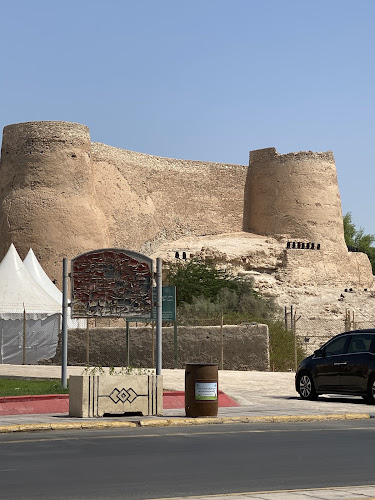
  • Tarout Castle: A centuries-old fortress standing watch over the island, weathered but dignified, especially atmospheric at sunset.
  • Historic neighborhoods: Narrow streets and traditional houses that still function as real homes, not museum pieces.
  • Coastal views: Quiet shorelines where fishing boats, seabirds, and gentle waves set the mood.
  • Local markets: Small, informal markets selling fish, spices, and everyday goods, more practical than pretty.
  • Seafood culture: Fresh catches cooked simply, the way locals actually eat, not dressed up for tourists.
  • Deep history: Archaeological traces dating back thousands of years, often overlooked but fascinating if you know what to look for.
  • Community feel: Friendly locals who are usually curious about visitors and happy to chat if you show respect.

Best Time to Visit

Timing matters a lot on Tarout Island, maybe more than on flashier destinations. The best months to visit are between November and March, when temperatures are milder and walking around doesn’t feel like an endurance sport. Winter evenings can actually be pleasant, even breezy. I once made the mistake of visiting in late summer, and let’s just say the heat was not playing around. You plan your day around air-conditioning and shade, not curiosity.

During cooler months, the island feels more open. People linger outside longer, kids play near the water, and small food stalls stay open later. You’ll get more out of wandering on foot, which is honestly the best way to experience Tarout. Early mornings are great too, especially if you like photography. The light is soft, and the island feels like it’s stretching awake.

Religious holidays and weekends can bring more local visitors, which adds energy but also crowds in certain spots. If you prefer quieter exploration, weekdays are your friend. And avoid peak summer unless you’re very heat-tolerant or just passing through briefly. Trust me on this one.

How to Get There

Getting to Tarout Island is refreshingly straightforward. The island is connected to the mainland by a causeway, so there’s no need for ferries or complicated logistics. Most travelers arrive via nearby cities in the Eastern Province, using a car or taxi. Renting a car gives you the most flexibility, especially if you want to explore at your own pace and stop whenever something catches your eye. And things will catch your eye, often unexpectedly.

Public transportation options are limited, so relying on buses can be tricky unless you’re already familiar with the local system. Taxis and ride-hailing apps are commonly used and generally affordable. Once you’re on the island, distances are short, but the streets can be narrow and confusing. GPS helps, though sometimes it has no idea what it’s doing in older neighborhoods. That’s when you slow down and ask someone. People usually point, smile, and give you way more directions than you asked for. It’s kind of great.

There’s no airport on the island itself, but nearby regional airports serve the area well. From there, it’s an easy drive. The simplicity of reaching Tarout Island is part of its appeal. No drama, no long transfers, just a quiet transition from mainland bustle to island calm.

Tips for Visiting

First tip: manage your expectations. Tarout Island isn’t a resort island, and it’s not trying to be. Go in expecting authenticity, not polish. Wear comfortable shoes because walking is half the experience, and the pavement isn’t always friendly. Modest clothing is important, not just out of respect but also because it helps you blend in and feel more comfortable interacting with locals.

Food-wise, follow the locals. If a small place looks busy, that’s your cue. Some of the best seafood I’ve ever had came from places that barely had a sign. And yes, sometimes you’ll wait longer than expected. That’s normal. Things move on island time. Bring patience, maybe a sense of humor.

If you’re interested in history, do a bit of reading before you go. Many sites aren’t labeled, and without context, you might walk right past something significant. I once stood near an unassuming wall for ten minutes before realizing it was part of a structure older than many countries. That moment stuck with me.

Photography is welcome, but be mindful. Always ask before photographing people, especially in residential areas. A smile and a polite gesture go a long way. And don’t rush. Tarout Island rewards lingering. Sit by the water. Watch daily life unfold. Let yourself be a little bored. That’s when the island starts telling its stories.

Lastly, keep an open mind. Some visitors leave absolutely enchanted, others feel conflicted. Both reactions are valid. But if you give Tarout Island your attention instead of your checklist, chances are you’ll leave with a memory that feels personal, maybe even a bit secret. And those are usually the best kind of travel memories, the ones you don’t post immediately, the ones you think about later on an ordinary day and smile.

Key Features

  • Key Features
  • Best Time to Visit
  • How to Get There
  • Tips for Visiting

More Details

Updated December 31, 2025

Description

Tarout Island sits off Saudi Arabia’s Eastern Province like a stubborn old soul that refuses to be smoothed out by time. It’s one of the oldest continuously inhabited islands in the Arabian Gulf, and you can feel that age in the walls, the alleyways, even in the pauses between conversations with locals. This isn’t a glossy, polished destination, and honestly, that’s the point. Tarout Island feels lived-in, real, and sometimes a bit rough around the edges. But if you’re the kind of traveler who prefers stories over perfection, you’ll probably like it here.

The island is connected to the mainland by a causeway, which makes it easy to reach but still psychologically distant from the fast pace of nearby cities. Life moves slower. Fishermen mend nets in the morning light, kids dart through narrow lanes after sunset, and the call to prayer floats across the water in a way that feels more intimate than amplified. When I visited, I remember sitting near the shore with a cup of overly sweet tea, watching wooden boats drift by, thinking I’d accidentally stepped into a different decade. And I liked that feeling more than I expected.

Tarout Island has layers. Ancient Dilmun-era history sits quietly beneath modern homes. Old forts crumble gently while new cafés pop up nearby. Some travelers fall in love instantly; others notice the cracked pavements, the humidity, the lack of tourist signage and feel unsure. Both reactions make sense. This island doesn’t try to impress you. It just is. And if you give it time, it grows on you.

For travelers interested in culture, heritage, and everyday Saudi life beyond the malls and towers, Tarout Island offers a rare look. It’s not curated. It’s not staged. And yes, sometimes it’s messy. But it’s also deeply human, and that’s where its charm lives.

Key Features

  • Tarout Castle: A centuries-old fortress standing watch over the island, weathered but dignified, especially atmospheric at sunset.
  • Historic neighborhoods: Narrow streets and traditional houses that still function as real homes, not museum pieces.
  • Coastal views: Quiet shorelines where fishing boats, seabirds, and gentle waves set the mood.
  • Local markets: Small, informal markets selling fish, spices, and everyday goods, more practical than pretty.
  • Seafood culture: Fresh catches cooked simply, the way locals actually eat, not dressed up for tourists.
  • Deep history: Archaeological traces dating back thousands of years, often overlooked but fascinating if you know what to look for.
  • Community feel: Friendly locals who are usually curious about visitors and happy to chat if you show respect.

Best Time to Visit

Timing matters a lot on Tarout Island, maybe more than on flashier destinations. The best months to visit are between November and March, when temperatures are milder and walking around doesn’t feel like an endurance sport. Winter evenings can actually be pleasant, even breezy. I once made the mistake of visiting in late summer, and let’s just say the heat was not playing around. You plan your day around air-conditioning and shade, not curiosity.

During cooler months, the island feels more open. People linger outside longer, kids play near the water, and small food stalls stay open later. You’ll get more out of wandering on foot, which is honestly the best way to experience Tarout. Early mornings are great too, especially if you like photography. The light is soft, and the island feels like it’s stretching awake.

Religious holidays and weekends can bring more local visitors, which adds energy but also crowds in certain spots. If you prefer quieter exploration, weekdays are your friend. And avoid peak summer unless you’re very heat-tolerant or just passing through briefly. Trust me on this one.

How to Get There

Getting to Tarout Island is refreshingly straightforward. The island is connected to the mainland by a causeway, so there’s no need for ferries or complicated logistics. Most travelers arrive via nearby cities in the Eastern Province, using a car or taxi. Renting a car gives you the most flexibility, especially if you want to explore at your own pace and stop whenever something catches your eye. And things will catch your eye, often unexpectedly.

Public transportation options are limited, so relying on buses can be tricky unless you’re already familiar with the local system. Taxis and ride-hailing apps are commonly used and generally affordable. Once you’re on the island, distances are short, but the streets can be narrow and confusing. GPS helps, though sometimes it has no idea what it’s doing in older neighborhoods. That’s when you slow down and ask someone. People usually point, smile, and give you way more directions than you asked for. It’s kind of great.

There’s no airport on the island itself, but nearby regional airports serve the area well. From there, it’s an easy drive. The simplicity of reaching Tarout Island is part of its appeal. No drama, no long transfers, just a quiet transition from mainland bustle to island calm.

Tips for Visiting

First tip: manage your expectations. Tarout Island isn’t a resort island, and it’s not trying to be. Go in expecting authenticity, not polish. Wear comfortable shoes because walking is half the experience, and the pavement isn’t always friendly. Modest clothing is important, not just out of respect but also because it helps you blend in and feel more comfortable interacting with locals.

Food-wise, follow the locals. If a small place looks busy, that’s your cue. Some of the best seafood I’ve ever had came from places that barely had a sign. And yes, sometimes you’ll wait longer than expected. That’s normal. Things move on island time. Bring patience, maybe a sense of humor.

If you’re interested in history, do a bit of reading before you go. Many sites aren’t labeled, and without context, you might walk right past something significant. I once stood near an unassuming wall for ten minutes before realizing it was part of a structure older than many countries. That moment stuck with me.

Photography is welcome, but be mindful. Always ask before photographing people, especially in residential areas. A smile and a polite gesture go a long way. And don’t rush. Tarout Island rewards lingering. Sit by the water. Watch daily life unfold. Let yourself be a little bored. That’s when the island starts telling its stories.

Lastly, keep an open mind. Some visitors leave absolutely enchanted, others feel conflicted. Both reactions are valid. But if you give Tarout Island your attention instead of your checklist, chances are you’ll leave with a memory that feels personal, maybe even a bit secret. And those are usually the best kind of travel memories, the ones you don’t post immediately, the ones you think about later on an ordinary day and smile.

Key Highlights

  • Key Features
  • Best Time to Visit
  • How to Get There
  • Tips for Visiting

Location

Places to Stay Near Tarout Island

Find and Book a Tour

Explore More Travel Guides

No reviews found! Be the first to review!

Traveler Reviews for Tarout Island

There are no reviews yet. Be the first one to write one.

Share Your Experience

Have you visited Tarout Island? Help other travelers by sharing your review.

Find Accommodations Nearby

Recommended Tours & Activities

Visitor Reviews

There are no reviews yet. Be the first one to write one.

Share Your Experience

Have you visited Tarout Island? Help other travelers by leaving a review.