

Parque Zoobotânico UFAC
About Parque Zoobotânico UFAC
Description
The Parque Zoobotânico UFAC is one of those places that quietly wins you over. It doesn’t scream for attention or try to impress with flashy signage. Instead, it does what the Amazon does best: it shows up, lush and honest, and lets you come to your own conclusions. Located within the Federal University of Acre (UFAC), this botanical and zoological park works as a living classroom, a conservation space, and a surprisingly peaceful escape for travelers who want to understand Acre beyond the headlines.
Walking through the park feels a bit like being let in on a local secret. Students pass by with notebooks, families wander slowly with kids asking questions about trees that look older than time, and birds honestly seem unbothered by your presence. That’s one thing I noticed right away the first time I visited: the animals don’t feel staged. They’re just… there. Living their lives. And you’re the visitor.
The park focuses heavily on Amazonian biodiversity. This is not a generic botanical garden where plants are labeled and forgotten. Many species here are part of ongoing research and conservation projects. You’ll see native trees, medicinal plants used by traditional communities, and animals that represent the region’s fragile ecosystems. Some enclosures are simple, even a little rustic, but that adds to the credibility. It’s not pretending to be a theme park, and honestly, thank goodness for that.
One thing travelers often overlook is how educational the experience feels without being boring. Informational signs are written clearly, not in that stiff academic language that makes your brain shut down. And sometimes, if you’re lucky, a UFAC student or staff member will stop and explain what you’re looking at. I once got a ten-minute mini-lecture about a tree’s role in flood control, totally unplanned, and walked away feeling smarter than I expected on a casual afternoon stroll.
The atmosphere is calm. You hear leaves moving, insects buzzing, and the occasional laughter of kids discovering something new. And yes, it’s good for kids, but adults get just as much out of it. Especially adults who are tired of crowded attractions and want something slower, more grounded. If you’re traveling through Rio Branco and want to understand the Amazon as a living system, not just a word in a brochure, this park matters.
Key Features
- Extensive collection of native Amazonian plant species, including medicinal and endangered varieties
- Animal enclosures featuring regional wildlife, with a focus on conservation and education
- Well-maintained walking trails shaded by tall trees (a lifesaver on hot afternoons)
- Wheelchair accessible entrance and parking, which is honestly better than many parks twice its size
- Restrooms available on-site, clean and functional, nothing fancy but you’ll be grateful they’re there
- Family-friendly layout, making it easy to explore with children without feeling rushed
- Strong connection to UFAC research projects, giving the park a real scientific backbone
Best Time to Visit
The best time to visit Parque Zoobotânico UFAC is during the drier months, typically from May to September. Trails are easier to walk, humidity is slightly less intense, and you’re less likely to have your plans interrupted by sudden tropical downpours. That said, the Amazon doesn’t always follow the rules, so bring patience and a light rain jacket anyway.
Morning visits are ideal. Animals tend to be more active, and the temperature is friendlier. I learned this the hard way by showing up once around 2 p.m., thinking I was being clever by avoiding crowds. Spoiler: there were no crowds anyway, and the sun absolutely roasted me. Lesson learned. Go early, take your time, then find lunch afterward.
If you enjoy a quieter experience, weekdays are perfect. Weekends can bring more local families, which is actually kind of lovely, but if you’re in a reflective mood or want uninterrupted photos, aim for a weekday morning. And during the academic year, you might catch students working on projects, which adds an extra layer of life to the park.
How to Get There
Getting to Parque Zoobotânico UFAC is relatively straightforward if you’re already in Rio Branco. Since it’s part of the university campus, locals know it well. Taxis and ride-hailing apps are the easiest option for travelers, and drivers generally recognize the park by name without much explanation.
If you’re the adventurous type and enjoy public transport, buses heading toward the UFAC area will get you close enough for a short walk. Just be prepared to ask questions. And ask more than one person if you’re unsure. I’ve found that directions here can be more “you’ll see it” than precise, which is charming but not always helpful.
For those driving, parking is available and accessible. Roads leading to the campus are paved and clearly marked. Once inside, signage helps guide you to the park area. It’s not confusing, but it’s also not overly commercialized, so keep your eyes open.
Tips for Visiting
Wear comfortable shoes. This sounds obvious, but I’ve seen travelers show up in sandals that clearly regret the decision halfway through. Trails are mostly flat, but you’ll want grip and comfort.
Bring water. Even though parts of the park are shaded, the Amazon climate doesn’t play around. Hydration matters more than you think, especially if you’re not used to the heat.
Take your time reading the signs. They’re not just filler. Many explain how certain plants are used by indigenous and local communities, or why specific animals are protected. It adds depth to what you’re seeing.
If you’re traveling with kids, let them ask questions. The park encourages curiosity, and honestly, their wonder makes the visit better for you too. I once overheard a child asking why a tree had “buttress roots,” and the explanation that followed was better than any guidebook.
Respect the space. This isn’t a zoo in the entertainment sense. Loud noises, feeding animals, or crossing barriers isn’t just frowned upon, it undermines the entire purpose of the park.
And finally, go in with the right expectations. Parque Zoobotânico UFAC isn’t about spectacle. It’s about understanding, learning, and slowing down. If you let it, the place has a quiet way of sticking with you. I still think about certain trees I saw there years ago, which is funny, because I can’t even remember some famous landmarks I’ve visited since. That says something.
For travelers who want a genuine, grounded experience in Acre, this park isn’t optional. It’s essential. And maybe that’s its biggest strength: it doesn’t try to convince you of its value. It just shows you, leaf by leaf, path by path.
Key Features
- Extensive collection of native Amazonian plant species, including medicinal and endangered varieties
- Animal enclosures featuring regional wildlife, with a focus on conservation and education
- Well-maintained walking trails shaded by tall trees (a lifesaver on hot afternoons)
- Wheelchair accessible entrance and parking, which is honestly better than many parks twice its size
- Restrooms available on-site, clean and functional, nothing fancy but you’ll be grateful they’re there
- Family-friendly layout, making it easy to explore with children without feeling rushed
- Strong connection to UFAC research projects, giving the park a real scientific backbone
More Details
Updated December 31, 2025
Table of Contents
Description
The Parque Zoobotânico UFAC is one of those places that quietly wins you over. It doesn’t scream for attention or try to impress with flashy signage. Instead, it does what the Amazon does best: it shows up, lush and honest, and lets you come to your own conclusions. Located within the Federal University of Acre (UFAC), this botanical and zoological park works as a living classroom, a conservation space, and a surprisingly peaceful escape for travelers who want to understand Acre beyond the headlines.
Walking through the park feels a bit like being let in on a local secret. Students pass by with notebooks, families wander slowly with kids asking questions about trees that look older than time, and birds honestly seem unbothered by your presence. That’s one thing I noticed right away the first time I visited: the animals don’t feel staged. They’re just… there. Living their lives. And you’re the visitor.
The park focuses heavily on Amazonian biodiversity. This is not a generic botanical garden where plants are labeled and forgotten. Many species here are part of ongoing research and conservation projects. You’ll see native trees, medicinal plants used by traditional communities, and animals that represent the region’s fragile ecosystems. Some enclosures are simple, even a little rustic, but that adds to the credibility. It’s not pretending to be a theme park, and honestly, thank goodness for that.
One thing travelers often overlook is how educational the experience feels without being boring. Informational signs are written clearly, not in that stiff academic language that makes your brain shut down. And sometimes, if you’re lucky, a UFAC student or staff member will stop and explain what you’re looking at. I once got a ten-minute mini-lecture about a tree’s role in flood control, totally unplanned, and walked away feeling smarter than I expected on a casual afternoon stroll.
The atmosphere is calm. You hear leaves moving, insects buzzing, and the occasional laughter of kids discovering something new. And yes, it’s good for kids, but adults get just as much out of it. Especially adults who are tired of crowded attractions and want something slower, more grounded. If you’re traveling through Rio Branco and want to understand the Amazon as a living system, not just a word in a brochure, this park matters.
Key Features
- Extensive collection of native Amazonian plant species, including medicinal and endangered varieties
- Animal enclosures featuring regional wildlife, with a focus on conservation and education
- Well-maintained walking trails shaded by tall trees (a lifesaver on hot afternoons)
- Wheelchair accessible entrance and parking, which is honestly better than many parks twice its size
- Restrooms available on-site, clean and functional, nothing fancy but you’ll be grateful they’re there
- Family-friendly layout, making it easy to explore with children without feeling rushed
- Strong connection to UFAC research projects, giving the park a real scientific backbone
Best Time to Visit
The best time to visit Parque Zoobotânico UFAC is during the drier months, typically from May to September. Trails are easier to walk, humidity is slightly less intense, and you’re less likely to have your plans interrupted by sudden tropical downpours. That said, the Amazon doesn’t always follow the rules, so bring patience and a light rain jacket anyway.
Morning visits are ideal. Animals tend to be more active, and the temperature is friendlier. I learned this the hard way by showing up once around 2 p.m., thinking I was being clever by avoiding crowds. Spoiler: there were no crowds anyway, and the sun absolutely roasted me. Lesson learned. Go early, take your time, then find lunch afterward.
If you enjoy a quieter experience, weekdays are perfect. Weekends can bring more local families, which is actually kind of lovely, but if you’re in a reflective mood or want uninterrupted photos, aim for a weekday morning. And during the academic year, you might catch students working on projects, which adds an extra layer of life to the park.
How to Get There
Getting to Parque Zoobotânico UFAC is relatively straightforward if you’re already in Rio Branco. Since it’s part of the university campus, locals know it well. Taxis and ride-hailing apps are the easiest option for travelers, and drivers generally recognize the park by name without much explanation.
If you’re the adventurous type and enjoy public transport, buses heading toward the UFAC area will get you close enough for a short walk. Just be prepared to ask questions. And ask more than one person if you’re unsure. I’ve found that directions here can be more “you’ll see it” than precise, which is charming but not always helpful.
For those driving, parking is available and accessible. Roads leading to the campus are paved and clearly marked. Once inside, signage helps guide you to the park area. It’s not confusing, but it’s also not overly commercialized, so keep your eyes open.
Tips for Visiting
Wear comfortable shoes. This sounds obvious, but I’ve seen travelers show up in sandals that clearly regret the decision halfway through. Trails are mostly flat, but you’ll want grip and comfort.
Bring water. Even though parts of the park are shaded, the Amazon climate doesn’t play around. Hydration matters more than you think, especially if you’re not used to the heat.
Take your time reading the signs. They’re not just filler. Many explain how certain plants are used by indigenous and local communities, or why specific animals are protected. It adds depth to what you’re seeing.
If you’re traveling with kids, let them ask questions. The park encourages curiosity, and honestly, their wonder makes the visit better for you too. I once overheard a child asking why a tree had “buttress roots,” and the explanation that followed was better than any guidebook.
Respect the space. This isn’t a zoo in the entertainment sense. Loud noises, feeding animals, or crossing barriers isn’t just frowned upon, it undermines the entire purpose of the park.
And finally, go in with the right expectations. Parque Zoobotânico UFAC isn’t about spectacle. It’s about understanding, learning, and slowing down. If you let it, the place has a quiet way of sticking with you. I still think about certain trees I saw there years ago, which is funny, because I can’t even remember some famous landmarks I’ve visited since. That says something.
For travelers who want a genuine, grounded experience in Acre, this park isn’t optional. It’s essential. And maybe that’s its biggest strength: it doesn’t try to convince you of its value. It just shows you, leaf by leaf, path by path.
Key Highlights
- Extensive collection of native Amazonian plant species, including medicinal and endangered varieties
- Animal enclosures featuring regional wildlife, with a focus on conservation and education
- Well-maintained walking trails shaded by tall trees (a lifesaver on hot afternoons)
- Wheelchair accessible entrance and parking, which is honestly better than many parks twice its size
- Restrooms available on-site, clean and functional, nothing fancy but you’ll be grateful they’re there
- Family-friendly layout, making it easy to explore with children without feeling rushed
- Strong connection to UFAC research projects, giving the park a real scientific backbone
Location
Places to Stay Near Parque Zoobotânico UFAC
Find and Book a Tour
Explore More Travel Guides
No reviews found! Be the first to review!
Traveler Reviews for Parque Zoobotânico UFAC
There are no reviews yet. Be the first one to write one.
Have you visited Parque Zoobotânico UFAC? Help other travelers by sharing your review.
You Might Also Like
Tv. Rio Acre - Centro
FUNDAÇÃO DE CULTURA ELIAS MANSOUR

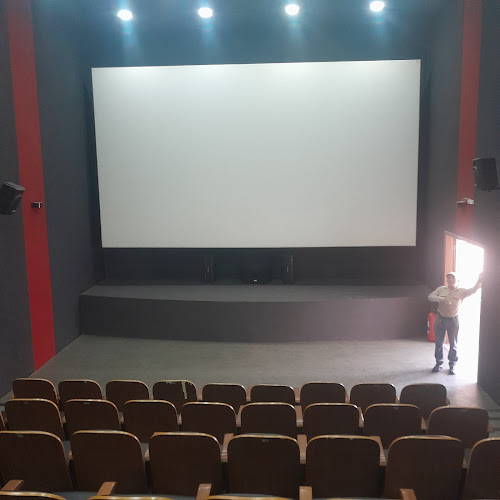
Cine Teatro Recreio
Find Accommodations Nearby
Recommended Tours & Activities
Visitor Reviews
There are no reviews yet. Be the first one to write one.
Share Your Experience
Have you visited Parque Zoobotânico UFAC? Help other travelers by leaving a review.