
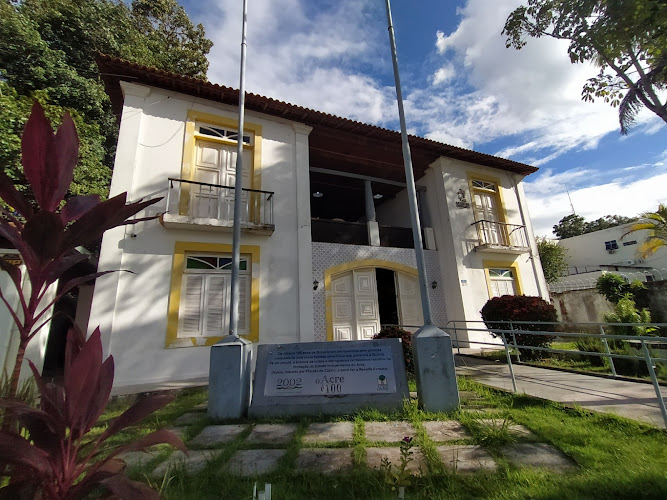
Museu da Borracha Governador Geraldo Mesquita
About Museu da Borracha Governador Geraldo Mesquita
Description
The Museu da Borracha Governador Geraldo Mesquita is one of those places that sneaks up on you. You think you’re just popping into a history museum, maybe killing an hour before lunch, and then suddenly you’re knee-deep in stories about ambition, hardship, and the weirdly dramatic life cycle of latex. This museum focuses on the rubber boom era in the Amazon, a period that shaped not only the economy of the region but the daily lives of thousands of people who lived, worked, and struggled here.
And yes, it’s a museum, so expect documents, photos, objects behind glass. But there’s a human heartbeat under all of it. Walking through the rooms, you start to grasp how rubber transformed small river settlements into strategic economic hubs almost overnight. I remember standing in front of an old tapping knife display and thinking about how many hands must have held similar tools, day after day, deep in the forest. It’s sobering, honestly.
The building itself adds to the experience. It has that solid, institutional feel typical of public museums in Brazil, nothing flashy, but it works. The exhibitions are arranged in a way that tells a clear story, from the rise of rubber extraction to its decline when Asian plantations took over global production. Some displays feel lovingly curated, others a bit worn, which weirdly makes the place feel more authentic. History isn’t always polished, right?
For travelers who want more than beaches and food tours, this museum offers context. It explains why the region looks the way it does today, socially and economically. And for families, it’s surprisingly accessible. Kids can follow along with the visual storytelling, and adults get enough depth to feel like they learned something real, not just trivia.
Accessibility is clearly a priority here. The entrance and restrooms are wheelchair accessible, which I always notice because too many historical places forget that part. There are restrooms on-site, but no restaurant, so don’t show up starving like I once did. Lesson learned.
Key Features
- Exhibits focused on the Amazon rubber boom and its long-term impact on regional history
- Original tools, photographs, and documents from the rubber extraction era
- Clear narrative flow that makes the museum easy to follow, even without a guide
- Family-friendly displays that keep kids engaged without dumbing things down
- Wheelchair accessible entrance and restrooms for inclusive visiting
- Quiet, uncrowded atmosphere that allows for slow, thoughtful exploration
Best Time to Visit
The museum can be visited year-round, but timing still matters if you want the best experience. Mornings tend to be quieter, especially on weekdays. If you’re anything like me and prefer absorbing history without someone breathing down your neck to read the same plaque, aim to arrive early. The lighting also feels nicer earlier in the day, softer somehow.
During the rainy season, which is a real thing in the Amazon whether you like it or not, this museum becomes an excellent indoor option. When the skies open up and outdoor plans fall apart, spending a couple of hours here feels productive and grounding. On hotter days, the indoor environment offers a welcome break from the humidity that sticks to you like glue.
Weekends can bring more local families, which adds a lively, sometimes noisy energy. That’s not bad, just different. If you enjoy watching kids ask big questions about history, weekends are kind of charming. But if you want a more reflective visit, weekdays win.
How to Get There
Getting to the Museu da Borracha Governador Geraldo Mesquita is fairly straightforward if you’re already in the city. Most travelers arrive by taxi or ride-hailing apps, which are affordable and easy to use. Public transportation also serves the area, though it might require a bit of patience and asking around. Don’t be shy about asking locals; people are generally helpful, even if directions come with a story attached.
If you’re staying in the central area, the museum is not an exhausting trek. I once walked part of the way just to get a feel for the neighborhood, and it added context to what I later saw inside the museum. Seeing the modern city outside and then stepping into the past indoors creates an interesting contrast.
For those driving, parking nearby is usually manageable, though it can get tight during busier hours. Just factor in a few extra minutes to find a spot and you’ll be fine.
Tips for Visiting
Give yourself at least an hour, maybe more if you’re the type who reads everything. I am, and I still felt like I could’ve lingered longer. The museum isn’t huge, but it’s dense with information. Rushing through would be a mistake.
Bring water. There’s no restaurant inside, and while the visit isn’t physically demanding, the climate outside can be draining. Staying hydrated makes everything better, including history.
If you’re visiting with kids, talk to them beforehand about what rubber is and why it mattered. A little context goes a long way. I watched one family do this, and the kids were noticeably more engaged, asking questions instead of just running ahead.
Photography policies can vary by exhibit, so pay attention to signage or ask a staff member. Some displays are fine to photograph, others not so much. And honestly, sometimes it’s better to just look and absorb instead of snapping pics for later.
Don’t expect flashy interactive tech everywhere. This museum leans more traditional, and that’s part of its charm. If you go in expecting a high-tech experience, you might feel underwhelmed. But if you go in curious about real stories and real people, you’ll probably leave impressed.
And finally, take a moment after your visit to sit somewhere nearby and reflect. The rubber boom was a time of wealth and exploitation, progress and pain. The museum doesn’t sugarcoat that, and neither should you when thinking about it. Travel, at its best, does this to us. It complicates things. And that’s a good thing.
Key Features
- Exhibits focused on the Amazon rubber boom and its long-term impact on regional history
- Original tools, photographs, and documents from the rubber extraction era
- Clear narrative flow that makes the museum easy to follow, even without a guide
- Family-friendly displays that keep kids engaged without dumbing things down
- Wheelchair accessible entrance and restrooms for inclusive visiting
- Quiet, uncrowded atmosphere that allows for slow, thoughtful exploration
More Details
Updated December 31, 2025
Table of Contents
- Description
- Key Features
- Best Time to Visit
- How to Get There
- Tips for Visiting
- Key Highlights
- Location
- Places to Stay Near Museu da Borracha Governador Geraldo Mesquita
- Find and Book a Tour
- Explore More Travel Guides
- Nearby Places You Might Like
- Traveler Reviews for Museu da Borracha Governador Geraldo Mesquita
- Share Your Experience
Description
The Museu da Borracha Governador Geraldo Mesquita is one of those places that sneaks up on you. You think you’re just popping into a history museum, maybe killing an hour before lunch, and then suddenly you’re knee-deep in stories about ambition, hardship, and the weirdly dramatic life cycle of latex. This museum focuses on the rubber boom era in the Amazon, a period that shaped not only the economy of the region but the daily lives of thousands of people who lived, worked, and struggled here.
And yes, it’s a museum, so expect documents, photos, objects behind glass. But there’s a human heartbeat under all of it. Walking through the rooms, you start to grasp how rubber transformed small river settlements into strategic economic hubs almost overnight. I remember standing in front of an old tapping knife display and thinking about how many hands must have held similar tools, day after day, deep in the forest. It’s sobering, honestly.
The building itself adds to the experience. It has that solid, institutional feel typical of public museums in Brazil, nothing flashy, but it works. The exhibitions are arranged in a way that tells a clear story, from the rise of rubber extraction to its decline when Asian plantations took over global production. Some displays feel lovingly curated, others a bit worn, which weirdly makes the place feel more authentic. History isn’t always polished, right?
For travelers who want more than beaches and food tours, this museum offers context. It explains why the region looks the way it does today, socially and economically. And for families, it’s surprisingly accessible. Kids can follow along with the visual storytelling, and adults get enough depth to feel like they learned something real, not just trivia.
Accessibility is clearly a priority here. The entrance and restrooms are wheelchair accessible, which I always notice because too many historical places forget that part. There are restrooms on-site, but no restaurant, so don’t show up starving like I once did. Lesson learned.
Key Features
- Exhibits focused on the Amazon rubber boom and its long-term impact on regional history
- Original tools, photographs, and documents from the rubber extraction era
- Clear narrative flow that makes the museum easy to follow, even without a guide
- Family-friendly displays that keep kids engaged without dumbing things down
- Wheelchair accessible entrance and restrooms for inclusive visiting
- Quiet, uncrowded atmosphere that allows for slow, thoughtful exploration
Best Time to Visit
The museum can be visited year-round, but timing still matters if you want the best experience. Mornings tend to be quieter, especially on weekdays. If you’re anything like me and prefer absorbing history without someone breathing down your neck to read the same plaque, aim to arrive early. The lighting also feels nicer earlier in the day, softer somehow.
During the rainy season, which is a real thing in the Amazon whether you like it or not, this museum becomes an excellent indoor option. When the skies open up and outdoor plans fall apart, spending a couple of hours here feels productive and grounding. On hotter days, the indoor environment offers a welcome break from the humidity that sticks to you like glue.
Weekends can bring more local families, which adds a lively, sometimes noisy energy. That’s not bad, just different. If you enjoy watching kids ask big questions about history, weekends are kind of charming. But if you want a more reflective visit, weekdays win.
How to Get There
Getting to the Museu da Borracha Governador Geraldo Mesquita is fairly straightforward if you’re already in the city. Most travelers arrive by taxi or ride-hailing apps, which are affordable and easy to use. Public transportation also serves the area, though it might require a bit of patience and asking around. Don’t be shy about asking locals; people are generally helpful, even if directions come with a story attached.
If you’re staying in the central area, the museum is not an exhausting trek. I once walked part of the way just to get a feel for the neighborhood, and it added context to what I later saw inside the museum. Seeing the modern city outside and then stepping into the past indoors creates an interesting contrast.
For those driving, parking nearby is usually manageable, though it can get tight during busier hours. Just factor in a few extra minutes to find a spot and you’ll be fine.
Tips for Visiting
Give yourself at least an hour, maybe more if you’re the type who reads everything. I am, and I still felt like I could’ve lingered longer. The museum isn’t huge, but it’s dense with information. Rushing through would be a mistake.
Bring water. There’s no restaurant inside, and while the visit isn’t physically demanding, the climate outside can be draining. Staying hydrated makes everything better, including history.
If you’re visiting with kids, talk to them beforehand about what rubber is and why it mattered. A little context goes a long way. I watched one family do this, and the kids were noticeably more engaged, asking questions instead of just running ahead.
Photography policies can vary by exhibit, so pay attention to signage or ask a staff member. Some displays are fine to photograph, others not so much. And honestly, sometimes it’s better to just look and absorb instead of snapping pics for later.
Don’t expect flashy interactive tech everywhere. This museum leans more traditional, and that’s part of its charm. If you go in expecting a high-tech experience, you might feel underwhelmed. But if you go in curious about real stories and real people, you’ll probably leave impressed.
And finally, take a moment after your visit to sit somewhere nearby and reflect. The rubber boom was a time of wealth and exploitation, progress and pain. The museum doesn’t sugarcoat that, and neither should you when thinking about it. Travel, at its best, does this to us. It complicates things. And that’s a good thing.
Key Highlights
- Exhibits focused on the Amazon rubber boom and its long-term impact on regional history
- Original tools, photographs, and documents from the rubber extraction era
- Clear narrative flow that makes the museum easy to follow, even without a guide
- Family-friendly displays that keep kids engaged without dumbing things down
- Wheelchair accessible entrance and restrooms for inclusive visiting
- Quiet, uncrowded atmosphere that allows for slow, thoughtful exploration
Location
Places to Stay Near Museu da Borracha Governador Geraldo Mesquita
Find and Book a Tour
Explore More Travel Guides
No reviews found! Be the first to review!
Traveler Reviews for Museu da Borracha Governador Geraldo Mesquita
There are no reviews yet. Be the first one to write one.
Have you visited Museu da Borracha Governador Geraldo Mesquita? Help other travelers by sharing your review.
You Might Also Like
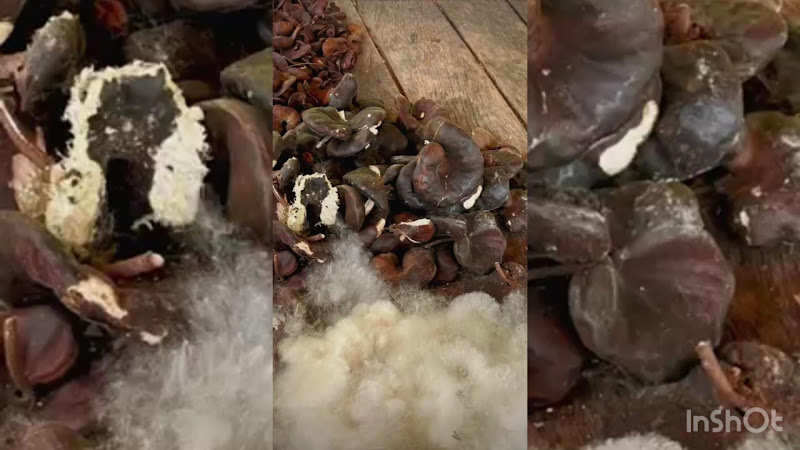
Parque Zoobotânico UFAC
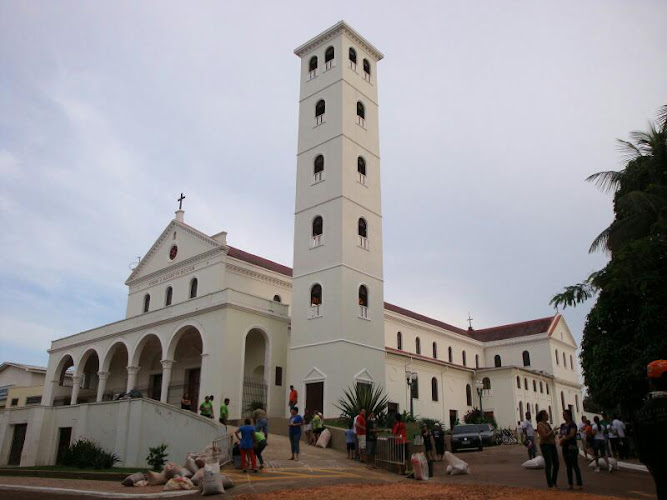
Cathedral of Our Lady of Nazareth
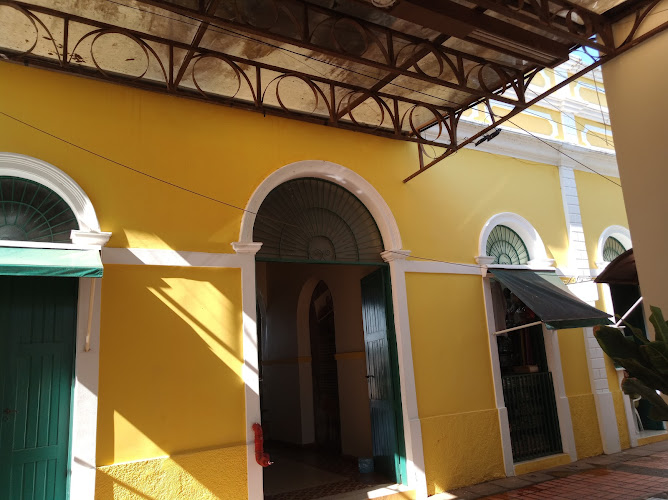
Mercado Velho
Find Accommodations Nearby
Recommended Tours & Activities
Visitor Reviews
There are no reviews yet. Be the first one to write one.
Share Your Experience
Have you visited Museu da Borracha Governador Geraldo Mesquita? Help other travelers by leaving a review.