
FUNDAÇÃO DE CULTURA ELIAS MANSOUR
About FUNDAÇÃO DE CULTURA ELIAS MANSOUR
Description
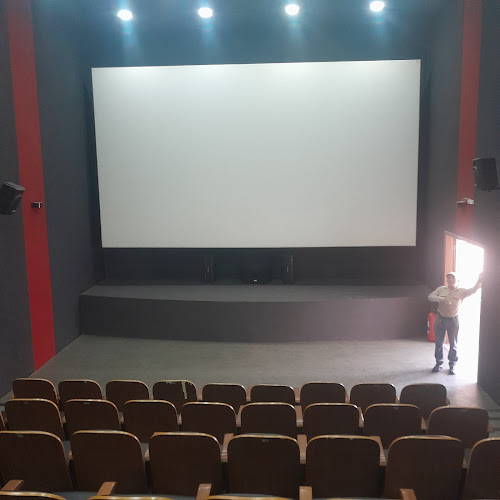
The Fundação de Cultura Elias Mansour is one of those places that quietly explains a whole region if you give it a bit of time. It is a public cultural foundation linked to the state of Acre, and its role goes far beyond administration or paperwork. This foundation helps shape how Acre tells its own story, through arts, memory, events, and support for local creators. Travelers often pass it by thinking it’s just an office building, but that assumption misses the point.
From a visitor’s perspective, the Fundação de Cultura Elias Mansour works like a cultural backbone. It supports exhibitions, music programs, theater projects, festivals, and community initiatives that reflect the Amazonian identity of Acre. And yes, some days it feels formal, even bureaucratic. But on other days, it opens doors into how people here think, celebrate, and argue about culture. That contrast is kind of the charm.
The foundation is named after Elias Mansour, an important cultural and political figure in Acre’s history, and that name carries weight locally. When people mention “Elias Mansour,” they’re usually talking about cultural policy, preservation of regional heritage, or the struggle to make space for artists outside Brazil’s big urban centers. For travelers who like understanding a place beyond postcard images, this matters.
Accessibility is clearly part of the foundation’s setup. The entrance and parking areas are wheelchair accessible, which may sound like a small detail, but in this part of Brazil it’s not always guaranteed. For travelers with mobility concerns, that alone can shape how comfortable a visit feels. And comfort matters when you’re trying to actually enjoy a place instead of just ticking it off a list.
Sentiment around the Fundação is mixed but honest. Some visitors walk in expecting a museum-style experience and leave confused. Others, especially those who stumble upon a rehearsal, a cultural meeting, or a temporary exhibit, leave genuinely impressed. It’s not polished tourism. It’s working culture, sometimes messy, sometimes inspiring.
Key Features
- Support for Local Arts: The foundation actively funds and organizes projects in music, theater, dance, visual arts, and literature connected to Acre’s identity.
- Cultural Programming: Temporary exhibitions, workshops, talks, and performances happen throughout the year, often tied to regional themes.
- Amazonian Focus: Much of the content reflects life in the Amazon region, including Indigenous and riverine influences.
- Public Cultural Policy Hub: It functions as a center for cultural planning and debate, which gives visitors insight into how culture is managed locally.
- Wheelchair Accessibility: Both the entrance and parking areas are accessible, making it easier for all travelers to enter.
- Local Atmosphere: You’re more likely to meet local artists or civil servants than tour groups, which can feel refreshingly real.
- Event-Based Experiences: The experience changes depending on what’s happening that week, so no two visits feel exactly the same.
Best Time to Visit
There’s no single perfect month to visit the Fundação de Cultura Elias Mansour, but timing does influence what you’ll get out of it. The foundation follows the rhythm of Acre’s cultural calendar, which means activity tends to increase during festival seasons, commemorative dates, and school holidays. If you arrive during one of these periods, you might walk into an exhibition opening or a rehearsal in progress. And honestly, those accidental moments are the best.
The dry season in Acre, roughly from May to September, is generally easier for travelers. Getting around the city is simpler, and events are less likely to be disrupted by heavy rain. That said, the rainy season brings its own intensity, and sometimes cultural programming leans into that mood. There’s something oddly fitting about discussing Amazonian identity while rain pounds outside.
Weekdays are better if you want to see the foundation functioning as an institution, with staff, meetings, and planning sessions happening. Weekends, when events are scheduled, feel more open to the public. If you’re the kind of traveler who likes structure, aim for weekdays. If you prefer energy and unpredictability, weekends might surprise you.
How to Get There
The Fundação de Cultura Elias Mansour is located in Rio Branco, the capital of Acre. Most travelers arrive in the city by air, and from there, getting around is fairly straightforward. Taxis and ride-hailing services are commonly used and usually know the foundation by name, which tells you something about its local importance.
Public transportation can also get you close, but routes change and signage isn’t always friendly to newcomers. If you’re comfortable asking questions in Portuguese, you’ll be fine. If not, using a car service saves time and confusion. I’ve learned, sometimes the hard way, that confidence plus a smile gets you far in Rio Branco, even when your directions are slightly wrong.
If you’re driving, parking accessibility is a plus here. The area around the foundation is not chaotic compared to other parts of Brazilian cities, so arriving by car doesn’t feel like a test of nerves. Still, give yourself extra time. Acre runs on its own pace, and that’s part of the deal.
Tips for Visiting
First tip, and this is important: adjust your expectations. The Fundação de Cultura Elias Mansour is not a traditional museum with fixed displays and English explanations. It’s more like a living workspace for culture. If you walk in expecting silence and glass cases, you might be disappointed. But if you walk in curious, you’ll probably enjoy yourself.
Ask what’s happening that day. Staff are usually open to explaining current projects, even if their English is limited. A mix of simple Portuguese, gestures, and patience goes a long way. I once ended up watching part of a rehearsal just because I asked the right question at the right time. Totally unplanned, totally worth it.
Check accessibility needs ahead of time if you have them. While the entrance and parking are accessible, interior layouts can change depending on events. It’s not a big problem, but knowing in advance helps avoid awkward moments.
Don’t rush your visit. This isn’t a place you breeze through in fifteen minutes. Sit for a bit. Read posters. Observe how people interact. Culture here isn’t packaged; it’s negotiated daily. That’s fascinating if you’re into understanding how societies work.
Photography rules can vary. Some exhibitions allow photos, others don’t. Always ask. It shows respect, and respect matters in cultural spaces like this. Plus, sometimes the answer comes with a story, which is better than any photo.
Finally, pair your visit with something nearby, like a walk or a meal, to reflect on what you saw. The Fundação de Cultura Elias Mansour makes more sense when you place it within the everyday life of Rio Branco. It’s not flashy, and it doesn’t try to impress tourists. But for travelers who want depth, context, and a bit of honest reality, it delivers in its own quiet way.
Key Features
- Key Features
- Best Time to Visit
- How to Get There
- Tips for Visiting
More Details
Updated January 1, 2026
Table of Contents
Description
The Fundação de Cultura Elias Mansour is one of those places that quietly explains a whole region if you give it a bit of time. It is a public cultural foundation linked to the state of Acre, and its role goes far beyond administration or paperwork. This foundation helps shape how Acre tells its own story, through arts, memory, events, and support for local creators. Travelers often pass it by thinking it’s just an office building, but that assumption misses the point.
From a visitor’s perspective, the Fundação de Cultura Elias Mansour works like a cultural backbone. It supports exhibitions, music programs, theater projects, festivals, and community initiatives that reflect the Amazonian identity of Acre. And yes, some days it feels formal, even bureaucratic. But on other days, it opens doors into how people here think, celebrate, and argue about culture. That contrast is kind of the charm.
The foundation is named after Elias Mansour, an important cultural and political figure in Acre’s history, and that name carries weight locally. When people mention “Elias Mansour,” they’re usually talking about cultural policy, preservation of regional heritage, or the struggle to make space for artists outside Brazil’s big urban centers. For travelers who like understanding a place beyond postcard images, this matters.
Accessibility is clearly part of the foundation’s setup. The entrance and parking areas are wheelchair accessible, which may sound like a small detail, but in this part of Brazil it’s not always guaranteed. For travelers with mobility concerns, that alone can shape how comfortable a visit feels. And comfort matters when you’re trying to actually enjoy a place instead of just ticking it off a list.
Sentiment around the Fundação is mixed but honest. Some visitors walk in expecting a museum-style experience and leave confused. Others, especially those who stumble upon a rehearsal, a cultural meeting, or a temporary exhibit, leave genuinely impressed. It’s not polished tourism. It’s working culture, sometimes messy, sometimes inspiring.
Key Features
- Support for Local Arts: The foundation actively funds and organizes projects in music, theater, dance, visual arts, and literature connected to Acre’s identity.
- Cultural Programming: Temporary exhibitions, workshops, talks, and performances happen throughout the year, often tied to regional themes.
- Amazonian Focus: Much of the content reflects life in the Amazon region, including Indigenous and riverine influences.
- Public Cultural Policy Hub: It functions as a center for cultural planning and debate, which gives visitors insight into how culture is managed locally.
- Wheelchair Accessibility: Both the entrance and parking areas are accessible, making it easier for all travelers to enter.
- Local Atmosphere: You’re more likely to meet local artists or civil servants than tour groups, which can feel refreshingly real.
- Event-Based Experiences: The experience changes depending on what’s happening that week, so no two visits feel exactly the same.
Best Time to Visit
There’s no single perfect month to visit the Fundação de Cultura Elias Mansour, but timing does influence what you’ll get out of it. The foundation follows the rhythm of Acre’s cultural calendar, which means activity tends to increase during festival seasons, commemorative dates, and school holidays. If you arrive during one of these periods, you might walk into an exhibition opening or a rehearsal in progress. And honestly, those accidental moments are the best.
The dry season in Acre, roughly from May to September, is generally easier for travelers. Getting around the city is simpler, and events are less likely to be disrupted by heavy rain. That said, the rainy season brings its own intensity, and sometimes cultural programming leans into that mood. There’s something oddly fitting about discussing Amazonian identity while rain pounds outside.
Weekdays are better if you want to see the foundation functioning as an institution, with staff, meetings, and planning sessions happening. Weekends, when events are scheduled, feel more open to the public. If you’re the kind of traveler who likes structure, aim for weekdays. If you prefer energy and unpredictability, weekends might surprise you.
How to Get There
The Fundação de Cultura Elias Mansour is located in Rio Branco, the capital of Acre. Most travelers arrive in the city by air, and from there, getting around is fairly straightforward. Taxis and ride-hailing services are commonly used and usually know the foundation by name, which tells you something about its local importance.
Public transportation can also get you close, but routes change and signage isn’t always friendly to newcomers. If you’re comfortable asking questions in Portuguese, you’ll be fine. If not, using a car service saves time and confusion. I’ve learned, sometimes the hard way, that confidence plus a smile gets you far in Rio Branco, even when your directions are slightly wrong.
If you’re driving, parking accessibility is a plus here. The area around the foundation is not chaotic compared to other parts of Brazilian cities, so arriving by car doesn’t feel like a test of nerves. Still, give yourself extra time. Acre runs on its own pace, and that’s part of the deal.
Tips for Visiting
First tip, and this is important: adjust your expectations. The Fundação de Cultura Elias Mansour is not a traditional museum with fixed displays and English explanations. It’s more like a living workspace for culture. If you walk in expecting silence and glass cases, you might be disappointed. But if you walk in curious, you’ll probably enjoy yourself.
Ask what’s happening that day. Staff are usually open to explaining current projects, even if their English is limited. A mix of simple Portuguese, gestures, and patience goes a long way. I once ended up watching part of a rehearsal just because I asked the right question at the right time. Totally unplanned, totally worth it.
Check accessibility needs ahead of time if you have them. While the entrance and parking are accessible, interior layouts can change depending on events. It’s not a big problem, but knowing in advance helps avoid awkward moments.
Don’t rush your visit. This isn’t a place you breeze through in fifteen minutes. Sit for a bit. Read posters. Observe how people interact. Culture here isn’t packaged; it’s negotiated daily. That’s fascinating if you’re into understanding how societies work.
Photography rules can vary. Some exhibitions allow photos, others don’t. Always ask. It shows respect, and respect matters in cultural spaces like this. Plus, sometimes the answer comes with a story, which is better than any photo.
Finally, pair your visit with something nearby, like a walk or a meal, to reflect on what you saw. The Fundação de Cultura Elias Mansour makes more sense when you place it within the everyday life of Rio Branco. It’s not flashy, and it doesn’t try to impress tourists. But for travelers who want depth, context, and a bit of honest reality, it delivers in its own quiet way.
Key Highlights
- Key Features
- Best Time to Visit
- How to Get There
- Tips for Visiting
Location
Places to Stay Near FUNDAÇÃO DE CULTURA ELIAS MANSOUR
Find and Book a Tour
Explore More Travel Guides
No reviews found! Be the first to review!
Traveler Reviews for FUNDAÇÃO DE CULTURA ELIAS MANSOUR
There are no reviews yet. Be the first one to write one.
Have you visited FUNDAÇÃO DE CULTURA ELIAS MANSOUR? Help other travelers by sharing your review.
You Might Also Like
69911-820
From the market Bosque
Museu dos Povos Acreanos
Find Accommodations Nearby
Recommended Tours & Activities
Visitor Reviews
There are no reviews yet. Be the first one to write one.
Share Your Experience
Have you visited FUNDAÇÃO DE CULTURA ELIAS MANSOUR? Help other travelers by leaving a review.