
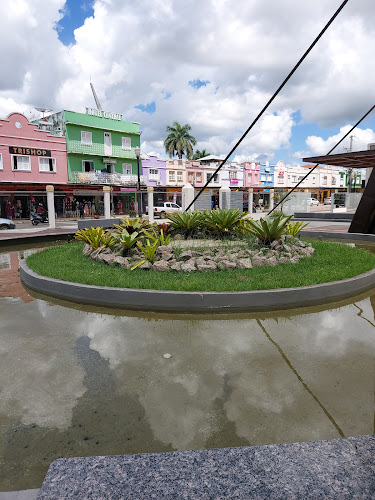
Museu dos Povos Acreanos
About Museu dos Povos Acreanos
Description
The Museu dos Povos Acreanos is the kind of place that quietly sneaks up on you. You walk in thinking, “Alright, a regional museum, let’s see,” and a couple of hours later you’re still wandering around, brain buzzing, realizing you’ve just been given a crash course in Acre’s soul. This museum focuses on the people of Acre — Indigenous communities, rubber tappers, river dwellers, migrants, and all the layered identities that shaped this corner of the Brazilian Amazon. And yes, it does so in a way that feels thoughtful rather than preachy, which I personally appreciate.
The museum isn’t flashy or high-tech in an overwhelming way, but it doesn’t need to be. What it offers instead is context. Lots of it. The exhibits tell stories about how Acre became Acre, and why its history feels different from the rest of Brazil. I remember standing in front of one display about the rubber boom and thinking, wow, this is way more intense than my school textbooks ever hinted at. There’s hardship, resilience, and plenty of quiet pride embedded in the objects and narratives.
For travelers, especially those curious about culture rather than just ticking boxes, the Museu dos Povos Acreanos works as a grounding experience. It helps you understand why people here talk the way they do, why certain traditions still matter, and why the Amazon is not just a forest but a lived-in, argued-over, defended place. And yes, it’s good for kids too, though some sections might spark big questions. That’s not a bad thing.
Accessibility is handled well, which deserves applause. Wheelchair access isn’t treated as an afterthought, and that alone makes it more welcoming than many museums I’ve visited in South America. There are restrooms on site, but no restaurant, so plan snacks accordingly. I learned that the hungry way.
Key Features
- Permanent exhibitions on Acrean identity – These displays explore Indigenous cultures, traditional livelihoods, and social movements that shaped the state.
- Focus on rubber tapping history – A deep dive into the rubber era, including labor struggles and environmental consequences.
- Indigenous representation – Artifacts, narratives, and visuals that give voice to native peoples of the region.
- Interactive elements – Nothing too gimmicky, but enough hands-on material to keep kids and curious adults engaged.
- Wheelchair-friendly design – Accessible entrances, restrooms, and parking make visits smoother for everyone.
- Educational atmosphere – It feels like a place locals bring school groups, which usually signals credibility.
- Balanced storytelling – The museum doesn’t shy away from tough topics, but it avoids oversimplification.
Best Time to Visit
The best time to visit the Museu dos Povos Acreanos is during the dry season, roughly from May to September. Not because the museum itself changes, but because getting around Acre is just easier then. Fewer rainstorms mean fewer delays, and you’re less likely to arrive drenched and cranky. Trust me, museums are better enjoyed when your socks are dry.
Mornings tend to be quieter, especially on weekdays. If you’re the type who likes reading every panel without someone breathing down your neck, aim for early hours. Weekends can get busier, particularly with families, which adds energy but also noise. Neither is bad, just different moods.
If you’re visiting Acre during a cultural festival or local holiday, pairing the museum with those events can add extra layers of meaning. You’ll see traditions in action outside, then come back inside to understand where they come from. That kind of loop is satisfying, in a nerdy traveler way.
How to Get There
Getting to the Museu dos Povos Acreanos is fairly straightforward if you’re already in the city. Public transportation options exist, and taxis or ride-hailing apps are widely used and affordable. Most drivers know the museum by name, which is always a comforting sign. If you’re renting a car, parking is available and accessible.
From a traveler’s perspective, the museum fits well into a day of city exploration. You don’t need to build an entire itinerary around it, but you also won’t feel rushed if you give it a solid couple of hours. I’d suggest pairing it with a nearby park walk or a casual lunch afterward. Since there’s no restaurant on-site, this is kind of necessary anyway.
And a small but useful tip: carry some water with you. Acre’s heat doesn’t mess around, and even indoor spaces can feel warm if you’ve been walking a lot beforehand.
Tips for Visiting
First tip: slow down. This isn’t a museum you speed-walk through snapping photos for social media. Read the descriptions. Sit with the stories. Some of the most interesting details are tucked into corners or written in smaller text that impatient visitors skip. Don’t be that person.
If you’re traveling with kids, talk to them about what they’re seeing. The museum does a good job presenting complex topics, but younger visitors might need help connecting the dots. I once overheard a parent explaining rubber tapping using a superhero analogy, and honestly, it worked.
Photography policies can vary by exhibit, so be respectful and ask if you’re unsure. Also, bring cash just in case there’s a small shop or donation box. Supporting local cultural institutions matters, especially in regions that don’t always get international attention.
Language-wise, most information is in Portuguese. If you don’t speak it, you’ll still get a lot from visuals and layout, but having a translation app helps. I’ve done entire museum visits with Google Translate hovering over labels. Not glamorous, but effective.
Finally, let yourself be surprised. The Museu dos Povos Acreanos might not be on every traveler’s radar, but that’s part of its charm. It’s earnest, informative, sometimes a little rough around the edges, and deeply rooted in place. And honestly, those are usually the places that stick with you long after the trip ends.
So if you’re passing through Acre and want more than just surface-level impressions, carve out time for this museum. You’ll walk out understanding not just where you are, but why it matters. And that’s a rare souvenir, if you ask me.
Key Features
- Key Features
- Best Time to Visit
- How to Get There
- Tips for Visiting
More Details
Updated December 31, 2025
Table of Contents
Description
The Museu dos Povos Acreanos is the kind of place that quietly sneaks up on you. You walk in thinking, “Alright, a regional museum, let’s see,” and a couple of hours later you’re still wandering around, brain buzzing, realizing you’ve just been given a crash course in Acre’s soul. This museum focuses on the people of Acre — Indigenous communities, rubber tappers, river dwellers, migrants, and all the layered identities that shaped this corner of the Brazilian Amazon. And yes, it does so in a way that feels thoughtful rather than preachy, which I personally appreciate.
The museum isn’t flashy or high-tech in an overwhelming way, but it doesn’t need to be. What it offers instead is context. Lots of it. The exhibits tell stories about how Acre became Acre, and why its history feels different from the rest of Brazil. I remember standing in front of one display about the rubber boom and thinking, wow, this is way more intense than my school textbooks ever hinted at. There’s hardship, resilience, and plenty of quiet pride embedded in the objects and narratives.
For travelers, especially those curious about culture rather than just ticking boxes, the Museu dos Povos Acreanos works as a grounding experience. It helps you understand why people here talk the way they do, why certain traditions still matter, and why the Amazon is not just a forest but a lived-in, argued-over, defended place. And yes, it’s good for kids too, though some sections might spark big questions. That’s not a bad thing.
Accessibility is handled well, which deserves applause. Wheelchair access isn’t treated as an afterthought, and that alone makes it more welcoming than many museums I’ve visited in South America. There are restrooms on site, but no restaurant, so plan snacks accordingly. I learned that the hungry way.
Key Features
- Permanent exhibitions on Acrean identity – These displays explore Indigenous cultures, traditional livelihoods, and social movements that shaped the state.
- Focus on rubber tapping history – A deep dive into the rubber era, including labor struggles and environmental consequences.
- Indigenous representation – Artifacts, narratives, and visuals that give voice to native peoples of the region.
- Interactive elements – Nothing too gimmicky, but enough hands-on material to keep kids and curious adults engaged.
- Wheelchair-friendly design – Accessible entrances, restrooms, and parking make visits smoother for everyone.
- Educational atmosphere – It feels like a place locals bring school groups, which usually signals credibility.
- Balanced storytelling – The museum doesn’t shy away from tough topics, but it avoids oversimplification.
Best Time to Visit
The best time to visit the Museu dos Povos Acreanos is during the dry season, roughly from May to September. Not because the museum itself changes, but because getting around Acre is just easier then. Fewer rainstorms mean fewer delays, and you’re less likely to arrive drenched and cranky. Trust me, museums are better enjoyed when your socks are dry.
Mornings tend to be quieter, especially on weekdays. If you’re the type who likes reading every panel without someone breathing down your neck, aim for early hours. Weekends can get busier, particularly with families, which adds energy but also noise. Neither is bad, just different moods.
If you’re visiting Acre during a cultural festival or local holiday, pairing the museum with those events can add extra layers of meaning. You’ll see traditions in action outside, then come back inside to understand where they come from. That kind of loop is satisfying, in a nerdy traveler way.
How to Get There
Getting to the Museu dos Povos Acreanos is fairly straightforward if you’re already in the city. Public transportation options exist, and taxis or ride-hailing apps are widely used and affordable. Most drivers know the museum by name, which is always a comforting sign. If you’re renting a car, parking is available and accessible.
From a traveler’s perspective, the museum fits well into a day of city exploration. You don’t need to build an entire itinerary around it, but you also won’t feel rushed if you give it a solid couple of hours. I’d suggest pairing it with a nearby park walk or a casual lunch afterward. Since there’s no restaurant on-site, this is kind of necessary anyway.
And a small but useful tip: carry some water with you. Acre’s heat doesn’t mess around, and even indoor spaces can feel warm if you’ve been walking a lot beforehand.
Tips for Visiting
First tip: slow down. This isn’t a museum you speed-walk through snapping photos for social media. Read the descriptions. Sit with the stories. Some of the most interesting details are tucked into corners or written in smaller text that impatient visitors skip. Don’t be that person.
If you’re traveling with kids, talk to them about what they’re seeing. The museum does a good job presenting complex topics, but younger visitors might need help connecting the dots. I once overheard a parent explaining rubber tapping using a superhero analogy, and honestly, it worked.
Photography policies can vary by exhibit, so be respectful and ask if you’re unsure. Also, bring cash just in case there’s a small shop or donation box. Supporting local cultural institutions matters, especially in regions that don’t always get international attention.
Language-wise, most information is in Portuguese. If you don’t speak it, you’ll still get a lot from visuals and layout, but having a translation app helps. I’ve done entire museum visits with Google Translate hovering over labels. Not glamorous, but effective.
Finally, let yourself be surprised. The Museu dos Povos Acreanos might not be on every traveler’s radar, but that’s part of its charm. It’s earnest, informative, sometimes a little rough around the edges, and deeply rooted in place. And honestly, those are usually the places that stick with you long after the trip ends.
So if you’re passing through Acre and want more than just surface-level impressions, carve out time for this museum. You’ll walk out understanding not just where you are, but why it matters. And that’s a rare souvenir, if you ask me.
Key Highlights
- Key Features
- Best Time to Visit
- How to Get There
- Tips for Visiting
Location
Places to Stay Near Museu dos Povos Acreanos
Find and Book a Tour
Explore More Travel Guides
No reviews found! Be the first to review!
Traveler Reviews for Museu dos Povos Acreanos
There are no reviews yet. Be the first one to write one.
Have you visited Museu dos Povos Acreanos? Help other travelers by sharing your review.
You Might Also Like
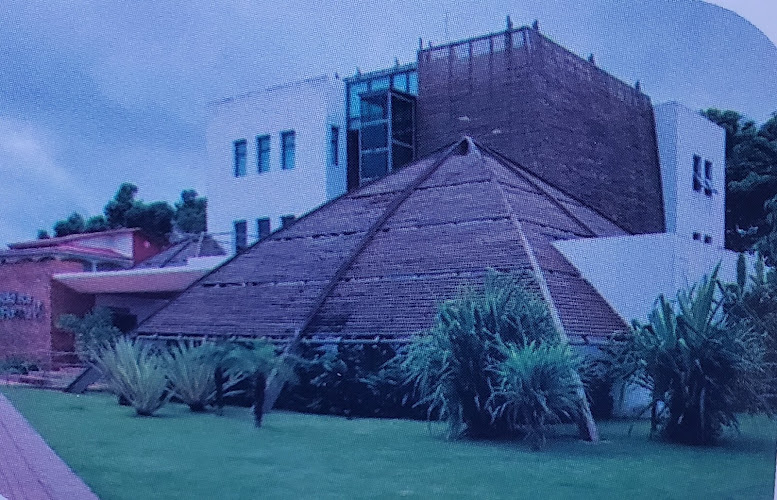
Forest Library
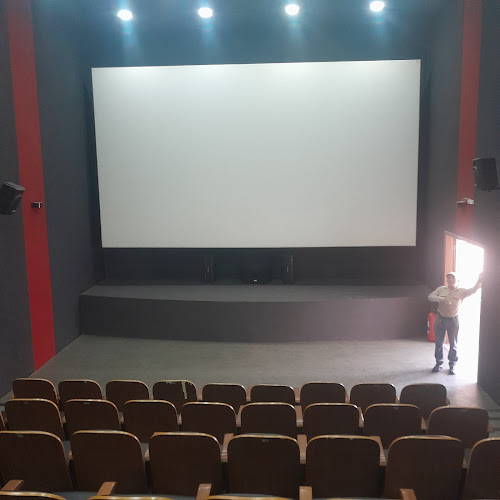
FUNDAÇÃO DE CULTURA ELIAS MANSOUR

From the market Bosque
Find Accommodations Nearby
Recommended Tours & Activities
Visitor Reviews
There are no reviews yet. Be the first one to write one.
Share Your Experience
Have you visited Museu dos Povos Acreanos? Help other travelers by leaving a review.