
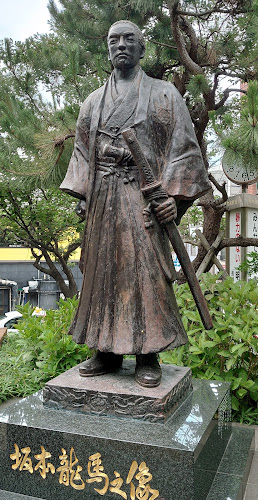
Statue of Ryoma Sakamoto
About Statue of Ryoma Sakamoto
Description
The Statue of Ryoma Sakamoto stands as a quiet but stubborn symbol of change, the kind that doesn’t shout at you but sort of waits until you’re ready to listen. The statue depicts Ryoma Sakamoto, one of Japan’s most influential historical figures, a samurai who helped steer the country away from feudal isolation and toward modernization in the late 19th century. Travelers often come expecting a quick photo stop. Many leave, oddly thoughtful. That’s been my experience, anyway.
This is not a massive monument that overwhelms the landscape. Instead, it has a grounded presence. Ryoma is shown looking outward, as if he’s scanning the horizon for what comes next. And that feels appropriate. He was a man obsessed with the future, with ideas that didn’t quite fit the rigid world he was born into. Standing there, you can almost feel that restless energy. Or maybe that’s just the sea breeze messing with your head. Either way, it works.
The statue is part of a larger cultural memory rather than a flashy tourist spectacle. Visitors often note that it’s simple, even understated. But that simplicity allows space for reflection. People who know Ryoma’s story tend to linger longer, reading plaques, staring out in the same direction he does. Others wander in, take a photo, shrug, and move on. And that’s fine. Not every place hits every traveler the same way.
One thing worth knowing: accessibility is limited. The area around the statue isn’t designed with wheelchairs in mind, and getting close may involve uneven paths or steps. It’s not impossible for everyone, but it does require planning. And yes, that’s frustrating. I’ve traveled with family members who couldn’t fully access spots like this, and it always leaves a sour note. It’s something to factor in early, not something you want to discover halfway there.
The statue also carries a kind of emotional weight. Ryoma Sakamoto died young, assassinated at 31. When you realize that, the statue stops being just a likeness and starts feeling like a what-if. What if he’d lived longer? What would Japan look like today? Travelers interested in history often say this is where those questions feel real, not academic.
Key Features
- Life-sized-to-large statue depicting Ryoma Sakamoto in a forward-looking stance
- Scenic surroundings that encourage quiet observation rather than crowds
- Historical plaques offering context about Ryoma’s role in Japan’s modernization
- A popular photo spot, especially for fans of Japanese history and drama series
- Open-air setting with changing light that alters the mood throughout the day
- Limited accessibility, with uneven paths and steps near the statue
Best Time to Visit
Timing matters more than people admit. Early morning is, in my opinion, the best time to visit the Statue of Ryoma Sakamoto. The light is softer, the air cooler, and there’s a calm that suits the place. You might even have a few minutes alone with the statue, which sounds dramatic but honestly makes a difference. When it’s quiet, you notice details: the angle of the head, the tension in the stance, the way the environment frames him.
Late afternoon is the second-best option. The sun drops lower and casts longer shadows, giving the statue a slightly more dramatic look. Photographers love this time, and I get why. Midday, on the other hand, can feel a bit flat. Harsh light, more people, less atmosphere. If you’re on a tight schedule, midday is fine, but if you have flexibility, use it.
Seasonally, spring and autumn tend to be the most comfortable. Summer can be humid, and winter, while quieter, can feel stark. That said, there’s something fitting about seeing Ryoma against a gray winter sky. It matches the unfinished nature of his life. Not exactly cheerful, but memorable.
How to Get There
Getting to the Statue of Ryoma Sakamoto usually involves a mix of public transport and a bit of walking. Most travelers start from a nearby city center and use buses or taxis to get close. The final approach often requires going on foot, which is part of the experience. You’re not just arriving; you’re approaching, if that makes sense.
For first-time visitors, buses are generally straightforward, though signage may not always be in English. This is where patience comes in. I’ve missed stops before, wandered around pretending I knew where I was going, and eventually figured it out. That’s travel. Taxis are easier but cost more, and you still might need to walk the last stretch.
If you’re driving, parking can be limited depending on the day and season. And again, accessibility is an issue. The paths leading up to the statue are not particularly friendly for those with mobility challenges. It’s not impossible, but it’s not smooth sailing either. Planning ahead helps, and asking locals often leads to better advice than any map app.
Tips for Visiting
First tip: know who Ryoma Sakamoto was before you go. Even a basic understanding of his role in Japanese history changes the experience completely. Without that context, the statue can feel like just another historical figure frozen in metal. With it, the place has depth.
Second, don’t rush. This isn’t a box-ticking attraction. Give yourself time to walk around, read what’s there, and just stand for a minute. I remember visiting once on a packed itinerary and feeling annoyed that I couldn’t stay longer. When I came back with no schedule, it finally clicked.
Third, wear comfortable shoes. The paths can be uneven, and you’ll enjoy yourself more if you’re not thinking about your feet. Sounds obvious, but you’d be surprised how often people ignore this.
Fourth, manage expectations. This is not a flashy attraction with interactive displays or cafés right next door. Some visitors find it underwhelming. Others find it quietly powerful. Go in knowing it’s subtle, and you’re more likely to appreciate what it offers.
Fifth, be mindful of the weather. There’s little shelter near the statue, so rain or strong sun can affect your visit. I once stood there in light rain, umbrella in hand, and honestly, it added to the mood. But that’s me. You might disagree.
Lastly, respect the space. For many locals, Ryoma Sakamoto is more than a historical figure; he’s a symbol of courage and forward thinking. Treat the area accordingly. Take photos, sure, but also take a moment to just be there. Travel isn’t only about what you bring back on your camera. Sometimes it’s about what sticks in your head long after you’ve gone.
The Statue of Ryoma Sakamoto may not top every must-see list, and that’s okay. For travelers interested in history, reflection, and places that don’t oversell themselves, it offers something rare. Not excitement. Not spectacle. But perspective. And sometimes, that’s exactly what you didn’t know you were looking for.
Key Features
- Life-sized-to-large statue depicting Ryoma Sakamoto in a forward-looking stance
- Scenic surroundings that encourage quiet observation rather than crowds
- Historical plaques offering context about Ryoma’s role in Japan’s modernization
- A popular photo spot, especially for fans of Japanese history and drama series
- Open-air setting with changing light that alters the mood throughout the day
- Limited accessibility, with uneven paths and steps near the statue
More Details
Updated January 1, 2026
Table of Contents
Description
The Statue of Ryoma Sakamoto stands as a quiet but stubborn symbol of change, the kind that doesn’t shout at you but sort of waits until you’re ready to listen. The statue depicts Ryoma Sakamoto, one of Japan’s most influential historical figures, a samurai who helped steer the country away from feudal isolation and toward modernization in the late 19th century. Travelers often come expecting a quick photo stop. Many leave, oddly thoughtful. That’s been my experience, anyway.
This is not a massive monument that overwhelms the landscape. Instead, it has a grounded presence. Ryoma is shown looking outward, as if he’s scanning the horizon for what comes next. And that feels appropriate. He was a man obsessed with the future, with ideas that didn’t quite fit the rigid world he was born into. Standing there, you can almost feel that restless energy. Or maybe that’s just the sea breeze messing with your head. Either way, it works.
The statue is part of a larger cultural memory rather than a flashy tourist spectacle. Visitors often note that it’s simple, even understated. But that simplicity allows space for reflection. People who know Ryoma’s story tend to linger longer, reading plaques, staring out in the same direction he does. Others wander in, take a photo, shrug, and move on. And that’s fine. Not every place hits every traveler the same way.
One thing worth knowing: accessibility is limited. The area around the statue isn’t designed with wheelchairs in mind, and getting close may involve uneven paths or steps. It’s not impossible for everyone, but it does require planning. And yes, that’s frustrating. I’ve traveled with family members who couldn’t fully access spots like this, and it always leaves a sour note. It’s something to factor in early, not something you want to discover halfway there.
The statue also carries a kind of emotional weight. Ryoma Sakamoto died young, assassinated at 31. When you realize that, the statue stops being just a likeness and starts feeling like a what-if. What if he’d lived longer? What would Japan look like today? Travelers interested in history often say this is where those questions feel real, not academic.
Key Features
- Life-sized-to-large statue depicting Ryoma Sakamoto in a forward-looking stance
- Scenic surroundings that encourage quiet observation rather than crowds
- Historical plaques offering context about Ryoma’s role in Japan’s modernization
- A popular photo spot, especially for fans of Japanese history and drama series
- Open-air setting with changing light that alters the mood throughout the day
- Limited accessibility, with uneven paths and steps near the statue
Best Time to Visit
Timing matters more than people admit. Early morning is, in my opinion, the best time to visit the Statue of Ryoma Sakamoto. The light is softer, the air cooler, and there’s a calm that suits the place. You might even have a few minutes alone with the statue, which sounds dramatic but honestly makes a difference. When it’s quiet, you notice details: the angle of the head, the tension in the stance, the way the environment frames him.
Late afternoon is the second-best option. The sun drops lower and casts longer shadows, giving the statue a slightly more dramatic look. Photographers love this time, and I get why. Midday, on the other hand, can feel a bit flat. Harsh light, more people, less atmosphere. If you’re on a tight schedule, midday is fine, but if you have flexibility, use it.
Seasonally, spring and autumn tend to be the most comfortable. Summer can be humid, and winter, while quieter, can feel stark. That said, there’s something fitting about seeing Ryoma against a gray winter sky. It matches the unfinished nature of his life. Not exactly cheerful, but memorable.
How to Get There
Getting to the Statue of Ryoma Sakamoto usually involves a mix of public transport and a bit of walking. Most travelers start from a nearby city center and use buses or taxis to get close. The final approach often requires going on foot, which is part of the experience. You’re not just arriving; you’re approaching, if that makes sense.
For first-time visitors, buses are generally straightforward, though signage may not always be in English. This is where patience comes in. I’ve missed stops before, wandered around pretending I knew where I was going, and eventually figured it out. That’s travel. Taxis are easier but cost more, and you still might need to walk the last stretch.
If you’re driving, parking can be limited depending on the day and season. And again, accessibility is an issue. The paths leading up to the statue are not particularly friendly for those with mobility challenges. It’s not impossible, but it’s not smooth sailing either. Planning ahead helps, and asking locals often leads to better advice than any map app.
Tips for Visiting
First tip: know who Ryoma Sakamoto was before you go. Even a basic understanding of his role in Japanese history changes the experience completely. Without that context, the statue can feel like just another historical figure frozen in metal. With it, the place has depth.
Second, don’t rush. This isn’t a box-ticking attraction. Give yourself time to walk around, read what’s there, and just stand for a minute. I remember visiting once on a packed itinerary and feeling annoyed that I couldn’t stay longer. When I came back with no schedule, it finally clicked.
Third, wear comfortable shoes. The paths can be uneven, and you’ll enjoy yourself more if you’re not thinking about your feet. Sounds obvious, but you’d be surprised how often people ignore this.
Fourth, manage expectations. This is not a flashy attraction with interactive displays or cafés right next door. Some visitors find it underwhelming. Others find it quietly powerful. Go in knowing it’s subtle, and you’re more likely to appreciate what it offers.
Fifth, be mindful of the weather. There’s little shelter near the statue, so rain or strong sun can affect your visit. I once stood there in light rain, umbrella in hand, and honestly, it added to the mood. But that’s me. You might disagree.
Lastly, respect the space. For many locals, Ryoma Sakamoto is more than a historical figure; he’s a symbol of courage and forward thinking. Treat the area accordingly. Take photos, sure, but also take a moment to just be there. Travel isn’t only about what you bring back on your camera. Sometimes it’s about what sticks in your head long after you’ve gone.
The Statue of Ryoma Sakamoto may not top every must-see list, and that’s okay. For travelers interested in history, reflection, and places that don’t oversell themselves, it offers something rare. Not excitement. Not spectacle. But perspective. And sometimes, that’s exactly what you didn’t know you were looking for.
Key Highlights
- Life-sized-to-large statue depicting Ryoma Sakamoto in a forward-looking stance
- Scenic surroundings that encourage quiet observation rather than crowds
- Historical plaques offering context about Ryoma’s role in Japan’s modernization
- A popular photo spot, especially for fans of Japanese history and drama series
- Open-air setting with changing light that alters the mood throughout the day
- Limited accessibility, with uneven paths and steps near the statue
Location
Places to Stay Near Statue of Ryoma Sakamoto
Find and Book a Tour
Explore More Travel Guides
No reviews found! Be the first to review!
Traveler Reviews for Statue of Ryoma Sakamoto
There are no reviews yet. Be the first one to write one.
Have you visited Statue of Ryoma Sakamoto? Help other travelers by sharing your review.
You Might Also Like
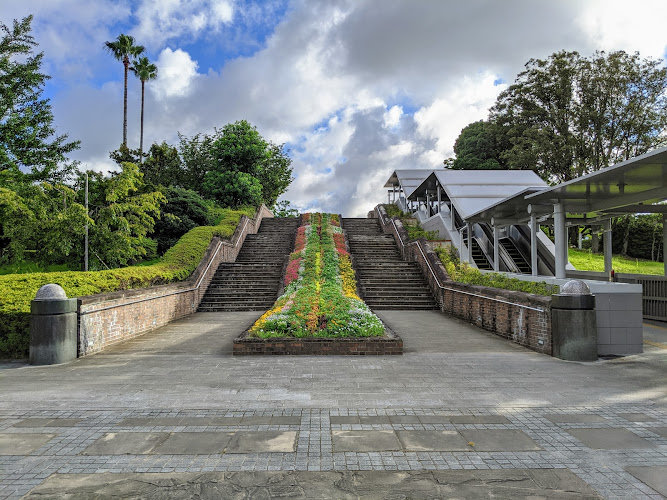
Peace Park Nagasaki

Inasa-yama Park
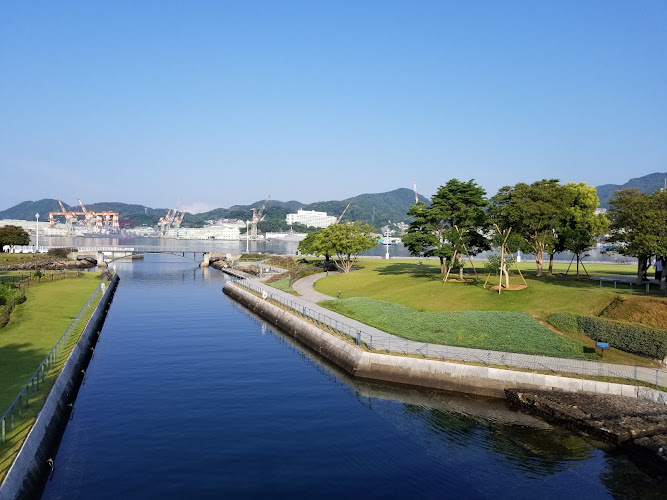
Nagasaki Seaside Park
Find Accommodations Nearby
Recommended Tours & Activities
Visitor Reviews
There are no reviews yet. Be the first one to write one.
Share Your Experience
Have you visited Statue of Ryoma Sakamoto? Help other travelers by leaving a review.