
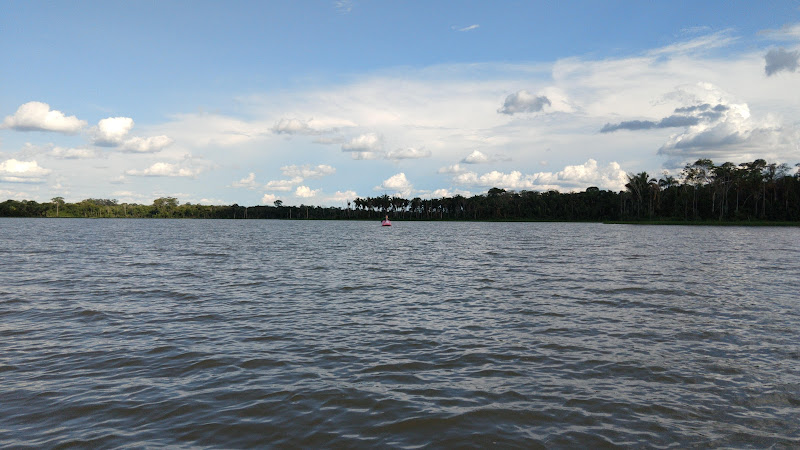
Porto Velho
About Porto Velho
Description
Porto Velho doesn’t try to impress you at first glance. And honestly, that’s part of its charm. This city in northwest Brazil sits right along the Madeira River, one of the Amazon’s major arteries, and it feels like a place that grew out of necessity rather than spectacle. Travelers who expect polished sidewalks and postcard perfection might be confused at first. But if you’re the kind of person who likes places that feel real, lived-in, and a little rough around the edges, Porto Velho slowly gets under your skin.
The city’s history is tightly bound to the Madeira-Mamoré Railroad, a project so ambitious and deadly that locals still talk about it in hushed tones. Walking through the Madeira Mamoré Railroad Museum, with its vintage locomotive baking under the Amazon sun, feels strangely emotional. I remember standing there, sweating through my shirt, thinking about the workers who never made it home. It’s not a cheerful story, but it’s an honest one, and Porto Velho doesn’t sugarcoat its past.
Architecturally, the city surprises you when you least expect it. The Sacred Heart of Jesus Cathedral, with its stained glass and carved wooden ceiling, offers a quiet pause from the noise outside. A few blocks away, the neoclassical President Vargas Palace feels almost out of place, like a European building that somehow drifted into the Amazon and decided to stay. These contrasts are everywhere here. Old meets new. Concrete meets jungle. River life meets city chaos.
What really defines Porto Velho, though, is its relationship with nature. The rainforest isn’t a distant attraction. It’s right there, pressing in from the edges, humid and loud and unapologetic. Northeast of the city, places like the Reserva Extrativista do Lago do Cuniã remind you that this region isn’t just scenery. It’s a living ecosystem where alligators slide into the water without warning and giant pirarucu fish break the surface like something out of a myth. You don’t just observe nature here; you feel like a guest in its territory.
Key Features
- Historic Madeira-Mamoré Railroad Museum with preserved locomotives and railway artifacts
- Direct access to the Madeira River, one of the most important waterways in the Amazon Basin
- Sacred Heart of Jesus Cathedral featuring detailed frescoes and stained glass
- President Vargas Palace showcasing neoclassical architecture uncommon in the region
- Proximity to the Reserva Extrativista do Lago do Cuniã, home to alligators and giant pirarucu fish
- Strong local culture shaped by river life, migration, and frontier history
- Gateway to lesser-known Amazon experiences without heavy tourism crowds
Best Time to Visit
The best time to visit Porto Velho depends on what you’re after and how you feel about rain. And heat. Mostly heat. The city has a tropical climate, with temperatures often hovering around 30°C (86°F) year-round. But there’s a noticeable difference between the dry season, roughly from June to September, and the rainy season, which usually runs from October to May.
If you ask me, June through August is the most comfortable window. The humidity drops just enough that you don’t feel like you’re walking through soup. River levels are still high enough for boat trips, and the roads are in better shape for excursions outside the city. This is when Porto Velho feels a bit more manageable, especially if you plan to explore nature reserves or spend long hours outdoors.
The rainy season has its own appeal, though. The rainforest is louder, greener, and somehow more alive. I once visited in February and got caught in a sudden downpour that felt like someone dumped a swimming pool on my head. Annoying? Yes. Memorable? Absolutely. Just be prepared for delays, muddy paths, and plans that change last minute. That’s part of the deal here.
How to Get There
Getting to Porto Velho isn’t difficult, but it does take some planning. Most travelers arrive by air, flying into Governador Jorge Teixeira de Oliveira International Airport. There are regular domestic flights from major Brazilian cities like São Paulo, Brasília, and Manaus. It’s not a tiny airport, but it’s not flashy either. You land, grab your bag, and suddenly you’re in the Amazon region. It happens fast.
For the more adventurous, overland travel is possible. Highways connect Porto Velho to other parts of Rondônia and neighboring states, but distances are long and road conditions can vary. Bus travel is common among locals and budget travelers, though trips can take many hours. Bring snacks. Trust me on that.
River travel still plays a role, especially for reaching nearby communities. While it’s not the fastest way to arrive in the city, taking a boat along the Madeira River gives you a sense of how essential waterways are here. Watching life unfold along the riverbanks is one of those slow experiences that sticks with you longer than a quick flight ever will.
Tips for Visiting
First tip: respect the heat. Porto Velho isn’t the place to prove how tough you are. Lightweight clothing, sunscreen, and constant hydration are not optional. I learned that lesson the hard way after trying to explore the city on foot at noon. Bad idea. Plan activities early in the morning or late afternoon when the sun is slightly less aggressive.
Second, give yourself time. This isn’t a destination you rush through. Museums, churches, and riverside walks all benefit from a slower pace. Locals tend to be friendly but reserved, and conversations open up more naturally when you’re not in a hurry. A simple greeting goes a long way.
When venturing outside the city, especially toward natural reserves, go with experienced guides. The Amazon isn’t a theme park. Wildlife, weather, and terrain can change quickly. Organized tours not only keep you safe but also help support local communities who depend on sustainable tourism.
Food-wise, be curious. Regional fish dishes, especially those featuring pirarucu, are worth trying. The flavors are simple but hearty, designed for people who work hard in hot conditions. And don’t be surprised if meals take a little longer to arrive. Things move at their own rhythm here.
Lastly, adjust your expectations. Porto Velho isn’t polished, and that’s okay. Some travelers love it, some struggle with it. If you come looking for authenticity, stories, and a deeper understanding of life on the edge of the Amazon, you’ll leave with more than photos. You’ll leave with perspective. And honestly, that’s what good travel should do, right?
Key Features
- Historic Madeira-Mamoré Railroad Museum with preserved locomotives and railway artifacts
- Direct access to the Madeira River, one of the most important waterways in the Amazon Basin
- Sacred Heart of Jesus Cathedral featuring detailed frescoes and stained glass
- President Vargas Palace showcasing neoclassical architecture uncommon in the region
- Proximity to the Reserva Extrativista do Lago do Cuniã, home to alligators and giant pirarucu fish
- Strong local culture shaped by river life, migration, and frontier history
- Gateway to lesser-known Amazon experiences without heavy tourism crowds
More Details
Updated January 1, 2026
Table of Contents
Description
Porto Velho doesn’t try to impress you at first glance. And honestly, that’s part of its charm. This city in northwest Brazil sits right along the Madeira River, one of the Amazon’s major arteries, and it feels like a place that grew out of necessity rather than spectacle. Travelers who expect polished sidewalks and postcard perfection might be confused at first. But if you’re the kind of person who likes places that feel real, lived-in, and a little rough around the edges, Porto Velho slowly gets under your skin.
The city’s history is tightly bound to the Madeira-Mamoré Railroad, a project so ambitious and deadly that locals still talk about it in hushed tones. Walking through the Madeira Mamoré Railroad Museum, with its vintage locomotive baking under the Amazon sun, feels strangely emotional. I remember standing there, sweating through my shirt, thinking about the workers who never made it home. It’s not a cheerful story, but it’s an honest one, and Porto Velho doesn’t sugarcoat its past.
Architecturally, the city surprises you when you least expect it. The Sacred Heart of Jesus Cathedral, with its stained glass and carved wooden ceiling, offers a quiet pause from the noise outside. A few blocks away, the neoclassical President Vargas Palace feels almost out of place, like a European building that somehow drifted into the Amazon and decided to stay. These contrasts are everywhere here. Old meets new. Concrete meets jungle. River life meets city chaos.
What really defines Porto Velho, though, is its relationship with nature. The rainforest isn’t a distant attraction. It’s right there, pressing in from the edges, humid and loud and unapologetic. Northeast of the city, places like the Reserva Extrativista do Lago do Cuniã remind you that this region isn’t just scenery. It’s a living ecosystem where alligators slide into the water without warning and giant pirarucu fish break the surface like something out of a myth. You don’t just observe nature here; you feel like a guest in its territory.
Key Features
- Historic Madeira-Mamoré Railroad Museum with preserved locomotives and railway artifacts
- Direct access to the Madeira River, one of the most important waterways in the Amazon Basin
- Sacred Heart of Jesus Cathedral featuring detailed frescoes and stained glass
- President Vargas Palace showcasing neoclassical architecture uncommon in the region
- Proximity to the Reserva Extrativista do Lago do Cuniã, home to alligators and giant pirarucu fish
- Strong local culture shaped by river life, migration, and frontier history
- Gateway to lesser-known Amazon experiences without heavy tourism crowds
Best Time to Visit
The best time to visit Porto Velho depends on what you’re after and how you feel about rain. And heat. Mostly heat. The city has a tropical climate, with temperatures often hovering around 30°C (86°F) year-round. But there’s a noticeable difference between the dry season, roughly from June to September, and the rainy season, which usually runs from October to May.
If you ask me, June through August is the most comfortable window. The humidity drops just enough that you don’t feel like you’re walking through soup. River levels are still high enough for boat trips, and the roads are in better shape for excursions outside the city. This is when Porto Velho feels a bit more manageable, especially if you plan to explore nature reserves or spend long hours outdoors.
The rainy season has its own appeal, though. The rainforest is louder, greener, and somehow more alive. I once visited in February and got caught in a sudden downpour that felt like someone dumped a swimming pool on my head. Annoying? Yes. Memorable? Absolutely. Just be prepared for delays, muddy paths, and plans that change last minute. That’s part of the deal here.
How to Get There
Getting to Porto Velho isn’t difficult, but it does take some planning. Most travelers arrive by air, flying into Governador Jorge Teixeira de Oliveira International Airport. There are regular domestic flights from major Brazilian cities like São Paulo, Brasília, and Manaus. It’s not a tiny airport, but it’s not flashy either. You land, grab your bag, and suddenly you’re in the Amazon region. It happens fast.
For the more adventurous, overland travel is possible. Highways connect Porto Velho to other parts of Rondônia and neighboring states, but distances are long and road conditions can vary. Bus travel is common among locals and budget travelers, though trips can take many hours. Bring snacks. Trust me on that.
River travel still plays a role, especially for reaching nearby communities. While it’s not the fastest way to arrive in the city, taking a boat along the Madeira River gives you a sense of how essential waterways are here. Watching life unfold along the riverbanks is one of those slow experiences that sticks with you longer than a quick flight ever will.
Tips for Visiting
First tip: respect the heat. Porto Velho isn’t the place to prove how tough you are. Lightweight clothing, sunscreen, and constant hydration are not optional. I learned that lesson the hard way after trying to explore the city on foot at noon. Bad idea. Plan activities early in the morning or late afternoon when the sun is slightly less aggressive.
Second, give yourself time. This isn’t a destination you rush through. Museums, churches, and riverside walks all benefit from a slower pace. Locals tend to be friendly but reserved, and conversations open up more naturally when you’re not in a hurry. A simple greeting goes a long way.
When venturing outside the city, especially toward natural reserves, go with experienced guides. The Amazon isn’t a theme park. Wildlife, weather, and terrain can change quickly. Organized tours not only keep you safe but also help support local communities who depend on sustainable tourism.
Food-wise, be curious. Regional fish dishes, especially those featuring pirarucu, are worth trying. The flavors are simple but hearty, designed for people who work hard in hot conditions. And don’t be surprised if meals take a little longer to arrive. Things move at their own rhythm here.
Lastly, adjust your expectations. Porto Velho isn’t polished, and that’s okay. Some travelers love it, some struggle with it. If you come looking for authenticity, stories, and a deeper understanding of life on the edge of the Amazon, you’ll leave with more than photos. You’ll leave with perspective. And honestly, that’s what good travel should do, right?
Key Highlights
- Historic Madeira-Mamoré Railroad Museum with preserved locomotives and railway artifacts
- Direct access to the Madeira River, one of the most important waterways in the Amazon Basin
- Sacred Heart of Jesus Cathedral featuring detailed frescoes and stained glass
- President Vargas Palace showcasing neoclassical architecture uncommon in the region
- Proximity to the Reserva Extrativista do Lago do Cuniã, home to alligators and giant pirarucu fish
- Strong local culture shaped by river life, migration, and frontier history
- Gateway to lesser-known Amazon experiences without heavy tourism crowds
Location
Places to Stay Near Porto Velho
Find and Book a Tour
Explore More Travel Guides
No reviews found! Be the first to review!
Traveler Reviews for Porto Velho
There are no reviews yet. Be the first one to write one.
Have you visited Porto Velho? Help other travelers by sharing your review.
You Might Also Like
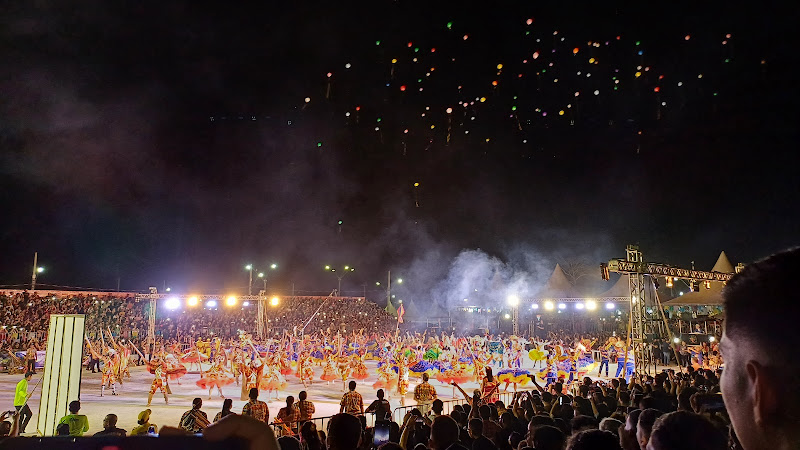
Parque dos Tanques
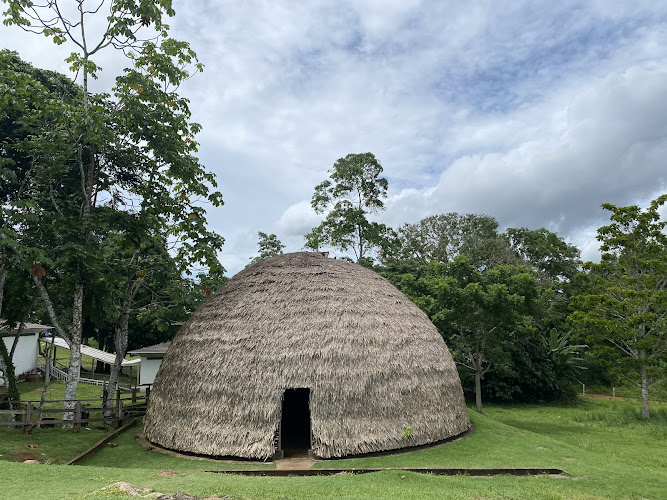
Memorial Rondon
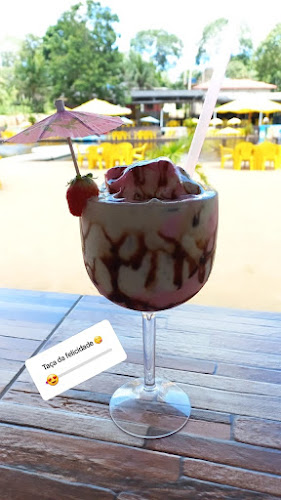
Balneário Água Gelada
Find Accommodations Nearby
Recommended Tours & Activities
Visitor Reviews
There are no reviews yet. Be the first one to write one.
Share Your Experience
Have you visited Porto Velho? Help other travelers by leaving a review.