
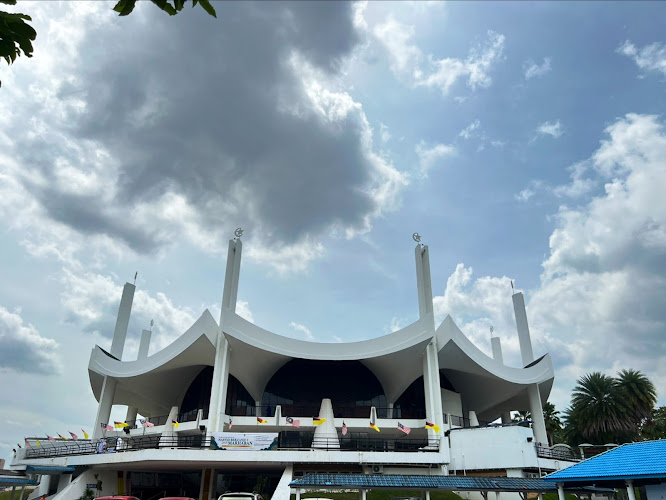
Seremban State Mosque
About Seremban State Mosque
Description
The Seremban State Mosque is one of those places that quietly rewires your expectations. From the outside, it carries the calm authority of a state mosque, but once you step in, the mood softens. Light spills in at angles that make you slow down without realizing it. I remember visiting on a warm afternoon and thinking I’d stay ten minutes, tops. I stayed almost an hour, just sitting and watching people come and go, some clearly local regulars, others travelers like you, shuffling around with phones in hand but slowly lowering them. And that, honestly, is part of the charm.
This mosque functions first as a place of prayer, and you feel that immediately. But it also welcomes curious travelers who want to understand Islamic architecture and daily religious life in Negeri Sembilan. The design leans modern, yet it still nods respectfully to traditional Malay elements. No over-the-top extravagance here. Instead, there’s a sense of balance. Clean lines, generous open spaces, and a quiet dignity that doesn’t scream for attention. And that’s refreshing, especially if you’ve been hopping from one tourist-packed attraction to another.
Travelers often expect mosques to feel intimidating or off-limits. This one doesn’t. As long as you’re respectful, it feels surprisingly open. There are clear pathways for visitors, helpful signage, and usually someone around who’ll gently point you in the right direction if you look lost (which I did, briefly). And yes, it’s well maintained. You’ll notice the floors, the prayer hall, the surrounding grounds, all kept with care, though not in a sterile way. Real people use this place daily, and that gives it warmth.
Another thing worth mentioning: accessibility. Too many attractions overlook this, but here it’s clearly been thought through. Wheelchair users can enter easily, move around without stress, and access restrooms without awkward workarounds. That matters, especially if you’re traveling with family members who need it.
Emotionally, the mosque lands somewhere between peaceful and grounding. You don’t have to be religious to feel it. I’m not, particularly. But there’s something about the hush before prayer time, the soft echo of footsteps, the way conversations naturally drop to whispers. It makes you pause. And in a travel itinerary stuffed with ticking clocks, that pause is gold.
Key Features
- Spacious main prayer hall with clean, uncluttered architectural lines that emphasize calm over grandeur
- Modern Islamic design blended with subtle traditional Malay influences
- Wheelchair-accessible entrance, parking, and restrooms, which honestly isn’t as common as it should be
- Well-maintained ablution areas and visitor-friendly facilities
- Open courtyards and surrounding grounds that invite quiet reflection or slow walks
- Clear separation of prayer areas and visitor zones, making it easier for travelers to explore respectfully
- A generally welcoming atmosphere for non-Muslim visitors who follow basic etiquette
Best Time to Visit
If you ask me, timing makes or breaks the experience here. Early morning is special. The air feels lighter, the light softer, and the mosque is mostly used by locals coming for prayer before starting their day. You’ll see a rhythm that feels authentic, not staged. It’s peaceful, but not empty. And that balance is lovely.
Late afternoon is another strong option, especially if you like photography. The way the sun shifts across the building brings out details you might miss at noon. Midday can be hot, and the energy dips a little, so unless you’re already nearby, I’d skip that window.
Do keep prayer times in mind. During major prayer sessions, visitors may be asked to wait or observe from designated areas. That’s not a downside, just part of respecting how the space is used. Fridays, in particular, are busier. If you want a quieter, more exploratory visit, aim for a weekday morning.
And during Ramadan, the atmosphere changes again. There’s more activity near sunset, more community presence, and a deeper sense of shared purpose. Even if you’re just observing, it can be quite moving. Just be extra mindful of dress and behavior then.
How to Get There
Getting to the Seremban State Mosque is fairly straightforward, even if you’re new to the city. Seremban itself sits on a well-connected route from Kuala Lumpur, so many travelers arrive by train or car. From the city center, it’s a short drive. Ride-hailing services are common and reliable, and drivers generally know the mosque without needing much explanation.
If you’re using public transport, you may need to combine it with a short walk or ride-hail at the end. The area around the mosque isn’t chaotic, which I appreciate. There’s space to breathe, and parking is usually manageable, especially outside peak prayer times.
One small tip from my own experience: allow a little buffer time. Traffic in Malaysian cities can be unpredictable. I once thought I’d cut it close and ended up arriving flustered. Not ideal for a place that encourages calm. Give yourself an extra 15 minutes. You’ll thank me later.
Tips for Visiting
First things first: dress respectfully. This doesn’t mean buying new clothes or dressing like someone you’re not. Long pants, covered shoulders, and modest attire do the job. If you forget, don’t panic. There are usually robes or coverings available for visitors. Still, it’s easier if you plan ahead.
Shoes off before entering the prayer hall. Sounds obvious, but when you’re juggling a camera, a bag, and your own thoughts, it’s easy to forget. Watch what locals do and follow along. That’s my general rule for visiting any place of worship, anywhere in the world.
Photography is usually allowed in non-restricted areas, but be discreet. Avoid taking photos of people praying unless you have clear permission. I’ve seen travelers get a bit carried away here, and it changes the vibe fast. When in doubt, lower the camera and just look.
Keep your voice down. The acoustics amplify sound more than you’d expect. Even a casual chat can bounce around. And yes, that includes phone calls. Step outside if you need to take one. It’s just polite.
If you’re curious, ask questions. But ask them gently, and at the right moment. Some staff or volunteers are happy to explain aspects of the mosque or prayer practices. Others may be busy. Read the room. Or the hall, I guess.
And lastly, give yourself permission to just sit. You don’t need to understand every architectural detail or religious practice to appreciate the place. Sometimes travel isn’t about collecting facts. It’s about how a place makes you feel. The Seremban State Mosque has a way of slowing you down, even if you didn’t know you needed it.
You’ll leave with quieter thoughts, maybe a few photos, and a deeper sense of how daily faith shapes life here. And that, for a traveler, is a pretty meaningful takeaway.
Key Features
- Spacious main prayer hall with clean, uncluttered architectural lines that emphasize calm over grandeur
- Modern Islamic design blended with subtle traditional Malay influences
- Wheelchair-accessible entrance, parking, and restrooms, which honestly isn’t as common as it should be
- Well-maintained ablution areas and visitor-friendly facilities
- Open courtyards and surrounding grounds that invite quiet reflection or slow walks
- Clear separation of prayer areas and visitor zones, making it easier for travelers to explore respectfully
- A generally welcoming atmosphere for non-Muslim visitors who follow basic etiquette
More Details
Updated January 1, 2026
Description
The Seremban State Mosque is one of those places that quietly rewires your expectations. From the outside, it carries the calm authority of a state mosque, but once you step in, the mood softens. Light spills in at angles that make you slow down without realizing it. I remember visiting on a warm afternoon and thinking I’d stay ten minutes, tops. I stayed almost an hour, just sitting and watching people come and go, some clearly local regulars, others travelers like you, shuffling around with phones in hand but slowly lowering them. And that, honestly, is part of the charm.
This mosque functions first as a place of prayer, and you feel that immediately. But it also welcomes curious travelers who want to understand Islamic architecture and daily religious life in Negeri Sembilan. The design leans modern, yet it still nods respectfully to traditional Malay elements. No over-the-top extravagance here. Instead, there’s a sense of balance. Clean lines, generous open spaces, and a quiet dignity that doesn’t scream for attention. And that’s refreshing, especially if you’ve been hopping from one tourist-packed attraction to another.
Travelers often expect mosques to feel intimidating or off-limits. This one doesn’t. As long as you’re respectful, it feels surprisingly open. There are clear pathways for visitors, helpful signage, and usually someone around who’ll gently point you in the right direction if you look lost (which I did, briefly). And yes, it’s well maintained. You’ll notice the floors, the prayer hall, the surrounding grounds, all kept with care, though not in a sterile way. Real people use this place daily, and that gives it warmth.
Another thing worth mentioning: accessibility. Too many attractions overlook this, but here it’s clearly been thought through. Wheelchair users can enter easily, move around without stress, and access restrooms without awkward workarounds. That matters, especially if you’re traveling with family members who need it.
Emotionally, the mosque lands somewhere between peaceful and grounding. You don’t have to be religious to feel it. I’m not, particularly. But there’s something about the hush before prayer time, the soft echo of footsteps, the way conversations naturally drop to whispers. It makes you pause. And in a travel itinerary stuffed with ticking clocks, that pause is gold.
Key Features
- Spacious main prayer hall with clean, uncluttered architectural lines that emphasize calm over grandeur
- Modern Islamic design blended with subtle traditional Malay influences
- Wheelchair-accessible entrance, parking, and restrooms, which honestly isn’t as common as it should be
- Well-maintained ablution areas and visitor-friendly facilities
- Open courtyards and surrounding grounds that invite quiet reflection or slow walks
- Clear separation of prayer areas and visitor zones, making it easier for travelers to explore respectfully
- A generally welcoming atmosphere for non-Muslim visitors who follow basic etiquette
Best Time to Visit
If you ask me, timing makes or breaks the experience here. Early morning is special. The air feels lighter, the light softer, and the mosque is mostly used by locals coming for prayer before starting their day. You’ll see a rhythm that feels authentic, not staged. It’s peaceful, but not empty. And that balance is lovely.
Late afternoon is another strong option, especially if you like photography. The way the sun shifts across the building brings out details you might miss at noon. Midday can be hot, and the energy dips a little, so unless you’re already nearby, I’d skip that window.
Do keep prayer times in mind. During major prayer sessions, visitors may be asked to wait or observe from designated areas. That’s not a downside, just part of respecting how the space is used. Fridays, in particular, are busier. If you want a quieter, more exploratory visit, aim for a weekday morning.
And during Ramadan, the atmosphere changes again. There’s more activity near sunset, more community presence, and a deeper sense of shared purpose. Even if you’re just observing, it can be quite moving. Just be extra mindful of dress and behavior then.
How to Get There
Getting to the Seremban State Mosque is fairly straightforward, even if you’re new to the city. Seremban itself sits on a well-connected route from Kuala Lumpur, so many travelers arrive by train or car. From the city center, it’s a short drive. Ride-hailing services are common and reliable, and drivers generally know the mosque without needing much explanation.
If you’re using public transport, you may need to combine it with a short walk or ride-hail at the end. The area around the mosque isn’t chaotic, which I appreciate. There’s space to breathe, and parking is usually manageable, especially outside peak prayer times.
One small tip from my own experience: allow a little buffer time. Traffic in Malaysian cities can be unpredictable. I once thought I’d cut it close and ended up arriving flustered. Not ideal for a place that encourages calm. Give yourself an extra 15 minutes. You’ll thank me later.
Tips for Visiting
First things first: dress respectfully. This doesn’t mean buying new clothes or dressing like someone you’re not. Long pants, covered shoulders, and modest attire do the job. If you forget, don’t panic. There are usually robes or coverings available for visitors. Still, it’s easier if you plan ahead.
Shoes off before entering the prayer hall. Sounds obvious, but when you’re juggling a camera, a bag, and your own thoughts, it’s easy to forget. Watch what locals do and follow along. That’s my general rule for visiting any place of worship, anywhere in the world.
Photography is usually allowed in non-restricted areas, but be discreet. Avoid taking photos of people praying unless you have clear permission. I’ve seen travelers get a bit carried away here, and it changes the vibe fast. When in doubt, lower the camera and just look.
Keep your voice down. The acoustics amplify sound more than you’d expect. Even a casual chat can bounce around. And yes, that includes phone calls. Step outside if you need to take one. It’s just polite.
If you’re curious, ask questions. But ask them gently, and at the right moment. Some staff or volunteers are happy to explain aspects of the mosque or prayer practices. Others may be busy. Read the room. Or the hall, I guess.
And lastly, give yourself permission to just sit. You don’t need to understand every architectural detail or religious practice to appreciate the place. Sometimes travel isn’t about collecting facts. It’s about how a place makes you feel. The Seremban State Mosque has a way of slowing you down, even if you didn’t know you needed it.
You’ll leave with quieter thoughts, maybe a few photos, and a deeper sense of how daily faith shapes life here. And that, for a traveler, is a pretty meaningful takeaway.
Key Highlights
- Spacious main prayer hall with clean, uncluttered architectural lines that emphasize calm over grandeur
- Modern Islamic design blended with subtle traditional Malay influences
- Wheelchair-accessible entrance, parking, and restrooms, which honestly isn’t as common as it should be
- Well-maintained ablution areas and visitor-friendly facilities
- Open courtyards and surrounding grounds that invite quiet reflection or slow walks
- Clear separation of prayer areas and visitor zones, making it easier for travelers to explore respectfully
- A generally welcoming atmosphere for non-Muslim visitors who follow basic etiquette
Location
Places to Stay Near Seremban State Mosque
Find and Book a Tour
Explore More Travel Guides
No reviews found! Be the first to review!
Traveler Reviews for Seremban State Mosque
There are no reviews yet. Be the first one to write one.
Have you visited Seremban State Mosque? Help other travelers by sharing your review.
You Might Also Like
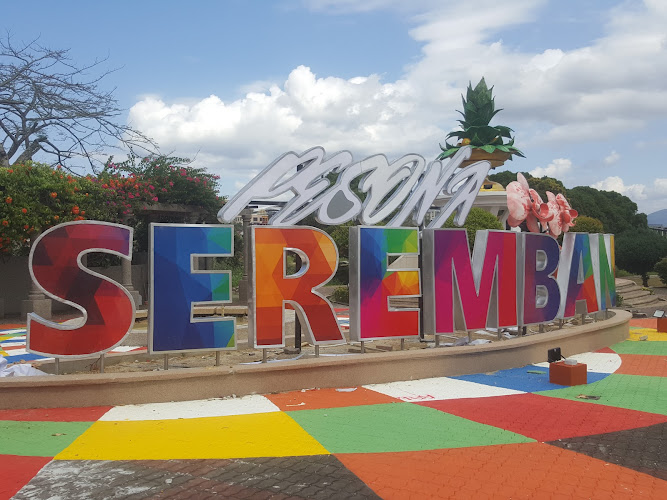
Pesona Seremban (Fascinating Seremban)
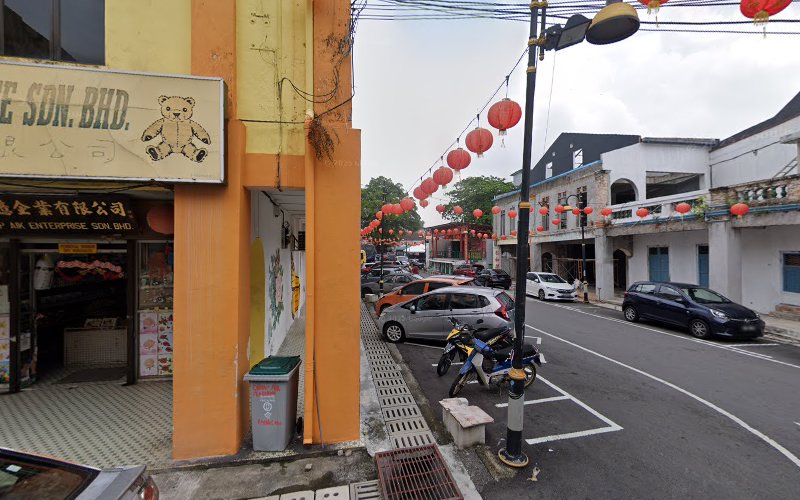
Mural arts

NouraWhiteningC-HQ
Find Accommodations Nearby
Recommended Tours & Activities
Visitor Reviews
There are no reviews yet. Be the first one to write one.
Share Your Experience
Have you visited Seremban State Mosque? Help other travelers by leaving a review.