
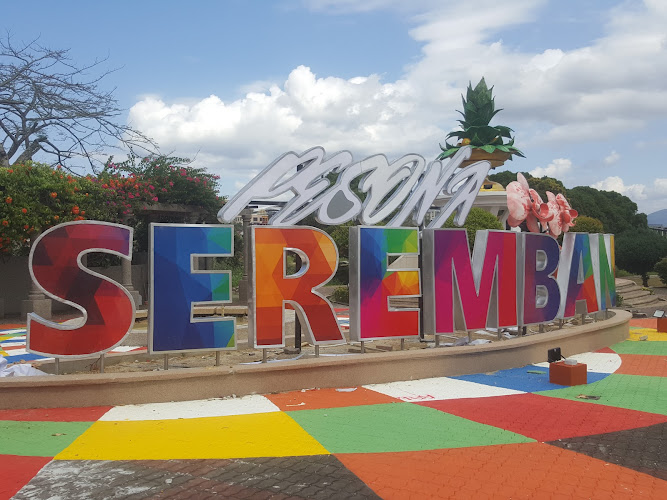
Pesona Seremban (Fascinating Seremban)
About Pesona Seremban (Fascinating Seremban)
Description
Seremban often gets overlooked by travelers rushing between Kuala Lumpur and Melaka, and honestly, that's their loss. This city in Negeri Sembilan state has a personality all its own—one that blends Minangkabau heritage with contemporary Malaysian culture in ways that genuinely surprise first-time visitors. When people talk about Pesona Seremban, they're really referring to this magnetic quality the city possesses, this ability to draw you in with its distinctive architecture, satisfying food scene, and unhurried pace. The city serves as the administrative capital of Negeri Sembilan, but don't let that official designation fool you into thinking it's all government buildings and bureaucracy. Seremban has carved out its own identity, particularly through its connection to Minangkabau culture from Sumatra. You'll notice it immediately in the curved rooflines that sweep upward like buffalo horns—a design element that appears on everything from the State Legislative Assembly building to smaller traditional structures throughout the region. I remember my first visit here, expecting just another Malaysian city, and being genuinely caught off guard by how different it felt from everywhere else I'd been. The architecture alone makes it worth the detour. And the food? Well, we'll get to that. But Seremban's real charm lies in how it manages to feel both authentically traditional and comfortably modern at the same time. It's not trying too hard to be a tourist destination, which paradoxically makes it more appealing to travelers who've grown tired of overly commercialized spots. The place functions both as a tourist attraction in itself and offers various lodging options for visitors who want to use it as a base for exploring the surrounding Negeri Sembilan region. What makes it particularly suitable for families is how kid-friendly most attractions are—parents can actually relax here without constantly worrying about whether their children will be entertained or accommodated.Key Features
Travelers who make the journey to Seremban discover a destination that rewards curiosity and appreciation for cultural authenticity. Here's what makes this place worth your time: • Minangkabau Architecture - The distinctive curved rooflines appear throughout the city, creating a skyline unlike anywhere else in Malaysia. These aren't just decorative elements but represent a living cultural heritage brought by Minangkabau settlers centuries ago. • State Museum Complex - This isn't your typical boring museum experience. The complex showcases traditional Minangkabau houses and offers genuine insight into local customs, royal heritage, and historical artifacts that tell the story of Negeri Sembilan's unique matrilineal society. • Seri Menanti Royal Museum - Located slightly outside the main city, this former royal palace was constructed entirely without nails in 1908. The craftsmanship is absolutely remarkable, and it provides context for understanding the state's royal traditions. • Lake Gardens - A peaceful green space where locals actually hang out, not just a tourist trap. Great for morning walks or evening relaxation, with proper walking paths and areas where families gather. • Food Scene - Seremban siew pau (baked buns) are legendary throughout Malaysia. But beyond that, the city offers excellent Minangkabau cuisine, particularly rendang and various dishes featuring beef—this is cattle country, after all. • Centipede Temple - One of the more unusual attractions, this Buddhist temple gained its nickname from the 100-foot long dragon sculpture on its roof. The temple complex includes caves and offers panoramic city views. • Shopping and Markets - Traditional markets sit alongside modern shopping centers, giving visitors options whether they want to haggle for local products or browse air-conditioned retail spaces. • Gateway Position - Seremban's location makes it an excellent jumping-off point for exploring surrounding attractions like Port Dickson's beaches or the cool climate of Jelebu highlands.Best Time to Visit
Here's the thing about Seremban—it doesn't really have a tourist "season" in the traditional sense, which actually works in your favor. The city maintains a fairly consistent tropical climate throughout the year, but there are definitely better and worse times to plan your visit. The driest months typically fall between May and July, which makes this period ideal if you're planning to do outdoor activities or visit the surrounding countryside. Temperatures hover around 27-32 degrees Celsius during the day, which is warm but manageable if you're prepared for tropical heat. I've found that visiting during weekdays in these months gives you a much more authentic experience since you'll encounter more locals going about their daily routines rather than weekend crowds. The monsoon season technically runs from November through February, but Seremban doesn't get hammered quite as hard as the east coast. You'll experience afternoon showers more frequently, but these often provide welcome relief from the heat and rarely last all day. If you don't mind occasional rain and want to avoid whatever crowds do visit Seremban, these months offer good value in terms of accommodation prices. March and April can be brutally hot and humid—not ideal unless you have a high tolerance for sweltering weather. But if you do visit during these months, you'll have many attractions practically to yourself. Weekend visits mean encountering more local tourists, particularly families from Kuala Lumpur making day trips. This creates a livelier atmosphere but also means longer waits at popular restaurants and busier attractions. School holiday periods (late November, mid-year around June, and the long break from late October to November) see increased domestic tourism. For cultural experiences, timing your visit around Negeri Sembilan Day (January 14) or other state celebrations can provide unique insights into local traditions, though you'll need to book accommodation further in advance during these periods.How to Get There
Getting to Seremban is straightforward enough that even travelers who typically get lost finding their hotel room shouldn't have trouble. The city sits about 60 kilometers south of Kuala Lumpur, making it easily accessible by multiple transport options. Driving from Kuala Lumpur takes roughly an hour via the North-South Expressway. The drive itself is pretty boring—typical Malaysian highway scenery—but it's direct and well-maintained. If you're renting a car anyway for exploring the broader region, this gives you maximum flexibility. Parking in Seremban is generally easier and cheaper than in KL, which is a nice bonus. The KTM Komuter train service connects Seremban directly to Kuala Lumpur, running regularly throughout the day. This is honestly my preferred method since you avoid highway traffic and can relax during the journey. The trains are air-conditioned and comfortable, though they can get crowded during peak commuting hours. From KL Sentral station, the journey takes about 90 minutes to Seremban station, which sits fairly central to most attractions. Bus services run frequently from Terminal Bersepadu Selatan (TBS) in Kuala Lumpur, with journey times similar to driving depending on traffic conditions. Several bus companies operate this route, and tickets are inexpensive. The Seremban bus terminal (Terminal One) connects to local transportation options. For international travelers, you'll likely fly into Kuala Lumpur International Airport (KLIA), which is actually closer to Seremban than to central KL. From KLIA, you can take a taxi directly to Seremban (about 30-40 minutes) or connect via train through KL Sentral if you prefer public transport. Once you're in Seremban, getting around requires either taxis (including ride-hailing apps like Grab), rental cars, or a willingness to walk between nearby attractions. The city doesn't have an extensive public transportation network within its boundaries, so plan accordingly.Tips for Visiting
After several visits to Seremban over the years, I've picked up some practical wisdom that might save you from the minor headaches I experienced figuring things out. Start your day early, particularly if you're visiting during warmer months. The morning hours before 10 AM offer the most comfortable weather for walking around and exploring outdoor attractions. Plus, you'll catch locals during their morning routines, which provides a more authentic glimpse of daily life. The markets are particularly worth visiting early when everything's fresh and the energy is high. Don't skip the local food, but be strategic about it. Seremban siew pau is sold at numerous shops, but locals have strong opinions about which vendors make the best ones. Ask your hotel staff or grab a taxi driver's recommendation—they'll steer you right. For proper Minangkabau cuisine, lunch is often better than dinner since many traditional restaurants cater to the lunch crowd and may close early evening. Dress modestly when visiting religious sites or traditional areas. This is pretty standard advice for Malaysia, but it bears repeating. Bring a light scarf or shawl that can cover shoulders or be wrapped around your waist if needed. And honestly, lightweight, breathable clothing makes the heat much more bearable anyway. Learn a few basic Malay phrases. While many people speak English, particularly in tourist areas, making an effort with the local language goes a long way. Simple greetings and "terima kasih" (thank you) will earn you smiles and often better service. The mobile internet coverage is excellent throughout Seremban, so getting a local SIM card or portable wifi device makes navigation and translation much easier. Google Maps works well here for finding attractions and restaurants. If you're traveling with kids, the parks and gardens offer good opportunities for them to burn off energy. The Lake Gardens in particular provides space for children to run around safely while parents can actually sit and relax for a bit. Many restaurants are genuinely welcoming to families, though some more upscale establishments might be better suited for adults. Budget wise, Seremban is considerably cheaper than Kuala Lumpur for most things—accommodation, food, and activities all cost less. This makes it an attractive option for travelers watching their spending or families who want to stretch their ringgit further. Photography enthusiasts should definitely bring proper camera equipment. The Minangkabau architecture provides fantastic subjects, particularly during golden hour when the curved rooflines catch beautiful light. But be respectful when photographing people—always ask permission first. Weather can change quickly, so carry a small umbrella or light rain jacket. Those afternoon showers I mentioned earlier don't always announce themselves in advance, and getting caught in a tropical downpour without protection isn't fun. Finally, don't rush through Seremban. I've seen too many travelers treat it as a quick stopover between KL and Melaka, spending maybe two hours before moving on. Give yourself at least a full day, preferably two, to really appreciate what makes this place special. The charm isn't immediately obvious—it reveals itself gradually as you wander the streets, taste the food, and observe the daily rhythms of life here.Key Features
- Showcase of Minangkabau-influenced architecture and cultural motifs
- Local food stalls and eateries highlighting Negeri Sembilan specialties
- Handicraft and souvenir stalls featuring local artisans
- Occasional cultural performances and craft demonstrations
- Small-scale lodging options with homestay feel
More Details
Updated January 5, 2026
Table of Contents
- Description
- Key Features
- Best Time to Visit
- How to Get There
- Tips for Visiting
- Key Highlights
- Location
- Places to Stay Near Pesona Seremban (Fascinating Seremban)
- Find and Book a Tour
- Explore More Travel Guides
- Nearby Places You Might Like
- Traveler Reviews for Pesona Seremban (Fascinating Seremban)
- Share Your Experience
Description
Seremban often gets overlooked by travelers rushing between Kuala Lumpur and Melaka, and honestly, that’s their loss. This city in Negeri Sembilan state has a personality all its own—one that blends Minangkabau heritage with contemporary Malaysian culture in ways that genuinely surprise first-time visitors. When people talk about Pesona Seremban, they’re really referring to this magnetic quality the city possesses, this ability to draw you in with its distinctive architecture, satisfying food scene, and unhurried pace.
The city serves as the administrative capital of Negeri Sembilan, but don’t let that official designation fool you into thinking it’s all government buildings and bureaucracy. Seremban has carved out its own identity, particularly through its connection to Minangkabau culture from Sumatra. You’ll notice it immediately in the curved rooflines that sweep upward like buffalo horns—a design element that appears on everything from the State Legislative Assembly building to smaller traditional structures throughout the region.
I remember my first visit here, expecting just another Malaysian city, and being genuinely caught off guard by how different it felt from everywhere else I’d been. The architecture alone makes it worth the detour. And the food? Well, we’ll get to that. But Seremban’s real charm lies in how it manages to feel both authentically traditional and comfortably modern at the same time. It’s not trying too hard to be a tourist destination, which paradoxically makes it more appealing to travelers who’ve grown tired of overly commercialized spots.
The place functions both as a tourist attraction in itself and offers various lodging options for visitors who want to use it as a base for exploring the surrounding Negeri Sembilan region. What makes it particularly suitable for families is how kid-friendly most attractions are—parents can actually relax here without constantly worrying about whether their children will be entertained or accommodated.
Key Features
Travelers who make the journey to Seremban discover a destination that rewards curiosity and appreciation for cultural authenticity. Here’s what makes this place worth your time:
• Minangkabau Architecture – The distinctive curved rooflines appear throughout the city, creating a skyline unlike anywhere else in Malaysia. These aren’t just decorative elements but represent a living cultural heritage brought by Minangkabau settlers centuries ago.
• State Museum Complex – This isn’t your typical boring museum experience. The complex showcases traditional Minangkabau houses and offers genuine insight into local customs, royal heritage, and historical artifacts that tell the story of Negeri Sembilan’s unique matrilineal society.
• Seri Menanti Royal Museum – Located slightly outside the main city, this former royal palace was constructed entirely without nails in 1908. The craftsmanship is absolutely remarkable, and it provides context for understanding the state’s royal traditions.
• Lake Gardens – A peaceful green space where locals actually hang out, not just a tourist trap. Great for morning walks or evening relaxation, with proper walking paths and areas where families gather.
• Food Scene – Seremban siew pau (baked buns) are legendary throughout Malaysia. But beyond that, the city offers excellent Minangkabau cuisine, particularly rendang and various dishes featuring beef—this is cattle country, after all.
• Centipede Temple – One of the more unusual attractions, this Buddhist temple gained its nickname from the 100-foot long dragon sculpture on its roof. The temple complex includes caves and offers panoramic city views.
• Shopping and Markets – Traditional markets sit alongside modern shopping centers, giving visitors options whether they want to haggle for local products or browse air-conditioned retail spaces.
• Gateway Position – Seremban’s location makes it an excellent jumping-off point for exploring surrounding attractions like Port Dickson’s beaches or the cool climate of Jelebu highlands.
Best Time to Visit
Here’s the thing about Seremban—it doesn’t really have a tourist “season” in the traditional sense, which actually works in your favor. The city maintains a fairly consistent tropical climate throughout the year, but there are definitely better and worse times to plan your visit.
The driest months typically fall between May and July, which makes this period ideal if you’re planning to do outdoor activities or visit the surrounding countryside. Temperatures hover around 27-32 degrees Celsius during the day, which is warm but manageable if you’re prepared for tropical heat. I’ve found that visiting during weekdays in these months gives you a much more authentic experience since you’ll encounter more locals going about their daily routines rather than weekend crowds.
The monsoon season technically runs from November through February, but Seremban doesn’t get hammered quite as hard as the east coast. You’ll experience afternoon showers more frequently, but these often provide welcome relief from the heat and rarely last all day. If you don’t mind occasional rain and want to avoid whatever crowds do visit Seremban, these months offer good value in terms of accommodation prices.
March and April can be brutally hot and humid—not ideal unless you have a high tolerance for sweltering weather. But if you do visit during these months, you’ll have many attractions practically to yourself.
Weekend visits mean encountering more local tourists, particularly families from Kuala Lumpur making day trips. This creates a livelier atmosphere but also means longer waits at popular restaurants and busier attractions. School holiday periods (late November, mid-year around June, and the long break from late October to November) see increased domestic tourism.
For cultural experiences, timing your visit around Negeri Sembilan Day (January 14) or other state celebrations can provide unique insights into local traditions, though you’ll need to book accommodation further in advance during these periods.
How to Get There
Getting to Seremban is straightforward enough that even travelers who typically get lost finding their hotel room shouldn’t have trouble. The city sits about 60 kilometers south of Kuala Lumpur, making it easily accessible by multiple transport options.
Driving from Kuala Lumpur takes roughly an hour via the North-South Expressway. The drive itself is pretty boring—typical Malaysian highway scenery—but it’s direct and well-maintained. If you’re renting a car anyway for exploring the broader region, this gives you maximum flexibility. Parking in Seremban is generally easier and cheaper than in KL, which is a nice bonus.
The KTM Komuter train service connects Seremban directly to Kuala Lumpur, running regularly throughout the day. This is honestly my preferred method since you avoid highway traffic and can relax during the journey. The trains are air-conditioned and comfortable, though they can get crowded during peak commuting hours. From KL Sentral station, the journey takes about 90 minutes to Seremban station, which sits fairly central to most attractions.
Bus services run frequently from Terminal Bersepadu Selatan (TBS) in Kuala Lumpur, with journey times similar to driving depending on traffic conditions. Several bus companies operate this route, and tickets are inexpensive. The Seremban bus terminal (Terminal One) connects to local transportation options.
For international travelers, you’ll likely fly into Kuala Lumpur International Airport (KLIA), which is actually closer to Seremban than to central KL. From KLIA, you can take a taxi directly to Seremban (about 30-40 minutes) or connect via train through KL Sentral if you prefer public transport.
Once you’re in Seremban, getting around requires either taxis (including ride-hailing apps like Grab), rental cars, or a willingness to walk between nearby attractions. The city doesn’t have an extensive public transportation network within its boundaries, so plan accordingly.
Tips for Visiting
After several visits to Seremban over the years, I’ve picked up some practical wisdom that might save you from the minor headaches I experienced figuring things out.
Start your day early, particularly if you’re visiting during warmer months. The morning hours before 10 AM offer the most comfortable weather for walking around and exploring outdoor attractions. Plus, you’ll catch locals during their morning routines, which provides a more authentic glimpse of daily life. The markets are particularly worth visiting early when everything’s fresh and the energy is high.
Don’t skip the local food, but be strategic about it. Seremban siew pau is sold at numerous shops, but locals have strong opinions about which vendors make the best ones. Ask your hotel staff or grab a taxi driver’s recommendation—they’ll steer you right. For proper Minangkabau cuisine, lunch is often better than dinner since many traditional restaurants cater to the lunch crowd and may close early evening.
Dress modestly when visiting religious sites or traditional areas. This is pretty standard advice for Malaysia, but it bears repeating. Bring a light scarf or shawl that can cover shoulders or be wrapped around your waist if needed. And honestly, lightweight, breathable clothing makes the heat much more bearable anyway.
Learn a few basic Malay phrases. While many people speak English, particularly in tourist areas, making an effort with the local language goes a long way. Simple greetings and “terima kasih” (thank you) will earn you smiles and often better service.
The mobile internet coverage is excellent throughout Seremban, so getting a local SIM card or portable wifi device makes navigation and translation much easier. Google Maps works well here for finding attractions and restaurants.
If you’re traveling with kids, the parks and gardens offer good opportunities for them to burn off energy. The Lake Gardens in particular provides space for children to run around safely while parents can actually sit and relax for a bit. Many restaurants are genuinely welcoming to families, though some more upscale establishments might be better suited for adults.
Budget wise, Seremban is considerably cheaper than Kuala Lumpur for most things—accommodation, food, and activities all cost less. This makes it an attractive option for travelers watching their spending or families who want to stretch their ringgit further.
Photography enthusiasts should definitely bring proper camera equipment. The Minangkabau architecture provides fantastic subjects, particularly during golden hour when the curved rooflines catch beautiful light. But be respectful when photographing people—always ask permission first.
Weather can change quickly, so carry a small umbrella or light rain jacket. Those afternoon showers I mentioned earlier don’t always announce themselves in advance, and getting caught in a tropical downpour without protection isn’t fun.
Finally, don’t rush through Seremban. I’ve seen too many travelers treat it as a quick stopover between KL and Melaka, spending maybe two hours before moving on. Give yourself at least a full day, preferably two, to really appreciate what makes this place special. The charm isn’t immediately obvious—it reveals itself gradually as you wander the streets, taste the food, and observe the daily rhythms of life here.
Key Highlights
- Showcase of Minangkabau-influenced architecture and cultural motifs
- Local food stalls and eateries highlighting Negeri Sembilan specialties
- Handicraft and souvenir stalls featuring local artisans
- Occasional cultural performances and craft demonstrations
- Small-scale lodging options with homestay feel
Location
Places to Stay Near Pesona Seremban (Fascinating Seremban)
Find and Book a Tour
Explore More Travel Guides
No reviews found! Be the first to review!
Traveler Reviews for Pesona Seremban (Fascinating Seremban)
There are no reviews yet. Be the first one to write one.
Have you visited Pesona Seremban (Fascinating Seremban)? Help other travelers by sharing your review.
Nearby Attractions
You Might Also Like
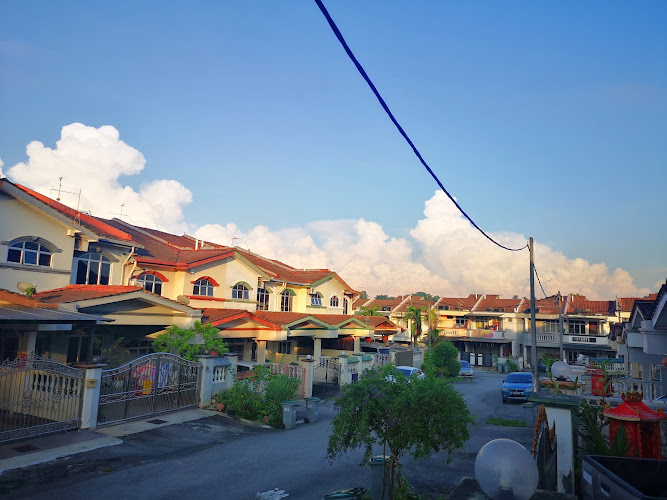
Seremban

NouraWhiteningC-HQ
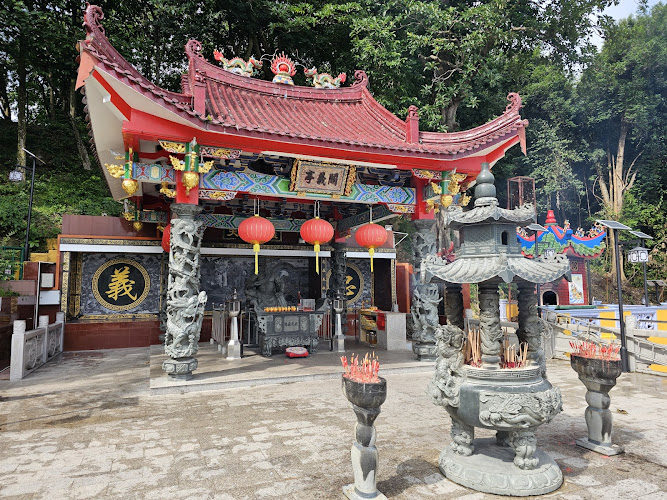
Tokong Then Sze Koon
Find Accommodations Nearby
Recommended Tours & Activities
Visitor Reviews
There are no reviews yet. Be the first one to write one.
Share Your Experience
Have you visited Pesona Seremban (Fascinating Seremban)? Help other travelers by leaving a review.