

Kompleks Al-Saadah
About Kompleks Al-Saadah
Description
Kompleks Al-Saadah stands as an impressive mosque and tourist attraction that draws visitors from across the globe who seek both spiritual enrichment and architectural beauty. This place has become something many travelers add to their itinerary when exploring the region, and honestly, it's pretty easy to see why once you arrive. The complex serves primarily as a functioning mosque where local Muslim communities gather for daily prayers and special religious observances. But what makes this place particularly interesting for travelers is how it manages to balance its role as an active place of worship with being genuinely welcoming to curious visitors who want to learn about Islamic architecture and culture. I've always found that the most memorable religious sites are those that don't feel like museums - they're living, breathing spaces where faith is practiced daily, and this complex definitely fits that description. The architecture itself commands attention without being overly flashy. Traditional Islamic design elements merge with practical modern considerations, creating a space that feels both timeless and accessible. The prayer halls feature stunning geometric patterns and calligraphy that speak to centuries of Islamic artistic tradition, while the overall layout reflects thoughtful urban planning. And let me tell you, when sunlight filters through the windows during certain times of day, the interplay of light and shadow creates these really beautiful moments that no photograph quite captures. What struck me most about reading visitor experiences is how many people mention the peaceful atmosphere. In our increasingly hectic world, finding places where you can actually pause and reflect has become somewhat rare. The complex offers that opportunity whether you're there for religious purposes or simply seeking a quiet moment away from the usual tourist crowds.Key Features
The Kompleks Al-Saadah offers several features that enhance the visitor experience and make it stand out among religious sites in the region: • Complete wheelchair accessibility throughout the entire complex, including the entrance, parking facilities, and restrooms - making it one of the more inclusive religious sites you'll encounter • Dedicated parking area that accommodates both regular visitors and those requiring accessible parking spaces, which honestly makes a huge difference when you're planning a visit • Well-maintained restroom facilities available to all visitors, addressing a practical concern that many travelers worry about when visiting religious sites • Spacious prayer halls that showcase traditional Islamic architectural elements including intricate geometric patterns and Arabic calligraphy • Separate prayer areas designed to accommodate both men and women following Islamic customs • Open courtyard spaces that provide areas for reflection and conversation outside the main prayer halls • Educational opportunities for non-Muslim visitors interested in learning about Islamic practices and architectural traditions • Clean, well-kept grounds that reflect the community's dedication to maintaining this important space • Natural lighting design that creates an atmosphere conducive to contemplation and prayer throughout the day • Welcoming staff and community members who generally appreciate respectful visitors and often share insights about the mosque's significanceBest Time to Visit
Timing your visit to Kompleks Al-Saadah requires some consideration if you want to have the best experience possible. The mosque operates on a daily schedule that revolves around the five Islamic prayer times, and these will significantly impact your visit. For non-Muslim tourists, the ideal window typically falls between prayer times when the space is more accessible and community members have more availability to engage with visitors. Mid-morning, roughly between 9 AM and 11 AM, often works well as it falls after the Fajr (dawn) prayer and before Dhuhr (midday) prayer. Late afternoon times can also be good, though you'll want to avoid Friday afternoons when Jummah (congregational Friday prayer) takes place - this is the busiest time of the week and probably not ideal for casual touring. Seasonally speaking, the cooler months tend to be more comfortable for extended visits, particularly if you'll be exploring outdoor areas of the complex. But really, the mosque welcomes visitors year-round, and the indoor spaces are typically climate-controlled. One thing I'd suggest is avoiding major Islamic holidays like Ramadan or Eid celebrations unless you're specifically interested in observing these events. During these periods, the mosque becomes understandably crowded with worshippers, and facilitating tourist visits becomes a lower priority. That said, if you do find yourself in the area during Ramadan and can visit during appropriate times, the atmosphere takes on this really special quality that you won't experience during regular periods. Weekdays generally see fewer visitors than weekends, so if you prefer a quieter, more contemplative experience, plan accordingly. The complex seems to hit that sweet spot on Tuesday through Thursday mornings when you can appreciate the space without feeling like you're either completely alone or fighting through crowds.How to Get There
Getting to Kompleks Al-Saadah requires some planning, though it's certainly achievable for most travelers. The complex benefits from having dedicated parking facilities, which immediately makes it more accessible than many urban religious sites where parking becomes a frustrating ordeal. If you're driving yourself, GPS coordinates work reliably for navigation, and most modern mapping applications will get you there without too much trouble. The parking lot can accommodate a decent number of vehicles, and the accessible parking spaces are clearly marked near the entrance - a detail that matters more than people realize when you're dealing with mobility considerations. Taxi services and ride-sharing apps generally work well for reaching the complex. Drivers in the area are familiar with the location, though having the exact address saved on your phone never hurts. I always recommend confirming the pickup location with your driver since large complexes sometimes have multiple entrances, and you don't want to be waiting on opposite sides of a building wondering where everyone is. Public transportation options will depend heavily on the specific transit infrastructure in the surrounding area. Some visitors report using local bus services successfully, though you'll want to research current routes and schedules since these can change. Religious sites often sit along major thoroughfares that public transport serves, but don't just assume this - actually check before committing to that travel plan. For tourists staying in nearby hotels, some accommodations might offer shuttle services or can arrange transportation. It's worth asking at your hotel desk since they frequently have relationships with reliable drivers who know the area well and can provide insights during the journey. Walking to the complex is possible if you're staying very nearby, though consider the weather and your own comfort level with navigating an unfamiliar area on foot. The wheelchair-accessible entrance suggests well-maintained pathways, which is encouraging for pedestrians generally.Tips for Visiting
Making the most of your visit to Kompleks Al-Saadah really comes down to preparation and respect. First and foremost, dress modestly - this isn't the place for shorts, tank tops, or anything revealing. Women should bring a headscarf to cover their hair; if you forget, many mosques keep extras available, but don't count on it. Men should wear long pants and shirts that cover their shoulders. Think of it as showing respect for the space and the people who worship there regularly. Remove your shoes before entering the prayer halls. You'll typically find designated areas for shoe storage near the entrances. Bringing socks is smart since walking barefoot on floors that hundreds of other barefoot people have walked on isn't everyone's favorite experience. Photography policies vary at different religious sites, so ask before snapping away. Some areas might welcome photography while others consider it inappropriate, particularly during prayer times. When in doubt, put the camera down and just experience the moment - you'll remember it better anyway. Maintain quiet within the prayer halls even when prayers aren't actively happening. People often come to mosques for personal reflection and prayer outside the scheduled times, and loud conversations or disruptive behavior undermines that purpose. Save the animated discussions for the courtyard or parking lot. If you're visiting during prayer times, stay in designated visitor areas and observe without interfering. Watching the prayer ritual can be incredibly interesting from an educational perspective, but positioning yourself in the prayer space or moving around during prayers is disruptive and disrespectful. Consider visiting with someone familiar with Islamic customs if you're feeling uncertain about protocol. Many communities have interfaith organizations or cultural centers that organize mosque visits specifically designed for people wanting to learn. These structured visits often include explanations and Q&A sessions that enhance understanding. The wheelchair accessibility features are genuinely useful, so don't hesitate to use them if needed. The community has invested in making the space inclusive, and that infrastructure exists to be used. Bring water, especially during warmer months, though drink it outside the prayer halls. Restroom facilities are available, which addresses one of those practical concerns that can make or break a visit to any attraction. Finally - and this might sound obvious but needs saying - approach your visit with genuine curiosity and respect rather than treating it as just another tourist checkbox. The overwhelmingly positive visitor reviews suggest that people who come with open minds and respectful attitudes have meaningful experiences. The Kompleks Al-Saadah offers a window into Islamic faith and culture that few other venues provide, and taking advantage of that opportunity requires bringing your best behavior and authentic interest to the visit.Key Features
- Distinctive Chinese-style roof and decorative motifs integrated into mosque architecture
- Main prayer hall suitable for congregational worship with separate ablution facilities
- Community and event spaces for religious education and social programs
- Accessible urban location in Bandar Seremban with nearby parking and transit options
- Well-regarded by visitors (local ratings around 4.6/5) and photographed as a cultural landmark
More Details
Updated January 5, 2026
Description
Kompleks Al-Saadah stands as an impressive mosque and tourist attraction that draws visitors from across the globe who seek both spiritual enrichment and architectural beauty. This place has become something many travelers add to their itinerary when exploring the region, and honestly, it’s pretty easy to see why once you arrive.
The complex serves primarily as a functioning mosque where local Muslim communities gather for daily prayers and special religious observances. But what makes this place particularly interesting for travelers is how it manages to balance its role as an active place of worship with being genuinely welcoming to curious visitors who want to learn about Islamic architecture and culture. I’ve always found that the most memorable religious sites are those that don’t feel like museums – they’re living, breathing spaces where faith is practiced daily, and this complex definitely fits that description.
The architecture itself commands attention without being overly flashy. Traditional Islamic design elements merge with practical modern considerations, creating a space that feels both timeless and accessible. The prayer halls feature stunning geometric patterns and calligraphy that speak to centuries of Islamic artistic tradition, while the overall layout reflects thoughtful urban planning. And let me tell you, when sunlight filters through the windows during certain times of day, the interplay of light and shadow creates these really beautiful moments that no photograph quite captures.
What struck me most about reading visitor experiences is how many people mention the peaceful atmosphere. In our increasingly hectic world, finding places where you can actually pause and reflect has become somewhat rare. The complex offers that opportunity whether you’re there for religious purposes or simply seeking a quiet moment away from the usual tourist crowds.
Key Features
The Kompleks Al-Saadah offers several features that enhance the visitor experience and make it stand out among religious sites in the region:
• Complete wheelchair accessibility throughout the entire complex, including the entrance, parking facilities, and restrooms – making it one of the more inclusive religious sites you’ll encounter
• Dedicated parking area that accommodates both regular visitors and those requiring accessible parking spaces, which honestly makes a huge difference when you’re planning a visit
• Well-maintained restroom facilities available to all visitors, addressing a practical concern that many travelers worry about when visiting religious sites
• Spacious prayer halls that showcase traditional Islamic architectural elements including intricate geometric patterns and Arabic calligraphy
• Separate prayer areas designed to accommodate both men and women following Islamic customs
• Open courtyard spaces that provide areas for reflection and conversation outside the main prayer halls
• Educational opportunities for non-Muslim visitors interested in learning about Islamic practices and architectural traditions
• Clean, well-kept grounds that reflect the community’s dedication to maintaining this important space
• Natural lighting design that creates an atmosphere conducive to contemplation and prayer throughout the day
• Welcoming staff and community members who generally appreciate respectful visitors and often share insights about the mosque’s significance
Best Time to Visit
Timing your visit to Kompleks Al-Saadah requires some consideration if you want to have the best experience possible. The mosque operates on a daily schedule that revolves around the five Islamic prayer times, and these will significantly impact your visit.
For non-Muslim tourists, the ideal window typically falls between prayer times when the space is more accessible and community members have more availability to engage with visitors. Mid-morning, roughly between 9 AM and 11 AM, often works well as it falls after the Fajr (dawn) prayer and before Dhuhr (midday) prayer. Late afternoon times can also be good, though you’ll want to avoid Friday afternoons when Jummah (congregational Friday prayer) takes place – this is the busiest time of the week and probably not ideal for casual touring.
Seasonally speaking, the cooler months tend to be more comfortable for extended visits, particularly if you’ll be exploring outdoor areas of the complex. But really, the mosque welcomes visitors year-round, and the indoor spaces are typically climate-controlled.
One thing I’d suggest is avoiding major Islamic holidays like Ramadan or Eid celebrations unless you’re specifically interested in observing these events. During these periods, the mosque becomes understandably crowded with worshippers, and facilitating tourist visits becomes a lower priority. That said, if you do find yourself in the area during Ramadan and can visit during appropriate times, the atmosphere takes on this really special quality that you won’t experience during regular periods.
Weekdays generally see fewer visitors than weekends, so if you prefer a quieter, more contemplative experience, plan accordingly. The complex seems to hit that sweet spot on Tuesday through Thursday mornings when you can appreciate the space without feeling like you’re either completely alone or fighting through crowds.
How to Get There
Getting to Kompleks Al-Saadah requires some planning, though it’s certainly achievable for most travelers. The complex benefits from having dedicated parking facilities, which immediately makes it more accessible than many urban religious sites where parking becomes a frustrating ordeal.
If you’re driving yourself, GPS coordinates work reliably for navigation, and most modern mapping applications will get you there without too much trouble. The parking lot can accommodate a decent number of vehicles, and the accessible parking spaces are clearly marked near the entrance – a detail that matters more than people realize when you’re dealing with mobility considerations.
Taxi services and ride-sharing apps generally work well for reaching the complex. Drivers in the area are familiar with the location, though having the exact address saved on your phone never hurts. I always recommend confirming the pickup location with your driver since large complexes sometimes have multiple entrances, and you don’t want to be waiting on opposite sides of a building wondering where everyone is.
Public transportation options will depend heavily on the specific transit infrastructure in the surrounding area. Some visitors report using local bus services successfully, though you’ll want to research current routes and schedules since these can change. Religious sites often sit along major thoroughfares that public transport serves, but don’t just assume this – actually check before committing to that travel plan.
For tourists staying in nearby hotels, some accommodations might offer shuttle services or can arrange transportation. It’s worth asking at your hotel desk since they frequently have relationships with reliable drivers who know the area well and can provide insights during the journey.
Walking to the complex is possible if you’re staying very nearby, though consider the weather and your own comfort level with navigating an unfamiliar area on foot. The wheelchair-accessible entrance suggests well-maintained pathways, which is encouraging for pedestrians generally.
Tips for Visiting
Making the most of your visit to Kompleks Al-Saadah really comes down to preparation and respect. First and foremost, dress modestly – this isn’t the place for shorts, tank tops, or anything revealing. Women should bring a headscarf to cover their hair; if you forget, many mosques keep extras available, but don’t count on it. Men should wear long pants and shirts that cover their shoulders. Think of it as showing respect for the space and the people who worship there regularly.
Remove your shoes before entering the prayer halls. You’ll typically find designated areas for shoe storage near the entrances. Bringing socks is smart since walking barefoot on floors that hundreds of other barefoot people have walked on isn’t everyone’s favorite experience.
Photography policies vary at different religious sites, so ask before snapping away. Some areas might welcome photography while others consider it inappropriate, particularly during prayer times. When in doubt, put the camera down and just experience the moment – you’ll remember it better anyway.
Maintain quiet within the prayer halls even when prayers aren’t actively happening. People often come to mosques for personal reflection and prayer outside the scheduled times, and loud conversations or disruptive behavior undermines that purpose. Save the animated discussions for the courtyard or parking lot.
If you’re visiting during prayer times, stay in designated visitor areas and observe without interfering. Watching the prayer ritual can be incredibly interesting from an educational perspective, but positioning yourself in the prayer space or moving around during prayers is disruptive and disrespectful.
Consider visiting with someone familiar with Islamic customs if you’re feeling uncertain about protocol. Many communities have interfaith organizations or cultural centers that organize mosque visits specifically designed for people wanting to learn. These structured visits often include explanations and Q&A sessions that enhance understanding.
The wheelchair accessibility features are genuinely useful, so don’t hesitate to use them if needed. The community has invested in making the space inclusive, and that infrastructure exists to be used.
Bring water, especially during warmer months, though drink it outside the prayer halls. Restroom facilities are available, which addresses one of those practical concerns that can make or break a visit to any attraction.
Finally – and this might sound obvious but needs saying – approach your visit with genuine curiosity and respect rather than treating it as just another tourist checkbox. The overwhelmingly positive visitor reviews suggest that people who come with open minds and respectful attitudes have meaningful experiences. The Kompleks Al-Saadah offers a window into Islamic faith and culture that few other venues provide, and taking advantage of that opportunity requires bringing your best behavior and authentic interest to the visit.
Key Highlights
- Distinctive Chinese-style roof and decorative motifs integrated into mosque architecture
- Main prayer hall suitable for congregational worship with separate ablution facilities
- Community and event spaces for religious education and social programs
- Accessible urban location in Bandar Seremban with nearby parking and transit options
- Well-regarded by visitors (local ratings around 4.6/5) and photographed as a cultural landmark
Location
Places to Stay Near Kompleks Al-Saadah
Find and Book a Tour
Explore More Travel Guides
No reviews found! Be the first to review!
Traveler Reviews for Kompleks Al-Saadah
There are no reviews yet. Be the first one to write one.
Have you visited Kompleks Al-Saadah? Help other travelers by sharing your review.
Nearby Attractions
You Might Also Like
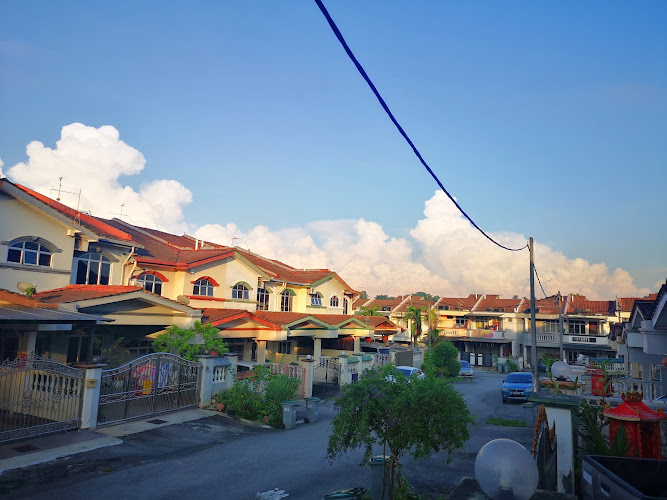
Seremban
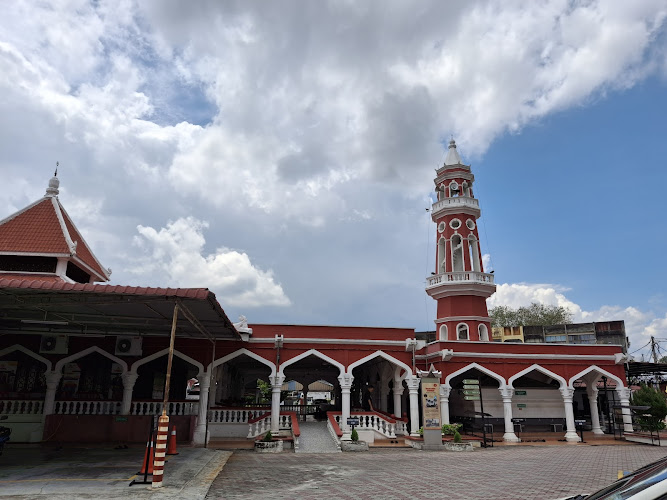
Masjid Jamek Bandar Seremban
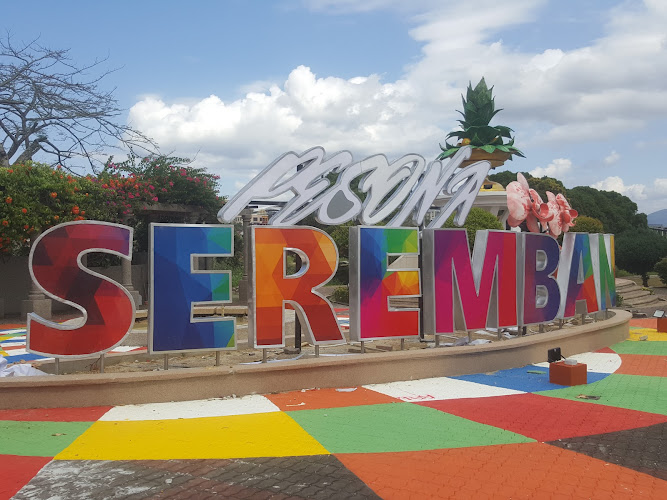
Pesona Seremban (Fascinating Seremban)
Find Accommodations Nearby
Recommended Tours & Activities
Visitor Reviews
There are no reviews yet. Be the first one to write one.
Share Your Experience
Have you visited Kompleks Al-Saadah? Help other travelers by leaving a review.