

Takamatsu Castle Park
About Takamatsu Castle Park
Description
Takamatsu Castle Park is a fascinating glimpse into Japan’s feudal past, wrapped up in a surprisingly serene park setting. The castle itself dates back to 1590, and while much of the original structure has crumbled over the centuries, the ruins still hold a quiet majesty that’s hard to ignore. What really sets this place apart is its moat—unlike most castles that rely on freshwater, Takamatsu’s moat cleverly channels seawater, giving the whole area a slightly different vibe and a subtle salty tang in the breeze. It’s not just a historical site, but a living piece of the landscape where nature and history mingle in a way that feels oddly calming.
Walking through the park, you’ll find yourself stepping back in time without the usual crowds that swarm more famous castles in Japan. The grounds are thoughtfully maintained, and the ruins—though partial—offer a tangible connection to the Sengoku period’s architectural ingenuity. The park’s layout invites slow exploration: paths wind around the moat, cross charming bridges, and lead to spots perfect for quiet reflection or a picnic. It’s an ideal spot if you’re the kind of traveler who enjoys history with a side of peacefulness rather than tourist chaos.
One thing to note is that the park is quite family-friendly. Kids can roam freely, and the open spaces make it easy for parents to keep an eye on little ones without feeling cramped. Accessibility-wise, Takamatsu Castle Park is surprisingly accommodating, with wheelchair-accessible entrances and parking, which is a huge plus for travelers with mobility needs. Overall, it’s a place that balances historical intrigue with a relaxed atmosphere—though it’s not without its quirks and imperfections, which somehow just adds to its charm.
Key Features
- Ruins of a 16th-century castle with well-preserved stone walls and foundations
- Unique seawater moat system, rare among Japanese castles
- Spacious park area perfect for leisurely strolls and picnics
- Wheelchair accessible entrances and parking facilities
- Child-friendly environment with open spaces for play
- Scenic walking paths featuring traditional Japanese landscaping
- Informative signage providing historical context (mostly in Japanese, but some English)
- Peaceful atmosphere away from the typical tourist rush
Best Time to Visit
Picking the right time to visit Takamatsu Castle Park really depends on what kind of experience you’re after. Spring is undeniably magical, especially when cherry blossoms bloom around late March to early April. The trees lining the moat burst into soft pink clouds, and the whole park takes on this almost dreamlike quality. If you’re lucky, you might catch locals having hanami picnics, which adds a lively, authentic touch to the scene.
Autumn is another fantastic season to drop by. The cooler weather makes wandering around the ruins much more comfortable, and the fall foliage paints the park in fiery reds and golds. It’s a photographer’s dream, honestly. Summer can be a bit hot and humid, but mornings or late afternoons offer cooler temperatures and a chance to see the moat glimmering under the sun. Winters are quiet and stark, which some might find hauntingly beautiful, but be prepared for chilly winds coming off the water.
Weekdays, especially early mornings, are the sweet spot if you want to avoid crowds. Weekends tend to attract more local families, which can be nice if you enjoy a bit of liveliness but less ideal if you want solitude. And if you’re a night owl, keep an eye out for any special evening illuminations—they don’t happen all the time, but when they do, the ruins bathed in soft light are a sight to behold.
How to Get There
Getting to Takamatsu Castle Park is pretty straightforward, but a little heads-up can save you time. The park is located in Takamatsu city, which is well connected by train and bus. If you’re coming from JR Takamatsu Station, it’s about a 15-minute walk—just follow the signs towards the waterfront area. The walk itself is pleasant, passing through some local streets where you can get a feel for everyday life in Takamatsu.
If walking isn’t your thing or you’re short on time, local buses stop near the park, and taxis are readily available. For those driving, the park offers wheelchair-accessible parking, which is a thoughtful touch not always guaranteed at historical sites. Just keep in mind that parking spaces can fill up quickly during peak tourist seasons, so arriving early is a smart move.
For the adventurous souls arriving from outside the region, Takamatsu is accessible via the Shikoku Railway Line and also by ferry from nearby islands and Honshu. The city itself is compact enough that once you’re there, getting to the castle park is hassle-free. Pro tip: if you have a Japan Rail Pass, it covers the train ride to Takamatsu, making it a budget-friendly option for exploring this part of Shikoku.
Tips for Visiting
Alright, so you’re planning a trip to Takamatsu Castle Park—here’s some insider advice that I wish I’d known before my first visit. First off, wear comfortable shoes. The paths are well-maintained but can get a bit uneven near the ruins. Plus, you’ll want to explore without worrying about sore feet.
Bring a bottle of water, especially if you’re visiting in warmer months. There aren’t tons of vending machines inside the park, and while there are some shops nearby, it’s better to be prepared. Also, pack a light jacket or sweater if you plan to stay into the evening—the sea breeze can sneak up on you and make things chillier than expected.
If you’re traveling with kids, the open spaces are great, but keep an eye on them around the water. The seawater moat is beautiful but can be a hazard if little ones get too close without supervision. And speaking of kids, the park’s atmosphere is pretty relaxed, so it’s a nice spot for families who want a break from the usual theme parks or crowded attractions.
Photography buffs, heads up: the ruins and moat offer some fantastic shots, especially during golden hour. But don’t just focus on the obvious—look around for small details like moss-covered stones or the way sunlight filters through the trees. Those little moments make for the best photos and memories.
Lastly, don’t expect a full-blown castle experience like you might get in Himeji or Matsumoto. Takamatsu Castle Park is more subtle, more about the atmosphere and the history whispering through the stones than flashy reconstructions. If you’re a history buff or just someone who enjoys quiet, thoughtful spaces, you’re going to appreciate what this place offers. Just go with an open mind and a curious heart.
Key Features
- Ruins of a 16th-century castle with well-preserved stone walls and foundations
- Unique seawater moat system, rare among Japanese castles
- Spacious park area perfect for leisurely strolls and picnics
- Wheelchair accessible entrances and parking facilities
- Child-friendly environment with open spaces for play
- Scenic walking paths featuring traditional Japanese landscaping
- Informative signage providing historical context (mostly in Japanese, but some English)
- Peaceful atmosphere away from the typical tourist rush
More Details
Updated August 2, 2025
Table of Contents
Description
Takamatsu Castle Park is a fascinating glimpse into Japan’s feudal past, wrapped up in a surprisingly serene park setting. The castle itself dates back to 1590, and while much of the original structure has crumbled over the centuries, the ruins still hold a quiet majesty that’s hard to ignore. What really sets this place apart is its moat—unlike most castles that rely on freshwater, Takamatsu’s moat cleverly channels seawater, giving the whole area a slightly different vibe and a subtle salty tang in the breeze. It’s not just a historical site, but a living piece of the landscape where nature and history mingle in a way that feels oddly calming.
Walking through the park, you’ll find yourself stepping back in time without the usual crowds that swarm more famous castles in Japan. The grounds are thoughtfully maintained, and the ruins—though partial—offer a tangible connection to the Sengoku period’s architectural ingenuity. The park’s layout invites slow exploration: paths wind around the moat, cross charming bridges, and lead to spots perfect for quiet reflection or a picnic. It’s an ideal spot if you’re the kind of traveler who enjoys history with a side of peacefulness rather than tourist chaos.
One thing to note is that the park is quite family-friendly. Kids can roam freely, and the open spaces make it easy for parents to keep an eye on little ones without feeling cramped. Accessibility-wise, Takamatsu Castle Park is surprisingly accommodating, with wheelchair-accessible entrances and parking, which is a huge plus for travelers with mobility needs. Overall, it’s a place that balances historical intrigue with a relaxed atmosphere—though it’s not without its quirks and imperfections, which somehow just adds to its charm.
Key Features
- Ruins of a 16th-century castle with well-preserved stone walls and foundations
- Unique seawater moat system, rare among Japanese castles
- Spacious park area perfect for leisurely strolls and picnics
- Wheelchair accessible entrances and parking facilities
- Child-friendly environment with open spaces for play
- Scenic walking paths featuring traditional Japanese landscaping
- Informative signage providing historical context (mostly in Japanese, but some English)
- Peaceful atmosphere away from the typical tourist rush
Best Time to Visit
Picking the right time to visit Takamatsu Castle Park really depends on what kind of experience you’re after. Spring is undeniably magical, especially when cherry blossoms bloom around late March to early April. The trees lining the moat burst into soft pink clouds, and the whole park takes on this almost dreamlike quality. If you’re lucky, you might catch locals having hanami picnics, which adds a lively, authentic touch to the scene.
Autumn is another fantastic season to drop by. The cooler weather makes wandering around the ruins much more comfortable, and the fall foliage paints the park in fiery reds and golds. It’s a photographer’s dream, honestly. Summer can be a bit hot and humid, but mornings or late afternoons offer cooler temperatures and a chance to see the moat glimmering under the sun. Winters are quiet and stark, which some might find hauntingly beautiful, but be prepared for chilly winds coming off the water.
Weekdays, especially early mornings, are the sweet spot if you want to avoid crowds. Weekends tend to attract more local families, which can be nice if you enjoy a bit of liveliness but less ideal if you want solitude. And if you’re a night owl, keep an eye out for any special evening illuminations—they don’t happen all the time, but when they do, the ruins bathed in soft light are a sight to behold.
How to Get There
Getting to Takamatsu Castle Park is pretty straightforward, but a little heads-up can save you time. The park is located in Takamatsu city, which is well connected by train and bus. If you’re coming from JR Takamatsu Station, it’s about a 15-minute walk—just follow the signs towards the waterfront area. The walk itself is pleasant, passing through some local streets where you can get a feel for everyday life in Takamatsu.
If walking isn’t your thing or you’re short on time, local buses stop near the park, and taxis are readily available. For those driving, the park offers wheelchair-accessible parking, which is a thoughtful touch not always guaranteed at historical sites. Just keep in mind that parking spaces can fill up quickly during peak tourist seasons, so arriving early is a smart move.
For the adventurous souls arriving from outside the region, Takamatsu is accessible via the Shikoku Railway Line and also by ferry from nearby islands and Honshu. The city itself is compact enough that once you’re there, getting to the castle park is hassle-free. Pro tip: if you have a Japan Rail Pass, it covers the train ride to Takamatsu, making it a budget-friendly option for exploring this part of Shikoku.
Tips for Visiting
Alright, so you’re planning a trip to Takamatsu Castle Park—here’s some insider advice that I wish I’d known before my first visit. First off, wear comfortable shoes. The paths are well-maintained but can get a bit uneven near the ruins. Plus, you’ll want to explore without worrying about sore feet.
Bring a bottle of water, especially if you’re visiting in warmer months. There aren’t tons of vending machines inside the park, and while there are some shops nearby, it’s better to be prepared. Also, pack a light jacket or sweater if you plan to stay into the evening—the sea breeze can sneak up on you and make things chillier than expected.
If you’re traveling with kids, the open spaces are great, but keep an eye on them around the water. The seawater moat is beautiful but can be a hazard if little ones get too close without supervision. And speaking of kids, the park’s atmosphere is pretty relaxed, so it’s a nice spot for families who want a break from the usual theme parks or crowded attractions.
Photography buffs, heads up: the ruins and moat offer some fantastic shots, especially during golden hour. But don’t just focus on the obvious—look around for small details like moss-covered stones or the way sunlight filters through the trees. Those little moments make for the best photos and memories.
Lastly, don’t expect a full-blown castle experience like you might get in Himeji or Matsumoto. Takamatsu Castle Park is more subtle, more about the atmosphere and the history whispering through the stones than flashy reconstructions. If you’re a history buff or just someone who enjoys quiet, thoughtful spaces, you’re going to appreciate what this place offers. Just go with an open mind and a curious heart.
Key Highlights
- Ruins of a 16th-century castle with well-preserved stone walls and foundations
- Unique seawater moat system, rare among Japanese castles
- Spacious park area perfect for leisurely strolls and picnics
- Wheelchair accessible entrances and parking facilities
- Child-friendly environment with open spaces for play
- Scenic walking paths featuring traditional Japanese landscaping
- Informative signage providing historical context (mostly in Japanese, but some English)
- Peaceful atmosphere away from the typical tourist rush
Location
Places to Stay Near Takamatsu Castle Park
Find and Book a Tour
Explore More Travel Guides
No reviews found! Be the first to review!
Traveler Reviews for Takamatsu Castle Park
There are no reviews yet. Be the first one to write one.
Have you visited Takamatsu Castle Park? Help other travelers by sharing your review.
You Might Also Like
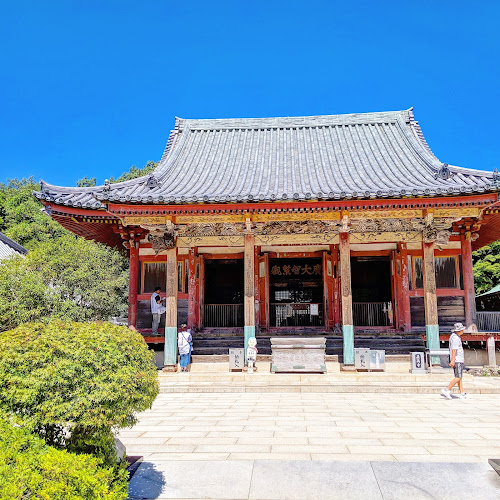
No.84 Yashima Temple

Takamatsu Symbol Tower

Kagawa Museum
Find Accommodations Nearby
Recommended Tours & Activities
Visitor Reviews
There are no reviews yet. Be the first one to write one.
Share Your Experience
Have you visited Takamatsu Castle Park? Help other travelers by leaving a review.