
Byukchoji Gardens
About Byukchoji Gardens
Description
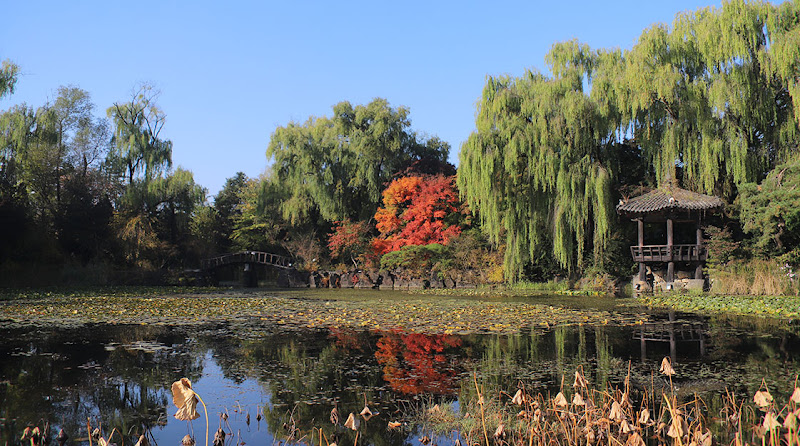
Byukchoji Gardens presents travelers with an opportunity to experience multiple gardening traditions within a single expansive property. This attraction seamlessly blends European and Asian landscape design philosophies, creating distinct zones that transport visitors across continents without ever leaving the grounds. The gardens showcase careful planning through their themed sections, each with its own character and botanical selection. The property draws inspiration from both Eastern and Western horticultural aesthetics, which honestly makes it pretty interesting if you're the type who appreciates landscape architecture. I've always found these kinds of fusion gardens fascinating because they show how different cultures approach the same basic elements—water, plants, pathways—in completely different ways. Here you'll find traditional Korean pavilions standing alongside European-inspired formal gardens, with ponds scattered throughout that reflect the changing sky and surrounding foliage. What strikes most visitors first is the sheer variety of plants and the thoughtful way they've been arranged. The gardens change dramatically with the seasons, which means repeat visitors get an entirely different experience depending on when they show up. And let me tell you, that seasonal transformation is something special. The tulip displays in particular have become somewhat of a signature feature, drawing crowds who appreciate the carefully coordinated color schemes. The park functions as both an arboretum and a botanical garden, which means there's serious horticultural expertise behind the pretty facade. The staff maintains collections of trees and plants that serve educational purposes while still creating that wow factor visitors expect. Willow trees add a romantic, almost melancholy element to certain sections, their branches dipping toward the water's surface in that classic weeping willow fashion that photographers absolutely love.Key Features
Byukchoji Gardens offers travelers a range of features that cater to different interests and mobility levels: • Multiple themed garden sections representing various European and Asian design traditions, allowing visitors to experience different cultural approaches to landscape design within one location • Extensive tulip displays that create spectacular color waves during peak blooming season, with varieties carefully selected for both visual impact and staggered blooming periods • Traditional pavilions strategically placed throughout the grounds that serve as rest stops and photo opportunities while providing authentic architectural elements • Network of ponds and water features that create reflective surfaces and support aquatic plants, adding another dimension to the garden experience • Mature willow trees that provide shade and aesthetic appeal, particularly around water features where their characteristic drooping branches create natural canopies • Fully wheelchair accessible facilities including entrances, parking areas, and restrooms, making the gardens genuinely accessible for visitors with mobility challenges • Designated picnic areas with tables where families can settle in for meals while surrounded by the landscaping • Kid-friendly hiking trails that let younger visitors explore without tackling terrain that's too challenging for their energy levels • Playground facilities that give children a place to burn off energy when they've had their fill of looking at plants • Modern payment systems accepting credit cards, debit cards, and mobile payment options for admission and any on-site purchasesBest Time to Visit
Timing your visit to Byukchoji Gardens really depends on what you're hoping to see and how you handle crowds. Spring—particularly late March through May—is when the gardens truly put on their main show. The tulips bloom in waves during this period, and if you catch them at peak, you'll understand why people plan trips specifically around this timeframe. But here's the thing: everyone else knows this too, so spring weekends can get pretty packed. I'd actually suggest visiting on a weekday morning if your schedule allows it. You'll have more space to wander and won't spend half your time dodging selfie sticks. The lighting is also better earlier in the day for photography, with that soft morning glow that makes colors pop without the harsh shadows you get at noon. Summer brings a completely different garden experience. The tulips are long gone, replaced by summer perennials and annuals that thrive in warmer weather. The trees are in full leaf, providing crucial shade on hot days. However, summer also means higher temperatures and humidity, so you'll want to plan accordingly with water bottles and maybe a hat. The upside? Smaller crowds compared to spring, and the ponds become more prominent features when you're seeking cool spaces. Fall shouldn't be overlooked either, honestly. Late September through November offers cooler temperatures perfect for extended walking, and the foliage puts on its own color show. The gardens take on warmer tones—oranges, reds, yellows—that contrast beautifully with the evergreen elements. This season attracts fewer visitors than spring, making it ideal for those who prefer a quieter experience. Winter is the wildcard season. The gardens stay open, and while you won't see flowering displays, there's something peaceful about the stripped-down landscape. The architectural bones of the garden design become more visible when plants die back. If you don't mind cold weather and appreciate minimalist aesthetics, winter visits offer a contemplative atmosphere you simply can't get during busier seasons. Weather-wise, check forecasts before heading out. Rain can make pathways slippery and dampens the experience (literally), though light mist can create atmospheric conditions for moody photographs if that's your style.How to Get There
Getting to Byukchoji Gardens requires some planning, particularly if you're not familiar with the area's transportation options. For international travelers or those coming from other regions, you'll likely be starting from a major transportation hub. Driving remains the most flexible option for reaching the gardens. The facility provides wheelchair accessible parking, and having your own vehicle means you can arrive and leave on your own schedule without worrying about bus timetables. If you're renting a car, GPS systems should recognize the gardens without much trouble—just make sure your mapping app is updated before you head out because nothing's worse than following outdated directions that lead you to some random field. Public transportation is definitely possible, though it requires more patience and planning. Research the local bus routes that service the area around the gardens. Bus schedules can vary significantly depending on the day of the week, with weekend service often being less frequent. Give yourself extra time cushion because buses don't always run exactly on schedule, and missing your return bus could leave you waiting around for an hour or more. Some travelers opt for taxi services or ride-sharing apps, which offer door-to-door convenience without the navigation hassles. This works particularly well if you're traveling as a group and can split the fare. Just be aware that during peak visiting seasons, getting a return ride might take longer as drivers deal with increased demand from other tourists. Tour groups sometimes include Byukchoji Gardens on their itineraries, which handles all transportation logistics for you. This comes with the trade-off of limited time at the gardens and being on someone else's schedule, but it eliminates the stress of figuring out directions and parking. Whatever transportation method you choose, factor in traffic conditions. Weekend mornings during spring can see congestion on approach roads as everyone heads to see the gardens at once. Leaving earlier than you think necessary often pays off.Tips for Visiting
Walking through Byukchoji Gardens goes more smoothly when you've thought ahead about a few practical matters. Comfortable shoes are non-negotiable—you'll be doing more walking than you probably anticipate, and those cute sandals that seemed perfect will feel like torture devices after the first half hour. Go for closed-toe shoes with good support, even if they're not your most fashionable option. Bring water bottles, especially during warmer months. While the gardens have restroom facilities, you might not always be near them when thirst hits. Staying hydrated makes a huge difference in how much you enjoy wandering around, particularly if you're visiting with kids who seem to get thirsty every fifteen minutes. Speaking of kids—the playground and kid-friendly trails are lifesavers when children start getting that glazed look that means they're done looking at pretty flowers. Let them run around and burn energy at the playground, then they'll be more cooperative for another section of garden viewing. The picnic areas also provide natural break points where families can regroup and refuel. Photography enthusiasts should think about timing and equipment. Early morning and late afternoon provide the best natural lighting. If you're serious about getting quality shots, consider bringing a polarizing filter to manage reflections on the ponds. And maybe a tripod, though be considerate about where you set up—blocking pathways with photography equipment is one of those things that annoys everyone else. The themed garden sections deserve individual attention rather than rushing through everything. Pick two or three areas that interest you most and really explore them instead of trying to see everything in a superficial way. You'll remember the gardens better and actually learn something about the different design traditions rather than leaving with a blur of plant images in your head. Check the seasonal displays before visiting. The gardens sometimes highlight specific plant collections or temporary installations that might align with your interests. Visiting during a special exhibition can add extra value to your trip. Accessibility features are genuinely functional here, which unfortunately isn't always the case at tourist attractions. The wheelchair accessible entrances and restrooms work properly, and the pathways accommodate mobility devices reasonably well. If you're visiting with someone who has mobility concerns, the accessible features actually enhance the experience rather than just meeting minimum requirements. Pack layers even if the forecast looks perfect. Gardens often feel cooler than surrounding urban areas due to shade and water features, and weather can change surprisingly quickly. A light jacket stuffed in a bag doesn't take much space but might save you from an uncomfortable few hours. The payment systems accept various methods including mobile payments, so you don't need to worry too much about carrying specific amounts of cash. That said, having some cash as backup never hurts, particularly if you plan on making small purchases. Finally, manage your expectations based on what season you're visiting. Those gorgeous tulip photos you saw online were probably taken during a very specific two-week window in spring. If you visit in August, you won't see tulips, and that's okay—you'll see different things that have their own appeal. Gardens are living spaces that change constantly, and that evolution is part of what makes them worth visiting more than once.Key Features
- Distinct Korean-style and European-style themed gardens
- Large collection of plant species (nearly 1,400 species)
- Byukchoji Pond with seasonal lotus flower displays
- Greenhouses and specialized plant houses
- Extensive walking trails and themed garden rooms
More Details
Updated January 5, 2026
Table of Contents
Description
Byukchoji Gardens presents travelers with an opportunity to experience multiple gardening traditions within a single expansive property. This attraction seamlessly blends European and Asian landscape design philosophies, creating distinct zones that transport visitors across continents without ever leaving the grounds. The gardens showcase careful planning through their themed sections, each with its own character and botanical selection.
The property draws inspiration from both Eastern and Western horticultural aesthetics, which honestly makes it pretty interesting if you’re the type who appreciates landscape architecture. I’ve always found these kinds of fusion gardens fascinating because they show how different cultures approach the same basic elements—water, plants, pathways—in completely different ways. Here you’ll find traditional Korean pavilions standing alongside European-inspired formal gardens, with ponds scattered throughout that reflect the changing sky and surrounding foliage.
What strikes most visitors first is the sheer variety of plants and the thoughtful way they’ve been arranged. The gardens change dramatically with the seasons, which means repeat visitors get an entirely different experience depending on when they show up. And let me tell you, that seasonal transformation is something special. The tulip displays in particular have become somewhat of a signature feature, drawing crowds who appreciate the carefully coordinated color schemes.
The park functions as both an arboretum and a botanical garden, which means there’s serious horticultural expertise behind the pretty facade. The staff maintains collections of trees and plants that serve educational purposes while still creating that wow factor visitors expect. Willow trees add a romantic, almost melancholy element to certain sections, their branches dipping toward the water’s surface in that classic weeping willow fashion that photographers absolutely love.
Key Features
Byukchoji Gardens offers travelers a range of features that cater to different interests and mobility levels:
• Multiple themed garden sections representing various European and Asian design traditions, allowing visitors to experience different cultural approaches to landscape design within one location
• Extensive tulip displays that create spectacular color waves during peak blooming season, with varieties carefully selected for both visual impact and staggered blooming periods
• Traditional pavilions strategically placed throughout the grounds that serve as rest stops and photo opportunities while providing authentic architectural elements
• Network of ponds and water features that create reflective surfaces and support aquatic plants, adding another dimension to the garden experience
• Mature willow trees that provide shade and aesthetic appeal, particularly around water features where their characteristic drooping branches create natural canopies
• Fully wheelchair accessible facilities including entrances, parking areas, and restrooms, making the gardens genuinely accessible for visitors with mobility challenges
• Designated picnic areas with tables where families can settle in for meals while surrounded by the landscaping
• Kid-friendly hiking trails that let younger visitors explore without tackling terrain that’s too challenging for their energy levels
• Playground facilities that give children a place to burn off energy when they’ve had their fill of looking at plants
• Modern payment systems accepting credit cards, debit cards, and mobile payment options for admission and any on-site purchases
Best Time to Visit
Timing your visit to Byukchoji Gardens really depends on what you’re hoping to see and how you handle crowds. Spring—particularly late March through May—is when the gardens truly put on their main show. The tulips bloom in waves during this period, and if you catch them at peak, you’ll understand why people plan trips specifically around this timeframe. But here’s the thing: everyone else knows this too, so spring weekends can get pretty packed.
I’d actually suggest visiting on a weekday morning if your schedule allows it. You’ll have more space to wander and won’t spend half your time dodging selfie sticks. The lighting is also better earlier in the day for photography, with that soft morning glow that makes colors pop without the harsh shadows you get at noon.
Summer brings a completely different garden experience. The tulips are long gone, replaced by summer perennials and annuals that thrive in warmer weather. The trees are in full leaf, providing crucial shade on hot days. However, summer also means higher temperatures and humidity, so you’ll want to plan accordingly with water bottles and maybe a hat. The upside? Smaller crowds compared to spring, and the ponds become more prominent features when you’re seeking cool spaces.
Fall shouldn’t be overlooked either, honestly. Late September through November offers cooler temperatures perfect for extended walking, and the foliage puts on its own color show. The gardens take on warmer tones—oranges, reds, yellows—that contrast beautifully with the evergreen elements. This season attracts fewer visitors than spring, making it ideal for those who prefer a quieter experience.
Winter is the wildcard season. The gardens stay open, and while you won’t see flowering displays, there’s something peaceful about the stripped-down landscape. The architectural bones of the garden design become more visible when plants die back. If you don’t mind cold weather and appreciate minimalist aesthetics, winter visits offer a contemplative atmosphere you simply can’t get during busier seasons.
Weather-wise, check forecasts before heading out. Rain can make pathways slippery and dampens the experience (literally), though light mist can create atmospheric conditions for moody photographs if that’s your style.
How to Get There
Getting to Byukchoji Gardens requires some planning, particularly if you’re not familiar with the area’s transportation options. For international travelers or those coming from other regions, you’ll likely be starting from a major transportation hub.
Driving remains the most flexible option for reaching the gardens. The facility provides wheelchair accessible parking, and having your own vehicle means you can arrive and leave on your own schedule without worrying about bus timetables. If you’re renting a car, GPS systems should recognize the gardens without much trouble—just make sure your mapping app is updated before you head out because nothing’s worse than following outdated directions that lead you to some random field.
Public transportation is definitely possible, though it requires more patience and planning. Research the local bus routes that service the area around the gardens. Bus schedules can vary significantly depending on the day of the week, with weekend service often being less frequent. Give yourself extra time cushion because buses don’t always run exactly on schedule, and missing your return bus could leave you waiting around for an hour or more.
Some travelers opt for taxi services or ride-sharing apps, which offer door-to-door convenience without the navigation hassles. This works particularly well if you’re traveling as a group and can split the fare. Just be aware that during peak visiting seasons, getting a return ride might take longer as drivers deal with increased demand from other tourists.
Tour groups sometimes include Byukchoji Gardens on their itineraries, which handles all transportation logistics for you. This comes with the trade-off of limited time at the gardens and being on someone else’s schedule, but it eliminates the stress of figuring out directions and parking.
Whatever transportation method you choose, factor in traffic conditions. Weekend mornings during spring can see congestion on approach roads as everyone heads to see the gardens at once. Leaving earlier than you think necessary often pays off.
Tips for Visiting
Walking through Byukchoji Gardens goes more smoothly when you’ve thought ahead about a few practical matters. Comfortable shoes are non-negotiable—you’ll be doing more walking than you probably anticipate, and those cute sandals that seemed perfect will feel like torture devices after the first half hour. Go for closed-toe shoes with good support, even if they’re not your most fashionable option.
Bring water bottles, especially during warmer months. While the gardens have restroom facilities, you might not always be near them when thirst hits. Staying hydrated makes a huge difference in how much you enjoy wandering around, particularly if you’re visiting with kids who seem to get thirsty every fifteen minutes.
Speaking of kids—the playground and kid-friendly trails are lifesavers when children start getting that glazed look that means they’re done looking at pretty flowers. Let them run around and burn energy at the playground, then they’ll be more cooperative for another section of garden viewing. The picnic areas also provide natural break points where families can regroup and refuel.
Photography enthusiasts should think about timing and equipment. Early morning and late afternoon provide the best natural lighting. If you’re serious about getting quality shots, consider bringing a polarizing filter to manage reflections on the ponds. And maybe a tripod, though be considerate about where you set up—blocking pathways with photography equipment is one of those things that annoys everyone else.
The themed garden sections deserve individual attention rather than rushing through everything. Pick two or three areas that interest you most and really explore them instead of trying to see everything in a superficial way. You’ll remember the gardens better and actually learn something about the different design traditions rather than leaving with a blur of plant images in your head.
Check the seasonal displays before visiting. The gardens sometimes highlight specific plant collections or temporary installations that might align with your interests. Visiting during a special exhibition can add extra value to your trip.
Accessibility features are genuinely functional here, which unfortunately isn’t always the case at tourist attractions. The wheelchair accessible entrances and restrooms work properly, and the pathways accommodate mobility devices reasonably well. If you’re visiting with someone who has mobility concerns, the accessible features actually enhance the experience rather than just meeting minimum requirements.
Pack layers even if the forecast looks perfect. Gardens often feel cooler than surrounding urban areas due to shade and water features, and weather can change surprisingly quickly. A light jacket stuffed in a bag doesn’t take much space but might save you from an uncomfortable few hours.
The payment systems accept various methods including mobile payments, so you don’t need to worry too much about carrying specific amounts of cash. That said, having some cash as backup never hurts, particularly if you plan on making small purchases.
Finally, manage your expectations based on what season you’re visiting. Those gorgeous tulip photos you saw online were probably taken during a very specific two-week window in spring. If you visit in August, you won’t see tulips, and that’s okay—you’ll see different things that have their own appeal. Gardens are living spaces that change constantly, and that evolution is part of what makes them worth visiting more than once.
Key Highlights
- Distinct Korean-style and European-style themed gardens
- Large collection of plant species (nearly 1,400 species)
- Byukchoji Pond with seasonal lotus flower displays
- Greenhouses and specialized plant houses
- Extensive walking trails and themed garden rooms
Location
Places to Stay Near Byukchoji Gardens
Find and Book a Tour
Explore More Travel Guides
No reviews found! Be the first to review!
Traveler Reviews for Byukchoji Gardens
There are no reviews yet. Be the first one to write one.
Have you visited Byukchoji Gardens? Help other travelers by sharing your review.
Nearby Attractions
You Might Also Like
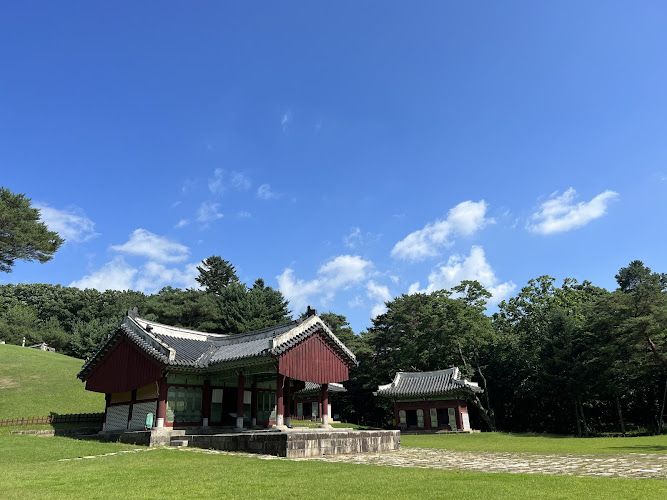
Yeongneung (Tomb of Crown Prince Hyojang & Crown Princess Hyosun)
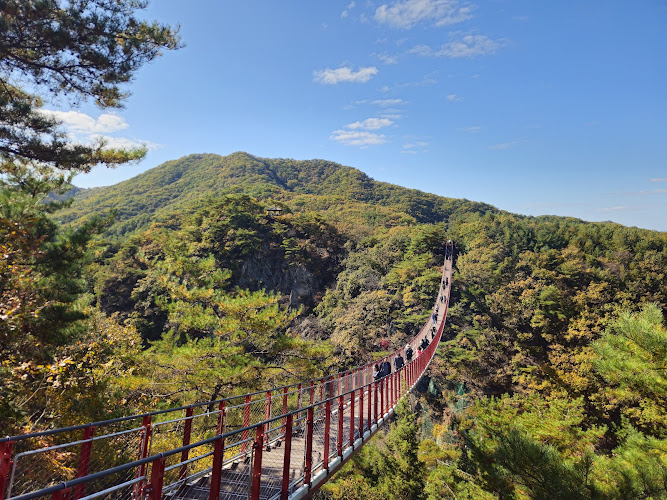
Gamaksan Suspension Bridge
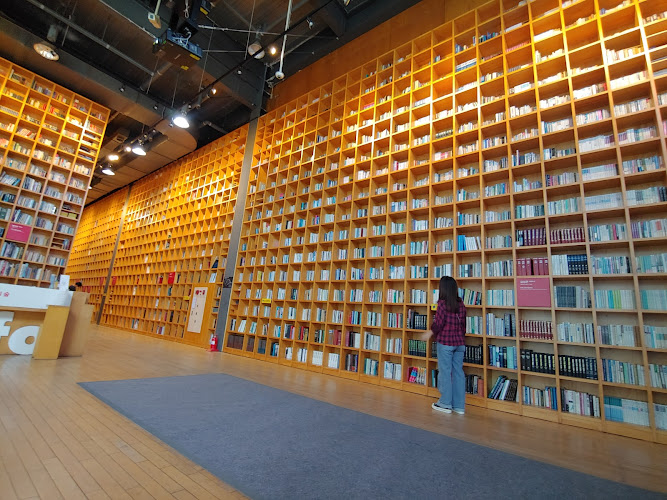
Paju Book City Service Area
Find Accommodations Nearby
Recommended Tours & Activities
Visitor Reviews
There are no reviews yet. Be the first one to write one.
Share Your Experience
Have you visited Byukchoji Gardens? Help other travelers by leaving a review.