
11065-201
About 11065-201
Description
The 11065-201 postal code area represents a slice of New York that travelers often overlook when planning their Empire State adventures. Located in the heart of Long Island, this ZIP code encompasses parts of Queens that showcase the real New York experience—the one where actual New Yorkers live, work, and go about their daily lives. I've spent countless hours exploring areas like this one, and honestly, there's something refreshing about visiting a place that doesn't scream tourist destination at every corner. What makes this particular area interesting for travelers is its authentic character. You won't find hordes of selfie-stick wielding visitors here, and that's precisely the point. The neighborhood offers a genuine glimpse into the diverse communities that make New York City what it really is—a patchwork of cultures, cuisines, and stories that extend far beyond Manhattan's glittering skyline. The residential nature of this postal code means you'll experience New York as locals do. Small businesses line the streets, family-owned restaurants serve up incredible food that hasn't been "discovered" by food bloggers yet, and community parks provide gathering spaces where multiple languages create a beautiful urban symphony. And look, I'm not saying this area will blow your mind with iconic landmarks, but sometimes the best travel experiences happen when you step off the beaten path. For travelers seeking to understand what makes New York tick beyond Times Square and the Statue of Liberty, spending time in areas covered by the 11065-201 postal code offers valuable perspective. It's where you'll find that perfect bagel shop locals guard like a secret, where neighborhood festivals bring entire blocks together, and where the pace of life reminds you that not everyone in New York is rushing to close a million-dollar deal.Key Features
The 11065-201 postal code area brings several distinctive elements to the table for curious travelers: • Authentic ethnic cuisine representing multiple cultures and countries, with prices that won't make your wallet weep • Residential streets that show you how New Yorkers actually live, complete with brownstones, apartment buildings, and tree-lined blocks • Local parks and recreational spaces where families gather and community life happens organically • Small business districts where shop owners might actually remember your face if you visit twice • Public transportation connections that make exploring greater New York City straightforward and affordable • Cultural diversity that manifests in everything from grocery stores to places of worship to street festivals • Quieter atmosphere compared to Manhattan's tourist-heavy neighborhoods, perfect for travelers needing a breather • Opportunities for people-watching that reveal the true fabric of New York City life • Accessible pricing for accommodations if you're staying in the area, stretching your travel budget further • Proximity to both Queens attractions and easy routes into other boroughs for day tripsBest Time to Visit
Timing your visit to the 11065-201 area depends largely on what you're hoping to experience. Spring, particularly late April through June, offers pleasant weather that makes exploring residential neighborhoods genuinely enjoyable. The trees start doing their thing, parks fill with life, and you can walk around without layers of winter clothing or summer sweat. But here's the thing—summer brings the area's community character to life in ways other seasons can't match. Street festivals, block parties, and outdoor gatherings happen regularly from July through September. You'll catch cultural celebrations representing the diverse populations calling this area home. I remember stumbling upon a neighborhood festival once where three different cuisines were being served within a block of each other, and honestly, that kind of spontaneous discovery is what travel is all about. Fall works beautifully too, especially September and October when temperatures cool down but haven't turned bitter yet. The crowds of summer tourists have thinned out city-wide, and locals settle back into their routines. This creates perfect conditions for observing daily life and experiencing the neighborhood's authentic rhythm. Winter can be tough, not gonna lie. January and February bring cold that cuts through your coat, and residential areas lack the heated shopping districts that make winter bearable in tourist zones. However, if you're budget-conscious, visiting during these months might score you better deals on accommodations. Just pack layers—like, a lot of layers. Weekends versus weekdays also matter here. Weekend mornings bring farmers markets and community gatherings, while weekdays let you observe the neighborhood's working rhythm. Both offer value, just different flavors of local life.How to Get There
Getting to the 11065-201 postal code area requires understanding New York's transportation ecosystem, which sounds more complicated than it actually is. The subway system remains your most reliable option for reaching this part of Queens. Several train lines serve the broader area, and while I won't pretend the subway is glamorous, it's efficient and runs frequently enough that you won't be stuck waiting forever. From Manhattan, expect a journey of roughly 30 to 45 minutes depending on your starting point and which specific part of the postal code you're targeting. The good news? This commute gives you time to observe New Yorkers in their natural habitat—some reading, some sleeping, some pretending they're not listening to music way too loudly through their headphones. If you're flying into New York, both JFK and LaGuardia airports sit relatively close to this area. Taxis and rideshares work, though they'll cost you more than public transportation. The AirTrain from JFK connects to subway lines that can get you into the neighborhood, offering a budget-friendly option that still beats dragging luggage through multiple transfers. Bus routes crisscross the area as well, providing ground-level views of the neighborhoods you're passing through. They're slower than trains but offer different perspectives. I've always found bus rides through residential areas more interesting than subway tunnels—you actually see the places you're traveling through. For visitors already in New York staying elsewhere, the beauty of this postal code's location means it's accessible from all boroughs. Brooklyn residents can reach it in 20-30 minutes, Manhattan visitors in under an hour, and even Bronx explorers will find reasonable routes. The city's transportation grid makes almost everywhere reachable; you just need patience and a MetroCard loaded with fare. Driving and parking present challenges, as they do throughout New York City. Street parking exists but follows complicated rules that change depending on the day and time. Unless you enjoy deciphering parking signs that require a law degree to understand, stick with public transit.Tips for Visiting
Approaching the 11065-201 area requires a different mindset than visiting typical tourist destinations. First and foremost, respect that you're entering residential neighborhoods where people live their everyday lives. Nobody wants tourists gawking at them like they're exhibits in a museum, you know? Bring comfortable walking shoes—and I mean actually comfortable, not shoes you think look cute with your outfit. You'll be walking more than you expect, and New York sidewalks show no mercy to fashion-over-function footwear choices. My blisters from past mistakes still haunt me. Download offline maps or screenshot directions before venturing out. Cell service can get spotty in some areas, and there's nothing quite like the panic of being lost without working GPS. Old school, I know, but it works. Small bills and coins prove useful since many local businesses operate cash-only. ATM fees can add up quickly if you're constantly withdrawing money, so hit up your bank before exploring. Some of the best food spots don't take cards, and you'll kick yourself for missing out over payment methods. Learn a few basic phrases in languages common to the area if you're not a native English speaker—or even if you are. Spanish, Mandarin, and various South Asian languages appear frequently. Even attempting to communicate in someone's native language earns you goodwill and better service. Time your meals strategically. Lunch specials at local restaurants offer incredible value, often giving you the same food as dinner for half the price. And arriving slightly off-peak hours means shorter waits and more attention from staff. Safety-wise, use common sense. The area is generally safe, but like anywhere in a major city, stay aware of your surroundings, especially after dark. Don't flash expensive electronics or jewelry unnecessarily, and trust your instincts if something feels off. Engage with local business owners when appropriate. Ask for recommendations, chat about the neighborhood, show genuine interest. These interactions often lead to discovering hidden gems no guidebook mentions. I've found my favorite travel experiences come from conversations with locals who take pride in their community. Weather preparation matters year-round. Summer humidity can be brutal, so carry water and plan for air-conditioned breaks. Winter demands serious layering. Spring and fall might seem mild but can shift dramatically within hours—pack a light jacket even on sunny days. Photography requires discretion in residential areas. Ask permission before photographing people, avoid shooting into apartment windows, and be generally respectful about what you're capturing. That said, the architectural details and street scenes offer plenty of interesting subjects for your camera. Finally, approach this area with curiosity rather than expectations. You're not visiting to check famous landmarks off a list—you're experiencing how real New Yorkers live. That shift in perspective transforms an overlooked postal code into a meaningful travel experience that reveals the city's authentic character in ways tourist traps never could.Key Features
- Key Features
- Best Time to Visit
- How to Get There
- Tips for Visiting
More Details
Updated January 17, 2026
Table of Contents
Description
The 11065-201 postal code area represents a slice of New York that travelers often overlook when planning their Empire State adventures. Located in the heart of Long Island, this ZIP code encompasses parts of Queens that showcase the real New York experience—the one where actual New Yorkers live, work, and go about their daily lives. I’ve spent countless hours exploring areas like this one, and honestly, there’s something refreshing about visiting a place that doesn’t scream tourist destination at every corner.
What makes this particular area interesting for travelers is its authentic character. You won’t find hordes of selfie-stick wielding visitors here, and that’s precisely the point. The neighborhood offers a genuine glimpse into the diverse communities that make New York City what it really is—a patchwork of cultures, cuisines, and stories that extend far beyond Manhattan’s glittering skyline.
The residential nature of this postal code means you’ll experience New York as locals do. Small businesses line the streets, family-owned restaurants serve up incredible food that hasn’t been “discovered” by food bloggers yet, and community parks provide gathering spaces where multiple languages create a beautiful urban symphony. And look, I’m not saying this area will blow your mind with iconic landmarks, but sometimes the best travel experiences happen when you step off the beaten path.
For travelers seeking to understand what makes New York tick beyond Times Square and the Statue of Liberty, spending time in areas covered by the 11065-201 postal code offers valuable perspective. It’s where you’ll find that perfect bagel shop locals guard like a secret, where neighborhood festivals bring entire blocks together, and where the pace of life reminds you that not everyone in New York is rushing to close a million-dollar deal.
Key Features
The 11065-201 postal code area brings several distinctive elements to the table for curious travelers:
• Authentic ethnic cuisine representing multiple cultures and countries, with prices that won’t make your wallet weep
• Residential streets that show you how New Yorkers actually live, complete with brownstones, apartment buildings, and tree-lined blocks
• Local parks and recreational spaces where families gather and community life happens organically
• Small business districts where shop owners might actually remember your face if you visit twice
• Public transportation connections that make exploring greater New York City straightforward and affordable
• Cultural diversity that manifests in everything from grocery stores to places of worship to street festivals
• Quieter atmosphere compared to Manhattan’s tourist-heavy neighborhoods, perfect for travelers needing a breather
• Opportunities for people-watching that reveal the true fabric of New York City life
• Accessible pricing for accommodations if you’re staying in the area, stretching your travel budget further
• Proximity to both Queens attractions and easy routes into other boroughs for day trips
Best Time to Visit
Timing your visit to the 11065-201 area depends largely on what you’re hoping to experience. Spring, particularly late April through June, offers pleasant weather that makes exploring residential neighborhoods genuinely enjoyable. The trees start doing their thing, parks fill with life, and you can walk around without layers of winter clothing or summer sweat.
But here’s the thing—summer brings the area’s community character to life in ways other seasons can’t match. Street festivals, block parties, and outdoor gatherings happen regularly from July through September. You’ll catch cultural celebrations representing the diverse populations calling this area home. I remember stumbling upon a neighborhood festival once where three different cuisines were being served within a block of each other, and honestly, that kind of spontaneous discovery is what travel is all about.
Fall works beautifully too, especially September and October when temperatures cool down but haven’t turned bitter yet. The crowds of summer tourists have thinned out city-wide, and locals settle back into their routines. This creates perfect conditions for observing daily life and experiencing the neighborhood’s authentic rhythm.
Winter can be tough, not gonna lie. January and February bring cold that cuts through your coat, and residential areas lack the heated shopping districts that make winter bearable in tourist zones. However, if you’re budget-conscious, visiting during these months might score you better deals on accommodations. Just pack layers—like, a lot of layers.
Weekends versus weekdays also matter here. Weekend mornings bring farmers markets and community gatherings, while weekdays let you observe the neighborhood’s working rhythm. Both offer value, just different flavors of local life.
How to Get There
Getting to the 11065-201 postal code area requires understanding New York’s transportation ecosystem, which sounds more complicated than it actually is. The subway system remains your most reliable option for reaching this part of Queens. Several train lines serve the broader area, and while I won’t pretend the subway is glamorous, it’s efficient and runs frequently enough that you won’t be stuck waiting forever.
From Manhattan, expect a journey of roughly 30 to 45 minutes depending on your starting point and which specific part of the postal code you’re targeting. The good news? This commute gives you time to observe New Yorkers in their natural habitat—some reading, some sleeping, some pretending they’re not listening to music way too loudly through their headphones.
If you’re flying into New York, both JFK and LaGuardia airports sit relatively close to this area. Taxis and rideshares work, though they’ll cost you more than public transportation. The AirTrain from JFK connects to subway lines that can get you into the neighborhood, offering a budget-friendly option that still beats dragging luggage through multiple transfers.
Bus routes crisscross the area as well, providing ground-level views of the neighborhoods you’re passing through. They’re slower than trains but offer different perspectives. I’ve always found bus rides through residential areas more interesting than subway tunnels—you actually see the places you’re traveling through.
For visitors already in New York staying elsewhere, the beauty of this postal code’s location means it’s accessible from all boroughs. Brooklyn residents can reach it in 20-30 minutes, Manhattan visitors in under an hour, and even Bronx explorers will find reasonable routes. The city’s transportation grid makes almost everywhere reachable; you just need patience and a MetroCard loaded with fare.
Driving and parking present challenges, as they do throughout New York City. Street parking exists but follows complicated rules that change depending on the day and time. Unless you enjoy deciphering parking signs that require a law degree to understand, stick with public transit.
Tips for Visiting
Approaching the 11065-201 area requires a different mindset than visiting typical tourist destinations. First and foremost, respect that you’re entering residential neighborhoods where people live their everyday lives. Nobody wants tourists gawking at them like they’re exhibits in a museum, you know?
Bring comfortable walking shoes—and I mean actually comfortable, not shoes you think look cute with your outfit. You’ll be walking more than you expect, and New York sidewalks show no mercy to fashion-over-function footwear choices. My blisters from past mistakes still haunt me.
Download offline maps or screenshot directions before venturing out. Cell service can get spotty in some areas, and there’s nothing quite like the panic of being lost without working GPS. Old school, I know, but it works.
Small bills and coins prove useful since many local businesses operate cash-only. ATM fees can add up quickly if you’re constantly withdrawing money, so hit up your bank before exploring. Some of the best food spots don’t take cards, and you’ll kick yourself for missing out over payment methods.
Learn a few basic phrases in languages common to the area if you’re not a native English speaker—or even if you are. Spanish, Mandarin, and various South Asian languages appear frequently. Even attempting to communicate in someone’s native language earns you goodwill and better service.
Time your meals strategically. Lunch specials at local restaurants offer incredible value, often giving you the same food as dinner for half the price. And arriving slightly off-peak hours means shorter waits and more attention from staff.
Safety-wise, use common sense. The area is generally safe, but like anywhere in a major city, stay aware of your surroundings, especially after dark. Don’t flash expensive electronics or jewelry unnecessarily, and trust your instincts if something feels off.
Engage with local business owners when appropriate. Ask for recommendations, chat about the neighborhood, show genuine interest. These interactions often lead to discovering hidden gems no guidebook mentions. I’ve found my favorite travel experiences come from conversations with locals who take pride in their community.
Weather preparation matters year-round. Summer humidity can be brutal, so carry water and plan for air-conditioned breaks. Winter demands serious layering. Spring and fall might seem mild but can shift dramatically within hours—pack a light jacket even on sunny days.
Photography requires discretion in residential areas. Ask permission before photographing people, avoid shooting into apartment windows, and be generally respectful about what you’re capturing. That said, the architectural details and street scenes offer plenty of interesting subjects for your camera.
Finally, approach this area with curiosity rather than expectations. You’re not visiting to check famous landmarks off a list—you’re experiencing how real New Yorkers live. That shift in perspective transforms an overlooked postal code into a meaningful travel experience that reveals the city’s authentic character in ways tourist traps never could.
Key Highlights
- Key Features
- Best Time to Visit
- How to Get There
- Tips for Visiting
Location
Places to Stay Near Fonte do Espaço das Cidades-Irmãs
Find and Book a Tour
Explore More Travel Guides
No reviews found! Be the first to review!
Traveler Reviews for 11065-201
There are no reviews yet. Be the first one to write one.
Have you visited 11065-201? Help other travelers by sharing your review.
You Might Also Like

Monument 100 Years of Japanese Immigration - Artist Tomie Ohtake
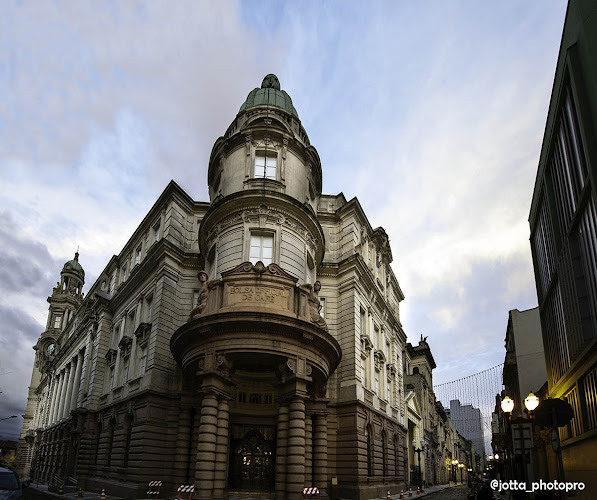
Museu do Café
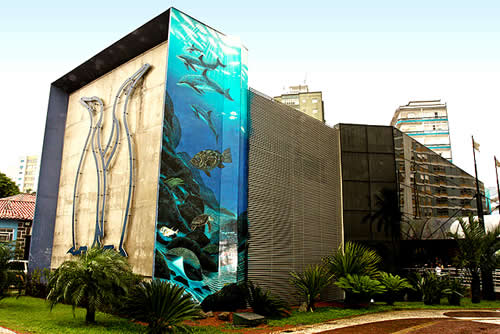
Aquário Municipal de Santos
Find Accommodations Nearby
Recommended Tours & Activities
Visitor Reviews
There are no reviews yet. Be the first one to write one.
Share Your Experience
Have you visited 11065-201? Help other travelers by leaving a review.