
Suncheon-si
About Suncheon-si
Description
Suncheon-si sits in the southeastern corner of South Jeolla Province, and honestly, it's one of those Korean cities that doesn't immediately jump to mind when most travelers plan their itineraries - which is exactly what makes it so special. With a population hovering around 280,000 people, it strikes that perfect balance between having proper infrastructure and maintaining an authentic, unhurried atmosphere that bigger cities like Seoul or Busan just can't offer anymore. I've always thought of Suncheon as Korea's best-kept secret, the kind of place where you can experience traditional Korean life while still having access to modern conveniences. The city has managed to preserve its agricultural roots while developing into an industrial hub, and somehow this blend works beautifully. But what really sets Suncheon apart is its commitment to ecological preservation - you'll notice this the moment you arrive. The star attraction here is undoubtedly Suncheon Bay, a wetland area so pristine and ecologically significant that it's recognized internationally. And I'm not exaggerating when I say the bay area is one of the most breathtaking coastal landscapes you'll encounter in East Asia. The tidal flats stretch endlessly, reed beds sway in the breeze, and the whole scene changes dramatically depending on the season and time of day. What strikes most visitors is how Suncheon has managed urban development without sacrificing its natural beauty. The city planners here clearly understood something that many other Korean cities forgot during rapid modernization - that nature and progress don't have to be enemies. Walking through Suncheon, you'll find yourself surrounded by mountains, wetlands, and agricultural fields that somehow coexist harmoniously with factories, apartment complexes, and shopping districts.Key Features
Travelers exploring Suncheon-si will discover numerous attractions and experiences that define this remarkable city:- Suncheon Bay Wetland Reserve - an internationally recognized ecological treasure spanning over 5.4 square kilometers with pristine tidal flats and vast reed beds that provide habitat for endangered bird species
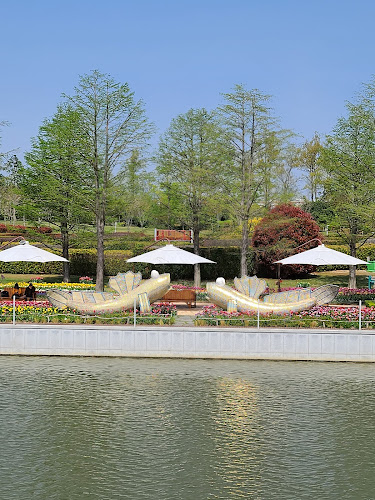
- Suncheonman National Garden - Korea's first national garden featuring themed gardens from different countries and showcasing over 790,000 trees and 300,000 flowering plants across 112 acres
- Naganeupseong Folk Village - a well-preserved fortress town from the Joseon Dynasty where actual residents still live in traditional thatched-roof houses, giving visitors an authentic glimpse into historical Korean life
- Jogyesan Provincial Park - home to two significant Buddhist temples (Seonamsa and Songgwangsa) nestled in forested mountains with excellent hiking trails and seasonal foliage that attracts photographers from across the country
- Suncheon Open Film Set - a recreation of Korean streets from the 1960s through 1980s that's been used in numerous Korean dramas and films, offering a nostalgic journey through Korea's modern history
- Ecological walkways and observation decks - thoughtfully designed elevated paths through the wetlands that allow close encounters with nature without disturbing the delicate ecosystem
- Traditional markets - authentic Korean market experiences where locals still shop for fresh produce, seafood, and traditional goods without the tourist markup you'd find in bigger cities
- Agricultural tourism opportunities - seasonal fruit picking, rice paddy experiences, and farm stays that connect visitors with the region's farming heritage
Best Time to Visit
Timing your visit to Suncheon really matters because the natural attractions here change dramatically with the seasons. And each season offers something completely different, so there's no single "best" time - it really depends on what you want to see. Autumn, specifically late October through early November, is when most Koreans visit Suncheon. The reed beds at Suncheon Bay turn golden and create this absolutely mesmerizing landscape that photographs like a dream. The weather is crisp and comfortable, usually ranging from 10 to 20 degrees Celsius, perfect for outdoor exploration. Plus, the mountains surrounding the city explode with fall colors - reds, oranges, and yellows that rival any autumn destination in the world. But here's something many guidebooks won't tell you: spring, particularly late April through May, might actually be even better if you can handle slightly unpredictable weather. The National Garden comes alive with blooming flowers, migratory birds stop at the wetlands during their northward journey, and you'll encounter far fewer crowds than autumn brings. I've visited during this time and had entire sections of the wetland boardwalk practically to myself, which felt almost surreal given how popular this place has become. Summer (June through August) gets hot and humid - we're talking temperatures regularly hitting 30 degrees Celsius with humidity that makes it feel even hotter. Most travelers avoid this season, and I understand why. But if you don't mind the heat, you'll experience the wetlands at their most lush and green, and hotel prices drop significantly. Just prepare for occasional heavy rains, especially during monsoon season in July. Winter is the wild card. It's cold, yes, and the landscape looks barren compared to other seasons. But the wetlands take on this stark, minimalist beauty that's quite different from the lush scenes of warmer months. And if you're lucky enough to visit during a light snowfall, the contrast of white snow against the brown reed beds creates scenes that look straight out of a traditional Korean painting. One practical tip - avoid Korean public holidays if possible, especially Chuseok (Korean Thanksgiving, usually in September or October) and Buddha's Birthday in May. Domestic tourism spikes during these periods, and the normally peaceful atmosphere gets considerably busier.How to Get There
Getting to Suncheon is actually easier than you might think for a city of its size, though it does require some planning if you're coming from abroad. Most international travelers will arrive in Korea through Incheon International Airport near Seoul. From there, you've got several options. The most convenient is taking the KTX (Korea's high-speed train) from Seoul Station to Suncheon Station. The journey takes roughly 3 hours and costs around 50,000 to 60,000 won depending on whether you book in advance. I always recommend reserving seats ahead of time, especially during peak travel seasons, because these trains do sell out. There's also a slower, cheaper train option - the regular express trains take about 4.5 to 5 hours but cost considerably less, usually around 30,000 to 40,000 won. If you're not in a rush and want to save money, this works fine. The Korean railway system is comfortable even on the slower trains, and you'll see more countryside this way. Buses are another option from Seoul's Express Bus Terminal or Central City Terminal. The trip takes around 4 hours and costs roughly 30,000 won. Some travelers prefer buses because the terminals in both cities are well-connected to subway systems, eliminating the need for taxis on either end. If you're flying into Busan instead of Seoul, you're actually closer to Suncheon - only about 2 hours by train or bus. This can be a smart routing choice if you're planning to explore the southern part of Korea anyway. Within Suncheon itself, you'll probably need to rely on taxis or local buses to reach the main attractions, since they're spread out across the city. Taxis are affordable by international standards - a trip from the train station to Suncheon Bay typically costs around 10,000 to 15,000 won. Local buses are even cheaper but require some Korean language ability or good navigation apps to use confidently. Renting a car is worth considering if you're comfortable driving in Korea, especially if you want to explore the surrounding countryside and smaller temples at your own pace. The roads around Suncheon are well-maintained and signage includes English, though not everywhere.Tips for Visiting
After spending considerable time exploring Suncheon, I've learned a few things that'll make your visit smoother and more enjoyable. First off, comfortable walking shoes are absolutely essential - and I mean proper athletic or hiking shoes, not just casual sneakers. The wetland boardwalks stretch for kilometers, and if you want to hike up to the observation deck (which you absolutely should for the panoramic views), you're looking at a decent climb. I made the mistake of wearing insufficient shoes on my first visit and regretted it within an hour. Download a translation app before you arrive. While younger Koreans in Seoul might speak some English, Suncheon remains pretty traditional, and English proficiency is limited outside major tourist sites. The Papago app works better than Google Translate for Korean in my experience. Timing your visit to the wetlands matters beyond just the season. The bay's appearance changes dramatically with the tides, so checking tide schedules can enhance your experience. Low tide exposes more of the mudflats where birds feed, while high tide brings water closer to the observation areas. Local tourism websites provide tide information, though you might need that translation app to access it. Bring cash. Yes, Korea is generally credit-card friendly, but many small restaurants and shops around Suncheon still prefer cash, especially in the traditional markets and near rural attractions. ATMs are readily available in the city center, but less common near places like Naganeupseong Folk Village. Budget more time than you think you'll need. Suncheon isn't a place to rush through in a day, though many travelers try. The wetlands alone deserve at least 3-4 hours if you want to walk the trails properly and visit the observation deck. The National Garden needs another 2-3 hours minimum. And that's before considering temples, the folk village, or the film set. I'd recommend at least two full days, ideally three, to experience Suncheon without exhausting yourself. Food-wise, don't miss the local specialty - Suncheon-style bibimbap, which is served in heated brass bowls and includes fresh vegetables from the region. It's different from Jeonju bibimbap and definitely worth trying. The areas around the traditional market have numerous small restaurants serving authentic local cuisine at prices that'll make you wonder why you ever ate in Seoul. Weather can change quickly, especially during spring and fall, so layers are your friend. I've experienced four seasons in a single day here - starting with fog, turning sunny by midday, then windy in the afternoon, and chilly by evening. A light waterproof jacket solves multiple problems. If you're interested in photography, sunrise at Suncheon Bay is magical but requires serious planning. The sun rises early during summer months, sometimes before 6 AM, and you'll need to arrange transportation since public buses don't run that early. Some photographers overnight in nearby accommodations or hire taxis. The effort pays off though - the morning light over the reed beds with mist rising creates unforgettable images. Consider visiting on a weekday if your schedule allows. Weekends bring Korean domestic tourists, particularly families, which isn't necessarily bad but changes the atmosphere from peaceful to bustling. The wetlands on a quiet Tuesday morning feel like a completely different place than Saturday afternoon. Lastly, respect the ecological preservation efforts. Stay on designated paths, don't disturb wildlife, and carry out any trash. Suncheon has worked hard to maintain these natural areas while allowing tourism, and that balance only works if visitors cooperate. The locals take genuine pride in their ecological heritage, and respecting that goes a long way in your interactions with residents.Key Features
- Suncheonman National Garden - Korea's first national garden featuring themed gardens from different countries and showcasing over 790,000 trees and 300,000 flowering plants across 112 acres
- Suncheon Open Film Set - a recreation of Korean streets from the 1960s through 1980s that's been used in numerous Korean dramas and films, offering a nostalgic journey through Korea's modern history
- Ecological walkways and observation decks - thoughtfully designed elevated paths through the wetlands that allow close encounters with nature without disturbing the delicate ecosystem
- Traditional markets - authentic Korean market experiences where locals still shop for fresh produce, seafood, and traditional goods without the tourist markup you'd find in bigger cities
- Agricultural tourism opportunities - seasonal fruit picking, rice paddy experiences, and farm stays that connect visitors with the region's farming heritage
More Details
Updated January 17, 2026
Table of Contents
Description
Suncheon-si sits in the southeastern corner of South Jeolla Province, and honestly, it’s one of those Korean cities that doesn’t immediately jump to mind when most travelers plan their itineraries – which is exactly what makes it so special. With a population hovering around 280,000 people, it strikes that perfect balance between having proper infrastructure and maintaining an authentic, unhurried atmosphere that bigger cities like Seoul or Busan just can’t offer anymore.
I’ve always thought of Suncheon as Korea’s best-kept secret, the kind of place where you can experience traditional Korean life while still having access to modern conveniences. The city has managed to preserve its agricultural roots while developing into an industrial hub, and somehow this blend works beautifully. But what really sets Suncheon apart is its commitment to ecological preservation – you’ll notice this the moment you arrive.
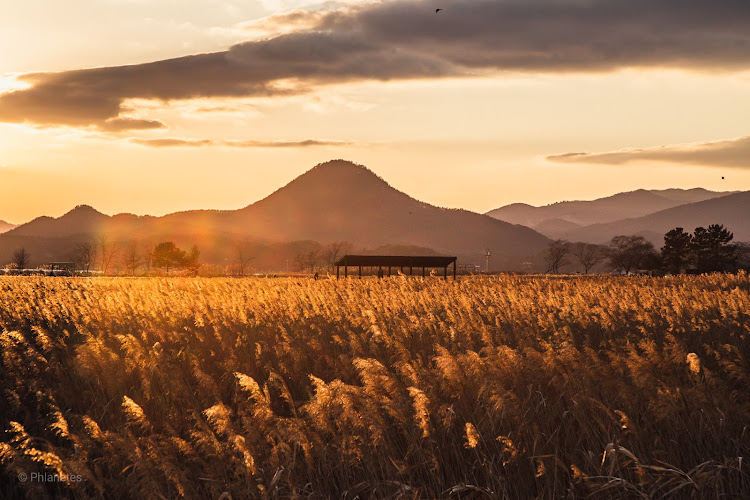
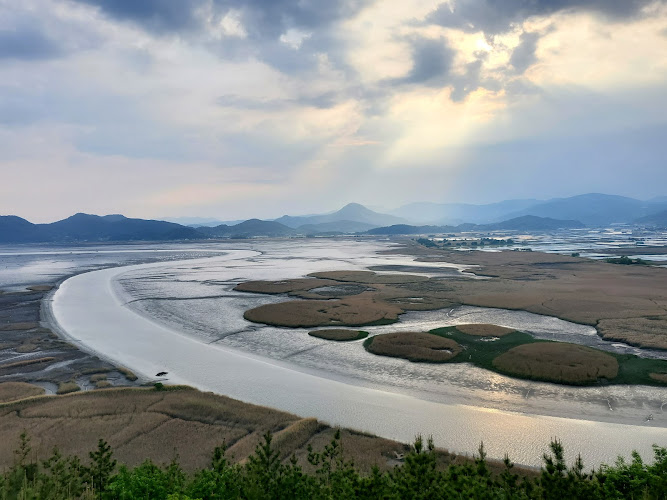
The star attraction here is undoubtedly Suncheon Bay, a wetland area so pristine and ecologically significant that it’s recognized internationally. And I’m not exaggerating when I say the bay area is one of the most breathtaking coastal landscapes you’ll encounter in East Asia. The tidal flats stretch endlessly, reed beds sway in the breeze, and the whole scene changes dramatically depending on the season and time of day.
What strikes most visitors is how Suncheon has managed urban development without sacrificing its natural beauty. The city planners here clearly understood something that many other Korean cities forgot during rapid modernization – that nature and progress don’t have to be enemies. Walking through Suncheon, you’ll find yourself surrounded by mountains, wetlands, and agricultural fields that somehow coexist harmoniously with factories, apartment complexes, and shopping districts.
Key Features
Travelers exploring Suncheon-si will discover numerous attractions and experiences that define this remarkable city:
- Suncheon Bay Wetland Reserve – an internationally recognized ecological treasure spanning over 5.4 square kilometers with pristine tidal flats and vast reed beds that provide habitat for endangered bird species
- Suncheonman National Garden – Korea’s first national garden featuring themed gardens from different countries and showcasing over 790,000 trees and 300,000 flowering plants across 112 acres
- Naganeupseong Folk Village – a well-preserved fortress town from the Joseon Dynasty where actual residents still live in traditional thatched-roof houses, giving visitors an authentic glimpse into historical Korean life
- Jogyesan Provincial Park – home to two significant Buddhist temples (Seonamsa and Songgwangsa) nestled in forested mountains with excellent hiking trails and seasonal foliage that attracts photographers from across the country
- Suncheon Open Film Set – a recreation of Korean streets from the 1960s through 1980s that’s been used in numerous Korean dramas and films, offering a nostalgic journey through Korea’s modern history
- Ecological walkways and observation decks – thoughtfully designed elevated paths through the wetlands that allow close encounters with nature without disturbing the delicate ecosystem
- Traditional markets – authentic Korean market experiences where locals still shop for fresh produce, seafood, and traditional goods without the tourist markup you’d find in bigger cities
- Agricultural tourism opportunities – seasonal fruit picking, rice paddy experiences, and farm stays that connect visitors with the region’s farming heritage
Best Time to Visit
Timing your visit to Suncheon really matters because the natural attractions here change dramatically with the seasons. And each season offers something completely different, so there’s no single “best” time – it really depends on what you want to see.
Autumn, specifically late October through early November, is when most Koreans visit Suncheon. The reed beds at Suncheon Bay turn golden and create this absolutely mesmerizing landscape that photographs like a dream. The weather is crisp and comfortable, usually ranging from 10 to 20 degrees Celsius, perfect for outdoor exploration. Plus, the mountains surrounding the city explode with fall colors – reds, oranges, and yellows that rival any autumn destination in the world.
But here’s something many guidebooks won’t tell you: spring, particularly late April through May, might actually be even better if you can handle slightly unpredictable weather. The National Garden comes alive with blooming flowers, migratory birds stop at the wetlands during their northward journey, and you’ll encounter far fewer crowds than autumn brings. I’ve visited during this time and had entire sections of the wetland boardwalk practically to myself, which felt almost surreal given how popular this place has become.
Summer (June through August) gets hot and humid – we’re talking temperatures regularly hitting 30 degrees Celsius with humidity that makes it feel even hotter. Most travelers avoid this season, and I understand why. But if you don’t mind the heat, you’ll experience the wetlands at their most lush and green, and hotel prices drop significantly. Just prepare for occasional heavy rains, especially during monsoon season in July.
Winter is the wild card. It’s cold, yes, and the landscape looks barren compared to other seasons. But the wetlands take on this stark, minimalist beauty that’s quite different from the lush scenes of warmer months. And if you’re lucky enough to visit during a light snowfall, the contrast of white snow against the brown reed beds creates scenes that look straight out of a traditional Korean painting.
One practical tip – avoid Korean public holidays if possible, especially Chuseok (Korean Thanksgiving, usually in September or October) and Buddha’s Birthday in May. Domestic tourism spikes during these periods, and the normally peaceful atmosphere gets considerably busier.
How to Get There
Getting to Suncheon is actually easier than you might think for a city of its size, though it does require some planning if you’re coming from abroad.
Most international travelers will arrive in Korea through Incheon International Airport near Seoul. From there, you’ve got several options. The most convenient is taking the KTX (Korea’s high-speed train) from Seoul Station to Suncheon Station. The journey takes roughly 3 hours and costs around 50,000 to 60,000 won depending on whether you book in advance. I always recommend reserving seats ahead of time, especially during peak travel seasons, because these trains do sell out.
There’s also a slower, cheaper train option – the regular express trains take about 4.5 to 5 hours but cost considerably less, usually around 30,000 to 40,000 won. If you’re not in a rush and want to save money, this works fine. The Korean railway system is comfortable even on the slower trains, and you’ll see more countryside this way.
Buses are another option from Seoul’s Express Bus Terminal or Central City Terminal. The trip takes around 4 hours and costs roughly 30,000 won. Some travelers prefer buses because the terminals in both cities are well-connected to subway systems, eliminating the need for taxis on either end.
If you’re flying into Busan instead of Seoul, you’re actually closer to Suncheon – only about 2 hours by train or bus. This can be a smart routing choice if you’re planning to explore the southern part of Korea anyway.
Within Suncheon itself, you’ll probably need to rely on taxis or local buses to reach the main attractions, since they’re spread out across the city. Taxis are affordable by international standards – a trip from the train station to Suncheon Bay typically costs around 10,000 to 15,000 won. Local buses are even cheaper but require some Korean language ability or good navigation apps to use confidently.
Renting a car is worth considering if you’re comfortable driving in Korea, especially if you want to explore the surrounding countryside and smaller temples at your own pace. The roads around Suncheon are well-maintained and signage includes English, though not everywhere.
Tips for Visiting
After spending considerable time exploring Suncheon, I’ve learned a few things that’ll make your visit smoother and more enjoyable.
First off, comfortable walking shoes are absolutely essential – and I mean proper athletic or hiking shoes, not just casual sneakers. The wetland boardwalks stretch for kilometers, and if you want to hike up to the observation deck (which you absolutely should for the panoramic views), you’re looking at a decent climb. I made the mistake of wearing insufficient shoes on my first visit and regretted it within an hour.
Download a translation app before you arrive. While younger Koreans in Seoul might speak some English, Suncheon remains pretty traditional, and English proficiency is limited outside major tourist sites. The Papago app works better than Google Translate for Korean in my experience.
Timing your visit to the wetlands matters beyond just the season. The bay’s appearance changes dramatically with the tides, so checking tide schedules can enhance your experience. Low tide exposes more of the mudflats where birds feed, while high tide brings water closer to the observation areas. Local tourism websites provide tide information, though you might need that translation app to access it.
Bring cash. Yes, Korea is generally credit-card friendly, but many small restaurants and shops around Suncheon still prefer cash, especially in the traditional markets and near rural attractions. ATMs are readily available in the city center, but less common near places like Naganeupseong Folk Village.
Budget more time than you think you’ll need. Suncheon isn’t a place to rush through in a day, though many travelers try. The wetlands alone deserve at least 3-4 hours if you want to walk the trails properly and visit the observation deck. The National Garden needs another 2-3 hours minimum. And that’s before considering temples, the folk village, or the film set. I’d recommend at least two full days, ideally three, to experience Suncheon without exhausting yourself.
Food-wise, don’t miss the local specialty – Suncheon-style bibimbap, which is served in heated brass bowls and includes fresh vegetables from the region. It’s different from Jeonju bibimbap and definitely worth trying. The areas around the traditional market have numerous small restaurants serving authentic local cuisine at prices that’ll make you wonder why you ever ate in Seoul.
Weather can change quickly, especially during spring and fall, so layers are your friend. I’ve experienced four seasons in a single day here – starting with fog, turning sunny by midday, then windy in the afternoon, and chilly by evening. A light waterproof jacket solves multiple problems.
If you’re interested in photography, sunrise at Suncheon Bay is magical but requires serious planning. The sun rises early during summer months, sometimes before 6 AM, and you’ll need to arrange transportation since public buses don’t run that early. Some photographers overnight in nearby accommodations or hire taxis. The effort pays off though – the morning light over the reed beds with mist rising creates unforgettable images.
Consider visiting on a weekday if your schedule allows. Weekends bring Korean domestic tourists, particularly families, which isn’t necessarily bad but changes the atmosphere from peaceful to bustling. The wetlands on a quiet Tuesday morning feel like a completely different place than Saturday afternoon.
Lastly, respect the ecological preservation efforts. Stay on designated paths, don’t disturb wildlife, and carry out any trash. Suncheon has worked hard to maintain these natural areas while allowing tourism, and that balance only works if visitors cooperate. The locals take genuine pride in their ecological heritage, and respecting that goes a long way in your interactions with residents.
Key Highlights
- Suncheonman National Garden – Korea's first national garden featuring themed gardens from different countries and showcasing over 790,000 trees and 300,000 flowering plants across 112 acres
- Suncheon Open Film Set – a recreation of Korean streets from the 1960s through 1980s that's been used in numerous Korean dramas and films, offering a nostalgic journey through Korea's modern history
- Ecological walkways and observation decks – thoughtfully designed elevated paths through the wetlands that allow close encounters with nature without disturbing the delicate ecosystem
- Traditional markets – authentic Korean market experiences where locals still shop for fresh produce, seafood, and traditional goods without the tourist markup you'd find in bigger cities
- Agricultural tourism opportunities – seasonal fruit picking, rice paddy experiences, and farm stays that connect visitors with the region's farming heritage
Location
Places to Stay Near Suncheon-si
Find and Book a Tour
Explore More Travel Guides
No reviews found! Be the first to review!
Traveler Reviews for Suncheon-si
There are no reviews yet. Be the first one to write one.
Have you visited Suncheon-si? Help other travelers by sharing your review.
You Might Also Like
Suncheon Bay Reed Field
Jukhak-ri
Suncheon Bay Nature Reserve
Find Accommodations Nearby
Recommended Tours & Activities
Visitor Reviews
There are no reviews yet. Be the first one to write one.
Share Your Experience
Have you visited Suncheon-si? Help other travelers by leaving a review.