
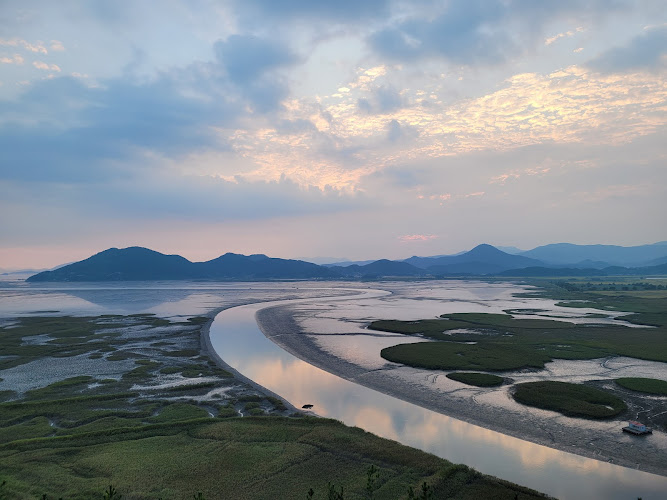
Yongsan Observatory
About Yongsan Observatory
Description
The Yongsan Observatory offers visitors an unexpected sanctuary where urban landscapes meet natural wetland ecosystems in a way that surprises most travelers. Unlike the typical observation decks found in major cities, this spot gives you a genuine glimpse into Korea's environmental conservation efforts while serving up some pretty spectacular views at the same time. When you first arrive, you'll notice how the observatory sits at this interesting junction between developed areas and protected wetlands. The viewing platform itself isn't one of those super modern glass-and-steel affairs you might expect – it's got a more understated presence that somehow makes the experience feel more authentic. I remember when I first visited, I was honestly expecting just another tourist trap, but what I found was something that felt purposeful and thoughtful in its design. The wetland ecosystem surrounding the observatory supports a remarkable variety of bird species and plant life that you won't find in Seoul's busier districts. And here's the thing – this isn't just about standing on a platform and snapping a few photos. The observatory functions as both a viewing point and an educational space where travelers can actually learn something about Korea's commitment to preserving natural habitats within urban settings. What strikes most visitors is how the atmosphere shifts throughout the day. Morning brings in bird watchers with their binoculars and field guides, while afternoons attract families and travelers looking for a breather from Seoul's relentless pace. The wetlands below change character depending on the season, the light, and even the time of day you choose to visit.Key Features
The Yongsan Observatory stands out for several reasons that make it worth adding to your Seoul itinerary: • Elevated viewing platform that provides unobstructed sightlines across the wetland ecosystem and surrounding areas • Wetland habitat supporting migratory birds, resident wildlife, and diverse plant species that change dramatically with the seasons • Educational displays and information panels explaining the ecological significance of urban wetlands in Korea • Restroom facilities on-site, which honestly is more important than most travel guides admit when you're planning a few hours at an outdoor attraction • Photography opportunities that go beyond typical city shots – think wildlife, natural landscapes, and that interesting contrast between nature and urban development • Relatively uncrowded compared to Seoul's major tourist attractions, giving you actual space to breathe and observe • Accessible viewing areas suitable for visitors with different mobility levels • Free admission making it an excellent budget-friendly option for travelers watching their expenses • Benches and rest areas where you can sit and actually take in the environment instead of rushing through • Seasonal changes that make repeat visits worthwhile if you're staying in Seoul for an extended periodBest Time to Visit
Timing your visit to Yongsan Observatory can really make or break the experience, and I've learned this through a bit of trial and error myself. Spring, particularly from late March through May, brings the wetlands to life in ways that'll catch you off guard if you've only seen Korea in winter. Migratory birds stop through during this period, and the plant life starts showing off after months of dormancy. You'll want to come early morning during spring – somewhere around 7 or 8 AM – when bird activity peaks and the light hits the wetlands just right. The temperature's comfortable too, before Seoul's humidity kicks in full force. Summer months from June through August can get brutally hot and sticky. But here's a insider perspective – if you can handle the heat, late afternoon visits around 5 or 6 PM reward you with fewer crowds and that golden hour light that photographers dream about. Just bring water and sun protection because there's limited shade on the observation platform. Autumn, running September through November, rivals spring as the absolute best time to experience this spot. The wetland vegetation takes on these incredible rust and gold tones, and the cooler temperatures make standing outside for extended periods actually pleasant. October particularly draws serious bird watchers as migration patterns bring different species through the area. Winter visits require a different mindset entirely. It's cold – properly cold – and the wetlands look stark and dormant. But if you're the type of traveler who appreciates quieter experiences, winter mornings at the observatory offer a kind of peaceful solitude that's increasingly rare in Seoul. Plus, certain winter bird species show up that you won't see other times of year. Weekday mornings generally provide the most peaceful experience regardless of season. Weekends and Korean public holidays bring local families and school groups, which changes the atmosphere considerably. Not necessarily worse, just different.How to Get There
Getting to Yongsan Observatory requires a bit more effort than hopping off at a convenient subway stop, but it's definitely manageable even if you're new to navigating Seoul. The closest subway stations require a follow-up bus ride or taxi journey, so plan accordingly. From central Seoul, your best approach typically involves taking the subway to one of the nearby stations in the Yongsan area and then transferring to a local bus that services the observatory route. The bus ride usually takes 15-20 minutes depending on traffic. Taxis offer a more straightforward option, especially if you're traveling with companions to split the fare. Show the driver the Korean name of the observatory on your phone – having it written in Hangul prevents miscommunication and gets you there faster. From central Seoul locations, expect a 20-30 minute drive in normal traffic conditions. If you're feeling adventurous and the weather's cooperating, ride-sharing bikes available through various Seoul apps can work for the final leg of the journey from the nearest transit stop. Just be aware that some routes involve hills that might test your stamina, particularly if you're carrying camera equipment or supplies for a longer visit. Parking is available if you're renting a car, though navigating Seoul's traffic isn't for the faint-hearted. The parking area near the observatory isn't huge, so arriving earlier in the day – especially on weekends – increases your chances of finding a spot without circling repeatedly. One thing I learned the hard way: double-check the current bus schedules before heading out. Routes and frequencies change, and you don't want to find yourself stranded waiting for a bus that only runs every hour.Tips for Visiting
After multiple visits and a few rookie mistakes, here's what actually matters when planning your trip to Yongsan Observatory. Bring binoculars if you have any interest in bird watching whatsoever. Even casual observers appreciate the closer views of wildlife that binoculars provide. You can spot details in the wetland ecosystem that completely disappear to the naked eye from the observation platform height. Dress in layers year-round. The observation deck is exposed, and wind conditions can change quickly. What feels comfortable when you arrive might turn chilly after standing still for 30 minutes watching birds. I've seen too many travelers cut their visits short because they underestimated how exposed the platform is. Photography enthusiasts should pack a zoom lens. The distance between the viewing platform and the wetland areas means your phone camera or a standard lens won't capture the detail you're hoping for. Early morning and late afternoon provide the best natural light for shooting. The restroom facilities are there, but you'll want to use them strategically. Once you're settled into a good observation spot and wildlife is active, you won't want to leave and risk missing something interesting or losing your position. Download a bird identification app before you visit if you're interested in the wildlife aspect. Several excellent ones work offline once downloaded, letting you identify species without burning through your data or relying on spotty internet connectivity. Bring snacks and water since there aren't food vendors or vending machines on-site. This isn't a place where you can grab a coffee or a quick bite – plan accordingly, especially if you're visiting with kids who get cranky when hungry. Check the weather forecast beyond just temperature. Rain obviously affects your visit, but wind conditions matter more than most travelers realize. Strong winds can make the observation platform uncomfortable and drive wildlife into shelter where you can't observe them. Visit during the week if your schedule allows any flexibility. The difference in crowd levels between weekdays and weekends is substantial, and you'll have a genuinely better experience with fewer people around. Mosquito repellent during warmer months isn't optional – it's essential. The wetland environment breeds mosquitoes like crazy, and they're aggressive. Don't rely on hoping for the best; bring proper repellent and apply it before you arrive. Take your time here. This isn't an attraction where you check a box and move on after ten minutes. The whole point is observing natural patterns and changes that only reveal themselves to patient visitors. Budget at least an hour, preferably two, to really appreciate what makes this spot special. Respect the quiet atmosphere that most visitors maintain. Loud conversations and disruptive behavior interfere with wildlife observation and annoy fellow travelers who came specifically for the peaceful environment. The educational materials and signage are worth reading even if you're not typically into that stuff. They provide context that transforms the visit from just looking at a wetland to understanding its ecological role and conservation significance. Consider visiting more than once if you're staying in Seoul for several days. The seasonal and daily variations mean each visit offers something different, and you'll notice details the second time that you completely missed initially.Key Features
- Panoramic views of Suncheonman Bay’s S-shaped waterways and mudflats
- Accessible trail through extensive reed fields leading to the observatory
- Excellent birdwatching opportunities, especially for migratory species
- Photogenic vantage point for sunrise and sunset landscapes
- Integration with Suncheonman Bay Ecological Park and nearby walking paths
More Details
Updated January 17, 2026
Table of Contents
Description
The Yongsan Observatory offers visitors an unexpected sanctuary where urban landscapes meet natural wetland ecosystems in a way that surprises most travelers. Unlike the typical observation decks found in major cities, this spot gives you a genuine glimpse into Korea’s environmental conservation efforts while serving up some pretty spectacular views at the same time.
When you first arrive, you’ll notice how the observatory sits at this interesting junction between developed areas and protected wetlands. The viewing platform itself isn’t one of those super modern glass-and-steel affairs you might expect – it’s got a more understated presence that somehow makes the experience feel more authentic. I remember when I first visited, I was honestly expecting just another tourist trap, but what I found was something that felt purposeful and thoughtful in its design.
The wetland ecosystem surrounding the observatory supports a remarkable variety of bird species and plant life that you won’t find in Seoul’s busier districts. And here’s the thing – this isn’t just about standing on a platform and snapping a few photos. The observatory functions as both a viewing point and an educational space where travelers can actually learn something about Korea’s commitment to preserving natural habitats within urban settings.
What strikes most visitors is how the atmosphere shifts throughout the day. Morning brings in bird watchers with their binoculars and field guides, while afternoons attract families and travelers looking for a breather from Seoul’s relentless pace. The wetlands below change character depending on the season, the light, and even the time of day you choose to visit.
Key Features
The Yongsan Observatory stands out for several reasons that make it worth adding to your Seoul itinerary:
• Elevated viewing platform that provides unobstructed sightlines across the wetland ecosystem and surrounding areas
• Wetland habitat supporting migratory birds, resident wildlife, and diverse plant species that change dramatically with the seasons
• Educational displays and information panels explaining the ecological significance of urban wetlands in Korea
• Restroom facilities on-site, which honestly is more important than most travel guides admit when you’re planning a few hours at an outdoor attraction
• Photography opportunities that go beyond typical city shots – think wildlife, natural landscapes, and that interesting contrast between nature and urban development
• Relatively uncrowded compared to Seoul’s major tourist attractions, giving you actual space to breathe and observe
• Accessible viewing areas suitable for visitors with different mobility levels
• Free admission making it an excellent budget-friendly option for travelers watching their expenses
• Benches and rest areas where you can sit and actually take in the environment instead of rushing through
• Seasonal changes that make repeat visits worthwhile if you’re staying in Seoul for an extended period
Best Time to Visit
Timing your visit to Yongsan Observatory can really make or break the experience, and I’ve learned this through a bit of trial and error myself.
Spring, particularly from late March through May, brings the wetlands to life in ways that’ll catch you off guard if you’ve only seen Korea in winter. Migratory birds stop through during this period, and the plant life starts showing off after months of dormancy. You’ll want to come early morning during spring – somewhere around 7 or 8 AM – when bird activity peaks and the light hits the wetlands just right. The temperature’s comfortable too, before Seoul’s humidity kicks in full force.
Summer months from June through August can get brutally hot and sticky. But here’s a insider perspective – if you can handle the heat, late afternoon visits around 5 or 6 PM reward you with fewer crowds and that golden hour light that photographers dream about. Just bring water and sun protection because there’s limited shade on the observation platform.
Autumn, running September through November, rivals spring as the absolute best time to experience this spot. The wetland vegetation takes on these incredible rust and gold tones, and the cooler temperatures make standing outside for extended periods actually pleasant. October particularly draws serious bird watchers as migration patterns bring different species through the area.
Winter visits require a different mindset entirely. It’s cold – properly cold – and the wetlands look stark and dormant. But if you’re the type of traveler who appreciates quieter experiences, winter mornings at the observatory offer a kind of peaceful solitude that’s increasingly rare in Seoul. Plus, certain winter bird species show up that you won’t see other times of year.
Weekday mornings generally provide the most peaceful experience regardless of season. Weekends and Korean public holidays bring local families and school groups, which changes the atmosphere considerably. Not necessarily worse, just different.
How to Get There
Getting to Yongsan Observatory requires a bit more effort than hopping off at a convenient subway stop, but it’s definitely manageable even if you’re new to navigating Seoul.
The closest subway stations require a follow-up bus ride or taxi journey, so plan accordingly. From central Seoul, your best approach typically involves taking the subway to one of the nearby stations in the Yongsan area and then transferring to a local bus that services the observatory route. The bus ride usually takes 15-20 minutes depending on traffic.
Taxis offer a more straightforward option, especially if you’re traveling with companions to split the fare. Show the driver the Korean name of the observatory on your phone – having it written in Hangul prevents miscommunication and gets you there faster. From central Seoul locations, expect a 20-30 minute drive in normal traffic conditions.
If you’re feeling adventurous and the weather’s cooperating, ride-sharing bikes available through various Seoul apps can work for the final leg of the journey from the nearest transit stop. Just be aware that some routes involve hills that might test your stamina, particularly if you’re carrying camera equipment or supplies for a longer visit.
Parking is available if you’re renting a car, though navigating Seoul’s traffic isn’t for the faint-hearted. The parking area near the observatory isn’t huge, so arriving earlier in the day – especially on weekends – increases your chances of finding a spot without circling repeatedly.
One thing I learned the hard way: double-check the current bus schedules before heading out. Routes and frequencies change, and you don’t want to find yourself stranded waiting for a bus that only runs every hour.
Tips for Visiting
After multiple visits and a few rookie mistakes, here’s what actually matters when planning your trip to Yongsan Observatory.
Bring binoculars if you have any interest in bird watching whatsoever. Even casual observers appreciate the closer views of wildlife that binoculars provide. You can spot details in the wetland ecosystem that completely disappear to the naked eye from the observation platform height.
Dress in layers year-round. The observation deck is exposed, and wind conditions can change quickly. What feels comfortable when you arrive might turn chilly after standing still for 30 minutes watching birds. I’ve seen too many travelers cut their visits short because they underestimated how exposed the platform is.
Photography enthusiasts should pack a zoom lens. The distance between the viewing platform and the wetland areas means your phone camera or a standard lens won’t capture the detail you’re hoping for. Early morning and late afternoon provide the best natural light for shooting.
The restroom facilities are there, but you’ll want to use them strategically. Once you’re settled into a good observation spot and wildlife is active, you won’t want to leave and risk missing something interesting or losing your position.
Download a bird identification app before you visit if you’re interested in the wildlife aspect. Several excellent ones work offline once downloaded, letting you identify species without burning through your data or relying on spotty internet connectivity.
Bring snacks and water since there aren’t food vendors or vending machines on-site. This isn’t a place where you can grab a coffee or a quick bite – plan accordingly, especially if you’re visiting with kids who get cranky when hungry.
Check the weather forecast beyond just temperature. Rain obviously affects your visit, but wind conditions matter more than most travelers realize. Strong winds can make the observation platform uncomfortable and drive wildlife into shelter where you can’t observe them.
Visit during the week if your schedule allows any flexibility. The difference in crowd levels between weekdays and weekends is substantial, and you’ll have a genuinely better experience with fewer people around.
Mosquito repellent during warmer months isn’t optional – it’s essential. The wetland environment breeds mosquitoes like crazy, and they’re aggressive. Don’t rely on hoping for the best; bring proper repellent and apply it before you arrive.
Take your time here. This isn’t an attraction where you check a box and move on after ten minutes. The whole point is observing natural patterns and changes that only reveal themselves to patient visitors. Budget at least an hour, preferably two, to really appreciate what makes this spot special.
Respect the quiet atmosphere that most visitors maintain. Loud conversations and disruptive behavior interfere with wildlife observation and annoy fellow travelers who came specifically for the peaceful environment.
The educational materials and signage are worth reading even if you’re not typically into that stuff. They provide context that transforms the visit from just looking at a wetland to understanding its ecological role and conservation significance.
Consider visiting more than once if you’re staying in Seoul for several days. The seasonal and daily variations mean each visit offers something different, and you’ll notice details the second time that you completely missed initially.
Key Highlights
- Panoramic views of Suncheonman Bay’s S-shaped waterways and mudflats
- Accessible trail through extensive reed fields leading to the observatory
- Excellent birdwatching opportunities, especially for migratory species
- Photogenic vantage point for sunrise and sunset landscapes
- Integration with Suncheonman Bay Ecological Park and nearby walking paths
Location
Places to Stay Near Yongsan Observatory
Find and Book a Tour
Explore More Travel Guides
No reviews found! Be the first to review!
Traveler Reviews for Yongsan Observatory
There are no reviews yet. Be the first one to write one.
Have you visited Yongsan Observatory? Help other travelers by sharing your review.
Nearby Attractions
You Might Also Like
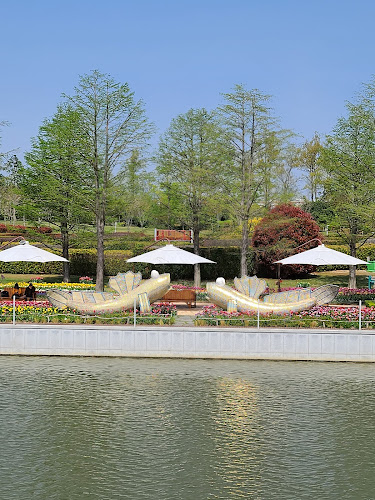
Suncheon-si

죽도봉공원
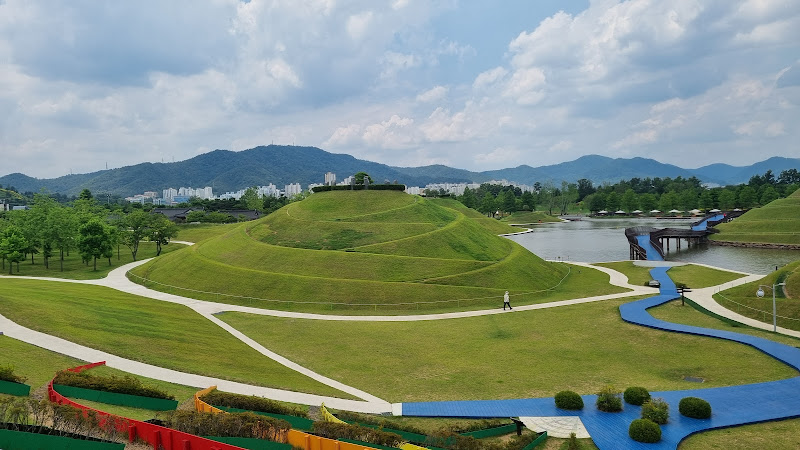
Suncheon Bay National Garden
Find Accommodations Nearby
Recommended Tours & Activities
Visitor Reviews
There are no reviews yet. Be the first one to write one.
Share Your Experience
Have you visited Yongsan Observatory? Help other travelers by leaving a review.