
Suncheon Bay Reed Field
About Suncheon Bay Reed Field
Description
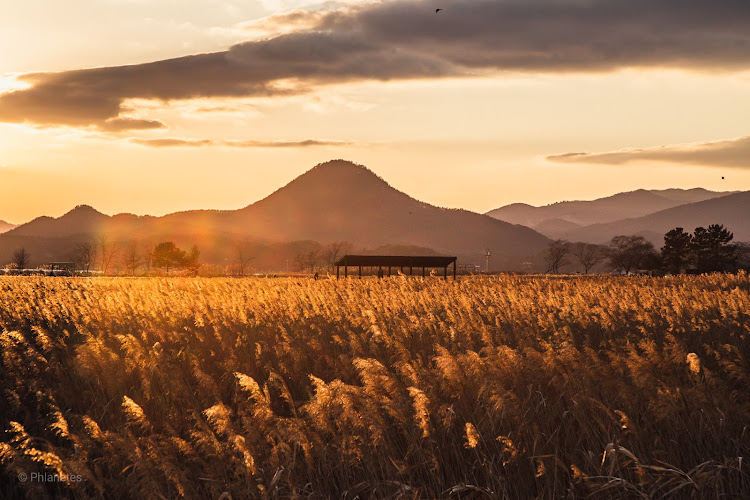
Suncheon Bay Reed Field stands as one of South Korea's most breathtaking ecological preserves, and honestly, calling it just a park doesn't quite capture what you'll experience here. This massive wetland sanctuary stretches across over 5.4 square kilometers of pure natural wonder, where millions of reeds sway in perfect harmony with the coastal winds. The reeds here aren't your typical roadside grass—these golden giants can reach heights of 2-3 meters, creating what feels like an endless sea of whispers when the breeze picks up. What makes this place genuinely special is how it manages to be both a critical wildlife habitat and an accessible destination for regular folks like you and me. The ecosystem here supports over 140 bird species, including some seriously rare ones that ornithologists travel halfway across the world to glimpse. But you don't need to be a bird expert to appreciate the sheer scale of nature on display. The reed fields transform throughout the seasons, though autumn is when they really show off. I remember my first visit during October—the entire landscape had turned this incredible golden-bronze color that photographs simply couldn't capture properly. And that's coming from someone who took about three hundred photos trying. The way the afternoon light hits those reeds creates this almost dreamlike atmosphere that stays with you long after you've left. The park's design respects the delicate balance of this wetland ecosystem while making it surprisingly easy for visitors to explore. Elevated boardwalks and observation platforms let you walk right through the reed beds without disturbing the habitat below. It's eco-tourism done right, where human curiosity and environmental protection actually work together instead of fighting each other.Key Features
The Suncheon Bay Reed Field offers visitors an impressive array of features that set it apart from your typical nature park: • Expansive reed colonies covering over 165,000 square meters that create one of Asia's largest coastal wetland reed beds • Elevated wooden walkways that wind through the reeds for nearly 3 kilometers, providing incredible photo opportunities without damaging the ecosystem • Multiple observation decks strategically positioned at different heights to give you varying perspectives of the landscape • The famous Yongsan Observatory which requires a bit of a climb but rewards you with panoramic views that'll make your Instagram followers absolutely jealous • Designated picnic areas where families can settle in for hours without feeling rushed • Well-maintained cycling paths that connect to the broader Suncheon Bay area trail system • Kid-friendly hiking routes that even little ones can manage without too much complaining • Wildlife viewing opportunities particularly during migration seasons when the bird population explodes • Wheelchair accessible facilities including parking lots and entrance points, making this destination genuinely inclusive • Public restrooms that are surprisingly clean and well-stocked throughout the park • Sunset viewing platforms where the sky puts on daily performances that rival any theater showBest Time to Visit
Look, I'll be straight with you—autumn is when Suncheon Bay Reed Field absolutely comes alive. From late September through November, the reeds turn this stunning golden color that seems to glow in the sunlight. October specifically hits that sweet spot where the weather's comfortable, the reeds are at peak color, and the migratory birds start arriving in serious numbers. But here's the thing: each season offers something different. Spring brings fresh green shoots and resident birds nesting throughout the wetlands. Summer, while hotter and more humid, shows the reeds at their tallest and greenest. Winter might seem like an odd choice, but the dried reeds against snow-covered mountains create this stark, almost monochromatic beauty that photographers absolutely love. Weather-wise, you'll want to aim for clear days when possible. The reed field doesn't have much shade, so summer visits during midday can get pretty intense. Spring and autumn offer that Goldilocks temperature—not too hot, not too cold. Morning visits give you softer light and fewer crowds, though I've found that late afternoon, about two hours before sunset, provides the most dramatic lighting. Weekends and Korean holidays can get crowded, no way around that. The park's popularity means you'll be sharing those boardwalks with lots of other folks. Weekday visits, particularly Tuesday through Thursday, tend to be quieter. If you can swing it, try visiting on a weekday autumn morning for the best overall experience. One insider tip: check the tide schedules before you go. During low tide, the mudflats become exposed, and you'll see completely different wildlife activity. Herons and egrets wade through the shallows hunting for food, and the whole ecosystem just becomes more visible and active.How to Get There
Getting to Suncheon Bay Reed Field isn't particularly complicated, though it does require a bit of planning. The park sits in South Jeolla Province, and Suncheon city serves as your gateway. If you're coming from Seoul, the KTX high-speed train makes the journey surprisingly manageable—about 2.5 to 3 hours to Suncheon Station. From there, you've got options. Local buses run regularly to the reed field, with bus numbers 66 and 67 being your best bets. The bus ride takes roughly 20-25 minutes depending on traffic, and honestly, it's pretty straightforward once you're on. Taxis from Suncheon Station work too, though they'll cost more than the bus. However, if you've got luggage or traveling with kids who don't do well on public transport, the convenience might be worth the extra expense. Most taxi drivers know the destination immediately when you mention "Suncheon-man" or show them the Korean characters for the reed field. Driving yourself gives you the most flexibility. The park has ample parking, including designated wheelchair-accessible spots close to the entrance. From Seoul, you're looking at roughly a 4-hour drive south via the expressway. Navigation apps work well in this area, so don't stress too much about getting lost. The park accepts credit cards at the entrance, which is super convenient since you won't need to worry about carrying exact change. Admission fees are reasonable—usually around 3,000 to 5,000 won for adults, with discounts for children and seniors. And here's something I wish someone had told me on my first visit: the reed field is part of a larger Suncheon Bay eco-park system. If you've got time, you can purchase combination tickets that include access to multiple sites in the area. Totally worth it if you're planning to explore beyond just the reeds.Tips for Visiting
After multiple visits and a few rookie mistakes, I've learned some things that'll make your trip smoother. First off, wear comfortable walking shoes. Seems obvious, but those boardwalks go on longer than you'd think, and flip-flops or fancy shoes will leave you miserable. The terrain is generally flat and well-maintained, but you'll still cover serious distance if you want to see everything. Bring sunscreen and a hat. The reed fields offer basically zero shade, and even on overcast days, that UV exposure adds up quickly. I learned this the hard way during a June visit and spent the evening looking like a lobster. Photography enthusiasts should pack a polarizing filter if you've got one. The light reflecting off the reeds can create harsh glare in photos, and a polarizer helps manage that. Also, bring a zoom lens if possible—you'll want it for bird photography, and some of the best views happen from the observation decks where you're far from your subjects. The cycling paths here are genuinely enjoyable, but you'll need to rent bikes from nearby facilities—the park doesn't have rentals on-site. If cycling's your thing, plan ahead and scope out rental locations in advance. Pack snacks and water, especially if you're visiting with kids. While there are vending machines near the entrance, once you head deep into the reed fields, you're pretty far from refreshments. The designated picnic areas are perfect for taking a break and refueling. Don't rush through this place. I see too many visitors who treat it like a checkbox on their itinerary—snap a few photos at the entrance, climb to the observatory, then leave. The magic happens when you slow down, maybe sit on one of the benches along the boardwalk, and just listen to the reeds rustling. It's meditative in a way that our usual rushed tourism doesn't allow for. Early birds (no pun intended) get rewarded here. Morning light is spectacular, crowds are thinner, and wildlife activity peaks around dawn. If you can drag yourself out of bed early, do it. Consider timing your visit around sunset if morning's not your thing. The park stays open late enough to catch the sunset from the Yongsan Observatory, and watching the sky change colors over that massive expanse of reeds is genuinely unforgettable. Just bring a flashlight for the walk back since those boardwalks can get pretty dark. Families with young children will find this place surprisingly manageable. The trails aren't too challenging, there are plenty of rest areas, and kids seem genuinely fascinated by walking through the towering reeds. That said, keep little ones close—those boardwalks have railings, but curious toddlers can squeeze through gaps. Wheelchair users and those with mobility challenges will appreciate the accessibility features. The main pathways and key viewing areas are well-designed for wheelchair access, though some of the more elevated observation points require climbing stairs. One thing to watch out for: mosquitoes during warmer months. This is a wetland, after all, and bugs come with the territory. Bug spray isn't just recommended—it's essential if you're visiting between May and September. Lastly, respect the ecosystem. Stay on designated paths, don't pick plants, and keep noise levels reasonable. This isn't just a pretty park—it's a functioning wetland that supports endangered species and serves crucial environmental functions. The better we treat it, the longer it'll remain this amazing for future visitors.Key Features
- Extensive reedbeds covering roughly 5.4 km² adjacent to tidal mudflats
- Boardwalks and observation platforms for close, low-impact access
- UNESCO biosphere reserve / protected wetland status
- Rich birdlife — over 140 species including migratory and endangered birds
- Scenic sunrise/sunset views and photographic opportunities
More Details
Updated January 17, 2026
Table of Contents
Description
Suncheon Bay Reed Field stands as one of South Korea’s most breathtaking ecological preserves, and honestly, calling it just a park doesn’t quite capture what you’ll experience here. This massive wetland sanctuary stretches across over 5.4 square kilometers of pure natural wonder, where millions of reeds sway in perfect harmony with the coastal winds. The reeds here aren’t your typical roadside grass—these golden giants can reach heights of 2-3 meters, creating what feels like an endless sea of whispers when the breeze picks up.
What makes this place genuinely special is how it manages to be both a critical wildlife habitat and an accessible destination for regular folks like you and me. The ecosystem here supports over 140 bird species, including some seriously rare ones that ornithologists travel halfway across the world to glimpse. But you don’t need to be a bird expert to appreciate the sheer scale of nature on display.
The reed fields transform throughout the seasons, though autumn is when they really show off. I remember my first visit during October—the entire landscape had turned this incredible golden-bronze color that photographs simply couldn’t capture properly. And that’s coming from someone who took about three hundred photos trying. The way the afternoon light hits those reeds creates this almost dreamlike atmosphere that stays with you long after you’ve left.
The park’s design respects the delicate balance of this wetland ecosystem while making it surprisingly easy for visitors to explore. Elevated boardwalks and observation platforms let you walk right through the reed beds without disturbing the habitat below. It’s eco-tourism done right, where human curiosity and environmental protection actually work together instead of fighting each other.
Key Features
The Suncheon Bay Reed Field offers visitors an impressive array of features that set it apart from your typical nature park:
• Expansive reed colonies covering over 165,000 square meters that create one of Asia’s largest coastal wetland reed beds
• Elevated wooden walkways that wind through the reeds for nearly 3 kilometers, providing incredible photo opportunities without damaging the ecosystem
• Multiple observation decks strategically positioned at different heights to give you varying perspectives of the landscape
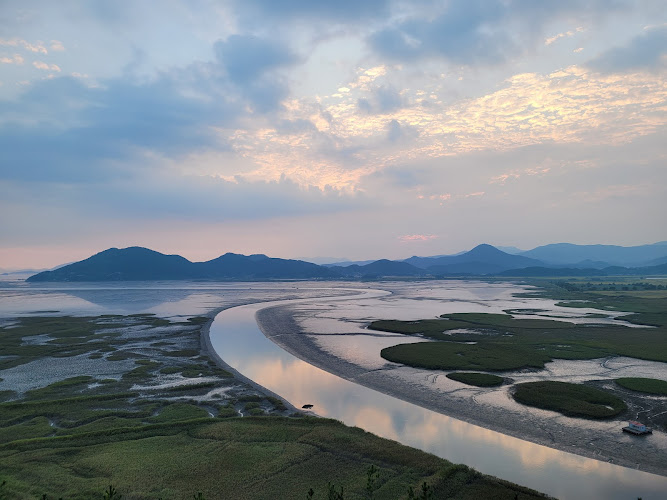
• The famous Yongsan Observatory which requires a bit of a climb but rewards you with panoramic views that’ll make your Instagram followers absolutely jealous
• Designated picnic areas where families can settle in for hours without feeling rushed
• Well-maintained cycling paths that connect to the broader Suncheon Bay area trail system
• Kid-friendly hiking routes that even little ones can manage without too much complaining
• Wildlife viewing opportunities particularly during migration seasons when the bird population explodes
• Wheelchair accessible facilities including parking lots and entrance points, making this destination genuinely inclusive
• Public restrooms that are surprisingly clean and well-stocked throughout the park
• Sunset viewing platforms where the sky puts on daily performances that rival any theater show
Best Time to Visit
Look, I’ll be straight with you—autumn is when Suncheon Bay Reed Field absolutely comes alive. From late September through November, the reeds turn this stunning golden color that seems to glow in the sunlight. October specifically hits that sweet spot where the weather’s comfortable, the reeds are at peak color, and the migratory birds start arriving in serious numbers.
But here’s the thing: each season offers something different. Spring brings fresh green shoots and resident birds nesting throughout the wetlands. Summer, while hotter and more humid, shows the reeds at their tallest and greenest. Winter might seem like an odd choice, but the dried reeds against snow-covered mountains create this stark, almost monochromatic beauty that photographers absolutely love.
Weather-wise, you’ll want to aim for clear days when possible. The reed field doesn’t have much shade, so summer visits during midday can get pretty intense. Spring and autumn offer that Goldilocks temperature—not too hot, not too cold. Morning visits give you softer light and fewer crowds, though I’ve found that late afternoon, about two hours before sunset, provides the most dramatic lighting.
Weekends and Korean holidays can get crowded, no way around that. The park’s popularity means you’ll be sharing those boardwalks with lots of other folks. Weekday visits, particularly Tuesday through Thursday, tend to be quieter. If you can swing it, try visiting on a weekday autumn morning for the best overall experience.
One insider tip: check the tide schedules before you go. During low tide, the mudflats become exposed, and you’ll see completely different wildlife activity. Herons and egrets wade through the shallows hunting for food, and the whole ecosystem just becomes more visible and active.
How to Get There
Getting to Suncheon Bay Reed Field isn’t particularly complicated, though it does require a bit of planning. The park sits in South Jeolla Province, and Suncheon city serves as your gateway.
If you’re coming from Seoul, the KTX high-speed train makes the journey surprisingly manageable—about 2.5 to 3 hours to Suncheon Station. From there, you’ve got options. Local buses run regularly to the reed field, with bus numbers 66 and 67 being your best bets. The bus ride takes roughly 20-25 minutes depending on traffic, and honestly, it’s pretty straightforward once you’re on.
Taxis from Suncheon Station work too, though they’ll cost more than the bus. However, if you’ve got luggage or traveling with kids who don’t do well on public transport, the convenience might be worth the extra expense. Most taxi drivers know the destination immediately when you mention “Suncheon-man” or show them the Korean characters for the reed field.
Driving yourself gives you the most flexibility. The park has ample parking, including designated wheelchair-accessible spots close to the entrance. From Seoul, you’re looking at roughly a 4-hour drive south via the expressway. Navigation apps work well in this area, so don’t stress too much about getting lost.
The park accepts credit cards at the entrance, which is super convenient since you won’t need to worry about carrying exact change. Admission fees are reasonable—usually around 3,000 to 5,000 won for adults, with discounts for children and seniors.
And here’s something I wish someone had told me on my first visit: the reed field is part of a larger Suncheon Bay eco-park system. If you’ve got time, you can purchase combination tickets that include access to multiple sites in the area. Totally worth it if you’re planning to explore beyond just the reeds.
Tips for Visiting
After multiple visits and a few rookie mistakes, I’ve learned some things that’ll make your trip smoother. First off, wear comfortable walking shoes. Seems obvious, but those boardwalks go on longer than you’d think, and flip-flops or fancy shoes will leave you miserable. The terrain is generally flat and well-maintained, but you’ll still cover serious distance if you want to see everything.
Bring sunscreen and a hat. The reed fields offer basically zero shade, and even on overcast days, that UV exposure adds up quickly. I learned this the hard way during a June visit and spent the evening looking like a lobster.
Photography enthusiasts should pack a polarizing filter if you’ve got one. The light reflecting off the reeds can create harsh glare in photos, and a polarizer helps manage that. Also, bring a zoom lens if possible—you’ll want it for bird photography, and some of the best views happen from the observation decks where you’re far from your subjects.
The cycling paths here are genuinely enjoyable, but you’ll need to rent bikes from nearby facilities—the park doesn’t have rentals on-site. If cycling’s your thing, plan ahead and scope out rental locations in advance.
Pack snacks and water, especially if you’re visiting with kids. While there are vending machines near the entrance, once you head deep into the reed fields, you’re pretty far from refreshments. The designated picnic areas are perfect for taking a break and refueling.
Don’t rush through this place. I see too many visitors who treat it like a checkbox on their itinerary—snap a few photos at the entrance, climb to the observatory, then leave. The magic happens when you slow down, maybe sit on one of the benches along the boardwalk, and just listen to the reeds rustling. It’s meditative in a way that our usual rushed tourism doesn’t allow for.
Early birds (no pun intended) get rewarded here. Morning light is spectacular, crowds are thinner, and wildlife activity peaks around dawn. If you can drag yourself out of bed early, do it.
Consider timing your visit around sunset if morning’s not your thing. The park stays open late enough to catch the sunset from the Yongsan Observatory, and watching the sky change colors over that massive expanse of reeds is genuinely unforgettable. Just bring a flashlight for the walk back since those boardwalks can get pretty dark.
Families with young children will find this place surprisingly manageable. The trails aren’t too challenging, there are plenty of rest areas, and kids seem genuinely fascinated by walking through the towering reeds. That said, keep little ones close—those boardwalks have railings, but curious toddlers can squeeze through gaps.
Wheelchair users and those with mobility challenges will appreciate the accessibility features. The main pathways and key viewing areas are well-designed for wheelchair access, though some of the more elevated observation points require climbing stairs.
One thing to watch out for: mosquitoes during warmer months. This is a wetland, after all, and bugs come with the territory. Bug spray isn’t just recommended—it’s essential if you’re visiting between May and September.
Lastly, respect the ecosystem. Stay on designated paths, don’t pick plants, and keep noise levels reasonable. This isn’t just a pretty park—it’s a functioning wetland that supports endangered species and serves crucial environmental functions. The better we treat it, the longer it’ll remain this amazing for future visitors.
Key Highlights
- Extensive reedbeds covering roughly 5.4 km² adjacent to tidal mudflats
- Boardwalks and observation platforms for close, low-impact access
- UNESCO biosphere reserve / protected wetland status
- Rich birdlife — over 140 species including migratory and endangered birds
- Scenic sunrise/sunset views and photographic opportunities
Location
Places to Stay Near Suncheon Bay Reed Field
Find and Book a Tour
Explore More Travel Guides
No reviews found! Be the first to review!
Traveler Reviews for Suncheon Bay Reed Field
There are no reviews yet. Be the first one to write one.
Have you visited Suncheon Bay Reed Field? Help other travelers by sharing your review.
Nearby Attractions
You Might Also Like
20 Wangji 2-gil

Seonamsa Temple
Yongsan Observatory
Find Accommodations Nearby
Recommended Tours & Activities
Visitor Reviews
There are no reviews yet. Be the first one to write one.
Share Your Experience
Have you visited Suncheon Bay Reed Field? Help other travelers by leaving a review.