
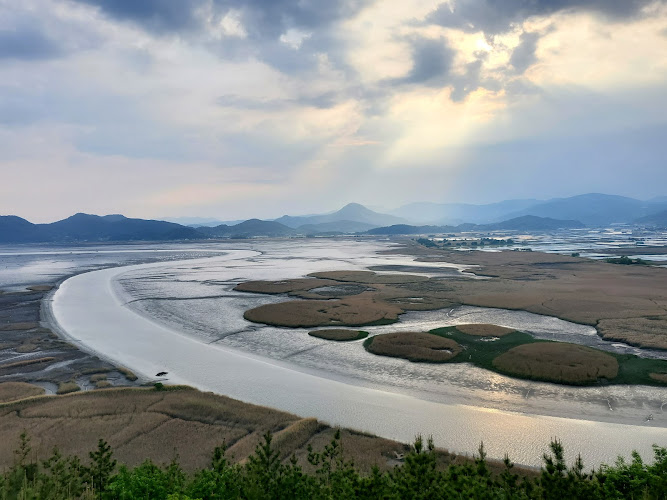
Suncheon Bay Nature Reserve
About Suncheon Bay Nature Reserve
Description
When people think of South Korea, their minds usually jump to Seoul's neon-lit streets or Busan's beaches. But tucked away in the southern reaches of the country lies something completely different—a sprawling wetland ecosystem that'll make you forget you're even in one of Asia's most technologically advanced nations. Suncheon Bay Nature Reserve is one of those rare places where nature hasn't just been preserved; it's been given room to absolutely thrive. I'll be honest with you, the first time I heard about a place being famous for reeds, I wasn't exactly jumping out of my seat with excitement. Reeds? Really? But then you see those endless golden fields of phragmites australis swaying in the coastal breeze, stretching as far as your eye can follow, and something just clicks. This isn't your typical manicured nature park with carefully placed benches and ornamental gardens. It's raw, it's real, and it's home to some of the most important tidal flats in East Asia. The reserve covers roughly 21.6 square kilometers of coastal wetlands, and it's become a critical stopover point for migratory birds traveling between Siberia and Australia. We're talking hundreds of thousands of birds making their seasonal journeys through this very spot. The Korean government designated it as a Ramsar Wetland site back in 2006, which is basically like getting a UNESCO stamp of approval for wetlands. And they didn't stop there—the entire bay area became Korea's first national garden city in 2013. What makes this place genuinely special isn't just the ecological diversity, though that's certainly impressive. It's the way local communities have learned to work alongside nature rather than bulldozing through it. The city of Suncheon actually moved buildings and relocated infrastructure to protect the bay's ecosystem. When was the last time you heard about a city doing that?Key Features
The reserve packs in quite a bit more than you'd expect from a wetland sanctuary: • Reed Fields – Those magnificent phragmites australis I mentioned earlier create one of the largest coastal reed beds in Korea, turning brilliant gold during autumn months and creating an almost otherworldly landscape • Ecological Museum – A modern facility that breaks down the bay's ecosystem in ways that actually make sense, even if you failed biology class like I did • Observatory Platforms – Multiple elevated viewing points strategically placed throughout the reserve, giving you panoramic views without disturbing the wildlife below • Tidal Flats – Massive mudflats that reveal themselves during low tide, absolutely teeming with crabs, shellfish, and other creatures that form the base of the food chain • Bird Watching Stations – Dedicated spots where you can observe rare species like hooded cranes, black-faced spoonbills, and white-naped cranes during migration seasons • Wooden Walkways – Well-maintained elevated paths that let you explore without trampling the delicate wetland environment • S-shaped Waterway – A naturally formed creek that winds through the reeds in a distinctive S pattern, creating some seriously photogenic moments • Yongsan Observatory – The highest viewpoint in the area, requiring a bit of a hike but rewarding you with sunset views that'll make your Instagram followers properly jealous • Cycling Routes – Designated bike paths that connect different sections of the reserve and extend into surrounding areas • Educational Programs – Regular workshops and guided tours that dive deeper into wetland ecology and conservation effortsBest Time to Visit
Here's where things get interesting because Suncheon Bay literally transforms with each season, and I mean that in the most dramatic way possible. October through early November is when most visitors show up, and for good reason. The reed fields turn this incredible golden color that photographers dream about. The migratory birds start arriving in massive numbers—we're talking flocks so large they temporarily block out the sun. Temperature-wise, you're looking at comfortable conditions in the 15-20°C range, perfect for hiking without sweating through your shirt. But here's my somewhat controversial opinion: spring migration season in March and April might actually be better. Sure, the reeds haven't hit their golden phase yet, but the sheer number of bird species passing through is phenomenal. Plus, you'll encounter way fewer tourists, which means you can actually hear yourself think (and hear the birds, which is kind of the point). The weather can be a bit unpredictable though, so pack layers. Summer months from June through August bring lush green landscapes and warm weather, but also humidity that'll have you questioning your life choices. The mosquitos throw their own little party during this time too. However, if you're interested in seeing the ecosystem at its most biologically active, this is it. Everything's growing, breeding, and moving at full speed. Winter is the dark horse season that nobody talks about enough. December through February sees the arrival of rare crane species that overwinter here. The landscape takes on this stark, minimalist beauty that's completely different from the golden autumn reeds. And yeah, it's cold—temperatures can drop below freezing—but bundle up properly and you'll have the place almost to yourself. Weekdays beat weekends regardless of season. Korean domestic tourism is strong, and weekends can get crowded, especially near the main observatory platforms.How to Get There
Getting to Suncheon Bay is actually more straightforward than you'd think, even if your Korean language skills are non-existent like mine were during my first visit. The nearest major city is Suncheon, which sits about 6 kilometers from the nature reserve. If you're coming from Seoul, the KTX high-speed train gets you to Suncheon Station in roughly 3 hours. From Busan, it's about 90 minutes on the same train. Once you arrive at Suncheon Station, you've got options. Local buses numbered 66 and 67 run directly from the station to the nature reserve, taking around 20-25 minutes depending on traffic. The fare's cheap—under 2,000 won last time I checked—and buses come frequently enough that you won't be waiting around forever. Just make sure you're getting on a bus heading to "Suncheonman" (순천만), which is what locals call the bay. Taxis are plentiful at the station and won't break the bank for the short journey. Expect to pay somewhere in the 8,000-12,000 won range. Most drivers know exactly where you want to go when you say "Suncheon Bay" or show them the Korean name on your phone. If you're feeling adventurous and the weather's cooperating, renting a bicycle in downtown Suncheon gives you the freedom to explore at your own pace. The bike paths are well-marked and relatively flat, making for an easy ride even if you haven't been on a bike since childhood. Driving is certainly an option if you've rented a car, and there's ample parking at the main visitor areas. The parking lot accepts all the usual payment methods and is wheelchair accessible. Just be aware that during peak autumn season, arriving after 10am might mean circling for a spot.Tips for Visiting
Right, so here's the stuff they don't always tell you in the glossy brochures. Bring binoculars. Seriously. Even if you think you're not a "bird person," you'll regret not having them when you spot something interesting moving around 50 meters away. The reserve does have some viewing scopes at observation points, but they're first-come, first-served and there's often a line. Wear proper footwear. I learned this the hard way wearing sneakers that had zero grip on the wooden walkways after a morning rain. The paths can get slippery, and while the reserve is generally easy terrain, you'll want shoes with decent traction. Sandals or flip-flops are just asking for trouble. Pack snacks and water. There are facilities at the main visitor center, but once you're out on the trails, options become limited. The last thing you want is being halfway through a beautiful hike and realizing you're starving with no food in sight. Timing matters for tidal flats. If you want to see the mudflats in all their glory, check the tide schedule before you go. Low tide reveals the most surface area and the best wildlife viewing opportunities. High tide has its own charm, but you'll miss out on seeing all those mudskippers and crabs doing their thing. The Yongsan Observatory hike takes longer than you think. Don't let the modest elevation fool you—getting to the top viewpoint is about a 30-40 minute climb for most people. And if you're trying to catch sunset up there, give yourself at least an hour before golden hour starts so you're not huffing and puffing your way up in the fading light. Entrance is free, which honestly amazes me given how well-maintained everything is. But that also means your tourism dollars should probably go toward supporting local businesses in Suncheon city. Bug spray between April and September isn't optional, it's mandatory. Those wetlands breed mosquitoes like nobody's business, and they're not picky about who they bite. Download offline maps or grab a paper map at the visitor center. Cell signal can be spotty in certain areas of the reserve, and wandering around lost because Google Maps won't load is nobody's idea of a good time. If you're visiting with kids, stick to the main pathways. They're stroller-friendly and accessible, with plenty of rest areas and clean public restrooms. The kid-friendly hiking trails are clearly marked and generally shorter with more interesting things to spot along the way. Photography enthusiasts should bring a telephoto lens for wildlife shots and a wide-angle for those sweeping landscape views of the reed fields. The lighting around sunrise and sunset is absolutely magical, but you'll need to arrive early to stake out good spots at popular viewpoints during peak season. Respect the conservation areas. Some sections are closed off to protect nesting sites or particularly sensitive ecosystems. These restrictions exist for good reason, and ignoring them damages the very thing you came to see.Key Features
- Extensive reed beds and tidal mudflats spanning large protected areas
- Raised wooden boardwalks and observation towers for close but low-impact viewing
- Rich birdlife including migratory shorebirds and waterfowl (seasonal highlights)
- Ecological exhibition hall and interpretive displays about wetland conservation
- Scenic walking trails and sunset viewing opportunities over the bay
More Details
Updated January 17, 2026
Table of Contents
Description
When people think of South Korea, their minds usually jump to Seoul’s neon-lit streets or Busan’s beaches. But tucked away in the southern reaches of the country lies something completely different—a sprawling wetland ecosystem that’ll make you forget you’re even in one of Asia’s most technologically advanced nations. Suncheon Bay Nature Reserve is one of those rare places where nature hasn’t just been preserved; it’s been given room to absolutely thrive.
I’ll be honest with you, the first time I heard about a place being famous for reeds, I wasn’t exactly jumping out of my seat with excitement. Reeds? Really? But then you see those endless golden fields of phragmites australis swaying in the coastal breeze, stretching as far as your eye can follow, and something just clicks. This isn’t your typical manicured nature park with carefully placed benches and ornamental gardens. It’s raw, it’s real, and it’s home to some of the most important tidal flats in East Asia.
The reserve covers roughly 21.6 square kilometers of coastal wetlands, and it’s become a critical stopover point for migratory birds traveling between Siberia and Australia. We’re talking hundreds of thousands of birds making their seasonal journeys through this very spot. The Korean government designated it as a Ramsar Wetland site back in 2006, which is basically like getting a UNESCO stamp of approval for wetlands. And they didn’t stop there—the entire bay area became Korea’s first national garden city in 2013.
What makes this place genuinely special isn’t just the ecological diversity, though that’s certainly impressive. It’s the way local communities have learned to work alongside nature rather than bulldozing through it. The city of Suncheon actually moved buildings and relocated infrastructure to protect the bay’s ecosystem. When was the last time you heard about a city doing that?
Key Features
The reserve packs in quite a bit more than you’d expect from a wetland sanctuary:
• Reed Fields – Those magnificent phragmites australis I mentioned earlier create one of the largest coastal reed beds in Korea, turning brilliant gold during autumn months and creating an almost otherworldly landscape
• Ecological Museum – A modern facility that breaks down the bay’s ecosystem in ways that actually make sense, even if you failed biology class like I did
• Observatory Platforms – Multiple elevated viewing points strategically placed throughout the reserve, giving you panoramic views without disturbing the wildlife below
• Tidal Flats – Massive mudflats that reveal themselves during low tide, absolutely teeming with crabs, shellfish, and other creatures that form the base of the food chain
• Bird Watching Stations – Dedicated spots where you can observe rare species like hooded cranes, black-faced spoonbills, and white-naped cranes during migration seasons
• Wooden Walkways – Well-maintained elevated paths that let you explore without trampling the delicate wetland environment
• S-shaped Waterway – A naturally formed creek that winds through the reeds in a distinctive S pattern, creating some seriously photogenic moments
• Yongsan Observatory – The highest viewpoint in the area, requiring a bit of a hike but rewarding you with sunset views that’ll make your Instagram followers properly jealous
• Cycling Routes – Designated bike paths that connect different sections of the reserve and extend into surrounding areas
• Educational Programs – Regular workshops and guided tours that dive deeper into wetland ecology and conservation efforts
Best Time to Visit
Here’s where things get interesting because Suncheon Bay literally transforms with each season, and I mean that in the most dramatic way possible.
October through early November is when most visitors show up, and for good reason. The reed fields turn this incredible golden color that photographers dream about. The migratory birds start arriving in massive numbers—we’re talking flocks so large they temporarily block out the sun. Temperature-wise, you’re looking at comfortable conditions in the 15-20°C range, perfect for hiking without sweating through your shirt.
But here’s my somewhat controversial opinion: spring migration season in March and April might actually be better. Sure, the reeds haven’t hit their golden phase yet, but the sheer number of bird species passing through is phenomenal. Plus, you’ll encounter way fewer tourists, which means you can actually hear yourself think (and hear the birds, which is kind of the point). The weather can be a bit unpredictable though, so pack layers.
Summer months from June through August bring lush green landscapes and warm weather, but also humidity that’ll have you questioning your life choices. The mosquitos throw their own little party during this time too. However, if you’re interested in seeing the ecosystem at its most biologically active, this is it. Everything’s growing, breeding, and moving at full speed.
Winter is the dark horse season that nobody talks about enough. December through February sees the arrival of rare crane species that overwinter here. The landscape takes on this stark, minimalist beauty that’s completely different from the golden autumn reeds. And yeah, it’s cold—temperatures can drop below freezing—but bundle up properly and you’ll have the place almost to yourself.
Weekdays beat weekends regardless of season. Korean domestic tourism is strong, and weekends can get crowded, especially near the main observatory platforms.
How to Get There
Getting to Suncheon Bay is actually more straightforward than you’d think, even if your Korean language skills are non-existent like mine were during my first visit.
The nearest major city is Suncheon, which sits about 6 kilometers from the nature reserve. If you’re coming from Seoul, the KTX high-speed train gets you to Suncheon Station in roughly 3 hours. From Busan, it’s about 90 minutes on the same train. Once you arrive at Suncheon Station, you’ve got options.
Local buses numbered 66 and 67 run directly from the station to the nature reserve, taking around 20-25 minutes depending on traffic. The fare’s cheap—under 2,000 won last time I checked—and buses come frequently enough that you won’t be waiting around forever. Just make sure you’re getting on a bus heading to “Suncheonman” (순천만), which is what locals call the bay.
Taxis are plentiful at the station and won’t break the bank for the short journey. Expect to pay somewhere in the 8,000-12,000 won range. Most drivers know exactly where you want to go when you say “Suncheon Bay” or show them the Korean name on your phone.
If you’re feeling adventurous and the weather’s cooperating, renting a bicycle in downtown Suncheon gives you the freedom to explore at your own pace. The bike paths are well-marked and relatively flat, making for an easy ride even if you haven’t been on a bike since childhood.
Driving is certainly an option if you’ve rented a car, and there’s ample parking at the main visitor areas. The parking lot accepts all the usual payment methods and is wheelchair accessible. Just be aware that during peak autumn season, arriving after 10am might mean circling for a spot.
Tips for Visiting
Right, so here’s the stuff they don’t always tell you in the glossy brochures.
Bring binoculars. Seriously. Even if you think you’re not a “bird person,” you’ll regret not having them when you spot something interesting moving around 50 meters away. The reserve does have some viewing scopes at observation points, but they’re first-come, first-served and there’s often a line.
Wear proper footwear. I learned this the hard way wearing sneakers that had zero grip on the wooden walkways after a morning rain. The paths can get slippery, and while the reserve is generally easy terrain, you’ll want shoes with decent traction. Sandals or flip-flops are just asking for trouble.
Pack snacks and water. There are facilities at the main visitor center, but once you’re out on the trails, options become limited. The last thing you want is being halfway through a beautiful hike and realizing you’re starving with no food in sight.
Timing matters for tidal flats. If you want to see the mudflats in all their glory, check the tide schedule before you go. Low tide reveals the most surface area and the best wildlife viewing opportunities. High tide has its own charm, but you’ll miss out on seeing all those mudskippers and crabs doing their thing.
The Yongsan Observatory hike takes longer than you think. Don’t let the modest elevation fool you—getting to the top viewpoint is about a 30-40 minute climb for most people. And if you’re trying to catch sunset up there, give yourself at least an hour before golden hour starts so you’re not huffing and puffing your way up in the fading light.
Entrance is free, which honestly amazes me given how well-maintained everything is. But that also means your tourism dollars should probably go toward supporting local businesses in Suncheon city.
Bug spray between April and September isn’t optional, it’s mandatory. Those wetlands breed mosquitoes like nobody’s business, and they’re not picky about who they bite.
Download offline maps or grab a paper map at the visitor center. Cell signal can be spotty in certain areas of the reserve, and wandering around lost because Google Maps won’t load is nobody’s idea of a good time.
If you’re visiting with kids, stick to the main pathways. They’re stroller-friendly and accessible, with plenty of rest areas and clean public restrooms. The kid-friendly hiking trails are clearly marked and generally shorter with more interesting things to spot along the way.
Photography enthusiasts should bring a telephoto lens for wildlife shots and a wide-angle for those sweeping landscape views of the reed fields. The lighting around sunrise and sunset is absolutely magical, but you’ll need to arrive early to stake out good spots at popular viewpoints during peak season.
Respect the conservation areas. Some sections are closed off to protect nesting sites or particularly sensitive ecosystems. These restrictions exist for good reason, and ignoring them damages the very thing you came to see.
Key Highlights
- Extensive reed beds and tidal mudflats spanning large protected areas
- Raised wooden boardwalks and observation towers for close but low-impact viewing
- Rich birdlife including migratory shorebirds and waterfowl (seasonal highlights)
- Ecological exhibition hall and interpretive displays about wetland conservation
- Scenic walking trails and sunset viewing opportunities over the bay
Location
Places to Stay Near Suncheon Bay Nature Reserve
Find and Book a Tour
Explore More Travel Guides
No reviews found! Be the first to review!
Traveler Reviews for Suncheon Bay Nature Reserve
There are no reviews yet. Be the first one to write one.
Have you visited Suncheon Bay Nature Reserve? Help other travelers by sharing your review.
Nearby Attractions
You Might Also Like
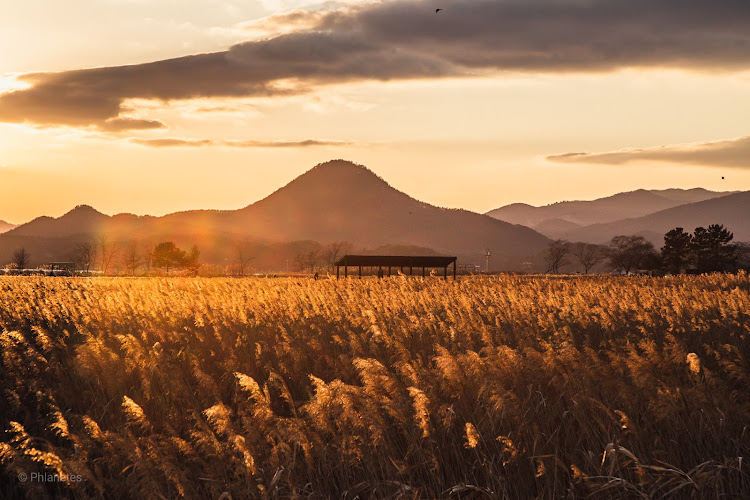
Suncheon Bay Reed Field
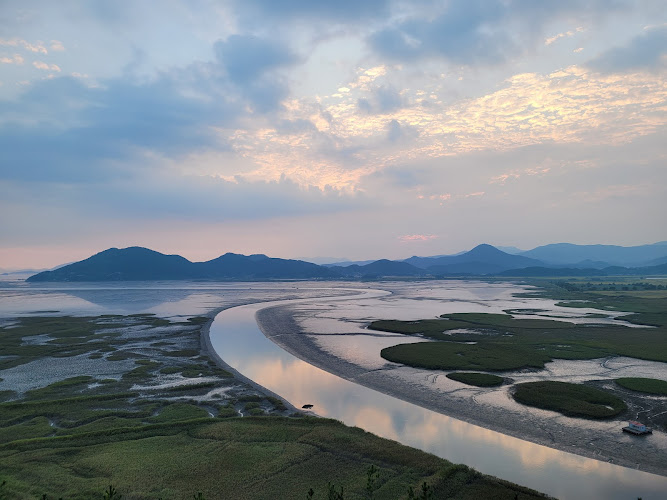
Yongsan Observatory
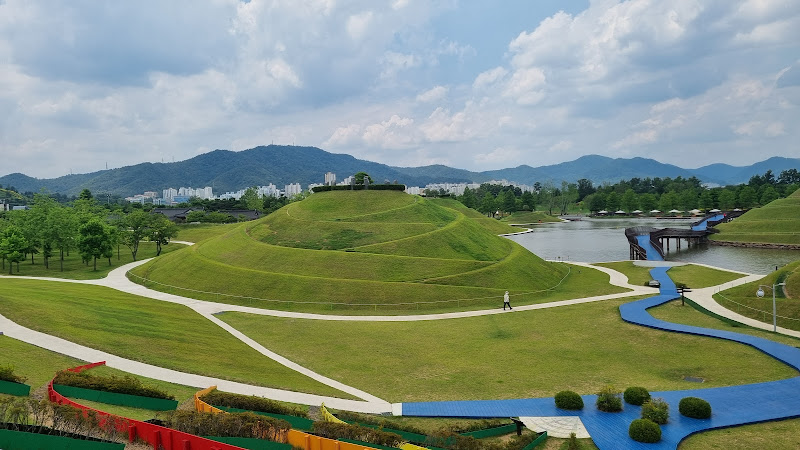
Suncheon Bay National Garden
Find Accommodations Nearby
Recommended Tours & Activities
Visitor Reviews
There are no reviews yet. Be the first one to write one.
Share Your Experience
Have you visited Suncheon Bay Nature Reserve? Help other travelers by leaving a review.