
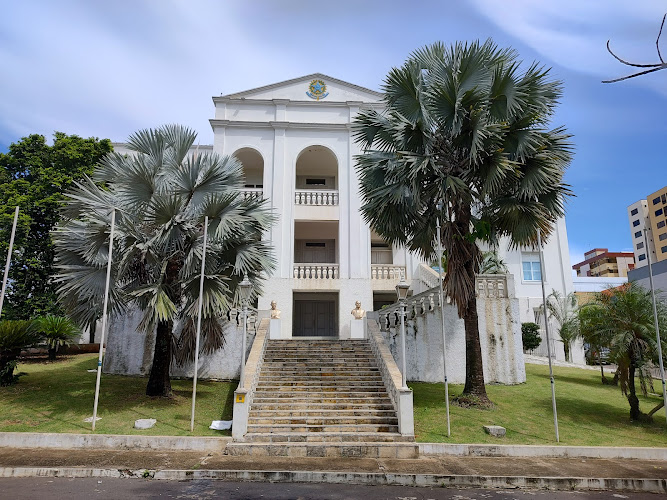
Palácio Presidente Getúlio Vargas
About Palácio Presidente Getúlio Vargas
Description
The Palácio Presidente Getúlio Vargas stands as one of those architectural gems that doesn't always make it into the typical tourist guidebooks, which is honestly a shame. This historic palace carries the weight of Brazilian political history on its shoulders, named after one of the country's most influential and controversial leaders. When you step inside, you're not just looking at another pretty building – you're walking through corridors where major decisions that shaped modern Brazil were made. I remember the first time I visited a presidential palace, expecting it to be stuffy and boring. But there's something genuinely captivating about being in spaces where power was wielded and history unfolded. The Palácio Presidente Getúlio Vargas offers that same kind of experience, though maybe without all the velvet ropes and overzealous security guards you'd find at other government buildings. It's the kind of place where architecture, politics, and Brazilian culture collide in the most fascinating way. The building itself reflects the architectural styles that were popular during Brazil's rapid modernization period. And while I won't pretend to be an architecture expert, even someone with a passing interest can appreciate the craftsmanship and attention to detail that went into creating this space. The palace serves as a physical reminder of an era when Brazil was finding its identity as a modern nation-state, for better or worse. What makes this destination particularly interesting for travelers is that it's not overrun with tour buses and selfie sticks. You can actually take your time, absorb the atmosphere, and think about the complex legacy of Getúlio Vargas himself – a man who was both dictator and democratically-elected president, beloved by workers yet feared by opponents. The palace doesn't shy away from this complicated history, which I find refreshing in an age where historical sites sometimes sanitize the past.Key Features
The Palácio Presidente Getúlio Vargas offers visitors several distinctive elements that make it worth including on your Brazilian itinerary: • Historical significance related to one of Brazil's most transformative political figures, whose policies still influence the country today • Architectural design that represents the aesthetic values and construction techniques of early-to-mid 20th century Brazil • Display rooms featuring period furniture and artifacts that give you a genuine sense of how government officials lived and worked during that era • Relatively uncrowded compared to more famous tourist attractions, allowing for a more personal and reflective experience • Photo opportunities that go beyond typical tourist snapshots – the building's lines and details make for some genuinely interesting compositions • Educational value for those interested in understanding Brazilian political development and the Estado Novo period • Peaceful atmosphere that provides a nice contrast to busier cultural attractions in the area • Well-preserved interiors that haven't been over-restored, maintaining an authentic feelingBest Time to Visit
Timing your visit to the Palácio Presidente Getúlio Vargas requires a bit of practical thinking. Unlike outdoor attractions where weather dominates your planning, this is primarily an indoor experience, which gives you more flexibility throughout the year. That said, you'll still want to consider a few factors. The shoulder seasons – roughly April to June and August to October – tend to work particularly well. You're avoiding the peak summer crowds when Brazilian families are on vacation, but you're also not dealing with the handful of rainy days that occasionally pop up during certain months. I've found that visiting historical sites during these periods means you can actually hear yourself think and maybe even strike up a conversation with staff members who aren't rushing between groups of tourists. Weekday mornings are your friend here. If you can swing a Tuesday or Wednesday visit around 10 AM, you'll probably have large sections of the palace practically to yourself. There's something special about experiencing historical spaces without having to peek around someone's shoulder or wait for a crowd to move along. Plus, morning light tends to filter through the windows in ways that really highlight the architectural details. Avoid weekends if possible, particularly Sunday afternoons when local families make up the bulk of visitors. Not that there's anything wrong with families – I love seeing kids get excited about history – but if you're looking for a contemplative experience, you'll struggle to find it during peak local visiting hours. The summer months from December to February can get quite warm, and not all areas of historic buildings in Brazil have modern climate control. If you're sensitive to heat, you might find yourself rushing through exhibits just to get back to air conditioning, which would be a shame. Weather-wise, try to avoid the heaviest rainfall periods if you're planning to explore the surrounding area before or after your palace visit. Getting caught in a downpour doesn't enhance anyone's cultural experience, trust me on this one.How to Get There
Getting to the Palácio Presidente Getúlio Vargas doesn't require an advanced degree in Brazilian geography, but a little planning goes a long way. The palace's location means you have several transportation options depending on your budget and comfort level with local transit. Public transportation is probably your most economical choice if you're comfortable navigating bus routes or metro systems. Many travelers underestimate Brazilian public transit, but it's actually quite efficient once you understand the basics. Local buses serve the area regularly, and you can use navigation apps to figure out which routes will get you closest. Just make sure your phone is charged because trying to ask for directions in broken Portuguese while consulting a paper map is... well, let's just say it's character-building. Taxis and ride-sharing services work perfectly well if you prefer door-to-door convenience. The cost won't break your budget compared to what you'd pay in major American or European cities. And honestly, after a long morning of sightseeing, sometimes you just want to sit in an air-conditioned car rather than figure out bus schedules. No judgment here. If you're staying in the central area, walking might actually be your best option depending on exactly where your accommodation is located. Brazilian cities are often more walkable than tourists expect, and you'll see interesting neighborhoods and daily life that you'd miss from inside a vehicle. Just wear comfortable shoes because sidewalk conditions can be unpredictable. For those renting cars, parking in the vicinity is possible but requires patience. Brazilian parking situations can be... creative. Look for official lots rather than just pulling up to the curb, and always keep valuables out of sight. Group tours sometimes include the palace as part of larger historical circuits through the city. If you're someone who enjoys having context provided by a guide and doesn't mind moving at a group's pace, this could be an efficient way to visit. But if you're like me and prefer lingering at exhibits that catch your interest, independent travel works better.Tips for Visiting
Making the most of your time at the Palácio Presidente Getúlio Vargas comes down to preparation and the right mindset. Here are some practical suggestions based on what works for cultural and historical attractions in Brazil. Dress appropriately but don't overthink it. This isn't a formal government building with strict dress codes, but showing up in beachwear probably won't earn you any points with staff. Clean casual clothing works perfectly fine – think of what you'd wear to a nice restaurant but maybe one step down. Bring some local currency for any entrance fees or donations. While some places accept cards, smaller amounts often need to be paid in cash. Having exact change makes everything smoother and endears you to ticket sellers who don't want to break large bills. Your camera is definitely welcome, but be mindful about using flash photography. Many historical buildings restrict flash because of potential damage to artifacts and artwork. Natural light photography often produces better results anyway, forcing you to slow down and really compose your shots. Language barriers are real but manageable. Not all staff speak fluent English, so having a translation app ready can help with specific questions. That said, Brazilians are generally patient with tourists attempting Portuguese, even when your pronunciation is absolutely terrible. I've found that trying gets you much further than assuming everyone should speak English. Take your time and actually read the information provided. I know this sounds obvious, but how many times have we all rushed through museums barely glancing at plaques? The palace tells Vargas's complex story, and understanding the historical context makes the visit infinitely more meaningful. If you're not a reader, maybe do a bit of research beforehand so you have some framework. Photography enthusiasts should pay attention to architectural details – the moldings, doorways, staircases, and window treatments often tell their own stories about the period. These elements photograph beautifully and make for more interesting images than just standing in front of the building. Consider visiting the palace earlier in your trip rather than later. Understanding Getúlio Vargas's role in Brazilian history provides context for other things you'll see and experience throughout the country. His labor policies, nationalist economic approach, and political maneuvering still echo through contemporary Brazil. Be respectful of the space. This might house political history, but for many Brazilians, Vargas remains a genuinely important and sometimes emotional figure. What seems like abstract history to foreign visitors represents living memory and ongoing political debates for locals. Finally, allow more time than you think you'll need. The best museum and historical site visits happen when you're not constantly checking your watch. Budget at least 90 minutes, maybe two hours if you're genuinely interested in the period. Rushing through defeats the entire purpose of visiting a place like this.Key Features
- Neo-colonial architecture with preserved mid-20th-century details
- Permanent and rotating exhibits on Rondônia’s history and civic life
- Central location beside Praça Getúlio Vargas and other heritage buildings
- Photogenic exterior and period interior rooms
- Nearby cultural amenities (market, university buildings, riverfront) for combined visits
More Details
Updated January 17, 2026
Table of Contents
Description
The Palácio Presidente Getúlio Vargas stands as one of those architectural gems that doesn’t always make it into the typical tourist guidebooks, which is honestly a shame. This historic palace carries the weight of Brazilian political history on its shoulders, named after one of the country’s most influential and controversial leaders. When you step inside, you’re not just looking at another pretty building – you’re walking through corridors where major decisions that shaped modern Brazil were made.
I remember the first time I visited a presidential palace, expecting it to be stuffy and boring. But there’s something genuinely captivating about being in spaces where power was wielded and history unfolded. The Palácio Presidente Getúlio Vargas offers that same kind of experience, though maybe without all the velvet ropes and overzealous security guards you’d find at other government buildings. It’s the kind of place where architecture, politics, and Brazilian culture collide in the most fascinating way.
The building itself reflects the architectural styles that were popular during Brazil’s rapid modernization period. And while I won’t pretend to be an architecture expert, even someone with a passing interest can appreciate the craftsmanship and attention to detail that went into creating this space. The palace serves as a physical reminder of an era when Brazil was finding its identity as a modern nation-state, for better or worse.
What makes this destination particularly interesting for travelers is that it’s not overrun with tour buses and selfie sticks. You can actually take your time, absorb the atmosphere, and think about the complex legacy of Getúlio Vargas himself – a man who was both dictator and democratically-elected president, beloved by workers yet feared by opponents. The palace doesn’t shy away from this complicated history, which I find refreshing in an age where historical sites sometimes sanitize the past.
Key Features
The Palácio Presidente Getúlio Vargas offers visitors several distinctive elements that make it worth including on your Brazilian itinerary:
• Historical significance related to one of Brazil’s most transformative political figures, whose policies still influence the country today
• Architectural design that represents the aesthetic values and construction techniques of early-to-mid 20th century Brazil
• Display rooms featuring period furniture and artifacts that give you a genuine sense of how government officials lived and worked during that era
• Relatively uncrowded compared to more famous tourist attractions, allowing for a more personal and reflective experience
• Photo opportunities that go beyond typical tourist snapshots – the building’s lines and details make for some genuinely interesting compositions
• Educational value for those interested in understanding Brazilian political development and the Estado Novo period
• Peaceful atmosphere that provides a nice contrast to busier cultural attractions in the area
• Well-preserved interiors that haven’t been over-restored, maintaining an authentic feeling
Best Time to Visit
Timing your visit to the Palácio Presidente Getúlio Vargas requires a bit of practical thinking. Unlike outdoor attractions where weather dominates your planning, this is primarily an indoor experience, which gives you more flexibility throughout the year. That said, you’ll still want to consider a few factors.
The shoulder seasons – roughly April to June and August to October – tend to work particularly well. You’re avoiding the peak summer crowds when Brazilian families are on vacation, but you’re also not dealing with the handful of rainy days that occasionally pop up during certain months. I’ve found that visiting historical sites during these periods means you can actually hear yourself think and maybe even strike up a conversation with staff members who aren’t rushing between groups of tourists.
Weekday mornings are your friend here. If you can swing a Tuesday or Wednesday visit around 10 AM, you’ll probably have large sections of the palace practically to yourself. There’s something special about experiencing historical spaces without having to peek around someone’s shoulder or wait for a crowd to move along. Plus, morning light tends to filter through the windows in ways that really highlight the architectural details.
Avoid weekends if possible, particularly Sunday afternoons when local families make up the bulk of visitors. Not that there’s anything wrong with families – I love seeing kids get excited about history – but if you’re looking for a contemplative experience, you’ll struggle to find it during peak local visiting hours.
The summer months from December to February can get quite warm, and not all areas of historic buildings in Brazil have modern climate control. If you’re sensitive to heat, you might find yourself rushing through exhibits just to get back to air conditioning, which would be a shame.
Weather-wise, try to avoid the heaviest rainfall periods if you’re planning to explore the surrounding area before or after your palace visit. Getting caught in a downpour doesn’t enhance anyone’s cultural experience, trust me on this one.
How to Get There
Getting to the Palácio Presidente Getúlio Vargas doesn’t require an advanced degree in Brazilian geography, but a little planning goes a long way. The palace’s location means you have several transportation options depending on your budget and comfort level with local transit.
Public transportation is probably your most economical choice if you’re comfortable navigating bus routes or metro systems. Many travelers underestimate Brazilian public transit, but it’s actually quite efficient once you understand the basics. Local buses serve the area regularly, and you can use navigation apps to figure out which routes will get you closest. Just make sure your phone is charged because trying to ask for directions in broken Portuguese while consulting a paper map is… well, let’s just say it’s character-building.
Taxis and ride-sharing services work perfectly well if you prefer door-to-door convenience. The cost won’t break your budget compared to what you’d pay in major American or European cities. And honestly, after a long morning of sightseeing, sometimes you just want to sit in an air-conditioned car rather than figure out bus schedules. No judgment here.
If you’re staying in the central area, walking might actually be your best option depending on exactly where your accommodation is located. Brazilian cities are often more walkable than tourists expect, and you’ll see interesting neighborhoods and daily life that you’d miss from inside a vehicle. Just wear comfortable shoes because sidewalk conditions can be unpredictable.
For those renting cars, parking in the vicinity is possible but requires patience. Brazilian parking situations can be… creative. Look for official lots rather than just pulling up to the curb, and always keep valuables out of sight.
Group tours sometimes include the palace as part of larger historical circuits through the city. If you’re someone who enjoys having context provided by a guide and doesn’t mind moving at a group’s pace, this could be an efficient way to visit. But if you’re like me and prefer lingering at exhibits that catch your interest, independent travel works better.
Tips for Visiting
Making the most of your time at the Palácio Presidente Getúlio Vargas comes down to preparation and the right mindset. Here are some practical suggestions based on what works for cultural and historical attractions in Brazil.
Dress appropriately but don’t overthink it. This isn’t a formal government building with strict dress codes, but showing up in beachwear probably won’t earn you any points with staff. Clean casual clothing works perfectly fine – think of what you’d wear to a nice restaurant but maybe one step down.
Bring some local currency for any entrance fees or donations. While some places accept cards, smaller amounts often need to be paid in cash. Having exact change makes everything smoother and endears you to ticket sellers who don’t want to break large bills.
Your camera is definitely welcome, but be mindful about using flash photography. Many historical buildings restrict flash because of potential damage to artifacts and artwork. Natural light photography often produces better results anyway, forcing you to slow down and really compose your shots.
Language barriers are real but manageable. Not all staff speak fluent English, so having a translation app ready can help with specific questions. That said, Brazilians are generally patient with tourists attempting Portuguese, even when your pronunciation is absolutely terrible. I’ve found that trying gets you much further than assuming everyone should speak English.
Take your time and actually read the information provided. I know this sounds obvious, but how many times have we all rushed through museums barely glancing at plaques? The palace tells Vargas’s complex story, and understanding the historical context makes the visit infinitely more meaningful. If you’re not a reader, maybe do a bit of research beforehand so you have some framework.
Photography enthusiasts should pay attention to architectural details – the moldings, doorways, staircases, and window treatments often tell their own stories about the period. These elements photograph beautifully and make for more interesting images than just standing in front of the building.
Consider visiting the palace earlier in your trip rather than later. Understanding Getúlio Vargas’s role in Brazilian history provides context for other things you’ll see and experience throughout the country. His labor policies, nationalist economic approach, and political maneuvering still echo through contemporary Brazil.
Be respectful of the space. This might house political history, but for many Brazilians, Vargas remains a genuinely important and sometimes emotional figure. What seems like abstract history to foreign visitors represents living memory and ongoing political debates for locals.
Finally, allow more time than you think you’ll need. The best museum and historical site visits happen when you’re not constantly checking your watch. Budget at least 90 minutes, maybe two hours if you’re genuinely interested in the period. Rushing through defeats the entire purpose of visiting a place like this.
Key Highlights
- Neo-colonial architecture with preserved mid-20th-century details
- Permanent and rotating exhibits on Rondônia’s history and civic life
- Central location beside Praça Getúlio Vargas and other heritage buildings
- Photogenic exterior and period interior rooms
- Nearby cultural amenities (market, university buildings, riverfront) for combined visits
Location
Places to Stay Near Palácio Presidente Getúlio Vargas
Find and Book a Tour
Explore More Travel Guides
No reviews found! Be the first to review!
Traveler Reviews for Palácio Presidente Getúlio Vargas
There are no reviews yet. Be the first one to write one.
Have you visited Palácio Presidente Getúlio Vargas? Help other travelers by sharing your review.
Nearby Attractions
You Might Also Like
Porto Velho RO BR 364 SUL
Ramal Eletronica
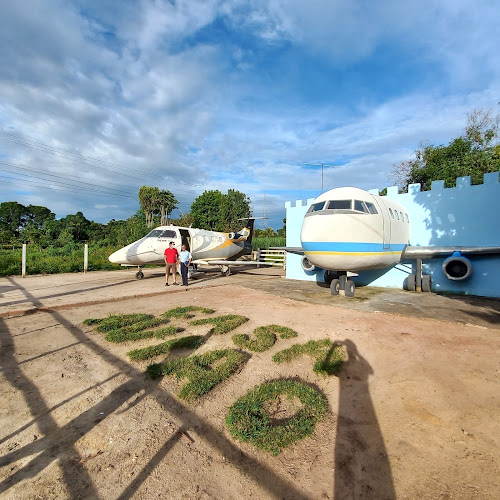
Casa Avião de Porto Velho
Find Accommodations Nearby
Recommended Tours & Activities
Visitor Reviews
There are no reviews yet. Be the first one to write one.
Share Your Experience
Have you visited Palácio Presidente Getúlio Vargas? Help other travelers by leaving a review.