
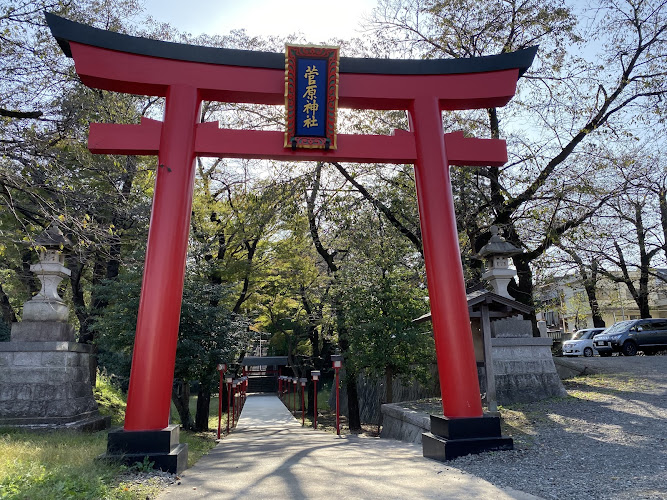
Sugawara Shrine
About Sugawara Shrine
Description
Sugawara Shrine stands as one of those places that quietly commands respect without demanding your attention. Dedicated to Sugawara no Michizane, a scholar, poet, and politician from the Heian period who later became deified as Tenjin, the god of learning and calligraphy, this shrine holds particular significance for students, academics, and anyone seeking intellectual advancement. You'll find it's less about flashy tourist attractions and more about stepping into a space where centuries of prayer and contemplation have left their mark on the atmosphere itself. The shrine grounds possess that peculiar quality where time seems to move differently. Walking through the torii gates, visitors often describe feeling like they've crossed an invisible threshold into something more contemplative. And honestly, that's exactly what makes places like this worth seeking out when you're traveling through Japan. Sure, you could hit all the major tourist spots with their crowds and selfie sticks, but there's something genuinely rewarding about discovering shrines that still function primarily as places of worship rather than photo opportunities. What struck me most during my visit was how locals treated the space with genuine reverence. This isn't a museum piece preserved for tourists—it's a living spiritual site where people come with real hopes and prayers, particularly before exams. You'll see students leaving ema (wooden prayer plaques) covered in wishes for academic success, creating this touching display of human aspiration that transcends language barriers. The shrine manages to balance its role as both a tourist attraction and an active religious site remarkably well, though some visitors seem to miss this nuance entirely.Key Features
The shrine offers several distinctive elements that set it apart from countless other Shinto sites across Japan: • The main hall showcases traditional architectural elements typical of Tenjin shrines, with intricate woodwork and careful attention to symbolic details that reward close observation • Multiple smaller shrines dot the grounds, each serving specific purposes and deities, creating opportunities for exploration beyond the main worship area • Stone lanterns line the pathways, some weathered by decades of exposure, lending that authentic aged quality you can't manufacture • The presence of ume (plum trees) holds special significance, as Sugawara no Michizane famously wrote poetry about plum blossoms, and these trees bloom spectacularly in late winter • Prayer plaques and good luck charms specifically focused on academic achievement and scholarly pursuits make this a unique destination for students and their families • Wheelchair accessible parking facilities demonstrate thoughtful modern accommodations without compromising the shrine's traditional character • Restroom facilities on-site address practical concerns that matter more than guidebooks usually admit • The grounds maintain a contemplative atmosphere despite visitor traffic, thanks to thoughtful layout and natural screening from surrounding vegetation • Seasonal festivals and ceremonies occur throughout the year, offering glimpses into living Shinto traditions rather than staged performancesBest Time to Visit
Timing your visit to Sugawara Shrine really depends on what kind of experience you're after. Late February through early March brings the plum blossom season, when those ume trees burst into pink and white blooms that Michizane himself would recognize. This period draws larger crowds, but there's good reason for that—the combination of delicate blossoms and traditional shrine architecture creates scenes that justify every photo taken. Just prepare for company during these weeks. Early mornings offer something special regardless of season. Arriving shortly after the shrine opens means you'll likely share the space with locals performing their morning prayers and perhaps a few elderly residents taking their constitutional walks through the grounds. There's a peacefulness to these hours that afternoon visits simply can't match, and you'll actually hear birds instead of conversation. Weekdays trump weekends for crowd management, though the shrine never reaches the suffocating density of major tourist sites like Fushimi Inari. But if you want photographs without random strangers photo-bombing your shots, Tuesday through Thursday mornings work wonders. Avoid visiting during major exam periods—particularly late February through March—if you prefer solitude, as anxious students and their families make pilgrimages seeking divine academic intervention. The period right before New Year gets incredibly busy, as do the first few days of January when Japanese families make traditional hatsumode shrine visits. Unless you specifically want to experience that cultural moment, steer clear of late December through early January. Summer brings heat and humidity that can make contemplative strolling feel more like a endurance test, though the green foliage creates its own beauty. Autumn, specifically late October through November, presents an often-overlooked sweet spot. The weather becomes pleasant, crowds thin out compared to cherry blossom season, and the grounds take on that golden quality particular to fall in Japan. Plus, you'll encounter mostly serious shrine-goers rather than tour groups ticking boxes.How to Get There
Getting to Sugawara Shrine requires a bit more effort than reaching major tourist destinations, which partly explains why it maintains that authentic atmosphere. The shrine isn't typically located on main tourist routes, so you'll need to do some actual navigation rather than following crowds. Public transportation represents your best option for most travelers. Research the nearest train or bus station to the shrine's location, as specific routes vary depending on which Sugawara Shrine you're visiting—yes, there are several dedicated to Tenjin throughout Japan. Google Maps generally provides reliable directions, though downloading an offline map beforehand saves you from connectivity headaches. Taxis work if you're traveling in a group and can split costs, though be prepared to show drivers the shrine's name written in Japanese characters. Many taxi drivers won't recognize English transliterations, and you'd be surprised how that simple preparation prevents confusion. Keep the shrine's information card from your hotel or a screenshot of the location in Japanese on your phone. Walking from nearby stations often takes 10-20 minutes depending on the specific shrine location. The paths leading to shrines frequently meander through residential neighborhoods, offering unexpected glimpses into everyday Japanese life that tour buses never reveal. Pay attention to small directional signs, usually marked with the shrine's name and an arrow, though they appear less frequently than you'd like. For those renting cars, the wheelchair accessible parking mentioned in the amenities suggests adequate space for vehicles, though Japanese parking spots run smaller than Western standards. Input the shrine's exact coordinates into your GPS rather than relying solely on the name, as navigation systems sometimes get confused with common shrine names.Tips for Visiting
Approaching Sugawara Shrine with the right mindset and preparation makes the difference between a forgettable stop and a genuinely memorable experience. First things first—dress appropriately. This means covering shoulders and avoiding anything too revealing. You're entering a religious site where people come to pray, not a theme park, and showing basic respect costs nothing. Learn the basic shrine etiquette before arriving. The purification ritual at the temizuya (water basin) involves specific steps: take the ladle with your right hand, rinse your left hand, switch the ladle to your left hand and rinse your right, pour water into your cupped right hand to rinse your mouth (don't drink directly from the ladle!), rinse your left hand again, then stand the ladle upright to let remaining water clean the handle. It sounds complicated written out, but watching others makes it clear, and nobody expects perfection from foreign visitors. When approaching the main hall, bow before entering the area, toss your offering into the collection box (five-yen coins are considered lucky), ring the bell if one's present, bow twice deeply, clap twice, make your prayer or wish, then bow once more. Again, locals appreciate genuine attempts at following customs even if you fumble the execution slightly. Bring cash—small bills and coins specifically. Shrines don't accept credit cards for offerings, prayer plaques, or purchasing omamori (protective charms). Having exact change prevents awkward situations at the shrine office. Photography is generally allowed in shrine grounds, but never photograph people praying without permission, and some inner areas may prohibit cameras entirely. Look for posted signs, and when in doubt, ask or simply don't shoot. Your Instagram can survive without that particular angle. The restroom facilities mentioned in the amenities deserve appreciation, but bring tissues or small towel since Japanese public restrooms sometimes lack paper towels for hand drying. This applies to shrines as it does throughout Japan. Consider purchasing an ema to write your own wish or prayer. Even if you're not particularly religious or spiritual, participating in this tradition connects you to centuries of similar hopes expressed in the same spot. Plus, reading the wishes others have left provides fascinating insight into human concerns that transcend cultural boundaries—everyone worries about exams, apparently. Visit the shrine office if open. Staff members often speak at least basic English and can answer questions about the shrine's history and significance. They might also direct you toward features you'd otherwise overlook, and purchasing a goshuin (shrine stamp) for a stamp book makes a far more meaningful souvenir than most gift shop offerings. Don't rush. Seriously, give yourself time to simply sit and observe. The benches scattered around shrine grounds aren't just for exhausted tourists—they're invitation to pause and absorb the atmosphere. You'll notice details and experience moments of unexpected peace that hurried visitors completely miss. Lastly, remember that Sugawara Shrine exists primarily as a place of worship that graciously accommodates visitors. Maintaining quiet voices, staying out of active ceremonies unless invited, and generally behaving as you would in any house of worship ensures these spaces remain open and welcoming to travelers. The fact that you can freely visit such sites represents a privilege worth honoring through respectful behavior.Key Features
- Dedicated to Sugawara no Michizane (Tenjin), god of scholarship
- Site linked to the historic Ide-no-sawa battlefield
- Seasonal iris flowers and decorative arched bridges
- Neighborhood-scale, less crowded than major Tokyo shrines
- Local festivals and traditional mikoshi/float events
More Details
Updated January 17, 2026
Table of Contents
Description
Sugawara Shrine stands as one of those places that quietly commands respect without demanding your attention. Dedicated to Sugawara no Michizane, a scholar, poet, and politician from the Heian period who later became deified as Tenjin, the god of learning and calligraphy, this shrine holds particular significance for students, academics, and anyone seeking intellectual advancement. You’ll find it’s less about flashy tourist attractions and more about stepping into a space where centuries of prayer and contemplation have left their mark on the atmosphere itself.
The shrine grounds possess that peculiar quality where time seems to move differently. Walking through the torii gates, visitors often describe feeling like they’ve crossed an invisible threshold into something more contemplative. And honestly, that’s exactly what makes places like this worth seeking out when you’re traveling through Japan. Sure, you could hit all the major tourist spots with their crowds and selfie sticks, but there’s something genuinely rewarding about discovering shrines that still function primarily as places of worship rather than photo opportunities.
What struck me most during my visit was how locals treated the space with genuine reverence. This isn’t a museum piece preserved for tourists—it’s a living spiritual site where people come with real hopes and prayers, particularly before exams. You’ll see students leaving ema (wooden prayer plaques) covered in wishes for academic success, creating this touching display of human aspiration that transcends language barriers. The shrine manages to balance its role as both a tourist attraction and an active religious site remarkably well, though some visitors seem to miss this nuance entirely.
Key Features
The shrine offers several distinctive elements that set it apart from countless other Shinto sites across Japan:
• The main hall showcases traditional architectural elements typical of Tenjin shrines, with intricate woodwork and careful attention to symbolic details that reward close observation
• Multiple smaller shrines dot the grounds, each serving specific purposes and deities, creating opportunities for exploration beyond the main worship area
• Stone lanterns line the pathways, some weathered by decades of exposure, lending that authentic aged quality you can’t manufacture
• The presence of ume (plum trees) holds special significance, as Sugawara no Michizane famously wrote poetry about plum blossoms, and these trees bloom spectacularly in late winter
• Prayer plaques and good luck charms specifically focused on academic achievement and scholarly pursuits make this a unique destination for students and their families
• Wheelchair accessible parking facilities demonstrate thoughtful modern accommodations without compromising the shrine’s traditional character
• Restroom facilities on-site address practical concerns that matter more than guidebooks usually admit
• The grounds maintain a contemplative atmosphere despite visitor traffic, thanks to thoughtful layout and natural screening from surrounding vegetation
• Seasonal festivals and ceremonies occur throughout the year, offering glimpses into living Shinto traditions rather than staged performances
Best Time to Visit
Timing your visit to Sugawara Shrine really depends on what kind of experience you’re after. Late February through early March brings the plum blossom season, when those ume trees burst into pink and white blooms that Michizane himself would recognize. This period draws larger crowds, but there’s good reason for that—the combination of delicate blossoms and traditional shrine architecture creates scenes that justify every photo taken. Just prepare for company during these weeks.
Early mornings offer something special regardless of season. Arriving shortly after the shrine opens means you’ll likely share the space with locals performing their morning prayers and perhaps a few elderly residents taking their constitutional walks through the grounds. There’s a peacefulness to these hours that afternoon visits simply can’t match, and you’ll actually hear birds instead of conversation.
Weekdays trump weekends for crowd management, though the shrine never reaches the suffocating density of major tourist sites like Fushimi Inari. But if you want photographs without random strangers photo-bombing your shots, Tuesday through Thursday mornings work wonders. Avoid visiting during major exam periods—particularly late February through March—if you prefer solitude, as anxious students and their families make pilgrimages seeking divine academic intervention.
The period right before New Year gets incredibly busy, as do the first few days of January when Japanese families make traditional hatsumode shrine visits. Unless you specifically want to experience that cultural moment, steer clear of late December through early January. Summer brings heat and humidity that can make contemplative strolling feel more like a endurance test, though the green foliage creates its own beauty.
Autumn, specifically late October through November, presents an often-overlooked sweet spot. The weather becomes pleasant, crowds thin out compared to cherry blossom season, and the grounds take on that golden quality particular to fall in Japan. Plus, you’ll encounter mostly serious shrine-goers rather than tour groups ticking boxes.
How to Get There
Getting to Sugawara Shrine requires a bit more effort than reaching major tourist destinations, which partly explains why it maintains that authentic atmosphere. The shrine isn’t typically located on main tourist routes, so you’ll need to do some actual navigation rather than following crowds.
Public transportation represents your best option for most travelers. Research the nearest train or bus station to the shrine’s location, as specific routes vary depending on which Sugawara Shrine you’re visiting—yes, there are several dedicated to Tenjin throughout Japan. Google Maps generally provides reliable directions, though downloading an offline map beforehand saves you from connectivity headaches.
Taxis work if you’re traveling in a group and can split costs, though be prepared to show drivers the shrine’s name written in Japanese characters. Many taxi drivers won’t recognize English transliterations, and you’d be surprised how that simple preparation prevents confusion. Keep the shrine’s information card from your hotel or a screenshot of the location in Japanese on your phone.
Walking from nearby stations often takes 10-20 minutes depending on the specific shrine location. The paths leading to shrines frequently meander through residential neighborhoods, offering unexpected glimpses into everyday Japanese life that tour buses never reveal. Pay attention to small directional signs, usually marked with the shrine’s name and an arrow, though they appear less frequently than you’d like.
For those renting cars, the wheelchair accessible parking mentioned in the amenities suggests adequate space for vehicles, though Japanese parking spots run smaller than Western standards. Input the shrine’s exact coordinates into your GPS rather than relying solely on the name, as navigation systems sometimes get confused with common shrine names.
Tips for Visiting
Approaching Sugawara Shrine with the right mindset and preparation makes the difference between a forgettable stop and a genuinely memorable experience. First things first—dress appropriately. This means covering shoulders and avoiding anything too revealing. You’re entering a religious site where people come to pray, not a theme park, and showing basic respect costs nothing.
Learn the basic shrine etiquette before arriving. The purification ritual at the temizuya (water basin) involves specific steps: take the ladle with your right hand, rinse your left hand, switch the ladle to your left hand and rinse your right, pour water into your cupped right hand to rinse your mouth (don’t drink directly from the ladle!), rinse your left hand again, then stand the ladle upright to let remaining water clean the handle. It sounds complicated written out, but watching others makes it clear, and nobody expects perfection from foreign visitors.
When approaching the main hall, bow before entering the area, toss your offering into the collection box (five-yen coins are considered lucky), ring the bell if one’s present, bow twice deeply, clap twice, make your prayer or wish, then bow once more. Again, locals appreciate genuine attempts at following customs even if you fumble the execution slightly.
Bring cash—small bills and coins specifically. Shrines don’t accept credit cards for offerings, prayer plaques, or purchasing omamori (protective charms). Having exact change prevents awkward situations at the shrine office.
Photography is generally allowed in shrine grounds, but never photograph people praying without permission, and some inner areas may prohibit cameras entirely. Look for posted signs, and when in doubt, ask or simply don’t shoot. Your Instagram can survive without that particular angle.
The restroom facilities mentioned in the amenities deserve appreciation, but bring tissues or small towel since Japanese public restrooms sometimes lack paper towels for hand drying. This applies to shrines as it does throughout Japan.
Consider purchasing an ema to write your own wish or prayer. Even if you’re not particularly religious or spiritual, participating in this tradition connects you to centuries of similar hopes expressed in the same spot. Plus, reading the wishes others have left provides fascinating insight into human concerns that transcend cultural boundaries—everyone worries about exams, apparently.
Visit the shrine office if open. Staff members often speak at least basic English and can answer questions about the shrine’s history and significance. They might also direct you toward features you’d otherwise overlook, and purchasing a goshuin (shrine stamp) for a stamp book makes a far more meaningful souvenir than most gift shop offerings.
Don’t rush. Seriously, give yourself time to simply sit and observe. The benches scattered around shrine grounds aren’t just for exhausted tourists—they’re invitation to pause and absorb the atmosphere. You’ll notice details and experience moments of unexpected peace that hurried visitors completely miss.
Lastly, remember that Sugawara Shrine exists primarily as a place of worship that graciously accommodates visitors. Maintaining quiet voices, staying out of active ceremonies unless invited, and generally behaving as you would in any house of worship ensures these spaces remain open and welcoming to travelers. The fact that you can freely visit such sites represents a privilege worth honoring through respectful behavior.
Key Highlights
- Dedicated to Sugawara no Michizane (Tenjin), god of scholarship
- Site linked to the historic Ide-no-sawa battlefield
- Seasonal iris flowers and decorative arched bridges
- Neighborhood-scale, less crowded than major Tokyo shrines
- Local festivals and traditional mikoshi/float events
Location
Places to Stay Near Sugawara Shrine
Find and Book a Tour
Explore More Travel Guides
No reviews found! Be the first to review!
Traveler Reviews for Sugawara Shrine
There are no reviews yet. Be the first one to write one.
Have you visited Sugawara Shrine? Help other travelers by sharing your review.
Nearby Attractions
You Might Also Like
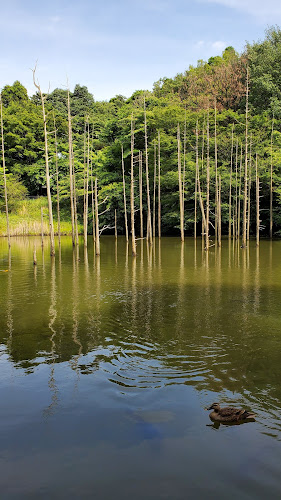
Oyamadairi Park
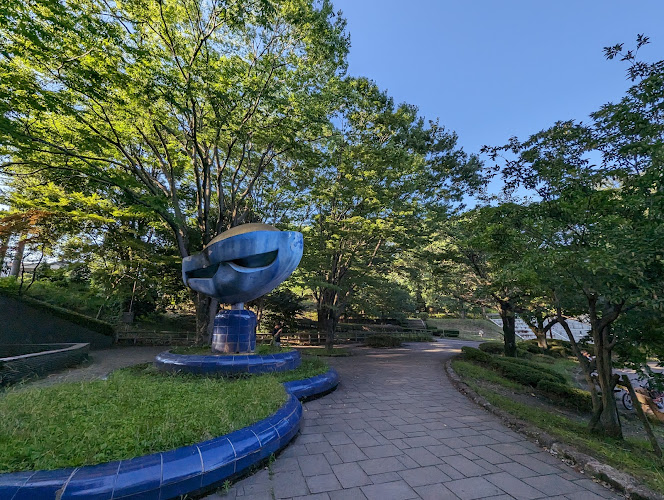
Serigaya Park
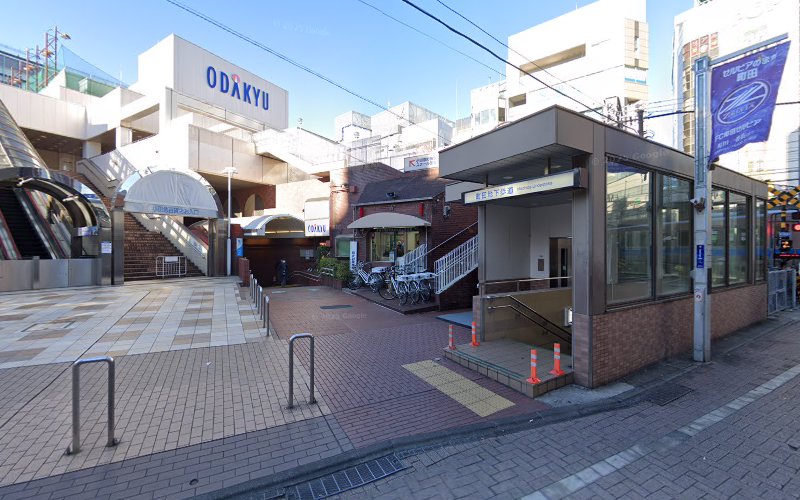
6-chōme-12-19 Haramachida
Find Accommodations Nearby
Recommended Tours & Activities
Visitor Reviews
There are no reviews yet. Be the first one to write one.
Share Your Experience
Have you visited Sugawara Shrine? Help other travelers by leaving a review.