
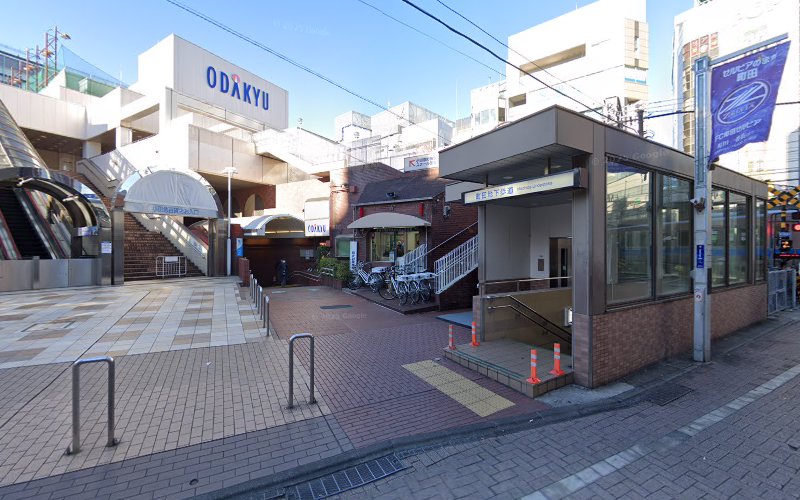
6-chōme-12-19 Haramachida
About 6-chōme-12-19 Haramachida
Description
When travelers think about exploring Tokyo's metropolitan area, most immediately picture the neon-soaked streets of Shibuya or the serene gardens of traditional temples. But there's something genuinely refreshing about discovering areas that sit just outside the immediate tourist spotlight, and this particular location in Haramachida offers exactly that kind of authentic Japanese experience. I remember my first time wandering through Machida – it wasn't planned, actually. I'd taken the wrong train line and ended up there completely by accident, and honestly? Best mistake I made that trip. This building sits in the Haramachida district, which forms part of Machida city in western Tokyo. It's one of those places that doesn't scream for attention but quietly provides exactly what you need when you're traveling through the region. The area around it represents that fascinating blend of residential comfort and urban convenience that characterizes so many of Tokyo's suburban centers. You won't find tour buses lined up here, and that's precisely the point. The Haramachida neighborhood itself has grown into a significant commercial and residential hub over the decades, developing its own distinct character separate from central Tokyo's relentless pace. Walking through these streets gives you a glimpse into how regular Tokyoites actually live – where they shop for groceries, where they grab coffee on weekday mornings, where life happens outside the Instagram-ready tourist circuits.Key Features
The building and its surrounding area offer several noteworthy characteristics that make it worth considering for travelers seeking an authentic local experience: • Located within Machida's main urban center, providing easy access to the broader district's amenities and attractions • Surrounded by a practical mix of commercial establishments, residential spaces, and local businesses that serve the community's daily needs • Positioned in an area that connects well to Tokyo's extensive public transportation network, making it a strategic base for exploration • Part of a neighborhood that maintains a distinctly local atmosphere while still offering modern conveniences travelers expect • Close proximity to shopping areas, dining options, and everyday services that give visitors genuine insight into Japanese suburban life • The building itself represents typical Japanese urban architecture, offering that real-world perspective beyond the glossy tourist brochures • Situated in a walkable area where you can easily explore on foot and discover small shops, cafes, and local spots that rarely appear in guidebooks • Access to both chain establishments familiar to international travelers and independent local businesses that provide cultural immersion • The surrounding streets feature a mix of modern developments and older structures, creating that layered urban landscape Japan does so well • Convenient for travelers who want to experience Tokyo without paying premium prices for central locationsBest Time to Visit
Timing your visit to this area really depends on what kind of experience you're after, and I'll be straight with you – there isn't necessarily a "wrong" time to explore Haramachida. The district operates year-round as a functioning urban center, which means it maintains consistent energy regardless of season. But there are definitely some considerations worth thinking through. Spring, particularly late March through early April, brings cherry blossom season to the area. While Haramachida won't give you the same famous hanami spots as Ueno Park or Chidorigafuchi, you'll find local cherry trees along streets and in smaller parks where actual residents gather for their own celebrations. This offers something arguably more valuable than the tourist-packed famous spots – you get to see how Japanese families and friends genuinely celebrate this tradition without performing for cameras. Summer can get brutally humid, not gonna lie. July and August see temperatures climbing well into the 30s Celsius (high 80s to mid 90s Fahrenheit), and the humidity makes it feel even hotter. But if you can handle the weather, summer festivals in the Machida area provide incredible cultural experiences. The local matsuri celebrations happen throughout these months, and you'll encounter far fewer international tourists competing for space. Autumn might actually be the sweet spot for visiting this area. September through November brings comfortable temperatures, lower humidity, and that gorgeous fall foliage that Japan does spectacularly well. The area's trees transform into brilliant reds and golds, and the weather makes walking around genuinely pleasant rather than an endurance test. Winter sees fewer crowds overall, and while temperatures drop, they're generally milder than many other parts of Japan. December through February can be quite cold by Tokyo standards, but it rarely reaches the extremes you'd find in northern regions. If you don't mind bundling up, winter offers the advantage of experiencing the area at its most authentically local, when tourism drops significantly. Weekdays versus weekends make a bigger difference here than seasons, actually. Weekdays show you the working rhythm of the district – commuters, business lunches, the genuine pulse of daily life. Weekends bring more families out shopping and dining, which creates a different but equally authentic atmosphere.How to Get There
Getting to this part of Haramachida is surprisingly straightforward, especially considering how complicated Tokyo's transportation system can initially seem to foreign visitors. I've watched countless travelers panic over Tokyo trains, but honestly once you understand the basic structure, it becomes almost intuitive. The primary access point is Machida Station, which serves as a major transportation hub in western Tokyo. This station is serviced by both JR Lines and the Odakyu Railway, making it accessible from numerous directions. From central Tokyo areas like Shinjuku, you can take the Odakyu Line directly to Machida Station in roughly 30-35 minutes, depending on whether you catch an express train. The JR Yokohama Line also runs through Machida Station, connecting the area to Yokohama in one direction and Hachioji in the other. Once you arrive at Machida Station, the Haramachida area spreads out primarily to the north. The walk from the station to this specific location takes roughly 10-15 minutes depending on your pace and how many times you stop to look at shops along the way (which, let's be real, you probably will). The route is fairly straightforward – head north from the station's main exit and follow the main shopping streets that lead into the Haramachida district. For travelers coming from Narita Airport, you'll want to take the Narita Express to Tokyo Station, then transfer to the JR Chuo Line heading to Shinjuku, where you can connect to the Odakyu Line bound for Machida. Total journey time runs around 2-2.5 hours depending on connections. From Haneda Airport, take the Keikyu Line to Yokohama, then transfer to the JR Yokohama Line directly to Machida – this route typically takes 60-75 minutes. If you're holding a JR Pass (which many international tourists purchase), you can use it on the JR Yokohama Line to reach Machida Station, though you cannot use it on the Odakyu Line. The Odakyu Line tends to be slightly faster and more frequent, but the JR option works perfectly fine if you're maximizing your rail pass value. Taxis are available throughout the area if you prefer not to walk from the station, though honestly the walk is pleasant and helps you get oriented to the neighborhood. Taxi drivers generally understand basic English or can work with address information shown on your smartphone.Tips for Visiting
Having spent considerable time exploring areas like this throughout Japan, I've picked up some practical insights that might save you from the minor frustrations that can derail an otherwise great travel day. First off, download Google Maps offline data for the area before you arrive. While Tokyo generally has excellent mobile coverage, having offline maps provides backup and reduces data usage if you're relying on a limited tourist SIM card. The GPS works regardless of data connection, so you can still navigate even without signal. Cash remains important in this area despite Tokyo's gradual shift toward cashless payments. Many smaller shops, restaurants, and local businesses still operate primarily or exclusively with cash. ATMs that accept foreign cards can be found at convenience stores (7-Eleven ATMs are particularly reliable), but withdraw sufficient yen before you need it rather than scrambling to find an ATM when you're ready to pay for something. Language can present challenges in areas outside central tourist zones. Most residents in Haramachida won't speak extensive English, which is completely normal and shouldn't discourage you from visiting. Download a translation app (Google Translate works well and includes camera translation for reading signs and menus), and learn a few basic Japanese phrases. Even fumbling through simple greetings and thank-yous earns you considerable goodwill. Convenience stores (kombini) are your best friends in Japanese urban areas, and Haramachida has plenty. These stores offer way more than their Western equivalents – decent food, clean bathrooms, ATMs, bill payment services, and general problem-solving resources. Don't hesitate to stop in frequently. Restaurant etiquette matters here. Many establishments, particularly smaller local places, don't expect tips (it can actually confuse or even offend). Pay at the register rather than leaving money on the table. If a restaurant provides wet towels (oshibori), use them only for your hands before eating, not as napkins during the meal. The area is quite walkable, but comfortable shoes are non-negotiable. You'll probably walk significantly more than you anticipate, and Tokyo's streets aren't always perfectly smooth. Save the cute-but-uncomfortable shoes for Instagram photos and wear practical footwear for actual exploring. Public restrooms exist but aren't as common as in some Western cities. Convenience stores, department stores, and train stations provide reliable options. Always carry pocket tissues since not all facilities provide toilet paper, and hand dryers are more common than paper towels. Try eating at local spots rather than sticking to familiar chains. The area has numerous small restaurants serving everything from ramen to tonkatsu to casual izakaya fare. These places often display plastic food models outside, making ordering easier even without language skills – just take a photo of what you want and show your server. Shopping hours vary, but most businesses in the area open around 10 AM and close between 8-10 PM. Restaurants often have split schedules, closing between lunch and dinner service, so plan meal times accordingly. Don't over-schedule. One of the genuine pleasures of exploring an area like Haramachida is wandering without rigid plans, discovering small shops and cafes organically. Leave room in your itinerary for these unplanned moments – they often become the most memorable parts of a trip. Finally, be respectful of the fact that this is primarily a residential and commercial area where people live and work, not a theme park designed for tourist entertainment. Keep noise levels reasonable, don't block sidewalks for photos, and generally behave as you would in your own neighborhood. This consideration ensures these areas remain welcoming to future travelers and maintains positive relationships between locals and visitors.Key Features
- Key Features
- Best Time to Visit
- How to Get There
- Tips for Visiting
More Details
Updated January 17, 2026
Table of Contents
Description
When travelers think about exploring Tokyo’s metropolitan area, most immediately picture the neon-soaked streets of Shibuya or the serene gardens of traditional temples. But there’s something genuinely refreshing about discovering areas that sit just outside the immediate tourist spotlight, and this particular location in Haramachida offers exactly that kind of authentic Japanese experience. I remember my first time wandering through Machida – it wasn’t planned, actually. I’d taken the wrong train line and ended up there completely by accident, and honestly? Best mistake I made that trip.
This building sits in the Haramachida district, which forms part of Machida city in western Tokyo. It’s one of those places that doesn’t scream for attention but quietly provides exactly what you need when you’re traveling through the region. The area around it represents that fascinating blend of residential comfort and urban convenience that characterizes so many of Tokyo’s suburban centers. You won’t find tour buses lined up here, and that’s precisely the point.
The Haramachida neighborhood itself has grown into a significant commercial and residential hub over the decades, developing its own distinct character separate from central Tokyo’s relentless pace. Walking through these streets gives you a glimpse into how regular Tokyoites actually live – where they shop for groceries, where they grab coffee on weekday mornings, where life happens outside the Instagram-ready tourist circuits.
Key Features
The building and its surrounding area offer several noteworthy characteristics that make it worth considering for travelers seeking an authentic local experience:
• Located within Machida’s main urban center, providing easy access to the broader district’s amenities and attractions
• Surrounded by a practical mix of commercial establishments, residential spaces, and local businesses that serve the community’s daily needs
• Positioned in an area that connects well to Tokyo’s extensive public transportation network, making it a strategic base for exploration
• Part of a neighborhood that maintains a distinctly local atmosphere while still offering modern conveniences travelers expect
• Close proximity to shopping areas, dining options, and everyday services that give visitors genuine insight into Japanese suburban life
• The building itself represents typical Japanese urban architecture, offering that real-world perspective beyond the glossy tourist brochures
• Situated in a walkable area where you can easily explore on foot and discover small shops, cafes, and local spots that rarely appear in guidebooks
• Access to both chain establishments familiar to international travelers and independent local businesses that provide cultural immersion
• The surrounding streets feature a mix of modern developments and older structures, creating that layered urban landscape Japan does so well
• Convenient for travelers who want to experience Tokyo without paying premium prices for central locations
Best Time to Visit
Timing your visit to this area really depends on what kind of experience you’re after, and I’ll be straight with you – there isn’t necessarily a “wrong” time to explore Haramachida. The district operates year-round as a functioning urban center, which means it maintains consistent energy regardless of season. But there are definitely some considerations worth thinking through.
Spring, particularly late March through early April, brings cherry blossom season to the area. While Haramachida won’t give you the same famous hanami spots as Ueno Park or Chidorigafuchi, you’ll find local cherry trees along streets and in smaller parks where actual residents gather for their own celebrations. This offers something arguably more valuable than the tourist-packed famous spots – you get to see how Japanese families and friends genuinely celebrate this tradition without performing for cameras.
Summer can get brutally humid, not gonna lie. July and August see temperatures climbing well into the 30s Celsius (high 80s to mid 90s Fahrenheit), and the humidity makes it feel even hotter. But if you can handle the weather, summer festivals in the Machida area provide incredible cultural experiences. The local matsuri celebrations happen throughout these months, and you’ll encounter far fewer international tourists competing for space.
Autumn might actually be the sweet spot for visiting this area. September through November brings comfortable temperatures, lower humidity, and that gorgeous fall foliage that Japan does spectacularly well. The area’s trees transform into brilliant reds and golds, and the weather makes walking around genuinely pleasant rather than an endurance test.
Winter sees fewer crowds overall, and while temperatures drop, they’re generally milder than many other parts of Japan. December through February can be quite cold by Tokyo standards, but it rarely reaches the extremes you’d find in northern regions. If you don’t mind bundling up, winter offers the advantage of experiencing the area at its most authentically local, when tourism drops significantly.
Weekdays versus weekends make a bigger difference here than seasons, actually. Weekdays show you the working rhythm of the district – commuters, business lunches, the genuine pulse of daily life. Weekends bring more families out shopping and dining, which creates a different but equally authentic atmosphere.
How to Get There
Getting to this part of Haramachida is surprisingly straightforward, especially considering how complicated Tokyo’s transportation system can initially seem to foreign visitors. I’ve watched countless travelers panic over Tokyo trains, but honestly once you understand the basic structure, it becomes almost intuitive.
The primary access point is Machida Station, which serves as a major transportation hub in western Tokyo. This station is serviced by both JR Lines and the Odakyu Railway, making it accessible from numerous directions. From central Tokyo areas like Shinjuku, you can take the Odakyu Line directly to Machida Station in roughly 30-35 minutes, depending on whether you catch an express train. The JR Yokohama Line also runs through Machida Station, connecting the area to Yokohama in one direction and Hachioji in the other.
Once you arrive at Machida Station, the Haramachida area spreads out primarily to the north. The walk from the station to this specific location takes roughly 10-15 minutes depending on your pace and how many times you stop to look at shops along the way (which, let’s be real, you probably will). The route is fairly straightforward – head north from the station’s main exit and follow the main shopping streets that lead into the Haramachida district.
For travelers coming from Narita Airport, you’ll want to take the Narita Express to Tokyo Station, then transfer to the JR Chuo Line heading to Shinjuku, where you can connect to the Odakyu Line bound for Machida. Total journey time runs around 2-2.5 hours depending on connections. From Haneda Airport, take the Keikyu Line to Yokohama, then transfer to the JR Yokohama Line directly to Machida – this route typically takes 60-75 minutes.
If you’re holding a JR Pass (which many international tourists purchase), you can use it on the JR Yokohama Line to reach Machida Station, though you cannot use it on the Odakyu Line. The Odakyu Line tends to be slightly faster and more frequent, but the JR option works perfectly fine if you’re maximizing your rail pass value.
Taxis are available throughout the area if you prefer not to walk from the station, though honestly the walk is pleasant and helps you get oriented to the neighborhood. Taxi drivers generally understand basic English or can work with address information shown on your smartphone.
Tips for Visiting
Having spent considerable time exploring areas like this throughout Japan, I’ve picked up some practical insights that might save you from the minor frustrations that can derail an otherwise great travel day.
First off, download Google Maps offline data for the area before you arrive. While Tokyo generally has excellent mobile coverage, having offline maps provides backup and reduces data usage if you’re relying on a limited tourist SIM card. The GPS works regardless of data connection, so you can still navigate even without signal.
Cash remains important in this area despite Tokyo’s gradual shift toward cashless payments. Many smaller shops, restaurants, and local businesses still operate primarily or exclusively with cash. ATMs that accept foreign cards can be found at convenience stores (7-Eleven ATMs are particularly reliable), but withdraw sufficient yen before you need it rather than scrambling to find an ATM when you’re ready to pay for something.
Language can present challenges in areas outside central tourist zones. Most residents in Haramachida won’t speak extensive English, which is completely normal and shouldn’t discourage you from visiting. Download a translation app (Google Translate works well and includes camera translation for reading signs and menus), and learn a few basic Japanese phrases. Even fumbling through simple greetings and thank-yous earns you considerable goodwill.
Convenience stores (kombini) are your best friends in Japanese urban areas, and Haramachida has plenty. These stores offer way more than their Western equivalents – decent food, clean bathrooms, ATMs, bill payment services, and general problem-solving resources. Don’t hesitate to stop in frequently.
Restaurant etiquette matters here. Many establishments, particularly smaller local places, don’t expect tips (it can actually confuse or even offend). Pay at the register rather than leaving money on the table. If a restaurant provides wet towels (oshibori), use them only for your hands before eating, not as napkins during the meal.
The area is quite walkable, but comfortable shoes are non-negotiable. You’ll probably walk significantly more than you anticipate, and Tokyo’s streets aren’t always perfectly smooth. Save the cute-but-uncomfortable shoes for Instagram photos and wear practical footwear for actual exploring.
Public restrooms exist but aren’t as common as in some Western cities. Convenience stores, department stores, and train stations provide reliable options. Always carry pocket tissues since not all facilities provide toilet paper, and hand dryers are more common than paper towels.
Try eating at local spots rather than sticking to familiar chains. The area has numerous small restaurants serving everything from ramen to tonkatsu to casual izakaya fare. These places often display plastic food models outside, making ordering easier even without language skills – just take a photo of what you want and show your server.
Shopping hours vary, but most businesses in the area open around 10 AM and close between 8-10 PM. Restaurants often have split schedules, closing between lunch and dinner service, so plan meal times accordingly.
Don’t over-schedule. One of the genuine pleasures of exploring an area like Haramachida is wandering without rigid plans, discovering small shops and cafes organically. Leave room in your itinerary for these unplanned moments – they often become the most memorable parts of a trip.
Finally, be respectful of the fact that this is primarily a residential and commercial area where people live and work, not a theme park designed for tourist entertainment. Keep noise levels reasonable, don’t block sidewalks for photos, and generally behave as you would in your own neighborhood. This consideration ensures these areas remain welcoming to future travelers and maintains positive relationships between locals and visitors.
Key Highlights
- Key Features
- Best Time to Visit
- How to Get There
- Tips for Visiting
Location
Places to Stay Near 6-chōme-12-19 Haramachida
Find and Book a Tour
Explore More Travel Guides
No reviews found! Be the first to review!
Traveler Reviews for 6-chōme-12-19 Haramachida
There are no reviews yet. Be the first one to write one.
Have you visited 6-chōme-12-19 Haramachida? Help other travelers by sharing your review.
You Might Also Like

897 Nozutamachi
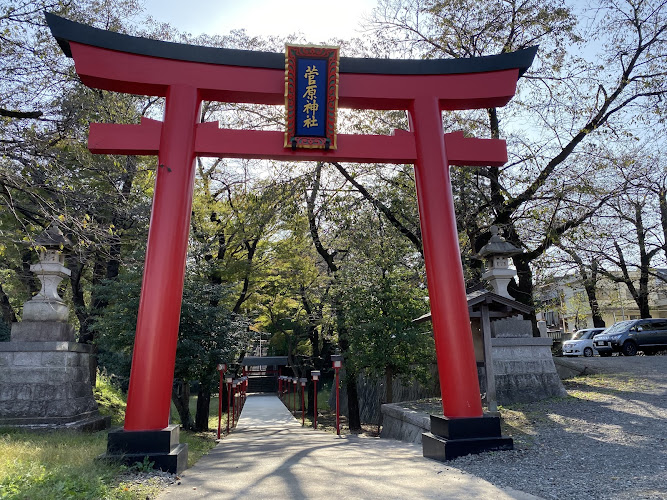
Sugawara Shrine

Nozutamachi
Find Accommodations Nearby
Recommended Tours & Activities
Visitor Reviews
There are no reviews yet. Be the first one to write one.
Share Your Experience
Have you visited 6-chōme-12-19 Haramachida? Help other travelers by leaving a review.