
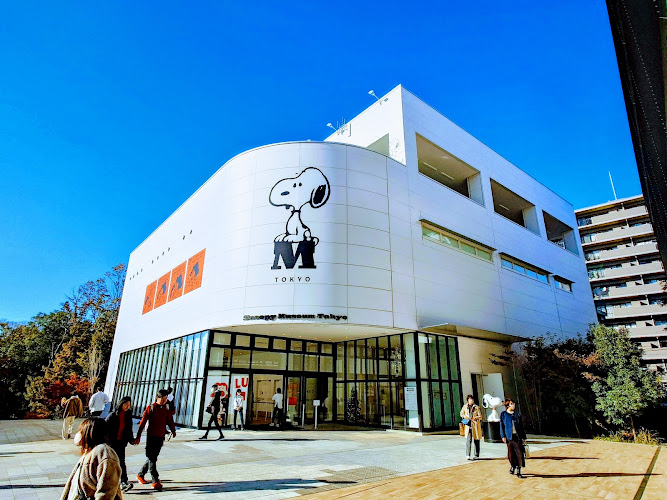
Snoopy Museum Tokyo
About Snoopy Museum Tokyo
Description
The Snoopy Museum Tokyo represents something truly special for anyone who grew up reading Peanuts comic strips or watching Charlie Brown holiday specials. This isn't just another character merchandise shop disguised as a museum - it's a genuine celebration of Charles Schulz's artistic legacy and the cultural phenomenon he created. The museum houses rotating exhibitions of original Schulz drawings, which honestly gave me chills when I first saw the actual pen strokes and corrections he made on those iconic panels. What strikes visitors immediately is how the museum balances nostalgia with genuine artistic appreciation. You're not just looking at cartoon dogs and kids; you're examining the work of an artist who drew nearly 18,000 comic strips over five decades. The curators understand this distinction, and it shows in how they present the material. Walking through these galleries, travelers discover layers they probably never considered as children flipping through the Sunday funnies. The museum relocated to its current location in Machida in 2019, expanding its space and improving visitor amenities considerably. This newer facility offers better accessibility features and more room to appreciate the exhibitions without feeling crowded. And while Tokyo has no shortage of character-themed attractions, the Snoopy Museum stands apart by focusing on the artistry behind the characters rather than just capitalizing on their cuteness factor.Key Features
- Original Charles Schulz artwork displayed in rotating exhibitions that change several times throughout the year, giving repeat visitors fresh content and protecting the delicate drawings from prolonged light exposure
- Interactive workshop spaces where visitors can create their own Snoopy-themed crafts and artwork, perfect for families traveling with children who need hands-on activities
- Full accessibility features including wheelchair-accessible entrances, parking areas, and restrooms, making this museum genuinely welcoming for travelers with mobility considerations
- Onsite restaurant serving Peanuts-themed meals and treats that go beyond simple character-shaped foods to offer quality dining options
- Museum shop with exclusive merchandise you won't find anywhere else, even in other Peanuts stores around Japan
- Gallery showcasing the evolution of beloved characters like Snoopy, Charlie Brown, Lucy, and Linus across different decades of the comic strip
- Photo opportunities with life-sized character installations that don't feel cheesy or overly commercialized
- Educational displays explaining Schulz's creative process, his inspirations, and the historical context of various storylines
- Changing table facilities for parents traveling with infants and toddlers
- Climate-controlled environment protecting both the artwork and providing comfortable viewing conditions year-round
Best Time to Visit
Timing your visit to the Snoopy Museum Tokyo requires considering both seasonal crowds and exhibition schedules. The museum sees its heaviest traffic during Japanese school holidays, particularly Golden Week in late April/early May, summer vacation in August, and the New Year period. If you're traveling during these times, prepare for longer wait times and busier galleries. Weekday mornings, especially Tuesday through Thursday, offer the most peaceful experience. You'll have space to actually read the comic strips without someone breathing down your neck, and the staff can give you more attention if you have questions. I've found that arriving right when doors open gives you maybe 45 minutes of relatively quiet time before tour groups start filtering in. The museum rotates its main exhibitions roughly three times per year, so checking their exhibition schedule before booking your trip makes sense if you're a serious Peanuts fan. Each exhibition focuses on different themes or time periods from the comic strip's 50-year run. Some exhibitions explore specific characters in depth, while others might examine how Schulz addressed social issues through his strips. Weather-wise, since this is an indoor attraction, any season works perfectly fine. But I'd argue that visiting during Tokyo's rainy season in June actually enhances the experience - there's something appropriate about appreciating Schulz's gentle humor while rain patters outside. Plus, fewer tourists brave the rain, leaving more room for you. The surrounding Machida area is beautiful during cherry blossom season, though this also means more crowds. Autumn colors in November create a gorgeous backdrop for your visit without the overwhelming spring tourist surge. Winter visits offer the advantage of experiencing holiday-themed displays if they're running special seasonal exhibitions. Book tickets in advance regardless of when you go. The museum manages capacity to protect the artwork and ensure quality visitor experiences, meaning they can sell out during popular periods. Advanced booking also typically offers slight discounts compared to walk-up prices.How to Get There
Getting to the Snoopy Museum Tokyo requires a bit more effort than reaching downtown Tokyo attractions, but the journey is straightforward once you understand the system. The museum sits in Machida, which straddles the border between Tokyo and Kanagawa Prefecture - technically Tokyo, but on the city's western edge. From central Tokyo stations like Shinjuku or Tokyo Station, take the JR Yokohama Line to Machida Station. The journey takes roughly 40-50 minutes depending on your starting point. Once you arrive at Machida Station, you'll need to continue to the museum, which is about 2 kilometers from the station. The most convenient option from Machida Station involves taking a local bus that drops you near the museum entrance. Look for the bus bound for Tsurukawa Station and get off at the Yakushiike stop. The bus ride takes about 10 minutes, and buses run frequently during daytime hours. Taxi from the station costs around 1,000-1,500 yen and takes roughly 10 minutes depending on traffic. For travelers who enjoy walking and have time, the 25-30 minute walk from Machida Station to the museum passes through residential neighborhoods that show you everyday Tokyo life away from tourist districts. The route is relatively flat and well-marked with signs pointing toward the museum. I've done this walk several times and actually recommend it if weather permits - you'll see regular grocery stores, small parks where locals exercise, and get a genuine feel for suburban Tokyo. The museum provides paid parking if you're renting a car, with both a parking garage and lot available. This makes sense for families with small children or travelers combining the museum with other destinations in the Machida area. However, driving in Tokyo can be stressful for those unfamiliar with Japanese traffic patterns, so I'd only recommend this for confident drivers. Coming from other popular Tokyo destinations, plan your route accordingly. From Shibuya, the Denentoshi Line connects to stations where you can transfer to reach Machida. From Yokohama, the journey is actually shorter, taking just 20-30 minutes on the JR Yokohama Line. If you're staying in western Tokyo suburbs, you might find surprisingly easy access.Tips for Visiting
Purchase your tickets online before arriving, seriously. This isn't just about avoiding sold-out disappointment - the advance booking process lets you select specific time slots, managing your daily schedule better. The museum operates on timed entry during busy periods to prevent overcrowding that would diminish everyone's experience. Budget at least two hours for your visit, though serious fans could easily spend three or more. The original comic strips demand time to read and appreciate properly, and you'll want to linger over Schulz's pencil sketches and notes. Rushing through defeats the purpose of coming all this way. The museum shop deserves its own time allocation separate from your gallery visit. The exclusive merchandise includes items you genuinely can't find elsewhere, even at Universal Studios Japan's Snoopy attractions or other character stores. If you're shopping for gifts, the museum shop offers more sophisticated options than typical tourist character goods. Bring a light jacket even in summer. Museums keep temperatures cool to preserve artwork, and you'll be inside for extended periods. You might feel comfortable initially but get chilly after an hour of standing in air-conditioned galleries. Photography policies vary by exhibition, so check current rules when you arrive. Generally, some areas permit photos while others protecting fragile original drawings don't. Respect these guidelines - they exist to preserve Schulz's artwork for future generations. Nobody wants to be that tourist who damages museum pieces. The restaurant gets busy during typical lunch hours, so consider eating at off-peak times like 11:00 or 14:00. The Peanuts-themed meals are actually good quality, not just cute gimmicks. Don't skip this experience assuming it's overpriced tourist food - the kitchen takes the menu seriously. For families with kids, the workshop areas provide perfect breaks when children get restless from looking at artwork. These aren't throwaway activities but thoughtful creative experiences that teach kids about character design and storytelling. Book workshop participation when you arrive if you're interested, as spaces can fill up. Comfortable shoes matter more than you'd think. The museum involves more standing and walking than you'd expect, and the concrete floors get hard on feet after a while. Save your fashionable but painful shoes for evening activities. Visit the restroom before entering the main exhibition spaces. While facilities exist throughout the museum, leaving and reentering galleries interrupts your experience and viewing flow. Consider combining your museum visit with exploring Machida itself. This neighborhood offers excellent restaurants, shopping, and parks that most international travelers never see. You've already made the journey out here - might as well discover this corner of Tokyo properly. The gift shop accepts major credit cards, but carrying some cash for vending machines and lockers provides convenience. Coin lockers are available for storing bags and coats, freeing you to move comfortably through galleries. If you're visiting during exhibition changeover periods, check whether the museum is open. They typically close for several days when installing new exhibitions, and you don't want to arrive during these closures after traveling across Tokyo.Key Features
- Original Charles M. Schulz comic strips and archival materials
- Rotating themed exhibitions that change several times a year
- Family-friendly displays and life-size Snoopy installations
- Museum shop with exclusive Peanuts merchandise
- Located within Minami-machida Grandberry Park for easy pairing with shopping and dining
More Details
Updated January 17, 2026
Table of Contents
Description
The Snoopy Museum Tokyo represents something truly special for anyone who grew up reading Peanuts comic strips or watching Charlie Brown holiday specials. This isn’t just another character merchandise shop disguised as a museum – it’s a genuine celebration of Charles Schulz’s artistic legacy and the cultural phenomenon he created. The museum houses rotating exhibitions of original Schulz drawings, which honestly gave me chills when I first saw the actual pen strokes and corrections he made on those iconic panels.
What strikes visitors immediately is how the museum balances nostalgia with genuine artistic appreciation. You’re not just looking at cartoon dogs and kids; you’re examining the work of an artist who drew nearly 18,000 comic strips over five decades. The curators understand this distinction, and it shows in how they present the material. Walking through these galleries, travelers discover layers they probably never considered as children flipping through the Sunday funnies.
The museum relocated to its current location in Machida in 2019, expanding its space and improving visitor amenities considerably. This newer facility offers better accessibility features and more room to appreciate the exhibitions without feeling crowded. And while Tokyo has no shortage of character-themed attractions, the Snoopy Museum stands apart by focusing on the artistry behind the characters rather than just capitalizing on their cuteness factor.
Key Features
- Original Charles Schulz artwork displayed in rotating exhibitions that change several times throughout the year, giving repeat visitors fresh content and protecting the delicate drawings from prolonged light exposure
- Interactive workshop spaces where visitors can create their own Snoopy-themed crafts and artwork, perfect for families traveling with children who need hands-on activities
- Full accessibility features including wheelchair-accessible entrances, parking areas, and restrooms, making this museum genuinely welcoming for travelers with mobility considerations
- Onsite restaurant serving Peanuts-themed meals and treats that go beyond simple character-shaped foods to offer quality dining options
- Museum shop with exclusive merchandise you won’t find anywhere else, even in other Peanuts stores around Japan
- Gallery showcasing the evolution of beloved characters like Snoopy, Charlie Brown, Lucy, and Linus across different decades of the comic strip
- Photo opportunities with life-sized character installations that don’t feel cheesy or overly commercialized
- Educational displays explaining Schulz’s creative process, his inspirations, and the historical context of various storylines
- Changing table facilities for parents traveling with infants and toddlers
- Climate-controlled environment protecting both the artwork and providing comfortable viewing conditions year-round
Best Time to Visit
Timing your visit to the Snoopy Museum Tokyo requires considering both seasonal crowds and exhibition schedules. The museum sees its heaviest traffic during Japanese school holidays, particularly Golden Week in late April/early May, summer vacation in August, and the New Year period. If you’re traveling during these times, prepare for longer wait times and busier galleries.
Weekday mornings, especially Tuesday through Thursday, offer the most peaceful experience. You’ll have space to actually read the comic strips without someone breathing down your neck, and the staff can give you more attention if you have questions. I’ve found that arriving right when doors open gives you maybe 45 minutes of relatively quiet time before tour groups start filtering in.
The museum rotates its main exhibitions roughly three times per year, so checking their exhibition schedule before booking your trip makes sense if you’re a serious Peanuts fan. Each exhibition focuses on different themes or time periods from the comic strip’s 50-year run. Some exhibitions explore specific characters in depth, while others might examine how Schulz addressed social issues through his strips.
Weather-wise, since this is an indoor attraction, any season works perfectly fine. But I’d argue that visiting during Tokyo’s rainy season in June actually enhances the experience – there’s something appropriate about appreciating Schulz’s gentle humor while rain patters outside. Plus, fewer tourists brave the rain, leaving more room for you.
The surrounding Machida area is beautiful during cherry blossom season, though this also means more crowds. Autumn colors in November create a gorgeous backdrop for your visit without the overwhelming spring tourist surge. Winter visits offer the advantage of experiencing holiday-themed displays if they’re running special seasonal exhibitions.
Book tickets in advance regardless of when you go. The museum manages capacity to protect the artwork and ensure quality visitor experiences, meaning they can sell out during popular periods. Advanced booking also typically offers slight discounts compared to walk-up prices.
How to Get There
Getting to the Snoopy Museum Tokyo requires a bit more effort than reaching downtown Tokyo attractions, but the journey is straightforward once you understand the system. The museum sits in Machida, which straddles the border between Tokyo and Kanagawa Prefecture – technically Tokyo, but on the city’s western edge.
From central Tokyo stations like Shinjuku or Tokyo Station, take the JR Yokohama Line to Machida Station. The journey takes roughly 40-50 minutes depending on your starting point. Once you arrive at Machida Station, you’ll need to continue to the museum, which is about 2 kilometers from the station.
The most convenient option from Machida Station involves taking a local bus that drops you near the museum entrance. Look for the bus bound for Tsurukawa Station and get off at the Yakushiike stop. The bus ride takes about 10 minutes, and buses run frequently during daytime hours. Taxi from the station costs around 1,000-1,500 yen and takes roughly 10 minutes depending on traffic.
For travelers who enjoy walking and have time, the 25-30 minute walk from Machida Station to the museum passes through residential neighborhoods that show you everyday Tokyo life away from tourist districts. The route is relatively flat and well-marked with signs pointing toward the museum. I’ve done this walk several times and actually recommend it if weather permits – you’ll see regular grocery stores, small parks where locals exercise, and get a genuine feel for suburban Tokyo.
The museum provides paid parking if you’re renting a car, with both a parking garage and lot available. This makes sense for families with small children or travelers combining the museum with other destinations in the Machida area. However, driving in Tokyo can be stressful for those unfamiliar with Japanese traffic patterns, so I’d only recommend this for confident drivers.
Coming from other popular Tokyo destinations, plan your route accordingly. From Shibuya, the Denentoshi Line connects to stations where you can transfer to reach Machida. From Yokohama, the journey is actually shorter, taking just 20-30 minutes on the JR Yokohama Line. If you’re staying in western Tokyo suburbs, you might find surprisingly easy access.
Tips for Visiting
Purchase your tickets online before arriving, seriously. This isn’t just about avoiding sold-out disappointment – the advance booking process lets you select specific time slots, managing your daily schedule better. The museum operates on timed entry during busy periods to prevent overcrowding that would diminish everyone’s experience.
Budget at least two hours for your visit, though serious fans could easily spend three or more. The original comic strips demand time to read and appreciate properly, and you’ll want to linger over Schulz’s pencil sketches and notes. Rushing through defeats the purpose of coming all this way.
The museum shop deserves its own time allocation separate from your gallery visit. The exclusive merchandise includes items you genuinely can’t find elsewhere, even at Universal Studios Japan’s Snoopy attractions or other character stores. If you’re shopping for gifts, the museum shop offers more sophisticated options than typical tourist character goods.
Bring a light jacket even in summer. Museums keep temperatures cool to preserve artwork, and you’ll be inside for extended periods. You might feel comfortable initially but get chilly after an hour of standing in air-conditioned galleries.
Photography policies vary by exhibition, so check current rules when you arrive. Generally, some areas permit photos while others protecting fragile original drawings don’t. Respect these guidelines – they exist to preserve Schulz’s artwork for future generations. Nobody wants to be that tourist who damages museum pieces.
The restaurant gets busy during typical lunch hours, so consider eating at off-peak times like 11:00 or 14:00. The Peanuts-themed meals are actually good quality, not just cute gimmicks. Don’t skip this experience assuming it’s overpriced tourist food – the kitchen takes the menu seriously.
For families with kids, the workshop areas provide perfect breaks when children get restless from looking at artwork. These aren’t throwaway activities but thoughtful creative experiences that teach kids about character design and storytelling. Book workshop participation when you arrive if you’re interested, as spaces can fill up.
Comfortable shoes matter more than you’d think. The museum involves more standing and walking than you’d expect, and the concrete floors get hard on feet after a while. Save your fashionable but painful shoes for evening activities.
Visit the restroom before entering the main exhibition spaces. While facilities exist throughout the museum, leaving and reentering galleries interrupts your experience and viewing flow.
Consider combining your museum visit with exploring Machida itself. This neighborhood offers excellent restaurants, shopping, and parks that most international travelers never see. You’ve already made the journey out here – might as well discover this corner of Tokyo properly.
The gift shop accepts major credit cards, but carrying some cash for vending machines and lockers provides convenience. Coin lockers are available for storing bags and coats, freeing you to move comfortably through galleries.
If you’re visiting during exhibition changeover periods, check whether the museum is open. They typically close for several days when installing new exhibitions, and you don’t want to arrive during these closures after traveling across Tokyo.
Key Highlights
- Original Charles M. Schulz comic strips and archival materials
- Rotating themed exhibitions that change several times a year
- Family-friendly displays and life-size Snoopy installations
- Museum shop with exclusive Peanuts merchandise
- Located within Minami-machida Grandberry Park for easy pairing with shopping and dining
Location
Places to Stay Near Snoopy Museum Tokyo
Find and Book a Tour
Explore More Travel Guides
No reviews found! Be the first to review!
Traveler Reviews for Snoopy Museum Tokyo
There are no reviews yet. Be the first one to write one.
Have you visited Snoopy Museum Tokyo? Help other travelers by sharing your review.
Nearby Attractions
You Might Also Like
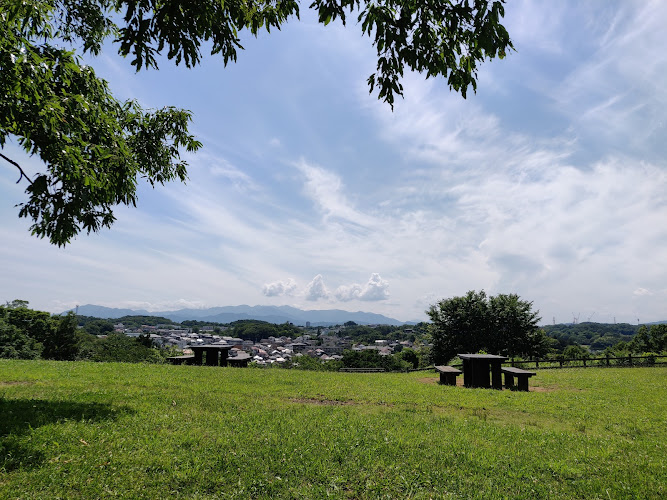
Oyamada Ryokuchi Park

897 Nozutamachi
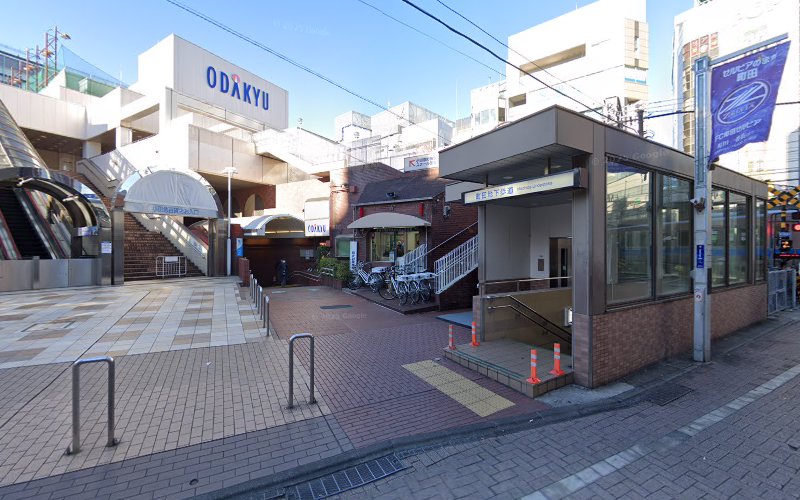
6-chōme-12-19 Haramachida
Find Accommodations Nearby
Recommended Tours & Activities
Visitor Reviews
There are no reviews yet. Be the first one to write one.
Share Your Experience
Have you visited Snoopy Museum Tokyo? Help other travelers by leaving a review.