
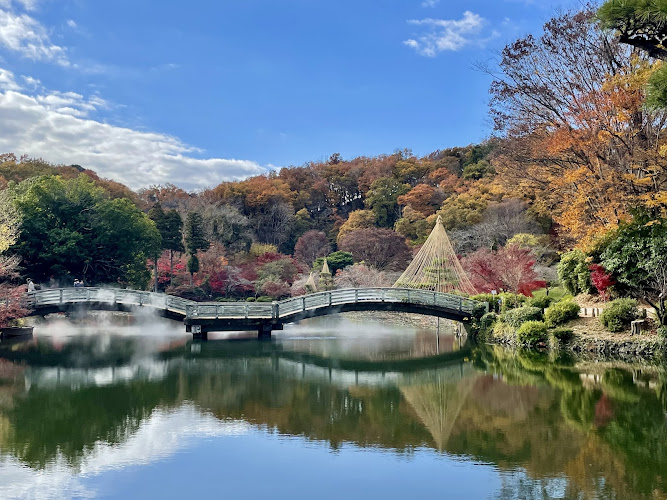
Yakushi Pond
About Yakushi Pond
Description
Yakushi Pond represents one of those places that genuinely captures the essence of Japanese natural beauty without all the overwhelming tourist crowds you'd find at more famous spots. I've always believed that the best travel experiences come from discovering places where you can actually breathe and take in your surroundings, and this pond delivers exactly that kind of peaceful atmosphere. The pond sits as a serene body of water that transforms dramatically with the seasons, though it's particularly renowned for its stunning autumn display. What makes this spot special isn't necessarily its size or any grand architectural features - it's the subtle harmony between water, foliage, and sky that creates something memorable. The reflection of surrounding trees on the water's surface creates a mirror effect that photographers absolutely love, and honestly, even if you're just snapping pictures with your phone, you'll end up with some shots worth showing off. Walking around the pond takes maybe thirty minutes at a leisurely pace, which is perfect for travelers who want to experience Japanese nature without committing to a full-day mountain hike. The pathway is well-maintained and accessible, making it suitable for visitors of varying mobility levels. And there's something genuinely calming about completing that circular walk - watching how the light changes the water's appearance from different angles, noticing the small details in the vegetation, maybe spotting a few local birds going about their day. The area has managed to maintain its natural character without becoming overly commercialized, which I personally appreciate. You won't find souvenir shops every ten feet or people trying to sell you things constantly. It's just nature doing its thing, with enough infrastructure to make your visit comfortable but not so much that it feels artificial.Key Features
The distinctive characteristics of Yakushi Pond make it worth including in any thoughtful travel itinerary: • Fall foliage that rivals better-known destinations, with maple trees creating a canopy of reds, oranges, and yellows that reflect beautifully on the water's surface during peak season • Wheelchair accessible entrance and dedicated parking, ensuring that visitors with mobility challenges can experience the pond's beauty without significant barriers • A walking path that circles the entire pond, offering constantly changing perspectives and photo opportunities from every angle • Restroom facilities available on-site, which might seem like a small detail but makes a real difference when you're planning to spend quality time here • Kid-friendly environment with safe pathways and engaging natural features that keep younger travelers interested without needing manufactured entertainment • Relatively uncrowded atmosphere compared to major tourist attractions, allowing for genuine moments of peace and reflection • Photography opportunities that change throughout the day as sunlight shifts, creating different moods and color palettes • Benches and rest areas strategically placed for visitors who want to sit and absorb the scenery rather than rushing through • Local wildlife sightings including various bird species and occasionally other small animals that call the pond ecosystem home • Accessible year-round with each season offering its own distinct appeal, from cherry blossoms in spring to snow-dusted landscapes in winterBest Time to Visit
Let me be straight with you - autumn is when Yakushi Pond absolutely shines. We're talking late October through mid-November, though the exact peak timing shifts slightly each year depending on weather patterns. The fall colors here genuinely compete with anywhere else in Japan, and because this spot isn't plastered all over every tourist brochure, you won't be fighting massive crowds for viewing space. But here's the thing that many visitors don't realize: dismissing Yakushi Pond outside of fall season would be missing out on other beautiful experiences. Spring brings cherry blossoms and fresh green growth that makes the entire area feel renewed. I've heard from travelers who visited in early spring and were completely charmed by the delicate pink blossoms reflecting on the pond's surface, creating an almost dreamlike scene. Summer offers lush greenery and is actually quite pleasant in the early morning or late afternoon when temperatures cool down a bit. If you're visiting during summer, I'd suggest arriving right when it opens or planning your visit for the golden hour before sunset. The midday heat can be intense, and honestly, the lighting isn't as flattering for photographs anyway. Winter transforms the pond into something completely different. If you're lucky enough to visit after a snowfall, the contrast between dark water and white-covered banks creates a minimalist aesthetic that's absolutely striking. It's colder, obviously, but dress appropriately and you'll have the place almost entirely to yourself. Regarding time of day, mornings tend to be quieter and offer that soft light that photographers love. Weekdays see fewer visitors than weekends, which is pretty standard but worth mentioning if you're someone who values solitude in nature. And if you're chasing those perfect autumn colors, check local foliage reports about two weeks before your planned visit - these predictions have gotten pretty accurate in recent years.How to Get There
Getting to Yakushi Pond requires a bit of planning, but it's definitely manageable even if you're not fluent in Japanese or super experienced with navigating unfamiliar places. The accessibility of the location strikes a balance between being reachable and maintaining that quieter, less touristy atmosphere. For most international travelers, you'll likely be starting from a major city or transportation hub. Public transportation can get you close to the area, though you might need to combine train or bus service with a taxi for the final portion of your journey. I always recommend downloading offline maps before venturing out, because cell service can get spotty in more natural areas. If you're driving, having a GPS or navigation app is essential. The parking lot is wheelchair accessible and generally has adequate space, though during peak fall foliage season you'll want to arrive early - think before 9 AM on weekends. The parking area isn't enormous, and once it fills up, you might be waiting for spaces to open up. Taxi service works well if you're not comfortable driving, though you'll probably want to arrange a pickup time since taxis don't typically wait around in this area. Having your accommodation help you book round-trip taxi service takes the stress out of figuring out transportation after you've finished your visit. Tour buses do visit Yakushi Pond, particularly during autumn, so if you're staying at a hotel or ryokan in the region, ask about organized excursions that might include the pond along with other local attractions. This option removes the navigation stress entirely and often provides cultural context you might miss traveling independently. The paths around the pond itself are well-marked once you arrive, so getting lost isn't really a concern. Signage exists in Japanese and often includes some English, though don't expect the comprehensive multilingual signs you'd find at major tourist sites.Tips for Visiting
Based on what makes visits to Yakushi Pond most enjoyable, here are some practical suggestions that'll improve your experience. Weather in natural areas can change quickly, so bring layers even if the forecast looks perfect. I can't tell you how many times I've seen travelers underdressed for cooler temperatures near water or caught off-guard by unexpected rain. A light waterproof jacket takes up minimal space but can save your entire outing. The walking path around the pond is generally smooth, but wear comfortable shoes anyway. Those cute sandals or brand-new shoes you're breaking in? Save them for city sightseeing. You want footwear that'll keep you comfortable for at least an hour of walking, longer if you're the type to linger at scenic spots. Photography enthusiasts should bring a polarizing filter if you have one - it really helps manage reflections on the water's surface and can make those fall colors pop even more. And honestly, even if you're just using a smartphone, take your time composing shots. The best photos here come from patience and paying attention to how elements arrange themselves in the frame. Bring snacks and water because there aren't food vendors right at the pond. Having refreshments means you can sit on one of those benches, relax, and actually spend quality time soaking in the atmosphere instead of rushing through because you're hungry or thirsty. Pack out whatever you pack in, though - keeping the area clean is everyone's responsibility. Visit the restroom before starting your walk around the pond. They're available on-site which is great, but planning ahead means you won't interrupt your experience halfway through. If you're visiting with children, the environment is definitely kid-friendly, but bring something to engage their interest in nature. A simple guidebook about local birds or trees can transform a boring walk into an adventure. And let's be real, kids often notice details that adults miss when they're actually engaged with their surroundings. The wheelchair accessible features are genuinely functional, not just token gestures. However, if someone in your group has mobility considerations, visiting during good weather makes everything easier. Wet or icy conditions can complicate accessibility even on well-designed paths. For the best experience during peak fall season, arrive on weekdays if your schedule allows, and get there early. By 10 AM on autumn weekends, the parking can fill up and the paths get considerably busier. Dawn visits offer incredible light and solitude, though you'll need to check what time the area officially opens. Respect the natural environment by staying on designated paths. It's tempting to venture off-trail for that perfect photo angle, but trampling vegetation damages the ecosystem that makes this place beautiful in the first place. Finally, manage your expectations appropriately. Yakushi Pond isn't going to blow your mind with dramatic waterfalls or epic mountain vistas. What it offers is something quieter and perhaps more valuable - a peaceful interlude where natural beauty unfolds at a human scale. If you arrive expecting Instagram-famous dramatic landscapes, you might feel disappointed. But if you come ready to appreciate subtle beauty and take a genuine break from the intensity of travel, you'll likely leave feeling refreshed and glad you made the trip.Key Features
- Central reflective pond with seasonal plantings (cherry blossoms, irises, lotus)
- Taiko Bridge and traditional garden landscaping ideal for photography
- Yakushi teahouse and preserved Edo-period houses near the pond
- Quiet, family-friendly walking paths and picnic spots
- Recognized as one of Japan’s notable historical parks with interpretive signage
More Details
Updated January 17, 2026
Table of Contents
Description
Yakushi Pond represents one of those places that genuinely captures the essence of Japanese natural beauty without all the overwhelming tourist crowds you’d find at more famous spots. I’ve always believed that the best travel experiences come from discovering places where you can actually breathe and take in your surroundings, and this pond delivers exactly that kind of peaceful atmosphere.
The pond sits as a serene body of water that transforms dramatically with the seasons, though it’s particularly renowned for its stunning autumn display. What makes this spot special isn’t necessarily its size or any grand architectural features – it’s the subtle harmony between water, foliage, and sky that creates something memorable. The reflection of surrounding trees on the water’s surface creates a mirror effect that photographers absolutely love, and honestly, even if you’re just snapping pictures with your phone, you’ll end up with some shots worth showing off.
Walking around the pond takes maybe thirty minutes at a leisurely pace, which is perfect for travelers who want to experience Japanese nature without committing to a full-day mountain hike. The pathway is well-maintained and accessible, making it suitable for visitors of varying mobility levels. And there’s something genuinely calming about completing that circular walk – watching how the light changes the water’s appearance from different angles, noticing the small details in the vegetation, maybe spotting a few local birds going about their day.
The area has managed to maintain its natural character without becoming overly commercialized, which I personally appreciate. You won’t find souvenir shops every ten feet or people trying to sell you things constantly. It’s just nature doing its thing, with enough infrastructure to make your visit comfortable but not so much that it feels artificial.
Key Features
The distinctive characteristics of Yakushi Pond make it worth including in any thoughtful travel itinerary:
• Fall foliage that rivals better-known destinations, with maple trees creating a canopy of reds, oranges, and yellows that reflect beautifully on the water’s surface during peak season
• Wheelchair accessible entrance and dedicated parking, ensuring that visitors with mobility challenges can experience the pond’s beauty without significant barriers
• A walking path that circles the entire pond, offering constantly changing perspectives and photo opportunities from every angle
• Restroom facilities available on-site, which might seem like a small detail but makes a real difference when you’re planning to spend quality time here
• Kid-friendly environment with safe pathways and engaging natural features that keep younger travelers interested without needing manufactured entertainment
• Relatively uncrowded atmosphere compared to major tourist attractions, allowing for genuine moments of peace and reflection
• Photography opportunities that change throughout the day as sunlight shifts, creating different moods and color palettes
• Benches and rest areas strategically placed for visitors who want to sit and absorb the scenery rather than rushing through
• Local wildlife sightings including various bird species and occasionally other small animals that call the pond ecosystem home
• Accessible year-round with each season offering its own distinct appeal, from cherry blossoms in spring to snow-dusted landscapes in winter
Best Time to Visit
Let me be straight with you – autumn is when Yakushi Pond absolutely shines. We’re talking late October through mid-November, though the exact peak timing shifts slightly each year depending on weather patterns. The fall colors here genuinely compete with anywhere else in Japan, and because this spot isn’t plastered all over every tourist brochure, you won’t be fighting massive crowds for viewing space.
But here’s the thing that many visitors don’t realize: dismissing Yakushi Pond outside of fall season would be missing out on other beautiful experiences. Spring brings cherry blossoms and fresh green growth that makes the entire area feel renewed. I’ve heard from travelers who visited in early spring and were completely charmed by the delicate pink blossoms reflecting on the pond’s surface, creating an almost dreamlike scene.
Summer offers lush greenery and is actually quite pleasant in the early morning or late afternoon when temperatures cool down a bit. If you’re visiting during summer, I’d suggest arriving right when it opens or planning your visit for the golden hour before sunset. The midday heat can be intense, and honestly, the lighting isn’t as flattering for photographs anyway.
Winter transforms the pond into something completely different. If you’re lucky enough to visit after a snowfall, the contrast between dark water and white-covered banks creates a minimalist aesthetic that’s absolutely striking. It’s colder, obviously, but dress appropriately and you’ll have the place almost entirely to yourself.
Regarding time of day, mornings tend to be quieter and offer that soft light that photographers love. Weekdays see fewer visitors than weekends, which is pretty standard but worth mentioning if you’re someone who values solitude in nature. And if you’re chasing those perfect autumn colors, check local foliage reports about two weeks before your planned visit – these predictions have gotten pretty accurate in recent years.
How to Get There
Getting to Yakushi Pond requires a bit of planning, but it’s definitely manageable even if you’re not fluent in Japanese or super experienced with navigating unfamiliar places. The accessibility of the location strikes a balance between being reachable and maintaining that quieter, less touristy atmosphere.
For most international travelers, you’ll likely be starting from a major city or transportation hub. Public transportation can get you close to the area, though you might need to combine train or bus service with a taxi for the final portion of your journey. I always recommend downloading offline maps before venturing out, because cell service can get spotty in more natural areas.
If you’re driving, having a GPS or navigation app is essential. The parking lot is wheelchair accessible and generally has adequate space, though during peak fall foliage season you’ll want to arrive early – think before 9 AM on weekends. The parking area isn’t enormous, and once it fills up, you might be waiting for spaces to open up.
Taxi service works well if you’re not comfortable driving, though you’ll probably want to arrange a pickup time since taxis don’t typically wait around in this area. Having your accommodation help you book round-trip taxi service takes the stress out of figuring out transportation after you’ve finished your visit.
Tour buses do visit Yakushi Pond, particularly during autumn, so if you’re staying at a hotel or ryokan in the region, ask about organized excursions that might include the pond along with other local attractions. This option removes the navigation stress entirely and often provides cultural context you might miss traveling independently.
The paths around the pond itself are well-marked once you arrive, so getting lost isn’t really a concern. Signage exists in Japanese and often includes some English, though don’t expect the comprehensive multilingual signs you’d find at major tourist sites.
Tips for Visiting
Based on what makes visits to Yakushi Pond most enjoyable, here are some practical suggestions that’ll improve your experience.
Weather in natural areas can change quickly, so bring layers even if the forecast looks perfect. I can’t tell you how many times I’ve seen travelers underdressed for cooler temperatures near water or caught off-guard by unexpected rain. A light waterproof jacket takes up minimal space but can save your entire outing.
The walking path around the pond is generally smooth, but wear comfortable shoes anyway. Those cute sandals or brand-new shoes you’re breaking in? Save them for city sightseeing. You want footwear that’ll keep you comfortable for at least an hour of walking, longer if you’re the type to linger at scenic spots.
Photography enthusiasts should bring a polarizing filter if you have one – it really helps manage reflections on the water’s surface and can make those fall colors pop even more. And honestly, even if you’re just using a smartphone, take your time composing shots. The best photos here come from patience and paying attention to how elements arrange themselves in the frame.
Bring snacks and water because there aren’t food vendors right at the pond. Having refreshments means you can sit on one of those benches, relax, and actually spend quality time soaking in the atmosphere instead of rushing through because you’re hungry or thirsty. Pack out whatever you pack in, though – keeping the area clean is everyone’s responsibility.
Visit the restroom before starting your walk around the pond. They’re available on-site which is great, but planning ahead means you won’t interrupt your experience halfway through.
If you’re visiting with children, the environment is definitely kid-friendly, but bring something to engage their interest in nature. A simple guidebook about local birds or trees can transform a boring walk into an adventure. And let’s be real, kids often notice details that adults miss when they’re actually engaged with their surroundings.
The wheelchair accessible features are genuinely functional, not just token gestures. However, if someone in your group has mobility considerations, visiting during good weather makes everything easier. Wet or icy conditions can complicate accessibility even on well-designed paths.
For the best experience during peak fall season, arrive on weekdays if your schedule allows, and get there early. By 10 AM on autumn weekends, the parking can fill up and the paths get considerably busier. Dawn visits offer incredible light and solitude, though you’ll need to check what time the area officially opens.
Respect the natural environment by staying on designated paths. It’s tempting to venture off-trail for that perfect photo angle, but trampling vegetation damages the ecosystem that makes this place beautiful in the first place.
Finally, manage your expectations appropriately. Yakushi Pond isn’t going to blow your mind with dramatic waterfalls or epic mountain vistas. What it offers is something quieter and perhaps more valuable – a peaceful interlude where natural beauty unfolds at a human scale. If you arrive expecting Instagram-famous dramatic landscapes, you might feel disappointed. But if you come ready to appreciate subtle beauty and take a genuine break from the intensity of travel, you’ll likely leave feeling refreshed and glad you made the trip.
Key Highlights
- Central reflective pond with seasonal plantings (cherry blossoms, irises, lotus)
- Taiko Bridge and traditional garden landscaping ideal for photography
- Yakushi teahouse and preserved Edo-period houses near the pond
- Quiet, family-friendly walking paths and picnic spots
- Recognized as one of Japan’s notable historical parks with interpretive signage
Location
Places to Stay Near Yakushi Pond
Find and Book a Tour
Explore More Travel Guides
No reviews found! Be the first to review!
Traveler Reviews for Yakushi Pond
There are no reviews yet. Be the first one to write one.
Have you visited Yakushi Pond? Help other travelers by sharing your review.
Nearby Attractions
You Might Also Like

Grandberry Park
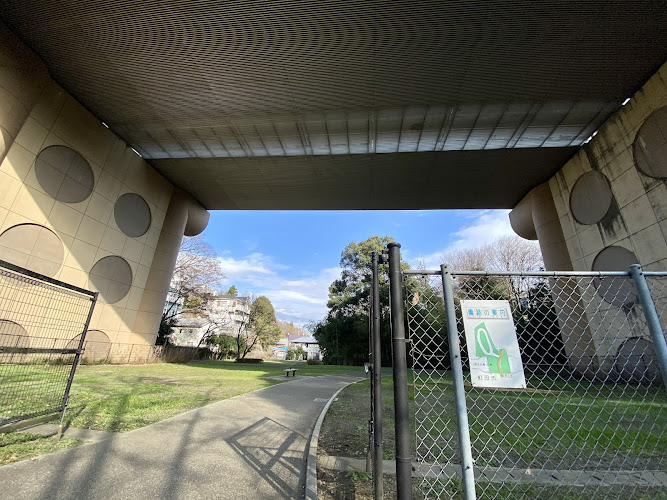
Tadao Park
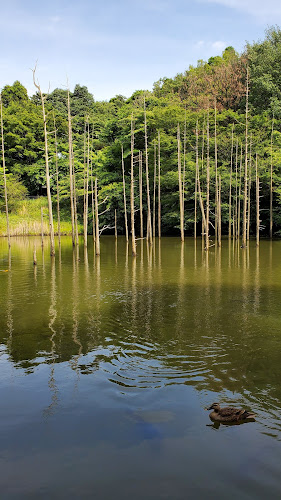
Oyamadairi Park
Find Accommodations Nearby
Recommended Tours & Activities
Visitor Reviews
There are no reviews yet. Be the first one to write one.
Share Your Experience
Have you visited Yakushi Pond? Help other travelers by leaving a review.