

Seonamsa Temple
About Seonamsa Temple
Description
Seonamsa Temple stands as one of South Korea's most photographed Buddhist sanctuaries, and honestly, once you see that iconic arched bridge framing the wooden pavilion, you'll understand why everyone's camera comes out. This isn't just another temple stop on the tourist circuit – it's a place where architecture and nature decided to collaborate on something truly special. The temple dates back to the 6th century, though what visitors see today comes from various reconstruction periods throughout Korean history. Located in the Jogyesan Provincial Park, Seonamsa has this quality about it that makes you slow down. Maybe it's the way the morning mist clings to the surrounding mountains, or perhaps it's just the centuries of meditation and prayer that seem to have seeped into the very stones themselves. What really sets Seonamsa apart from other temples is that famous Seungseon Bridge. This arched stone crossing has become the temple's signature view, and I'd bet good money that if you've seen pictures of Korean temples before, you've probably stumbled across this one. The bridge curves gracefully over a small stream, and beyond it sits the Gangseon-ru pavilion – the combination creates this perfect frame that photographers dream about. The temple grounds sprawl across the mountainside in a way that feels deliberate yet natural. Ancient trees tower overhead, some of them hundreds of years old, and there's this network of walking paths that wind between various temple buildings and meditation halls. During spring, the place transforms into something out of a painting when cherry blossoms and azaleas bloom. And autumn? Don't even get me started on the fall colors here. Unlike some of the larger, more commercialized temple complexes you'll find near Seoul, Seonamsa maintains a quieter atmosphere. Sure, it gets visitors – those review numbers don't lie – but there's enough space and enough winding paths that you can find pockets of genuine solitude. I've heard from travelers who spent entire afternoons just sitting by the stream, watching the water flow beneath that famous bridge, and they said it was the most peaceful moment of their entire Korea trip.Key Features
- Seungseon Bridge and Gangseon-ru Pavilion – The temple's most photographed spot where an elegant stone arch bridge leads to a traditional wooden pavilion, creating a composition that's appeared in countless travel magazines and Instagram feeds. The view changes dramatically with the seasons and time of day.
- Ancient Forest Trails – Walking paths wind through old-growth forests with trees that have witnessed centuries of Korean history. These trails connect various temple buildings and offer moments of genuine forest bathing that the Japanese call shinrin-yoku.
- Main Buddha Hall – The central worship area houses important Buddhist artifacts and provides insight into Korean Buddhist practices. Visitors can observe (respectfully) as monks and devotees conduct their daily rituals and prayers.
- Mountain Stream – A clear stream runs through the temple grounds, providing that soothing water sound that somehow makes meditation feel easier. The stream is at its most beautiful after spring rains when the water volume increases.
- Temple Stay Programs – For those wanting more than just a day visit, Seonamsa offers templestay experiences where visitors can participate in monastic life, including meditation sessions, communal meals, and morning chanting ceremonies.
- Accessibility Features – The temple provides wheelchair-accessible parking and restroom facilities, making it more welcoming than many historical sites in Korea that weren't designed with universal access in mind.
- Seasonal Garden Areas – Carefully maintained gardens throughout the grounds showcase traditional Korean landscaping principles and burst with color during spring and autumn peak seasons.
Best Time to Visit
Here's where my opinion might differ from some guidebooks – while everyone will tell you that autumn is the prime time (and they're not wrong), I'd argue that each season at Seonamsa Temple offers something worth experiencing. Spring, particularly late April through early May, brings an explosion of pink and white as cherry blossoms and azaleas compete for attention. The mountainside practically glows, and that famous bridge view becomes even more photogenic if that's possible. The weather is comfortable too, not yet reaching the sweltering humidity that summer brings. But expect crowds during this time, especially on weekends when Korean families make day trips out to see the blossoms. Summer is actually underrated here. Yes, it gets hot and humid – this is Korea in July and August after all – but the dense forest canopy provides natural air conditioning along the trails. The stream runs full and clear, and if you visit on a weekday morning, you might have entire sections of the temple to yourself. Plus, the entrance fees don't change, but your accommodation costs in the area will be lower than peak season. Autumn though... okay, I have to admit this is spectacular. Late October through early November transforms Seonamsa into a masterpiece of reds, oranges, and yellows. The maples go absolutely wild with color, and when you stand on that bridge looking up at the pavilion framed by fall foliage, you understand why Korean poets have been writing about autumn mountains for centuries. Just know that you won't be alone – this is peak tourist season, and the temple can get quite crowded on weekends. Winter offers the most solitude. The temple under snow is hauntingly beautiful, though the paths can be slippery and some visitors find it too cold for comfortable exploring. I'd recommend winter visits for experienced travelers who don't mind bundling up and want that authentic, quiet temple experience without summer or autumn crowds. For the absolute best experience? Try visiting on a weekday morning regardless of season. Arrive right when the temple opens, and you'll catch the monks during their morning routines, the light will be softer for photography, and you'll avoid the tour bus groups that typically arrive around mid-morning.How to Get There
Getting to Seonamsa Temple requires some planning since it's not right in a major city center, but the journey is part of the experience really. From Seoul, you'll need to make your way to Suncheon City first. The KTX high-speed train from Seoul Station to Suncheon takes about three hours, and honestly, it's comfortable enough that you might actually enjoy the ride. Regular train services are also available if you're watching your budget – they take longer but cost considerably less. Once you're in Suncheon, you have several options. The most straightforward is taking a bus from Suncheon Station or Suncheon Bus Terminal directly to Seonamsa Temple. Bus numbers 111 and 115 run this route, though schedules can change so check locally or at your hotel. The bus ride takes roughly 30-40 minutes depending on traffic and stops along the way. Taxis are another option from Suncheon, and if you're traveling with two or three other people, splitting a cab actually makes economic sense. The ride costs around 25,000-30,000 won (prices fluctuate, you know how it goes), and drivers know exactly where Seonamsa is – it's a well-known destination. You can arrange for the driver to wait or come back to pick you up, which some travelers prefer especially if visiting during off-peak hours when bus service is less frequent. Rental cars work if you're comfortable driving in Korea and have an international driving permit. The temple has a dedicated parking lot with wheelchair-accessible spaces, and there's something freeing about having your own transportation to explore the surrounding Jogyesan area at your own pace. GPS coordinates work well with Korean navigation systems, though having the temple name written in Korean (선암사) helps. From other cities like Busan, you'd typically route through Suncheon as well, though some travelers combine Seonamsa with visits to nearby attractions like Naganeupseong Folk Village or Suncheon Bay, making a multi-day trip through the region.Tips for Visiting
Let me share some practical wisdom that'll make your Seonamsa visit go smoothly, stuff that guidebooks sometimes skip over. First off, wear comfortable walking shoes – and I mean actually comfortable, not those sneakers you bought last week that you're still breaking in. The temple grounds involve quite a bit of walking on uneven stone paths, some inclines, and potentially slippery surfaces near the stream. Those fashionable sandals might look great in photos but your feet will hate you by the end of the visit. Dress modestly out of respect for the religious nature of the site. This doesn't mean you need to cover every inch of skin, but maybe save the short shorts and tank tops for the beach. Shoulders and knees covered is the general rule, and you'll notice that most Korean visitors follow this guideline too. Some temple buildings may require you to remove shoes before entering, so socks without holes are a good idea. Bring cash for the entrance fee and any offerings or purchases you might want to make. While Korea is increasingly card-friendly, temple admission booths sometimes still operate on cash only. The fee isn't expensive – temples in Korea generally charge very reasonable amounts – but having exact change or small bills makes the process smoother. Photography is allowed in most areas, but pay attention to signs indicating restricted zones. Usually the main worship halls prohibit photography inside, and you should definitely never photograph monks without permission. That famous bridge view though? Snap away – everyone does, and it's practically expected. If you're interested in the temple stay program, book well in advance, especially for peak seasons. These programs fill up because they offer something genuinely unique – the chance to experience monastic life firsthand. And they're not overly expensive considering they include meals and accommodation. The temple has restroom facilities that are quite clean and modern – a pleasant surprise for some visitors who might be expecting more rustic conditions. There are also vending machines near the entrance if you need water or snacks, though bringing your own refillable water bottle is more environmentally friendly. For photographers, that morning golden hour light hitting the Seungseon Bridge is absolutely magical. Sunrise visits require serious commitment and probably staying overnight in the area, but the payoff in terms of lighting and solitude makes it worthwhile for enthusiasts. Learn a few basic Korean phrases before visiting. While some staff may speak basic English, this isn't a heavily internationalized tourist site. Knowing how to say hello (annyeonghaseyo) and thank you (gamsahamnida) goes a long way in showing respect. Finally, allow more time than you think you'll need. It's easy to plan for a quick hour-long visit, but Seonamsa rewards those who slow down and linger. The whole point of a place like this is to step out of the rushing pace of modern life for a bit. Sit by the stream. Watch the light change on the pavilion. Listen to the wind in those ancient trees. That's when Seonamsa really reveals itself, and when your visit transforms from checking off a tourist site into experiencing something genuinely meaningful.Key Features
- Key Features
- Best Time to Visit
- How to Get There
- Tips for Visiting
More Details
Updated January 17, 2026
Table of Contents
Description
Seonamsa Temple stands as one of South Korea’s most photographed Buddhist sanctuaries, and honestly, once you see that iconic arched bridge framing the wooden pavilion, you’ll understand why everyone’s camera comes out. This isn’t just another temple stop on the tourist circuit – it’s a place where architecture and nature decided to collaborate on something truly special.
The temple dates back to the 6th century, though what visitors see today comes from various reconstruction periods throughout Korean history. Located in the Jogyesan Provincial Park, Seonamsa has this quality about it that makes you slow down. Maybe it’s the way the morning mist clings to the surrounding mountains, or perhaps it’s just the centuries of meditation and prayer that seem to have seeped into the very stones themselves.
What really sets Seonamsa apart from other temples is that famous Seungseon Bridge. This arched stone crossing has become the temple’s signature view, and I’d bet good money that if you’ve seen pictures of Korean temples before, you’ve probably stumbled across this one. The bridge curves gracefully over a small stream, and beyond it sits the Gangseon-ru pavilion – the combination creates this perfect frame that photographers dream about.
The temple grounds sprawl across the mountainside in a way that feels deliberate yet natural. Ancient trees tower overhead, some of them hundreds of years old, and there’s this network of walking paths that wind between various temple buildings and meditation halls. During spring, the place transforms into something out of a painting when cherry blossoms and azaleas bloom. And autumn? Don’t even get me started on the fall colors here.
Unlike some of the larger, more commercialized temple complexes you’ll find near Seoul, Seonamsa maintains a quieter atmosphere. Sure, it gets visitors – those review numbers don’t lie – but there’s enough space and enough winding paths that you can find pockets of genuine solitude. I’ve heard from travelers who spent entire afternoons just sitting by the stream, watching the water flow beneath that famous bridge, and they said it was the most peaceful moment of their entire Korea trip.
Key Features
- Seungseon Bridge and Gangseon-ru Pavilion – The temple’s most photographed spot where an elegant stone arch bridge leads to a traditional wooden pavilion, creating a composition that’s appeared in countless travel magazines and Instagram feeds. The view changes dramatically with the seasons and time of day.
- Ancient Forest Trails – Walking paths wind through old-growth forests with trees that have witnessed centuries of Korean history. These trails connect various temple buildings and offer moments of genuine forest bathing that the Japanese call shinrin-yoku.
- Main Buddha Hall – The central worship area houses important Buddhist artifacts and provides insight into Korean Buddhist practices. Visitors can observe (respectfully) as monks and devotees conduct their daily rituals and prayers.
- Mountain Stream – A clear stream runs through the temple grounds, providing that soothing water sound that somehow makes meditation feel easier. The stream is at its most beautiful after spring rains when the water volume increases.
- Temple Stay Programs – For those wanting more than just a day visit, Seonamsa offers templestay experiences where visitors can participate in monastic life, including meditation sessions, communal meals, and morning chanting ceremonies.
- Accessibility Features – The temple provides wheelchair-accessible parking and restroom facilities, making it more welcoming than many historical sites in Korea that weren’t designed with universal access in mind.
- Seasonal Garden Areas – Carefully maintained gardens throughout the grounds showcase traditional Korean landscaping principles and burst with color during spring and autumn peak seasons.
Best Time to Visit
Here’s where my opinion might differ from some guidebooks – while everyone will tell you that autumn is the prime time (and they’re not wrong), I’d argue that each season at Seonamsa Temple offers something worth experiencing.
Spring, particularly late April through early May, brings an explosion of pink and white as cherry blossoms and azaleas compete for attention. The mountainside practically glows, and that famous bridge view becomes even more photogenic if that’s possible. The weather is comfortable too, not yet reaching the sweltering humidity that summer brings. But expect crowds during this time, especially on weekends when Korean families make day trips out to see the blossoms.
Summer is actually underrated here. Yes, it gets hot and humid – this is Korea in July and August after all – but the dense forest canopy provides natural air conditioning along the trails. The stream runs full and clear, and if you visit on a weekday morning, you might have entire sections of the temple to yourself. Plus, the entrance fees don’t change, but your accommodation costs in the area will be lower than peak season.
Autumn though… okay, I have to admit this is spectacular. Late October through early November transforms Seonamsa into a masterpiece of reds, oranges, and yellows. The maples go absolutely wild with color, and when you stand on that bridge looking up at the pavilion framed by fall foliage, you understand why Korean poets have been writing about autumn mountains for centuries. Just know that you won’t be alone – this is peak tourist season, and the temple can get quite crowded on weekends.
Winter offers the most solitude. The temple under snow is hauntingly beautiful, though the paths can be slippery and some visitors find it too cold for comfortable exploring. I’d recommend winter visits for experienced travelers who don’t mind bundling up and want that authentic, quiet temple experience without summer or autumn crowds.
For the absolute best experience? Try visiting on a weekday morning regardless of season. Arrive right when the temple opens, and you’ll catch the monks during their morning routines, the light will be softer for photography, and you’ll avoid the tour bus groups that typically arrive around mid-morning.
How to Get There
Getting to Seonamsa Temple requires some planning since it’s not right in a major city center, but the journey is part of the experience really.
From Seoul, you’ll need to make your way to Suncheon City first. The KTX high-speed train from Seoul Station to Suncheon takes about three hours, and honestly, it’s comfortable enough that you might actually enjoy the ride. Regular train services are also available if you’re watching your budget – they take longer but cost considerably less.
Once you’re in Suncheon, you have several options. The most straightforward is taking a bus from Suncheon Station or Suncheon Bus Terminal directly to Seonamsa Temple. Bus numbers 111 and 115 run this route, though schedules can change so check locally or at your hotel. The bus ride takes roughly 30-40 minutes depending on traffic and stops along the way.
Taxis are another option from Suncheon, and if you’re traveling with two or three other people, splitting a cab actually makes economic sense. The ride costs around 25,000-30,000 won (prices fluctuate, you know how it goes), and drivers know exactly where Seonamsa is – it’s a well-known destination. You can arrange for the driver to wait or come back to pick you up, which some travelers prefer especially if visiting during off-peak hours when bus service is less frequent.
Rental cars work if you’re comfortable driving in Korea and have an international driving permit. The temple has a dedicated parking lot with wheelchair-accessible spaces, and there’s something freeing about having your own transportation to explore the surrounding Jogyesan area at your own pace. GPS coordinates work well with Korean navigation systems, though having the temple name written in Korean (선암사) helps.
From other cities like Busan, you’d typically route through Suncheon as well, though some travelers combine Seonamsa with visits to nearby attractions like Naganeupseong Folk Village or Suncheon Bay, making a multi-day trip through the region.
Tips for Visiting
Let me share some practical wisdom that’ll make your Seonamsa visit go smoothly, stuff that guidebooks sometimes skip over.
First off, wear comfortable walking shoes – and I mean actually comfortable, not those sneakers you bought last week that you’re still breaking in. The temple grounds involve quite a bit of walking on uneven stone paths, some inclines, and potentially slippery surfaces near the stream. Those fashionable sandals might look great in photos but your feet will hate you by the end of the visit.
Dress modestly out of respect for the religious nature of the site. This doesn’t mean you need to cover every inch of skin, but maybe save the short shorts and tank tops for the beach. Shoulders and knees covered is the general rule, and you’ll notice that most Korean visitors follow this guideline too. Some temple buildings may require you to remove shoes before entering, so socks without holes are a good idea.
Bring cash for the entrance fee and any offerings or purchases you might want to make. While Korea is increasingly card-friendly, temple admission booths sometimes still operate on cash only. The fee isn’t expensive – temples in Korea generally charge very reasonable amounts – but having exact change or small bills makes the process smoother.
Photography is allowed in most areas, but pay attention to signs indicating restricted zones. Usually the main worship halls prohibit photography inside, and you should definitely never photograph monks without permission. That famous bridge view though? Snap away – everyone does, and it’s practically expected.
If you’re interested in the temple stay program, book well in advance, especially for peak seasons. These programs fill up because they offer something genuinely unique – the chance to experience monastic life firsthand. And they’re not overly expensive considering they include meals and accommodation.
The temple has restroom facilities that are quite clean and modern – a pleasant surprise for some visitors who might be expecting more rustic conditions. There are also vending machines near the entrance if you need water or snacks, though bringing your own refillable water bottle is more environmentally friendly.
For photographers, that morning golden hour light hitting the Seungseon Bridge is absolutely magical. Sunrise visits require serious commitment and probably staying overnight in the area, but the payoff in terms of lighting and solitude makes it worthwhile for enthusiasts.
Learn a few basic Korean phrases before visiting. While some staff may speak basic English, this isn’t a heavily internationalized tourist site. Knowing how to say hello (annyeonghaseyo) and thank you (gamsahamnida) goes a long way in showing respect.
Finally, allow more time than you think you’ll need. It’s easy to plan for a quick hour-long visit, but Seonamsa rewards those who slow down and linger. The whole point of a place like this is to step out of the rushing pace of modern life for a bit. Sit by the stream. Watch the light change on the pavilion. Listen to the wind in those ancient trees. That’s when Seonamsa really reveals itself, and when your visit transforms from checking off a tourist site into experiencing something genuinely meaningful.
Key Highlights
- Key Features
- Best Time to Visit
- How to Get There
- Tips for Visiting
Location
Places to Stay Near Seonamsa Temple
Find and Book a Tour
Explore More Travel Guides
No reviews found! Be the first to review!
Traveler Reviews for Seonamsa Temple
There are no reviews yet. Be the first one to write one.
Have you visited Seonamsa Temple? Help other travelers by sharing your review.
You Might Also Like

죽도봉공원
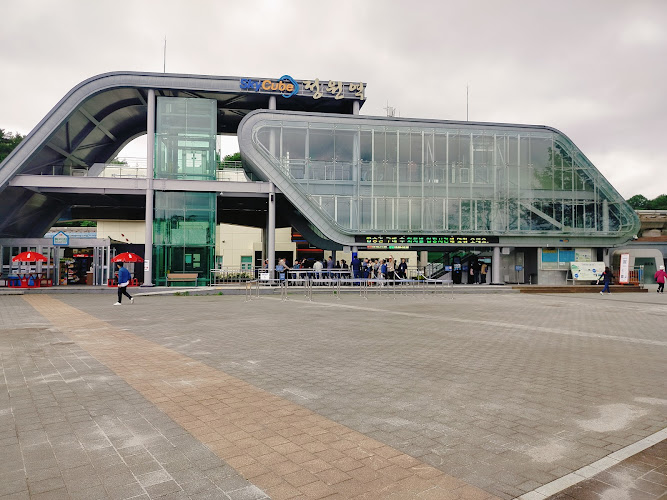
Suncheon Bay Skycube Garden Station
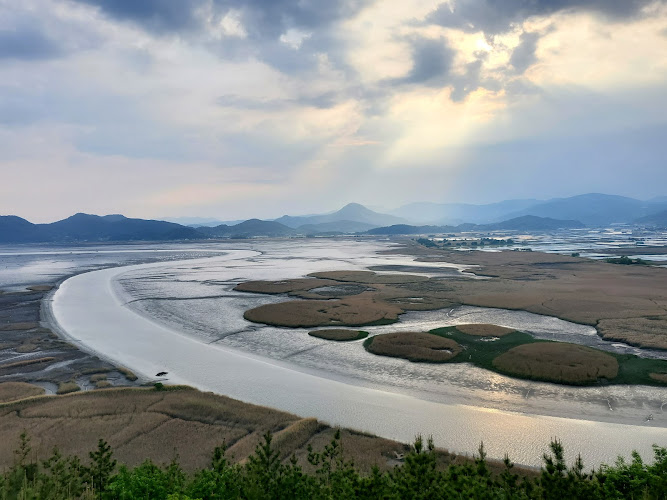
Suncheon Bay Nature Reserve
Find Accommodations Nearby
Recommended Tours & Activities
Visitor Reviews
There are no reviews yet. Be the first one to write one.
Share Your Experience
Have you visited Seonamsa Temple? Help other travelers by leaving a review.