

Aquarium & Marine Museum, Universiti Malaysia Sabah, Kota Kinabalu, Sabah.
About Aquarium & Marine Museum, Universiti Malaysia Sabah, Kota Kinabalu, Sabah.
Description
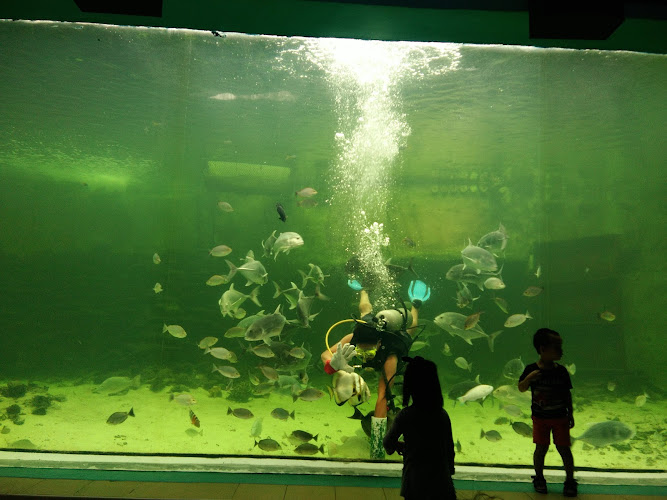
The Aquarium & Marine Museum at Universiti Malaysia Sabah offers visitors a genuine glimpse into the rich marine biodiversity of Sabah's coastal waters and beyond. Located within the university grounds, this facility serves as both an educational center and a tourist destination that showcases the remarkable underwater ecosystems found throughout Borneo's surrounding seas. I've found that university-run aquariums often have this authentic, unpretentious quality that commercial facilities sometimes lack – they're built primarily for research and education, which means you get the science without all the flashy marketing. The facility houses several fish tanks displaying species native to Malaysian waters, though what really sets it apart is the open-water reef exhibition that gives you a sense of actually peering into the ocean itself. There's something almost meditative about watching fish move through these larger displays. And honestly, you don't need massive tanks with whale sharks to have a meaningful experience. Sometimes the smaller, more intimate settings allow you to notice behaviors and details you'd miss in a crowd at bigger aquariums. The mangrove walk is probably one of the most underrated features here. Most people think "aquarium" and expect only indoor tanks, but mangroves are such a crucial part of the marine ecosystem that including them makes perfect ecological sense. These trees literally hold the coastline together and serve as nurseries for countless fish species. Walking through this section gives you context for understanding how everything connects – the land, the brackish water zones, and the open ocean beyond. As a university facility, this place operates a bit differently than your typical tourist aquarium. The staff often includes marine biology students and researchers who actually know their stuff beyond memorized tour scripts. You might catch them in the middle of maintenance work or research activities, which I think adds rather than detracts from the experience. It's real, not staged.Key Features
The Aquarium & Marine Museum presents several distinctive elements that make it worth including in your Kota Kinabalu itinerary:- Open-water reef exhibition that mimics natural coral reef environments found in Sabah's waters, allowing visitors to observe fish behaving as they would in their natural habitat
- Mangrove ecosystem walk that demonstrates the critical connection between land and sea, featuring the unique root systems and brackish water species that thrive in these transitional zones
- Educational displays focused on marine conservation issues specific to Sabah and Malaysian Borneo, including information about endangered species and local research initiatives
- Collections of regional marine species that you won't necessarily see at larger commercial aquariums, with an emphasis on scientific accuracy rather than entertainment value
- Wheelchair accessible facilities throughout, including entrances and parking areas, making it genuinely accessible for visitors with mobility challenges
- Child-friendly environment with a playground on-site, allowing families to combine marine education with outdoor play time
- University setting that provides a quieter, less commercialized atmosphere compared to major tourist aquariums
- Acceptance of various payment methods including credit cards, debit cards, and mobile payments, which is convenient for international travelers
- Smaller crowds compared to major attractions, giving you more personal space to observe exhibits without being jostled by tour groups
- Opportunities to learn about ongoing marine research conducted by UMS, connecting you with real scientific work happening in Borneo's waters
Best Time to Visit
Timing your visit to the Aquarium & Marine Museum requires consideration of both weather patterns and practical logistics. The facility itself is primarily indoors, so you're somewhat protected from the elements, but the mangrove walk is outdoors and definitely more pleasant during certain conditions. Sabah experiences heavy rainfall from November through February, which is the northeast monsoon season. While the aquarium remains open, trudging through the mangrove walk in pouring rain probably isn't anyone's idea of fun. The humidity during these months also makes everything feel a bit stickier and less comfortable. But honestly, if you're already in Kota Kinabalu during this period and have a dry day, go ahead and visit – it's not like the experience fundamentally changes. The drier months from March to October generally provide better conditions for outdoor portions of your visit. Morning hours between 9 AM and 11 AM tend to be cooler before the midday heat really kicks in. I've visited similar facilities during the afternoon and found myself rushing through outdoor sections just to escape back into air-conditioned spaces, which defeats the purpose. Weekdays typically see fewer visitors than weekends, especially since this is a university location. During semester breaks and public holidays, you might encounter more families with children. School groups sometimes visit during term time, usually in the mornings, so if you're looking for a quieter experience, early afternoon on a weekday might be your sweet spot. Consider visiting earlier in your trip rather than later. The knowledge you gain about marine ecosystems here can actually enhance subsequent visits to beaches or diving sites around Sabah. You'll recognize species and understand the environmental context better. Plus, if weather turns bad later in your trip, you'll be glad you didn't save the aquarium for a rainy day backup plan. The facility generally doesn't get overwhelmingly crowded, which is part of its charm. You won't need to plan around peak hours the way you would at major commercial attractions. That said, giving yourself at least 2-3 hours to properly explore everything without rushing is recommended.How to Get There
Reaching the Aquarium & Marine Museum at Universiti Malaysia Sabah requires a bit of planning since it's located on a university campus rather than in the city center of Kota Kinabalu. The university sits approximately 13 kilometers from downtown KK, which translates to about 20-30 minutes of travel time depending on traffic. Taxis and ride-sharing services represent the most straightforward option for most travelers. Grab operates in Kota Kinabalu and tends to be reliable for this route. The fare typically runs around RM 25-35 from the city center, though prices fluctuate based on demand and exact pickup location. Make sure your driver knows you're heading to the aquarium specifically, not just the university main entrance – it's a large campus and you don't want to get dropped at the wrong location. Renting a car gives you flexibility if you're planning to visit multiple sites around Sabah. The drive from Kota Kinabalu follows a straightforward route along Jalan UMS. Parking at the aquarium is available and wheelchair accessible. Having your own vehicle also means you're not dependent on finding return transportation, which can be trickier from the university than from downtown tourist areas. Public buses do serve the university, but they require more patience and familiarity with the local system. Bus routes 5A and 5B connect the city center to UMS, with fares that are significantly cheaper than taxis – usually just a few ringgit. However, schedules can be irregular and buses may be crowded during student commute times. If you're on a tight budget and comfortable with local transportation, this works fine. But if you're short on time or traveling with children or elderly family members, the convenience of private transport probably justifies the extra cost. Some hotels in Kota Kinabalu offer tour packages or can arrange transportation to various attractions including the aquarium. Asking your accommodation about options might uncover convenient solutions, particularly if you're planning to visit multiple sites in one day. The university campus itself is well-signposted once you arrive. Look for directional signs pointing to the Aquarium and Marine Museum. The entrance area has clear markings and you'll find the ticketing booth near the main aquarium building.Tips for Visiting
Making the most of your visit to the Aquarium & Marine Museum involves some practical preparation that isn't always obvious from promotional materials or quick online searches. Bring insect repellent for the mangrove walk section. Mangrove environments naturally harbor mosquitos and other biting insects, and you'll enjoy the outdoor portions much more if you're not constantly swatting away bugs. Trust me on this – there's nothing that ruins observing wildlife quite like becoming a meal for insects yourself. Wear comfortable walking shoes with good grip. The mangrove walk may have wet or slightly slippery surfaces, especially if it's recently rained. Flip-flops or open sandals might seem appropriate for a beach-adjacent activity, but you'll appreciate the stability of proper footwear. Don't rush through the exhibits. This isn't a massive facility where you need hours and hours, but taking your time to actually read the informational plaques and observe animal behaviors pays off. I've noticed that people sometimes blow through aquariums like they're checking boxes on a list. The fish are actually doing interesting things if you watch for a while. Bring a camera but skip the flash. Most marine life doesn't appreciate bright flashes, and many tanks have reflective glass that makes flash photography look terrible anyway. If your camera or phone has decent low-light capability, use that instead. The lighting in most exhibits is designed to show the animals properly, so work with it rather than against it. Check feeding schedules if they're available. Watching feeding times can be surprisingly educational and entertaining – fish behavior changes dramatically when food appears, and staff sometimes provide commentary during feedings that you won't get from static displays. Consider combining your aquarium visit with other university facilities or nearby attractions. The UMS campus is actually quite scenic, and there may be other accessible areas worth exploring if you've made the journey out from the city center. The nearby coastline offers beautiful views, particularly later in the afternoon. Bring cash for small purchases, though the facility accepts cards and mobile payments. Sometimes smaller vendors near the entrance only take cash, and having ringgit on hand never hurts. If you're visiting with children, let them set some of the pace. Kids often notice details that adults overlook, and the playground provides a necessary break if little ones get overstimulated or need to burn off energy. The facility being child-friendly isn't just marketing speak – the layout actually works well for families. Ask questions if you see staff or researchers around. University facilities often have people working who are genuinely passionate about marine biology and happy to share knowledge. You might learn something that isn't on any display panel. Don't expect SeaWorld-level production values, and that's actually fine. This is an educational and research facility that happens to welcome visitors, not a theme park. Adjusting your expectations accordingly means you'll appreciate what it does offer rather than focusing on what it lacks compared to massive commercial operations. Stay hydrated, especially if you're visiting during warmer parts of the day. The combination of outdoor walking and air-conditioned indoor spaces can be dehydrating, and there's nothing fun about getting a headache halfway through your visit. Finally, remember that this facility contributes to marine research and conservation in Sabah. Your admission fee supports genuinely important work, not just entertainment infrastructure. That might not make the tanks any bigger or the displays any fancier, but it does mean your visit has purpose beyond just crossing something off your travel list.Key Features
- Open-water reef tanks showcasing local coral reef species
- Mangrove habitat display illustrating coastal ecology
- Specimen galleries with preserved marine organisms
- Educational exhibits and a small theatre for talks and films
- Operated by the Borneo Marine Research Institute (UMS) — close links to ongoing research and conservation
More Details
Updated January 17, 2026
Table of Contents
- Description
- Key Features
- Best Time to Visit
- How to Get There
- Tips for Visiting
- Key Highlights
- Location
- Places to Stay Near Aquarium & Marine Museum, Universiti Malaysia Sabah, Kota Kinabalu, Sabah.
- Find and Book a Tour
- Explore More Travel Guides
- Nearby Places You Might Like
- Traveler Reviews for Aquarium & Marine Museum, Universiti Malaysia Sabah, Kota Kinabalu, Sabah.
- Share Your Experience
Description
The Aquarium & Marine Museum at Universiti Malaysia Sabah offers visitors a genuine glimpse into the rich marine biodiversity of Sabah’s coastal waters and beyond. Located within the university grounds, this facility serves as both an educational center and a tourist destination that showcases the remarkable underwater ecosystems found throughout Borneo’s surrounding seas. I’ve found that university-run aquariums often have this authentic, unpretentious quality that commercial facilities sometimes lack – they’re built primarily for research and education, which means you get the science without all the flashy marketing.
The facility houses several fish tanks displaying species native to Malaysian waters, though what really sets it apart is the open-water reef exhibition that gives you a sense of actually peering into the ocean itself. There’s something almost meditative about watching fish move through these larger displays. And honestly, you don’t need massive tanks with whale sharks to have a meaningful experience. Sometimes the smaller, more intimate settings allow you to notice behaviors and details you’d miss in a crowd at bigger aquariums.
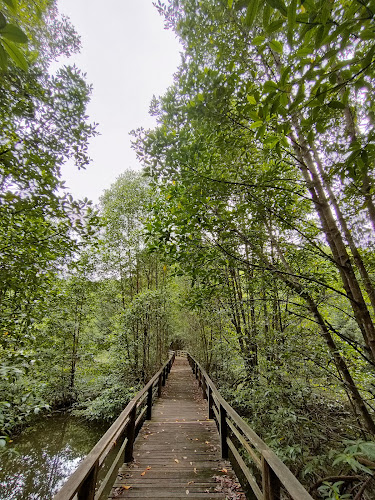
The mangrove walk is probably one of the most underrated features here. Most people think “aquarium” and expect only indoor tanks, but mangroves are such a crucial part of the marine ecosystem that including them makes perfect ecological sense. These trees literally hold the coastline together and serve as nurseries for countless fish species. Walking through this section gives you context for understanding how everything connects – the land, the brackish water zones, and the open ocean beyond.
As a university facility, this place operates a bit differently than your typical tourist aquarium. The staff often includes marine biology students and researchers who actually know their stuff beyond memorized tour scripts. You might catch them in the middle of maintenance work or research activities, which I think adds rather than detracts from the experience. It’s real, not staged.
Key Features
The Aquarium & Marine Museum presents several distinctive elements that make it worth including in your Kota Kinabalu itinerary:
- Open-water reef exhibition that mimics natural coral reef environments found in Sabah’s waters, allowing visitors to observe fish behaving as they would in their natural habitat
- Mangrove ecosystem walk that demonstrates the critical connection between land and sea, featuring the unique root systems and brackish water species that thrive in these transitional zones
- Educational displays focused on marine conservation issues specific to Sabah and Malaysian Borneo, including information about endangered species and local research initiatives
- Collections of regional marine species that you won’t necessarily see at larger commercial aquariums, with an emphasis on scientific accuracy rather than entertainment value
- Wheelchair accessible facilities throughout, including entrances and parking areas, making it genuinely accessible for visitors with mobility challenges
- Child-friendly environment with a playground on-site, allowing families to combine marine education with outdoor play time
- University setting that provides a quieter, less commercialized atmosphere compared to major tourist aquariums
- Acceptance of various payment methods including credit cards, debit cards, and mobile payments, which is convenient for international travelers
- Smaller crowds compared to major attractions, giving you more personal space to observe exhibits without being jostled by tour groups
- Opportunities to learn about ongoing marine research conducted by UMS, connecting you with real scientific work happening in Borneo’s waters
Best Time to Visit
Timing your visit to the Aquarium & Marine Museum requires consideration of both weather patterns and practical logistics. The facility itself is primarily indoors, so you’re somewhat protected from the elements, but the mangrove walk is outdoors and definitely more pleasant during certain conditions.
Sabah experiences heavy rainfall from November through February, which is the northeast monsoon season. While the aquarium remains open, trudging through the mangrove walk in pouring rain probably isn’t anyone’s idea of fun. The humidity during these months also makes everything feel a bit stickier and less comfortable. But honestly, if you’re already in Kota Kinabalu during this period and have a dry day, go ahead and visit – it’s not like the experience fundamentally changes.
The drier months from March to October generally provide better conditions for outdoor portions of your visit. Morning hours between 9 AM and 11 AM tend to be cooler before the midday heat really kicks in. I’ve visited similar facilities during the afternoon and found myself rushing through outdoor sections just to escape back into air-conditioned spaces, which defeats the purpose.
Weekdays typically see fewer visitors than weekends, especially since this is a university location. During semester breaks and public holidays, you might encounter more families with children. School groups sometimes visit during term time, usually in the mornings, so if you’re looking for a quieter experience, early afternoon on a weekday might be your sweet spot.
Consider visiting earlier in your trip rather than later. The knowledge you gain about marine ecosystems here can actually enhance subsequent visits to beaches or diving sites around Sabah. You’ll recognize species and understand the environmental context better. Plus, if weather turns bad later in your trip, you’ll be glad you didn’t save the aquarium for a rainy day backup plan.
The facility generally doesn’t get overwhelmingly crowded, which is part of its charm. You won’t need to plan around peak hours the way you would at major commercial attractions. That said, giving yourself at least 2-3 hours to properly explore everything without rushing is recommended.
How to Get There
Reaching the Aquarium & Marine Museum at Universiti Malaysia Sabah requires a bit of planning since it’s located on a university campus rather than in the city center of Kota Kinabalu. The university sits approximately 13 kilometers from downtown KK, which translates to about 20-30 minutes of travel time depending on traffic.
Taxis and ride-sharing services represent the most straightforward option for most travelers. Grab operates in Kota Kinabalu and tends to be reliable for this route. The fare typically runs around RM 25-35 from the city center, though prices fluctuate based on demand and exact pickup location. Make sure your driver knows you’re heading to the aquarium specifically, not just the university main entrance – it’s a large campus and you don’t want to get dropped at the wrong location.
Renting a car gives you flexibility if you’re planning to visit multiple sites around Sabah. The drive from Kota Kinabalu follows a straightforward route along Jalan UMS. Parking at the aquarium is available and wheelchair accessible. Having your own vehicle also means you’re not dependent on finding return transportation, which can be trickier from the university than from downtown tourist areas.
Public buses do serve the university, but they require more patience and familiarity with the local system. Bus routes 5A and 5B connect the city center to UMS, with fares that are significantly cheaper than taxis – usually just a few ringgit. However, schedules can be irregular and buses may be crowded during student commute times. If you’re on a tight budget and comfortable with local transportation, this works fine. But if you’re short on time or traveling with children or elderly family members, the convenience of private transport probably justifies the extra cost.
Some hotels in Kota Kinabalu offer tour packages or can arrange transportation to various attractions including the aquarium. Asking your accommodation about options might uncover convenient solutions, particularly if you’re planning to visit multiple sites in one day.
The university campus itself is well-signposted once you arrive. Look for directional signs pointing to the Aquarium and Marine Museum. The entrance area has clear markings and you’ll find the ticketing booth near the main aquarium building.
Tips for Visiting
Making the most of your visit to the Aquarium & Marine Museum involves some practical preparation that isn’t always obvious from promotional materials or quick online searches.
Bring insect repellent for the mangrove walk section. Mangrove environments naturally harbor mosquitos and other biting insects, and you’ll enjoy the outdoor portions much more if you’re not constantly swatting away bugs. Trust me on this – there’s nothing that ruins observing wildlife quite like becoming a meal for insects yourself.
Wear comfortable walking shoes with good grip. The mangrove walk may have wet or slightly slippery surfaces, especially if it’s recently rained. Flip-flops or open sandals might seem appropriate for a beach-adjacent activity, but you’ll appreciate the stability of proper footwear.
Don’t rush through the exhibits. This isn’t a massive facility where you need hours and hours, but taking your time to actually read the informational plaques and observe animal behaviors pays off. I’ve noticed that people sometimes blow through aquariums like they’re checking boxes on a list. The fish are actually doing interesting things if you watch for a while.
Bring a camera but skip the flash. Most marine life doesn’t appreciate bright flashes, and many tanks have reflective glass that makes flash photography look terrible anyway. If your camera or phone has decent low-light capability, use that instead. The lighting in most exhibits is designed to show the animals properly, so work with it rather than against it.
Check feeding schedules if they’re available. Watching feeding times can be surprisingly educational and entertaining – fish behavior changes dramatically when food appears, and staff sometimes provide commentary during feedings that you won’t get from static displays.
Consider combining your aquarium visit with other university facilities or nearby attractions. The UMS campus is actually quite scenic, and there may be other accessible areas worth exploring if you’ve made the journey out from the city center. The nearby coastline offers beautiful views, particularly later in the afternoon.
Bring cash for small purchases, though the facility accepts cards and mobile payments. Sometimes smaller vendors near the entrance only take cash, and having ringgit on hand never hurts.
If you’re visiting with children, let them set some of the pace. Kids often notice details that adults overlook, and the playground provides a necessary break if little ones get overstimulated or need to burn off energy. The facility being child-friendly isn’t just marketing speak – the layout actually works well for families.
Ask questions if you see staff or researchers around. University facilities often have people working who are genuinely passionate about marine biology and happy to share knowledge. You might learn something that isn’t on any display panel.
Don’t expect SeaWorld-level production values, and that’s actually fine. This is an educational and research facility that happens to welcome visitors, not a theme park. Adjusting your expectations accordingly means you’ll appreciate what it does offer rather than focusing on what it lacks compared to massive commercial operations.
Stay hydrated, especially if you’re visiting during warmer parts of the day. The combination of outdoor walking and air-conditioned indoor spaces can be dehydrating, and there’s nothing fun about getting a headache halfway through your visit.
Finally, remember that this facility contributes to marine research and conservation in Sabah. Your admission fee supports genuinely important work, not just entertainment infrastructure. That might not make the tanks any bigger or the displays any fancier, but it does mean your visit has purpose beyond just crossing something off your travel list.
Key Highlights
- Open-water reef tanks showcasing local coral reef species
- Mangrove habitat display illustrating coastal ecology
- Specimen galleries with preserved marine organisms
- Educational exhibits and a small theatre for talks and films
- Operated by the Borneo Marine Research Institute (UMS) — close links to ongoing research and conservation
Location
Places to Stay Near Aquarium & Marine Museum, Universiti Malaysia Sabah, Kota Kinabalu, Sabah.
Find and Book a Tour
Explore More Travel Guides
No reviews found! Be the first to review!
Traveler Reviews for Aquarium & Marine Museum, Universiti Malaysia Sabah, Kota Kinabalu, Sabah.
There are no reviews yet. Be the first one to write one.
Have you visited Aquarium & Marine Museum, Universiti Malaysia Sabah, Kota Kinabalu, Sabah.? Help other travelers by sharing your review.
Nearby Attractions
You Might Also Like

Mari Mari Cultural Village
Green Connection
Kota Kinabalu Wetland Ramsar Site
Find Accommodations Nearby
Recommended Tours & Activities
Visitor Reviews
There are no reviews yet. Be the first one to write one.
Share Your Experience
Have you visited Aquarium & Marine Museum, Universiti Malaysia Sabah, Kota Kinabalu, Sabah.? Help other travelers by leaving a review.