Kota Kinabalu Wetland Ramsar Site
About Kota Kinabalu Wetland Ramsar Site
Description
The Kota Kinabalu Wetland Ramsar Site represents one of Sabah's most underappreciated ecological treasures, and honestly, it's a shame more travelers don't know about this place. Designated as a Ramsar site in recognition of its international importance as a wetland habitat, this 24-hectare sanctuary sits right on the edge of urban development yet maintains an almost otherworldly sense of tranquility. I've always found it fascinating how a place can exist so close to the hustle of city life while feeling completely removed from it. What makes this wetland particularly special is its mangrove forest ecosystem, which serves as a crucial stopover point for migratory birds and a permanent home for resident species. The site attracts roughly 80 bird species throughout the year, including various herons, kingfishers, and other wetland-dependent birds that rely on this habitat for survival. And when you walk along the elevated boardwalks that wind through the mangroves, you'll understand why conservation efforts here matter so much – this isn't just a tourist attraction, it's a living classroom where nature still operates according to its own rhythms. The wetland functions as both a nature preserve and an education center, which means visitors get more than just pretty views. There's a genuine commitment to helping people understand why mangrove ecosystems matter, how they protect coastlines, filter water, and support incredible biodiversity. But don't worry – the educational aspect doesn't feel preachy or overwhelming. Instead, it enhances the experience by giving context to what you're seeing.Key Features
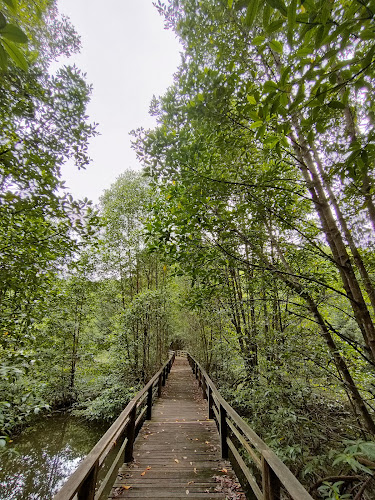
The Kota Kinabalu Wetland Ramsar Site offers several distinctive elements that set it apart from other nature destinations in the region:- Elevated Boardwalk System – Approximately 1.5 kilometers of well-maintained wooden walkways allow visitors to explore the mangrove forest without disturbing the delicate ecosystem below. The boardwalks are surprisingly comfortable to navigate and provide excellent vantage points for observation.
- Bird Watching Opportunities – With around 80 recorded bird species, including purple herons, stork-billed kingfishers, and various egrets, the wetland delivers for both serious birders and casual observers. Early mornings really do make a difference here, as that's when bird activity peaks.
- Mangrove Forest Ecosystem – The site protects one of the few remaining mangrove forests in the Kota Kinabalu area, featuring multiple mangrove species that create a unique intertidal environment. Walking through these forests feels like stepping into a different world entirely.
- Education and Interpretation Center – The on-site facility provides information about wetland ecology, conservation challenges, and the specific species found within the reserve. It's compact but informative, and worth spending fifteen minutes in before you start your walk.
- Complete Accessibility Features – The site includes wheelchair-accessible entrances, parking, restrooms, and portions of the boardwalk system, making it genuinely inclusive for visitors with mobility considerations.
- Family-Friendly Environment – The safe, well-marked trails and educational focus make this an excellent destination for families traveling with children who need engaging outdoor activities that aren't too strenuous.
- Free Parking and Entry – Both parking lots and street parking are available at no cost, and entry to the wetland itself doesn't require expensive permits or tickets, making it accessible to budget-conscious travelers.
- Urban Wetland Location – The proximity to Kota Kinabalu's city center means travelers can easily incorporate a wetland visit into their itinerary without dedicating an entire day to transportation.
Best Time to Visit
Timing your visit to the Kota Kinabalu Wetland Ramsar Site can significantly impact your experience, and there's more to consider than just avoiding rain. The wetland operates year-round, but certain seasons and times of day offer distinct advantages. For bird watching enthusiasts, the migration periods bring the greatest diversity. From September through November and again from March through May, migratory species pass through the area, supplementing the resident bird population and creating prime viewing opportunities. I've talked to birders who've recorded over thirty species in a single morning visit during these peak migration windows, which is pretty remarkable for a relatively small wetland area. However, resident bird species remain active throughout the year, so visitors outside migration seasons shouldn't feel disappointed. The purple herons, various kingfisher species, and egrets call this wetland home permanently, and watching them in their natural habitat never gets old. As for time of day, early morning visits between 6:30 AM and 9:00 AM offer the best wildlife viewing. Birds are most active during these cooler hours, feeding and vocalizing before the midday heat sets in. And honestly, there's something magical about being on those boardwalks when the morning light filters through the mangrove canopy and the wetland is just waking up. The dry season, roughly from March through October, provides more predictable weather conditions and lower water levels that can make certain bird species easier to spot. But the wet season from November through February has its own appeal – the landscape becomes lusher, and if you don't mind occasional rain showers, you'll encounter fewer crowds and experience the wetland in a more contemplative setting. Temperature-wise, Kota Kinabalu maintains fairly consistent tropical conditions year-round, with averages hovering between 27-32°C. The humidity can be intense regardless of when you visit, so plan accordingly with appropriate clothing and hydration. Weekday visits typically offer a quieter experience compared to weekends when local families and school groups sometimes fill the boardwalks. If you prefer solitude and uninterrupted nature observation, Tuesday through Thursday mornings work particularly well.How to Get There
Getting to the Kota Kinabalu Wetland Ramsar Site is refreshingly straightforward, especially compared to some of Sabah's more remote natural attractions. The wetland is located roughly 3 kilometers from the city center, positioning it within easy reach for most travelers staying in Kota Kinabalu's main hotel districts. For those renting vehicles, driving offers the most flexibility. From the city center, head north along Jalan Tuaran, and you'll find the wetland entrance clearly marked. The drive takes approximately 10-15 minutes depending on traffic conditions, and both free parking lots and street parking are available near the entrance. Just keep in mind that parking can fill up on weekend mornings when the site attracts more local visitors. Taxi services, including both traditional taxis and ride-sharing apps like Grab, provide convenient door-to-door transport. A one-way trip from most central hotels typically costs between RM15-25, making it an affordable option even for budget travelers. The challenge with taxis is arranging return transportation, since the wetland area doesn't always have available taxis waiting. I'd recommend either arranging a pick-up time with your driver or using a ride-sharing app to call for return transport when you're ready to leave. Public bus options do exist, with certain routes passing near the wetland along Jalan Tuaran. However, this requires more local knowledge and potentially some walking from the nearest bus stop. For travelers comfortable with public transport and wanting to minimize costs, it's doable but not as straightforward as other options. Many tour operators in Kota Kinabalu include the wetland in broader city tours or nature-focused itineraries. While this reduces flexibility, it eliminates transportation concerns entirely and often includes guide services that can enhance the educational aspect of your visit. Cycling is another possibility for adventurous travelers, as the relatively flat route from the city center makes for a manageable ride. Just be prepared for traffic along Jalan Tuaran and bring plenty of water, as the tropical heat makes even short cycling trips sweaty affairs.Tips for Visiting
Making the most of your Kota Kinabalu Wetland experience requires some preparation, and a few insider tips can transform a good visit into a memorable one. First and foremost, bring binoculars if you're even remotely interested in bird watching. While you'll spot larger bird species with the naked eye, binoculars reveal details and allow you to observe more distant birds without disturbing them. And trust me, watching a stork-billed kingfisher hunt from fifty meters away through good binoculars beats any zoo experience. Wear appropriate footwear with good grip. The boardwalks are generally well-maintained, but morning dew or recent rain can make wooden surfaces slippery. I've seen too many people in flip-flops struggling with traction when proper walking shoes would have made everything easier. Sun protection is non-negotiable. Even with mangrove canopy coverage, you'll encounter exposed sections where tropical sun beats down relentlessly. A wide-brimmed hat, sunscreen, and sunglasses should be standard equipment. But also bring insect repellent – mosquitoes and other biting insects consider wetlands prime real estate, and they're not shy about sampling visitors. Hydration matters more than most people anticipate. The humidity combined with walking, even at a leisurely pace, will have you sweating profusely. Bring more water than you think you'll need, and remember there aren't vendors or shops inside the wetland itself. For photography enthusiasts, mornings offer the best light conditions. Bring a camera with decent zoom capabilities or a smartphone with a good telephoto lens if you want quality bird shots. A lightweight tripod can help with stability, though it's not essential for casual photography. Move quietly and slowly along the boardwalks. This isn't just courtesy to other visitors – sudden movements and loud conversations will send birds fleeing. The best wildlife encounters happen when you move deliberately and pause frequently to scan your surroundings. Check the tide times if possible. Lower tides expose more mudflats and shallow water areas where wading birds feed, creating better viewing opportunities. The wetland remains interesting at high tide, but the wildlife dynamics shift noticeably. Don't rush your visit. While you could walk the entire boardwalk system in under an hour at a brisk pace, that defeats the purpose. Allow at least two hours, preferably three, to truly appreciate the environment and maximize your chances of meaningful wildlife observations. The education center deserves your attention before you start walking. Spending ten or fifteen minutes learning about the ecosystem, key species, and conservation challenges will make your boardwalk experience more meaningful and help you identify what you're seeing. Respect all posted signs and stay on designated boardwalks. The mangrove ecosystem is delicate, and trampling vegetation or disturbing wildlife undermines the conservation efforts that make this site special. If you're traveling with children, frame the visit as an adventure or treasure hunt rather than a boring nature walk. Challenge them to spot different bird species or identify unique mangrove features. The site genuinely is good for kids, but keeping them engaged requires a bit of creativity. Consider visiting multiple times if your itinerary allows. Morning and late afternoon visits offer different lighting, tide conditions, and wildlife activity patterns. And what you miss on one visit might reveal itself on another. Finally, bring some humility and patience. Nature doesn't perform on command, and some visits will yield more sightings than others. But even quiet days in the wetland offer value – the simple act of slowing down and immersing yourself in a functioning ecosystem provides perspective that typical tourist activities rarely deliver.Key Features
- 24-hectare protected urban mangrove and tidal mudflat ecosystem
- Established Ramsar site highlighting international wetland importance
- Boardwalks and short trails suitable for casual walks and photography
- Good birdwatching opportunities including resident and migratory species
- Environmental education programs and guided walks (advance notice often required)
More Details
Updated January 18, 2026
Table of Contents
Description
The Kota Kinabalu Wetland Ramsar Site represents one of Sabah’s most underappreciated ecological treasures, and honestly, it’s a shame more travelers don’t know about this place. Designated as a Ramsar site in recognition of its international importance as a wetland habitat, this 24-hectare sanctuary sits right on the edge of urban development yet maintains an almost otherworldly sense of tranquility. I’ve always found it fascinating how a place can exist so close to the hustle of city life while feeling completely removed from it.
What makes this wetland particularly special is its mangrove forest ecosystem, which serves as a crucial stopover point for migratory birds and a permanent home for resident species. The site attracts roughly 80 bird species throughout the year, including various herons, kingfishers, and other wetland-dependent birds that rely on this habitat for survival. And when you walk along the elevated boardwalks that wind through the mangroves, you’ll understand why conservation efforts here matter so much – this isn’t just a tourist attraction, it’s a living classroom where nature still operates according to its own rhythms.
The wetland functions as both a nature preserve and an education center, which means visitors get more than just pretty views. There’s a genuine commitment to helping people understand why mangrove ecosystems matter, how they protect coastlines, filter water, and support incredible biodiversity. But don’t worry – the educational aspect doesn’t feel preachy or overwhelming. Instead, it enhances the experience by giving context to what you’re seeing.
Key Features
The Kota Kinabalu Wetland Ramsar Site offers several distinctive elements that set it apart from other nature destinations in the region:
- Elevated Boardwalk System – Approximately 1.5 kilometers of well-maintained wooden walkways allow visitors to explore the mangrove forest without disturbing the delicate ecosystem below. The boardwalks are surprisingly comfortable to navigate and provide excellent vantage points for observation.
- Bird Watching Opportunities – With around 80 recorded bird species, including purple herons, stork-billed kingfishers, and various egrets, the wetland delivers for both serious birders and casual observers. Early mornings really do make a difference here, as that’s when bird activity peaks.
- Mangrove Forest Ecosystem – The site protects one of the few remaining mangrove forests in the Kota Kinabalu area, featuring multiple mangrove species that create a unique intertidal environment. Walking through these forests feels like stepping into a different world entirely.
- Education and Interpretation Center – The on-site facility provides information about wetland ecology, conservation challenges, and the specific species found within the reserve. It’s compact but informative, and worth spending fifteen minutes in before you start your walk.
- Complete Accessibility Features – The site includes wheelchair-accessible entrances, parking, restrooms, and portions of the boardwalk system, making it genuinely inclusive for visitors with mobility considerations.
- Family-Friendly Environment – The safe, well-marked trails and educational focus make this an excellent destination for families traveling with children who need engaging outdoor activities that aren’t too strenuous.
- Free Parking and Entry – Both parking lots and street parking are available at no cost, and entry to the wetland itself doesn’t require expensive permits or tickets, making it accessible to budget-conscious travelers.
- Urban Wetland Location – The proximity to Kota Kinabalu’s city center means travelers can easily incorporate a wetland visit into their itinerary without dedicating an entire day to transportation.
Best Time to Visit
Timing your visit to the Kota Kinabalu Wetland Ramsar Site can significantly impact your experience, and there’s more to consider than just avoiding rain. The wetland operates year-round, but certain seasons and times of day offer distinct advantages.
For bird watching enthusiasts, the migration periods bring the greatest diversity. From September through November and again from March through May, migratory species pass through the area, supplementing the resident bird population and creating prime viewing opportunities. I’ve talked to birders who’ve recorded over thirty species in a single morning visit during these peak migration windows, which is pretty remarkable for a relatively small wetland area.
However, resident bird species remain active throughout the year, so visitors outside migration seasons shouldn’t feel disappointed. The purple herons, various kingfisher species, and egrets call this wetland home permanently, and watching them in their natural habitat never gets old.
As for time of day, early morning visits between 6:30 AM and 9:00 AM offer the best wildlife viewing. Birds are most active during these cooler hours, feeding and vocalizing before the midday heat sets in. And honestly, there’s something magical about being on those boardwalks when the morning light filters through the mangrove canopy and the wetland is just waking up.
The dry season, roughly from March through October, provides more predictable weather conditions and lower water levels that can make certain bird species easier to spot. But the wet season from November through February has its own appeal – the landscape becomes lusher, and if you don’t mind occasional rain showers, you’ll encounter fewer crowds and experience the wetland in a more contemplative setting.
Temperature-wise, Kota Kinabalu maintains fairly consistent tropical conditions year-round, with averages hovering between 27-32°C. The humidity can be intense regardless of when you visit, so plan accordingly with appropriate clothing and hydration.
Weekday visits typically offer a quieter experience compared to weekends when local families and school groups sometimes fill the boardwalks. If you prefer solitude and uninterrupted nature observation, Tuesday through Thursday mornings work particularly well.
How to Get There
Getting to the Kota Kinabalu Wetland Ramsar Site is refreshingly straightforward, especially compared to some of Sabah’s more remote natural attractions. The wetland is located roughly 3 kilometers from the city center, positioning it within easy reach for most travelers staying in Kota Kinabalu’s main hotel districts.
For those renting vehicles, driving offers the most flexibility. From the city center, head north along Jalan Tuaran, and you’ll find the wetland entrance clearly marked. The drive takes approximately 10-15 minutes depending on traffic conditions, and both free parking lots and street parking are available near the entrance. Just keep in mind that parking can fill up on weekend mornings when the site attracts more local visitors.
Taxi services, including both traditional taxis and ride-sharing apps like Grab, provide convenient door-to-door transport. A one-way trip from most central hotels typically costs between RM15-25, making it an affordable option even for budget travelers. The challenge with taxis is arranging return transportation, since the wetland area doesn’t always have available taxis waiting. I’d recommend either arranging a pick-up time with your driver or using a ride-sharing app to call for return transport when you’re ready to leave.
Public bus options do exist, with certain routes passing near the wetland along Jalan Tuaran. However, this requires more local knowledge and potentially some walking from the nearest bus stop. For travelers comfortable with public transport and wanting to minimize costs, it’s doable but not as straightforward as other options.
Many tour operators in Kota Kinabalu include the wetland in broader city tours or nature-focused itineraries. While this reduces flexibility, it eliminates transportation concerns entirely and often includes guide services that can enhance the educational aspect of your visit.
Cycling is another possibility for adventurous travelers, as the relatively flat route from the city center makes for a manageable ride. Just be prepared for traffic along Jalan Tuaran and bring plenty of water, as the tropical heat makes even short cycling trips sweaty affairs.
Tips for Visiting
Making the most of your Kota Kinabalu Wetland experience requires some preparation, and a few insider tips can transform a good visit into a memorable one.
First and foremost, bring binoculars if you’re even remotely interested in bird watching. While you’ll spot larger bird species with the naked eye, binoculars reveal details and allow you to observe more distant birds without disturbing them. And trust me, watching a stork-billed kingfisher hunt from fifty meters away through good binoculars beats any zoo experience.
Wear appropriate footwear with good grip. The boardwalks are generally well-maintained, but morning dew or recent rain can make wooden surfaces slippery. I’ve seen too many people in flip-flops struggling with traction when proper walking shoes would have made everything easier.
Sun protection is non-negotiable. Even with mangrove canopy coverage, you’ll encounter exposed sections where tropical sun beats down relentlessly. A wide-brimmed hat, sunscreen, and sunglasses should be standard equipment. But also bring insect repellent – mosquitoes and other biting insects consider wetlands prime real estate, and they’re not shy about sampling visitors.
Hydration matters more than most people anticipate. The humidity combined with walking, even at a leisurely pace, will have you sweating profusely. Bring more water than you think you’ll need, and remember there aren’t vendors or shops inside the wetland itself.
For photography enthusiasts, mornings offer the best light conditions. Bring a camera with decent zoom capabilities or a smartphone with a good telephoto lens if you want quality bird shots. A lightweight tripod can help with stability, though it’s not essential for casual photography.
Move quietly and slowly along the boardwalks. This isn’t just courtesy to other visitors – sudden movements and loud conversations will send birds fleeing. The best wildlife encounters happen when you move deliberately and pause frequently to scan your surroundings.
Check the tide times if possible. Lower tides expose more mudflats and shallow water areas where wading birds feed, creating better viewing opportunities. The wetland remains interesting at high tide, but the wildlife dynamics shift noticeably.
Don’t rush your visit. While you could walk the entire boardwalk system in under an hour at a brisk pace, that defeats the purpose. Allow at least two hours, preferably three, to truly appreciate the environment and maximize your chances of meaningful wildlife observations.
The education center deserves your attention before you start walking. Spending ten or fifteen minutes learning about the ecosystem, key species, and conservation challenges will make your boardwalk experience more meaningful and help you identify what you’re seeing.
Respect all posted signs and stay on designated boardwalks. The mangrove ecosystem is delicate, and trampling vegetation or disturbing wildlife undermines the conservation efforts that make this site special.
If you’re traveling with children, frame the visit as an adventure or treasure hunt rather than a boring nature walk. Challenge them to spot different bird species or identify unique mangrove features. The site genuinely is good for kids, but keeping them engaged requires a bit of creativity.
Consider visiting multiple times if your itinerary allows. Morning and late afternoon visits offer different lighting, tide conditions, and wildlife activity patterns. And what you miss on one visit might reveal itself on another.
Finally, bring some humility and patience. Nature doesn’t perform on command, and some visits will yield more sightings than others. But even quiet days in the wetland offer value – the simple act of slowing down and immersing yourself in a functioning ecosystem provides perspective that typical tourist activities rarely deliver.
Key Highlights
- 24-hectare protected urban mangrove and tidal mudflat ecosystem
- Established Ramsar site highlighting international wetland importance
- Boardwalks and short trails suitable for casual walks and photography
- Good birdwatching opportunities including resident and migratory species
- Environmental education programs and guided walks (advance notice often required)
Location
Places to Stay Near Kota Kinabalu Wetland Ramsar Site
Find and Book a Tour
Explore More Travel Guides
No reviews found! Be the first to review!
Traveler Reviews for Kota Kinabalu Wetland Ramsar Site
There are no reviews yet. Be the first one to write one.
Have you visited Kota Kinabalu Wetland Ramsar Site? Help other travelers by sharing your review.
Nearby Attractions
Find Accommodations Nearby
Recommended Tours & Activities
Visitor Reviews
There are no reviews yet. Be the first one to write one.
Share Your Experience
Have you visited Kota Kinabalu Wetland Ramsar Site? Help other travelers by leaving a review.
