About Sabah State Mosque

Description

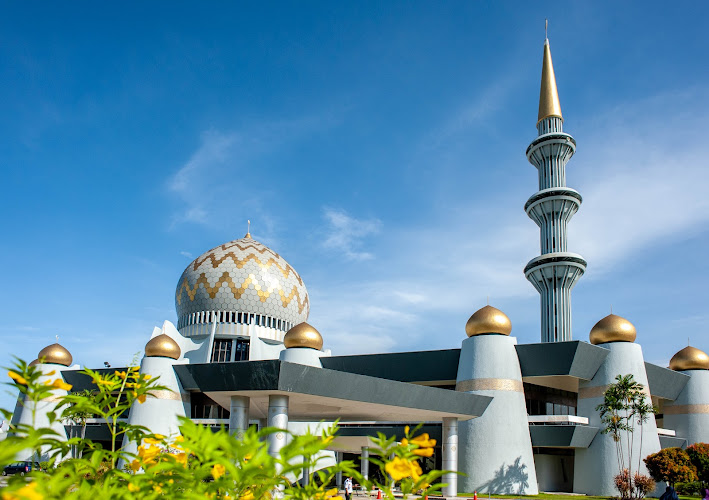
The Sabah State Mosque stands as one of Kota Kinabalu's most recognizable landmarks, and honestly, it's hard to miss when you're exploring the city center. Completed back in 1975, this architectural gem blends contemporary Islamic design with traditional elements in a way that still feels fresh and relevant nearly five decades later. The mosque can accommodate up to 5,000 worshippers at once, which gives you an idea of its sheer scale and importance to the local Muslim community. But what really strikes visitors first is the building's distinctive golden dome that catches the sunlight beautifully throughout the day. The mosque serves both as an active place of worship and a significant tourist attraction, welcoming non-Muslim visitors outside of prayer times. I remember when I first saw photographs of it years ago – the way the structure seemed to float above the surrounding landscape with its pristine white walls and elegant minarets really captured my imagination. The mosque isn't just about religious significance, though that's certainly its primary purpose. It's become a symbol of Sabah's cultural identity and represents the harmonious blend of tradition and modernity that defines so much of Malaysian Borneo. The architecture draws inspiration from classic Islamic design while incorporating contemporary elements that were quite progressive for the mid-1970s. For travelers interested in religious architecture or those simply seeking beautiful photo opportunities, this place delivers on multiple levels. What makes the Sabah State Mosque particularly special is how it welcomes visitors from all backgrounds. The mosque authorities understand that cultural exchange and education are valuable, so they've created an environment where respectful tourists can learn about Islamic practices and admire the craftsmanship that went into creating this spiritual space.

Key Features

The Sabah State Mosque offers several distinctive features that make it worth adding to your Kota Kinabalu itinerary: • The stunning golden dome dominates the skyline and serves as a navigational landmark throughout the city center. It's particularly photogenic during golden hour when the setting sun amplifies its warm tones. • Spacious prayer halls adorned with beautiful Islamic calligraphy and geometric patterns that showcase traditional artistry. The main prayer hall feels surprisingly serene despite its capacity to hold thousands of people. • Well-maintained grounds with manicured gardens that provide peaceful walking areas. These gardens offer lovely spots for quiet reflection away from the busier parts of the city. • Complete wheelchair accessibility including entrance ramps, parking facilities, and restroom accommodations. This thoughtful design makes the mosque welcoming to visitors of all physical abilities. • Clean, modern restroom facilities that are well-maintained throughout the day – something travelers definitely appreciate when exploring the city. • Traditional Islamic architectural elements like pointed arches and intricate tile work that create stunning visual details worth examining up close. • An elevated position that provides some nice views of the surrounding cityscape and gives the mosque a commanding presence. • Educational opportunities for visitors curious about Islamic faith and practices, with mosque staff generally happy to answer respectful questions outside prayer times.

Best Time to Visit

Timing your visit to the Sabah State Mosque correctly can really enhance your experience, and there's a few things worth considering here. The mosque is open to non-Muslim visitors outside of the five daily prayer times, so you'll want to plan around that schedule. Generally speaking, the best window for tourist visits is between 9:00 AM and 11:30 AM, and then again from 2:30 PM to 3:30 PM. These times let you explore without interrupting worshippers. Friday afternoons are particularly busy since that's when the main weekly congregational prayers happen, so maybe skip Fridays if you're looking for a quieter, more contemplative visit. I'd suggest weekday mornings if you want to avoid crowds altogether – you'll have more space to appreciate the architecture and take photographs without dozens of other tourists in every shot. Weather-wise, Kota Kinabalu doesn't really have a bad season since it's tropical year-round, but the drier months from March to October tend to be more comfortable for exploring. The morning hours before 11 AM are cooler and the light is absolutely gorgeous for photography. And honestly, there's something magical about seeing the mosque in early morning light when the city is just waking up. If you're visiting during Ramadan, the atmosphere becomes especially spiritual and meaningful, though access for tourists might be more restricted. The evenings during this holy month see the mosque beautifully illuminated, creating fantastic photo opportunities from the outside even if you can't enter. Sunset visits can be spectacular too, as the golden dome seems to glow even more intensely against the changing sky colors. Just make sure you've checked the prayer schedule so you're not caught off-guard and asked to leave mid-visit.

How to Get There

Getting to the Sabah State Mosque is refreshingly straightforward, which isn't always the case with tourist attractions in Southeast Asia. The mosque sits right in the city center, making it accessible through multiple transportation options depending on your budget and preferences. If you're staying anywhere in central Kota Kinabalu, the mosque is probably within walking distance. From the waterfront area or Gaya Street, it's roughly a 15-20 minute walk, though you'll definitely feel the tropical heat. Bring water and maybe an umbrella for shade because the sun here doesn't mess around. Taxis are readily available throughout Kota Kinabalu, and most drivers know exactly where the mosque is – just say "Masjid Negeri" (State Mosque in Malay) if there's any confusion. Agree on the fare before starting your journey, or insist on using the meter. A taxi from most hotels in the city center shouldn't cost more than RM 10-15. Ride-hailing apps like Grab work excellently in Kota Kinabalu and often provide better value than traditional taxis. The app automatically handles pricing and navigation, eliminating the hassle of fare negotiations. Plus, you'll have a clear record of your journey. For budget-conscious travelers, local buses serve the area around the mosque. Routes change periodically, so ask at your accommodation about current bus options. The fare is incredibly cheap – usually just a couple of ringgit – though you might need to walk a bit from the bus stop. If you've rented a car for exploring Sabah more broadly, there's parking available at the mosque including designated wheelchair-accessible spots. The roads around the mosque are well-signed, and GPS navigation works reliably in this part of the city.

Tips for Visiting

Visiting a mosque requires some cultural awareness and preparation, but don't let that intimidate you – it's actually pretty straightforward once you know the basics. First and most important: dress modestly. For women, this means covering your hair with a scarf, and ensuring arms and legs are covered. Long pants or skirts below the knee work well, plus a long-sleeved top. Men should wear long pants and avoid sleeveless shirts. The mosque does provide robes for visitors who arrive unprepared, but bringing appropriate clothing shows respect and saves time. Remove your shoes before entering the prayer areas – you'll see designated spots for footwear. And keep them organized so you can find them easily when leaving (I've seen too many tourists frantically searching for their shoes while holding up others). Photography is generally permitted, but always ask permission before photographing people, especially women. Some areas might have photography restrictions during certain times, so look for signs or ask staff if you're unsure. Be discreet and respectful with your camera – this isn't a theme park, it's an active religious site. Visit outside prayer times to avoid disrupting worshippers. Prayer times change slightly throughout the year based on the Islamic calendar and sun position, so check the current schedule. If you accidentally arrive during prayer time, wait quietly at the entrance or return later. Non-Muslims typically aren't allowed in certain areas during prayers, and that's perfectly reasonable. Use this time to explore the exterior grounds or enjoy the gardens. The outside of the mosque is beautiful in its own right. Bring a plastic bag for carrying your shoes if you want to explore different areas – some visitors prefer this to leaving expensive footwear unattended. Keep your voice down inside the mosque and on the grounds. Even when the space isn't being used for active prayer, it's a contemplative environment. If you have questions about Islamic practices or the mosque's history, staff and volunteers are usually happy to share knowledge with respectful, genuinely curious visitors. These conversations can be the highlight of your visit, offering insights you won't get from guidebooks. Consider visiting during weekday mornings for a more peaceful experience with fewer tour groups. The mosque sees significant tourist traffic, especially when cruise ships are in port, so timing matters if crowds bother you. Remember to stay hydrated – Kota Kinabalu's heat and humidity can sneak up on you, and wandering around a large mosque compound requires more walking than you might expect. There are usually small shops nearby where you can grab water. Finally, approach your visit with genuine openness and respect. This isn't just a pretty building to check off your list – it's a living spiritual center important to thousands of people. That mindful attitude will enrich your experience and ensure you're a welcome guest rather than an intrusive tourist.

Key Features

  • Honeycomb-clad onion-shaped golden dome
  • 215-foot minaret inspired by major Islamic sites
  • Reflective pools and landscaped courtyards
  • Separate women's balcony with dedicated space
  • Prominent waterfront-adjacent setting ideal for sunset views

More Details

Updated January 17, 2026

Description

The Sabah State Mosque stands as one of Kota Kinabalu’s most recognizable landmarks, and honestly, it’s hard to miss when you’re exploring the city center. Completed back in 1975, this architectural gem blends contemporary Islamic design with traditional elements in a way that still feels fresh and relevant nearly five decades later. The mosque can accommodate up to 5,000 worshippers at once, which gives you an idea of its sheer scale and importance to the local Muslim community.

But what really strikes visitors first is the building’s distinctive golden dome that catches the sunlight beautifully throughout the day. The mosque serves both as an active place of worship and a significant tourist attraction, welcoming non-Muslim visitors outside of prayer times. I remember when I first saw photographs of it years ago – the way the structure seemed to float above the surrounding landscape with its pristine white walls and elegant minarets really captured my imagination.

The mosque isn’t just about religious significance, though that’s certainly its primary purpose. It’s become a symbol of Sabah’s cultural identity and represents the harmonious blend of tradition and modernity that defines so much of Malaysian Borneo. The architecture draws inspiration from classic Islamic design while incorporating contemporary elements that were quite progressive for the mid-1970s. For travelers interested in religious architecture or those simply seeking beautiful photo opportunities, this place delivers on multiple levels.

What makes the Sabah State Mosque particularly special is how it welcomes visitors from all backgrounds. The mosque authorities understand that cultural exchange and education are valuable, so they’ve created an environment where respectful tourists can learn about Islamic practices and admire the craftsmanship that went into creating this spiritual space.

Key Features

The Sabah State Mosque offers several distinctive features that make it worth adding to your Kota Kinabalu itinerary:

• The stunning golden dome dominates the skyline and serves as a navigational landmark throughout the city center. It’s particularly photogenic during golden hour when the setting sun amplifies its warm tones.

• Spacious prayer halls adorned with beautiful Islamic calligraphy and geometric patterns that showcase traditional artistry. The main prayer hall feels surprisingly serene despite its capacity to hold thousands of people.

• Well-maintained grounds with manicured gardens that provide peaceful walking areas. These gardens offer lovely spots for quiet reflection away from the busier parts of the city.

• Complete wheelchair accessibility including entrance ramps, parking facilities, and restroom accommodations. This thoughtful design makes the mosque welcoming to visitors of all physical abilities.

• Clean, modern restroom facilities that are well-maintained throughout the day – something travelers definitely appreciate when exploring the city.

• Traditional Islamic architectural elements like pointed arches and intricate tile work that create stunning visual details worth examining up close.

• An elevated position that provides some nice views of the surrounding cityscape and gives the mosque a commanding presence.

• Educational opportunities for visitors curious about Islamic faith and practices, with mosque staff generally happy to answer respectful questions outside prayer times.

Best Time to Visit

Timing your visit to the Sabah State Mosque correctly can really enhance your experience, and there’s a few things worth considering here. The mosque is open to non-Muslim visitors outside of the five daily prayer times, so you’ll want to plan around that schedule. Generally speaking, the best window for tourist visits is between 9:00 AM and 11:30 AM, and then again from 2:30 PM to 3:30 PM. These times let you explore without interrupting worshippers.

Friday afternoons are particularly busy since that’s when the main weekly congregational prayers happen, so maybe skip Fridays if you’re looking for a quieter, more contemplative visit. I’d suggest weekday mornings if you want to avoid crowds altogether – you’ll have more space to appreciate the architecture and take photographs without dozens of other tourists in every shot.

Weather-wise, Kota Kinabalu doesn’t really have a bad season since it’s tropical year-round, but the drier months from March to October tend to be more comfortable for exploring. The morning hours before 11 AM are cooler and the light is absolutely gorgeous for photography. And honestly, there’s something magical about seeing the mosque in early morning light when the city is just waking up.

If you’re visiting during Ramadan, the atmosphere becomes especially spiritual and meaningful, though access for tourists might be more restricted. The evenings during this holy month see the mosque beautifully illuminated, creating fantastic photo opportunities from the outside even if you can’t enter.

Sunset visits can be spectacular too, as the golden dome seems to glow even more intensely against the changing sky colors. Just make sure you’ve checked the prayer schedule so you’re not caught off-guard and asked to leave mid-visit.

How to Get There

Getting to the Sabah State Mosque is refreshingly straightforward, which isn’t always the case with tourist attractions in Southeast Asia. The mosque sits right in the city center, making it accessible through multiple transportation options depending on your budget and preferences.

If you’re staying anywhere in central Kota Kinabalu, the mosque is probably within walking distance. From the waterfront area or Gaya Street, it’s roughly a 15-20 minute walk, though you’ll definitely feel the tropical heat. Bring water and maybe an umbrella for shade because the sun here doesn’t mess around.

Taxis are readily available throughout Kota Kinabalu, and most drivers know exactly where the mosque is – just say “Masjid Negeri” (State Mosque in Malay) if there’s any confusion. Agree on the fare before starting your journey, or insist on using the meter. A taxi from most hotels in the city center shouldn’t cost more than RM 10-15.

Ride-hailing apps like Grab work excellently in Kota Kinabalu and often provide better value than traditional taxis. The app automatically handles pricing and navigation, eliminating the hassle of fare negotiations. Plus, you’ll have a clear record of your journey.

For budget-conscious travelers, local buses serve the area around the mosque. Routes change periodically, so ask at your accommodation about current bus options. The fare is incredibly cheap – usually just a couple of ringgit – though you might need to walk a bit from the bus stop.

If you’ve rented a car for exploring Sabah more broadly, there’s parking available at the mosque including designated wheelchair-accessible spots. The roads around the mosque are well-signed, and GPS navigation works reliably in this part of the city.

Tips for Visiting

Visiting a mosque requires some cultural awareness and preparation, but don’t let that intimidate you – it’s actually pretty straightforward once you know the basics. First and most important: dress modestly. For women, this means covering your hair with a scarf, and ensuring arms and legs are covered. Long pants or skirts below the knee work well, plus a long-sleeved top. Men should wear long pants and avoid sleeveless shirts. The mosque does provide robes for visitors who arrive unprepared, but bringing appropriate clothing shows respect and saves time.

Remove your shoes before entering the prayer areas – you’ll see designated spots for footwear. And keep them organized so you can find them easily when leaving (I’ve seen too many tourists frantically searching for their shoes while holding up others).

Photography is generally permitted, but always ask permission before photographing people, especially women. Some areas might have photography restrictions during certain times, so look for signs or ask staff if you’re unsure. Be discreet and respectful with your camera – this isn’t a theme park, it’s an active religious site.

Visit outside prayer times to avoid disrupting worshippers. Prayer times change slightly throughout the year based on the Islamic calendar and sun position, so check the current schedule. If you accidentally arrive during prayer time, wait quietly at the entrance or return later.

Non-Muslims typically aren’t allowed in certain areas during prayers, and that’s perfectly reasonable. Use this time to explore the exterior grounds or enjoy the gardens. The outside of the mosque is beautiful in its own right.

Bring a plastic bag for carrying your shoes if you want to explore different areas – some visitors prefer this to leaving expensive footwear unattended. Keep your voice down inside the mosque and on the grounds. Even when the space isn’t being used for active prayer, it’s a contemplative environment.

If you have questions about Islamic practices or the mosque’s history, staff and volunteers are usually happy to share knowledge with respectful, genuinely curious visitors. These conversations can be the highlight of your visit, offering insights you won’t get from guidebooks.

Consider visiting during weekday mornings for a more peaceful experience with fewer tour groups. The mosque sees significant tourist traffic, especially when cruise ships are in port, so timing matters if crowds bother you.

Remember to stay hydrated – Kota Kinabalu’s heat and humidity can sneak up on you, and wandering around a large mosque compound requires more walking than you might expect. There are usually small shops nearby where you can grab water.

Finally, approach your visit with genuine openness and respect. This isn’t just a pretty building to check off your list – it’s a living spiritual center important to thousands of people. That mindful attitude will enrich your experience and ensure you’re a welcome guest rather than an intrusive tourist.

Key Highlights

  • Honeycomb-clad onion-shaped golden dome
  • 215-foot minaret inspired by major Islamic sites
  • Reflective pools and landscaped courtyards
  • Separate women’s balcony with dedicated space
  • Prominent waterfront-adjacent setting ideal for sunset views

Location

Places to Stay Near Sabah State Mosque

Find and Book a Tour

Explore More Travel Guides

No reviews found! Be the first to review!

Traveler Reviews for Sabah State Mosque

There are no reviews yet. Be the first one to write one.

Share Your Experience

Have you visited Sabah State Mosque? Help other travelers by sharing your review.

Nearby Attractions

Signal Hill Observatory Platform Kota Kinabalu Waterfront & Jesselton Point Filipino Market / Handicraft Market

Find Accommodations Nearby

Recommended Tours & Activities

Visitor Reviews

There are no reviews yet. Be the first one to write one.

Share Your Experience

Have you visited Sabah State Mosque? Help other travelers by leaving a review.