
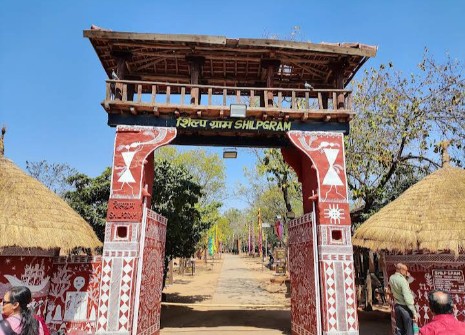
Shilpgram
About Shilpgram
Description
Shilpgram stands as one of those places that genuinely surprised me when I first heard about it - and I mean that in the best way possible. This cultural complex sprawls across acres of land and brings together traditional architecture, folk art, and living heritage in a way that feels surprisingly authentic. The concept is pretty straightforward: imagine wandering through a carefully curated village where different regional tribal communities have recreated their traditional dwellings, complete with craftspeople demonstrating age-old techniques that have been passed down through generations. What makes Shilpgram different from your typical tourist trap is that it actually serves a real purpose beyond just collecting entrance fees. The place functions as a proper rural arts and crafts complex, giving artisans from various states a platform to showcase their work and keep their traditions alive. You'll find everything from mud huts with intricate wall paintings to wooden structures that reflect the architectural styles of different tribal groups. And the folk dance performances? They're not just for show - these are actual cultural expressions that communities have preserved for centuries. The atmosphere here changes depending on when you visit. During regular days, it's relatively quiet with a handful of craftspeople working away at their trades. But during festival times, particularly the annual Shilpgram Utsav, the entire complex transforms into this bustling hub of activity with hundreds of artists converging from all over the region. I've talked to travelers who visited during both periods, and honestly, both experiences have their own charm.Key Features
The complex offers several distinct experiences that make it worth adding to your itinerary:- Traditional huts representing various tribal communities from Rajasthan, Gujarat, Maharashtra, and Goa - each one authentically constructed using regional materials and techniques
- Live demonstrations by master craftspeople working on pottery, weaving, metalwork, and other traditional crafts - you can actually watch the entire process unfold
- Cultural performances featuring folk dances and music from different ethnic groups, typically scheduled during specific times of the day
- Open-air museum sections displaying agricultural tools, household items, and artifacts that provide context to rural life across different periods
- Workshop areas where visitors can try their hand at various crafts under guidance from experienced artisans - though this availability varies
- Accessible pathways and facilities throughout the complex, making it manageable for visitors with mobility considerations
- Shopping opportunities directly from artisans, which means better prices and the satisfaction of knowing your money goes to the actual creator
- Photography-friendly environment with genuinely interesting subjects around every corner, from architectural details to colorful textile displays
- Educational exhibits explaining the significance of different craft traditions and their historical development
Best Time to Visit
Here's where timing really matters. The annual Shilpgram Utsav, usually held in late December running into early January, is when this place absolutely comes alive. We're talking about over 600 artisans from across the country setting up stalls, continuous cultural programs throughout the day, and an energy level that's completely different from regular days. If you're someone who loves festivals and doesn't mind crowds, this is your window. But - and this is important - if you prefer a more relaxed, contemplative experience where you can actually have meaningful conversations with artisans without fighting through throngs of people, visit during the off-season months. October through March generally offers pleasant weather without the festival madness. The temperature during these months hovers in a comfortable range, making it easy to spend several hours walking around the outdoor complex. Summer months from April to June can be brutally hot, and I really wouldn't recommend planning your visit during this period unless you have no other option. The monsoon season brings some relief temperature-wise, but the outdoor nature of Shilpgram means rain can seriously damper your experience - literally. Weekdays tend to be quieter than weekends regardless of the season. If you've got flexibility in your schedule, a Tuesday or Wednesday visit might give you more personal space and better interaction opportunities with the craftspeople. Early mornings right after opening time offer the best light for photography and fewer visitors competing for attention.How to Get There
Getting to Shilpgram is pretty straightforward once you're in Udaipur, which is the nearest major city. The complex sits just a few kilometers west of the city center, making it an easy half-day or full-day excursion depending on your interest level. Auto-rickshaws are probably the most common way travelers reach Shilpgram from central Udaipur. The ride takes about twenty to thirty minutes depending on traffic, and drivers are generally familiar with the location. Just make sure you agree on the fare before starting your journey - or insist on using the meter if it's working, which in my experience is about a fifty-fifty proposition. Taxi services, both traditional and app-based, offer a more comfortable option if you're traveling with family or just prefer air-conditioned comfort. The cost difference isn't dramatic enough to skip this option if convenience matters to you. Local buses do run routes that stop near Shilpgram, though you'll need to ask locals about current schedules since these tend to change. This budget-friendly option works well if you've got time and enjoy mixing with local commuters. If you've rented a car or scooter during your Udaipur stay, you'll find parking facilities available at the complex. The roads are decent, and the route is well-marked enough that you shouldn't have trouble finding your way. For those flying in specifically to visit, the nearest airport is Maharana Pratap Airport in Udaipur, located about 25 kilometers away. Most visitors combine Shilpgram with other Udaipur attractions as part of a broader Rajasthan itinerary rather than making it a standalone destination.Tips for Visiting
Wear comfortable walking shoes - this isn't optional. The complex covers significant ground, and you'll be on your feet for hours if you want to see everything properly. Those fashionable but impractical sandals will leave you with blisters and regrets. Bring a water bottle because staying hydrated matters, especially if you're visiting during warmer months. There are facilities onsite, but having your own supply keeps you from having to hunt down refreshments every time you're thirsty. Cash comes in handy here even though the complex accepts debit cards and mobile payments. Many individual artisans still prefer cash transactions, and having smaller denominations makes purchases smoother. Bargaining is generally acceptable when buying crafts, but keep it respectful - these are skilled artisans, not mass-market vendors. Photography enthusiasts should arrive with fully charged batteries and empty memory cards. The visual opportunities here are genuinely compelling, from architectural details to candid shots of craftspeople at work. Most artisans don't mind being photographed, but asking permission first is just basic courtesy and often leads to better shots anyway since they'll pose or demonstrate their craft for you. Plan at least three to four hours for your visit if you want to properly appreciate what Shilpgram offers. Rushing through defeats the purpose. This isn't a place where you tick boxes and move on - it's somewhere to slow down and actually observe. The cultural performances follow set schedules, so check timings when you arrive and plan your wandering accordingly. Missing the folk dance shows means missing one of the highlights. Food options exist within the complex, but they're fairly basic. If you've got specific dietary requirements or preferences, eating beforehand might be smarter. That said, trying whatever snacks are available can be part of the cultural experience. Kids generally enjoy Shilpgram more than you might expect. The open spaces let them move around freely, and watching craftspeople work holds their attention better than static museum exhibits. The complex is genuinely family-friendly with accessible restrooms and facilities that make visits with children manageable. If you're serious about purchasing crafts, take time to compare quality and prices across different artisans before committing to expensive items. The advantage of having multiple craftspeople in one location is that you can make informed decisions. Consider visiting during both a festival period and a regular day if your itinerary allows. The contrast gives you two completely different perspectives on what Shilpgram represents and offers.Key Features
- Traditional huts representing various tribal communities from Rajasthan, Gujarat, Maharashtra, and Goa - each one authentically constructed using regional materials and techniques
- Live demonstrations by master craftspeople working on pottery, weaving, metalwork, and other traditional crafts - you can actually watch the entire process unfold
- Cultural performances featuring folk dances and music from different ethnic groups, typically scheduled during specific times of the day
- Open-air museum sections displaying agricultural tools, household items, and artifacts that provide context to rural life across different periods
- Workshop areas where visitors can try their hand at various crafts under guidance from experienced artisans - though this availability varies
- Accessible pathways and facilities throughout the complex, making it manageable for visitors with mobility considerations
- Shopping opportunities directly from artisans, which means better prices and the satisfaction of knowing your money goes to the actual creator
- Photography-friendly environment with genuinely interesting subjects around every corner, from architectural details to colorful textile displays
More Details
Updated January 17, 2026
Description
Shilpgram stands as one of those places that genuinely surprised me when I first heard about it – and I mean that in the best way possible. This cultural complex sprawls across acres of land and brings together traditional architecture, folk art, and living heritage in a way that feels surprisingly authentic. The concept is pretty straightforward: imagine wandering through a carefully curated village where different regional tribal communities have recreated their traditional dwellings, complete with craftspeople demonstrating age-old techniques that have been passed down through generations.
What makes Shilpgram different from your typical tourist trap is that it actually serves a real purpose beyond just collecting entrance fees. The place functions as a proper rural arts and crafts complex, giving artisans from various states a platform to showcase their work and keep their traditions alive. You’ll find everything from mud huts with intricate wall paintings to wooden structures that reflect the architectural styles of different tribal groups. And the folk dance performances? They’re not just for show – these are actual cultural expressions that communities have preserved for centuries.
The atmosphere here changes depending on when you visit. During regular days, it’s relatively quiet with a handful of craftspeople working away at their trades. But during festival times, particularly the annual Shilpgram Utsav, the entire complex transforms into this bustling hub of activity with hundreds of artists converging from all over the region. I’ve talked to travelers who visited during both periods, and honestly, both experiences have their own charm.
Key Features
The complex offers several distinct experiences that make it worth adding to your itinerary:
- Traditional huts representing various tribal communities from Rajasthan, Gujarat, Maharashtra, and Goa – each one authentically constructed using regional materials and techniques
- Live demonstrations by master craftspeople working on pottery, weaving, metalwork, and other traditional crafts – you can actually watch the entire process unfold
- Cultural performances featuring folk dances and music from different ethnic groups, typically scheduled during specific times of the day
- Open-air museum sections displaying agricultural tools, household items, and artifacts that provide context to rural life across different periods
- Workshop areas where visitors can try their hand at various crafts under guidance from experienced artisans – though this availability varies
- Accessible pathways and facilities throughout the complex, making it manageable for visitors with mobility considerations
- Shopping opportunities directly from artisans, which means better prices and the satisfaction of knowing your money goes to the actual creator
- Photography-friendly environment with genuinely interesting subjects around every corner, from architectural details to colorful textile displays
- Educational exhibits explaining the significance of different craft traditions and their historical development
Best Time to Visit
Here’s where timing really matters. The annual Shilpgram Utsav, usually held in late December running into early January, is when this place absolutely comes alive. We’re talking about over 600 artisans from across the country setting up stalls, continuous cultural programs throughout the day, and an energy level that’s completely different from regular days. If you’re someone who loves festivals and doesn’t mind crowds, this is your window.
But – and this is important – if you prefer a more relaxed, contemplative experience where you can actually have meaningful conversations with artisans without fighting through throngs of people, visit during the off-season months. October through March generally offers pleasant weather without the festival madness. The temperature during these months hovers in a comfortable range, making it easy to spend several hours walking around the outdoor complex.
Summer months from April to June can be brutally hot, and I really wouldn’t recommend planning your visit during this period unless you have no other option. The monsoon season brings some relief temperature-wise, but the outdoor nature of Shilpgram means rain can seriously damper your experience – literally.
Weekdays tend to be quieter than weekends regardless of the season. If you’ve got flexibility in your schedule, a Tuesday or Wednesday visit might give you more personal space and better interaction opportunities with the craftspeople. Early mornings right after opening time offer the best light for photography and fewer visitors competing for attention.
How to Get There
Getting to Shilpgram is pretty straightforward once you’re in Udaipur, which is the nearest major city. The complex sits just a few kilometers west of the city center, making it an easy half-day or full-day excursion depending on your interest level.
Auto-rickshaws are probably the most common way travelers reach Shilpgram from central Udaipur. The ride takes about twenty to thirty minutes depending on traffic, and drivers are generally familiar with the location. Just make sure you agree on the fare before starting your journey – or insist on using the meter if it’s working, which in my experience is about a fifty-fifty proposition.
Taxi services, both traditional and app-based, offer a more comfortable option if you’re traveling with family or just prefer air-conditioned comfort. The cost difference isn’t dramatic enough to skip this option if convenience matters to you.
Local buses do run routes that stop near Shilpgram, though you’ll need to ask locals about current schedules since these tend to change. This budget-friendly option works well if you’ve got time and enjoy mixing with local commuters.
If you’ve rented a car or scooter during your Udaipur stay, you’ll find parking facilities available at the complex. The roads are decent, and the route is well-marked enough that you shouldn’t have trouble finding your way.
For those flying in specifically to visit, the nearest airport is Maharana Pratap Airport in Udaipur, located about 25 kilometers away. Most visitors combine Shilpgram with other Udaipur attractions as part of a broader Rajasthan itinerary rather than making it a standalone destination.
Tips for Visiting
Wear comfortable walking shoes – this isn’t optional. The complex covers significant ground, and you’ll be on your feet for hours if you want to see everything properly. Those fashionable but impractical sandals will leave you with blisters and regrets.
Bring a water bottle because staying hydrated matters, especially if you’re visiting during warmer months. There are facilities onsite, but having your own supply keeps you from having to hunt down refreshments every time you’re thirsty.
Cash comes in handy here even though the complex accepts debit cards and mobile payments. Many individual artisans still prefer cash transactions, and having smaller denominations makes purchases smoother. Bargaining is generally acceptable when buying crafts, but keep it respectful – these are skilled artisans, not mass-market vendors.
Photography enthusiasts should arrive with fully charged batteries and empty memory cards. The visual opportunities here are genuinely compelling, from architectural details to candid shots of craftspeople at work. Most artisans don’t mind being photographed, but asking permission first is just basic courtesy and often leads to better shots anyway since they’ll pose or demonstrate their craft for you.
Plan at least three to four hours for your visit if you want to properly appreciate what Shilpgram offers. Rushing through defeats the purpose. This isn’t a place where you tick boxes and move on – it’s somewhere to slow down and actually observe.
The cultural performances follow set schedules, so check timings when you arrive and plan your wandering accordingly. Missing the folk dance shows means missing one of the highlights.
Food options exist within the complex, but they’re fairly basic. If you’ve got specific dietary requirements or preferences, eating beforehand might be smarter. That said, trying whatever snacks are available can be part of the cultural experience.
Kids generally enjoy Shilpgram more than you might expect. The open spaces let them move around freely, and watching craftspeople work holds their attention better than static museum exhibits. The complex is genuinely family-friendly with accessible restrooms and facilities that make visits with children manageable.
If you’re serious about purchasing crafts, take time to compare quality and prices across different artisans before committing to expensive items. The advantage of having multiple craftspeople in one location is that you can make informed decisions.
Consider visiting during both a festival period and a regular day if your itinerary allows. The contrast gives you two completely different perspectives on what Shilpgram represents and offers.
Key Highlights
- Traditional huts representing various tribal communities from Rajasthan, Gujarat, Maharashtra, and Goa – each one authentically constructed using regional materials and techniques
- Live demonstrations by master craftspeople working on pottery, weaving, metalwork, and other traditional crafts – you can actually watch the entire process unfold
- Cultural performances featuring folk dances and music from different ethnic groups, typically scheduled during specific times of the day
- Open-air museum sections displaying agricultural tools, household items, and artifacts that provide context to rural life across different periods
- Workshop areas where visitors can try their hand at various crafts under guidance from experienced artisans – though this availability varies
- Accessible pathways and facilities throughout the complex, making it manageable for visitors with mobility considerations
- Shopping opportunities directly from artisans, which means better prices and the satisfaction of knowing your money goes to the actual creator
- Photography-friendly environment with genuinely interesting subjects around every corner, from architectural details to colorful textile displays
Location
Places to Stay Near Shilpgram
Find and Book a Tour
Explore More Travel Guides
No reviews found! Be the first to review!
Traveler Reviews for Shilpgram
There are no reviews yet. Be the first one to write one.
Have you visited Shilpgram? Help other travelers by sharing your review.
You Might Also Like

Udaipur Solar Observatory

Rajiv Gandhi Garden
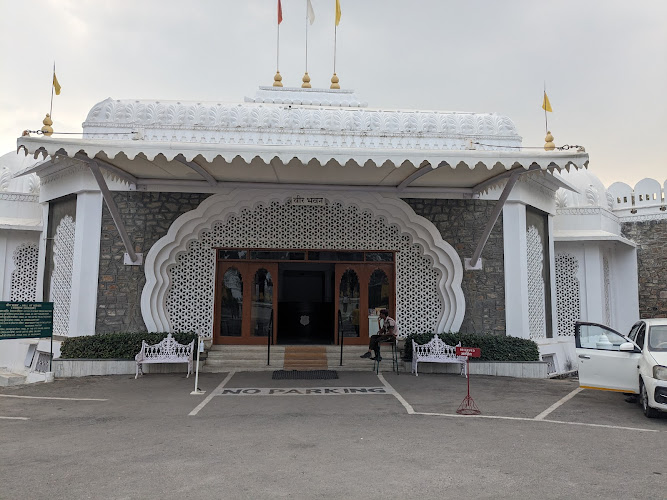
Hall Of Heroes
Find Accommodations Nearby
Recommended Tours & Activities
Visitor Reviews
There are no reviews yet. Be the first one to write one.
Share Your Experience
Have you visited Shilpgram? Help other travelers by leaving a review.