About Lake Pichola

Description

Lake Pichola stands as one of Rajasthan's most photographed bodies of water, and honestly, it's pretty easy to see why once you're standing on its shores. This artificial freshwater lake has been captivating travelers since the 14th century, when a local tribal chief had the brilliant idea to build a dam to create this now-iconic water body. And while the word "artificial" might make it sound less impressive, trust me—there's absolutely nothing second-rate about the experience of watching the sun dip behind the Aravalli Hills while you're floating on these tranquil waters. What really gets me about Lake Pichola is how it manages to feel both grand and intimate at the same time. The lake stretches across roughly four kilometers in length and three kilometers in width, which gives you plenty of space to explore without feeling like you're on some overcrowded tourist trap. The palaces that dot its islands and shoreline aren't just beautiful buildings—they're living pieces of history that tell the story of Udaipur's royal past. I remember the first time I saw the Lake Palace (Jag Niwas) seemingly floating on the water's surface, and it genuinely took my breath away. It's now a luxury hotel, but even if you're not staying there, the view alone is worth the trip. The lake isn't just about pretty views though. It's actually served as Udaipur's primary water source for centuries, which makes it a vital part of the city's survival and identity. When you're gliding across its surface on a boat ride—and you absolutely should take one—you'll notice how the entire city seems to revolve around this central water body. The ghats, the temples, the palaces, everything faces toward the lake like it's the heart of Udaipur. Because, well, it basically is.

Key Features

  • Four stunning islands dot the lake, including Jag Niwas (now the famous Lake Palace Hotel) and Jag Mandir, each with its own unique architecture and fascinating history
  • Multiple traditional boat rides available throughout the day, with sunset cruises being particularly spectacular and worth every rupee you'll spend
  • Spectacular views of the City Palace complex from the water, offering photography opportunities that you simply can't get from land-based locations
  • Several historic ghats line the shores where locals still perform daily rituals and ceremonies, giving you authentic glimpses into Udaipur's living culture
  • The lake extends approximately 4 km in length and 3 km in width, though water levels fluctuate significantly depending on monsoon rainfall
  • Jag Mandir island served as a refuge for Emperor Shah Jahan during his rebellion against his father, and legend says it inspired him to build the Taj Mahal
  • Bird watching opportunities abound, especially during winter months when migratory species make the lake their temporary home
  • The Mohan Mandir temple sits in the northeast corner, built from exquisitely carved stones and still used for worship today
  • Multiple vantage points around the lake offer different perspectives, from rooftop restaurants to quiet garden spots perfect for contemplation
  • Traditional Rajasthani cultural performances often take place on evening boat cruises, featuring folk music and dance that adds atmosphere to your experience

Best Time to Visit

Here's the thing about timing your visit to Lake Pichola—it really does matter more than you might think. I've seen this lake during different seasons, and the experience varies dramatically depending on when you show up. October through March is hands-down the sweet spot for visiting. The weather during these months is absolutely gorgeous, with temperatures ranging between 10 to 25 degrees Celsius. You can actually enjoy a boat ride without feeling like you're melting into a puddle, which is definitely a plus. The winter months also bring the lake to its most photogenic levels, assuming the monsoon was decent. Plus, the clear skies mean those sunset boat rides will deliver exactly the magical experience you're hoping for. But here's something most guidebooks won't tell you—don't completely write off the monsoon season if you're the adventurous type. July through September brings rain that fills the lake to its brim, making it look absolutely majestic. The surrounding hills turn emerald green, and there's this incredible freshness in the air. Sure, you might have to dodge some rain showers, and boat rides can get cancelled if the weather turns nasty. But when it clears up? The reflections on the water are absolutely stunning, and you'll have far fewer tourists competing for space. Summer months from April to June are honestly tough. Temperatures can soar above 40 degrees Celsius, and the lake levels often drop significantly, which affects both the aesthetics and the boat ride availability. I made the mistake of visiting in May once, and yeah, it wasn't my finest decision. The heat was brutal, though I will say the early morning hours were still somewhat enjoyable. For the absolute best experience, aim for late October or February. You'll get pleasant weather, decent water levels, and the lake comes alive during these months with both tourists and locals enjoying the waterfront. The light during these months is particularly beautiful for photography too.

How to Get There

Getting to Lake Pichola is refreshingly straightforward since it's literally the centerpiece of Udaipur city. The lake sits right in the heart of town, so once you're in Udaipur, you're basically already there. If you're flying in, Maharana Pratap Airport is your destination, located about 22 kilometers from the lake. The airport handles domestic flights from major Indian cities like Delhi, Mumbai, and Jaipur. From there, you've got several options. Pre-paid taxis are available at the airport and will get you to the lake area in roughly 45 minutes to an hour, depending on traffic. Expect to pay around 600-800 rupees for this ride. Auto-rickshaws are cheaper but make sure to negotiate the fare before getting in, or insist they use the meter. Train travel is actually my preferred way to reach Udaipur. The Udaipur City Railway Station connects to most major Indian cities, and there's something romantic about arriving by train to this romantic city. The station is only about 3 kilometers from Lake Pichola, making it super convenient. You can grab an auto-rickshaw for around 100-150 rupees, or if you're not hauling too much luggage, it's actually a pleasant walk through the old city streets. For those coming by road, Udaipur is well-connected by both government and private buses. The main bus stand is located near the railway station, putting you close to the lake. Rajasthan State Road Transport Corporation runs regular services, and luxury private coaches are available from cities like Jaipur (about 6-7 hours), Jodhpur (about 5 hours), and Ahmedabad (about 4 hours). Once you're in Udaipur, navigating to different ghats and boat ride starting points is easy. The city isn't huge, and most hotels are within walking distance of at least one access point to the lake. Local auto-rickshaws are abundant and cheap—just be prepared to negotiate. I've found that walking around the lake's perimeter is actually one of the best ways to explore, letting you discover hidden viewpoints and quieter ghats that tour groups typically miss.

Tips for Visiting

After spending considerable time around Lake Pichola over the years, I've picked up some insights that'll help you make the most of your visit. And honestly, some of these I learned the hard way, so you're welcome in advance. First off, book your sunset boat ride tickets earlier in the day, not when you actually want to go. I can't stress this enough. These cruises are ridiculously popular, and they do sell out, especially during peak season. Multiple operators run boats, with prices varying based on the type of vessel and whether cultural performances are included. Government-run boats are cheaper (around 400-600 rupees) but can be crowded. Private operators charge more (800-1500 rupees) but offer better experiences with smaller groups and sometimes include cultural programs. Dress appropriately, particularly if you plan to visit any of the temples or religious sites around the lake. Modest clothing is respectful and sometimes required. Also, bring layers even during cooler months—it can get surprisingly chilly on the water once the sun goes down. Don't just stick to the main ghats that everyone flocks to. Ambrai Ghat and Gangaur Ghat are beautiful, sure, but venture to smaller, less-traveled ghats for a more authentic experience. I've found some of my favorite photo spots and peaceful moments at these lesser-known locations where locals go about their daily routines without tourist crowds breathing down their necks. Carry a good camera, obviously, but more importantly, bring extra batteries and memory cards. The photographic opportunities are endless, and your phone battery will drain faster than you expect. The golden hour light here is absolutely spectacular, and you'll kick yourself if your camera dies right when that perfect shot presents itself. Be mindful of water levels before you visit. Seriously check this out. The lake can shrink dramatically during dry periods, and I've heard from disappointed travelers who arrived to find much of the lake bed exposed. Local news sources or your hotel can give you current status reports. Haggling is expected when dealing with boat operators, souvenir sellers, and auto-rickshaw drivers. Don't feel bad about negotiating—it's part of the culture. But also be reasonable and fair. These folks are making a living, and paying an extra 50 rupees isn't going to break your bank but might mean a lot to them. Try visiting early morning if crowds aren't your thing. The lake takes on a completely different character at sunrise, with mist sometimes hovering over the water and far fewer people around. It's peaceful, meditative even, and you'll get to see locals performing morning rituals and prayers at the ghats. Watch your belongings, especially on crowded boat rides and busy ghats. Udaipur is generally safe, but opportunistic theft can happen anywhere tourists congregate. Keep valuables secure and be aware of your surroundings. Finally, take time to just sit and absorb the atmosphere without constantly chasing the next photo or rushing to the next viewpoint. Lake Pichola rewards those who slow down and actually experience it rather than just checking it off a list. Find a quiet spot, maybe grab some chai from a nearby stall, and watch how the light changes on the water. That's when the lake reveals its real magic—not in the grand palaces or organized tours, but in those quiet, unplanned moments when you're simply present.

Key Features

  • Historic artificial lake dating to the 14th century, expanded by Mewar rulers
  • Iconic islands: Jag Niwas (Lake Palace) and Jag Mandir
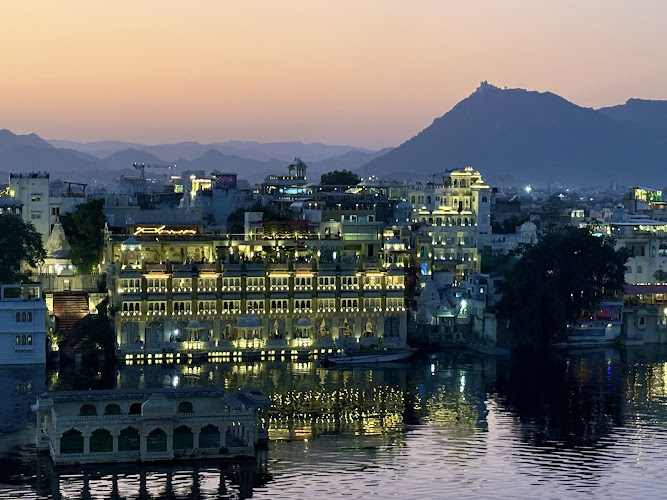
  • Spectacular views of City Palace and waterfront havelis reflected on water
  • Popular sunset boat rides and photography opportunities
  • Proximity to heritage hotels, rooftop restaurants and temple ghats

More Details

Updated January 17, 2026

Description

Lake Pichola stands as one of Rajasthan’s most photographed bodies of water, and honestly, it’s pretty easy to see why once you’re standing on its shores. This artificial freshwater lake has been captivating travelers since the 14th century, when a local tribal chief had the brilliant idea to build a dam to create this now-iconic water body. And while the word “artificial” might make it sound less impressive, trust me—there’s absolutely nothing second-rate about the experience of watching the sun dip behind the Aravalli Hills while you’re floating on these tranquil waters.

What really gets me about Lake Pichola is how it manages to feel both grand and intimate at the same time. The lake stretches across roughly four kilometers in length and three kilometers in width, which gives you plenty of space to explore without feeling like you’re on some overcrowded tourist trap. The palaces that dot its islands and shoreline aren’t just beautiful buildings—they’re living pieces of history that tell the story of Udaipur’s royal past. I remember the first time I saw the Lake Palace (Jag Niwas) seemingly floating on the water’s surface, and it genuinely took my breath away. It’s now a luxury hotel, but even if you’re not staying there, the view alone is worth the trip.

The lake isn’t just about pretty views though. It’s actually served as Udaipur’s primary water source for centuries, which makes it a vital part of the city’s survival and identity. When you’re gliding across its surface on a boat ride—and you absolutely should take one—you’ll notice how the entire city seems to revolve around this central water body. The ghats, the temples, the palaces, everything faces toward the lake like it’s the heart of Udaipur. Because, well, it basically is.

Key Features

  • Four stunning islands dot the lake, including Jag Niwas (now the famous Lake Palace Hotel) and Jag Mandir, each with its own unique architecture and fascinating history
  • Multiple traditional boat rides available throughout the day, with sunset cruises being particularly spectacular and worth every rupee you’ll spend
  • Spectacular views of the City Palace complex from the water, offering photography opportunities that you simply can’t get from land-based locations
  • Several historic ghats line the shores where locals still perform daily rituals and ceremonies, giving you authentic glimpses into Udaipur’s living culture
  • The lake extends approximately 4 km in length and 3 km in width, though water levels fluctuate significantly depending on monsoon rainfall
  • Jag Mandir island served as a refuge for Emperor Shah Jahan during his rebellion against his father, and legend says it inspired him to build the Taj Mahal
  • Bird watching opportunities abound, especially during winter months when migratory species make the lake their temporary home
  • The Mohan Mandir temple sits in the northeast corner, built from exquisitely carved stones and still used for worship today
  • Multiple vantage points around the lake offer different perspectives, from rooftop restaurants to quiet garden spots perfect for contemplation
  • Traditional Rajasthani cultural performances often take place on evening boat cruises, featuring folk music and dance that adds atmosphere to your experience

Best Time to Visit

Here’s the thing about timing your visit to Lake Pichola—it really does matter more than you might think. I’ve seen this lake during different seasons, and the experience varies dramatically depending on when you show up.

October through March is hands-down the sweet spot for visiting. The weather during these months is absolutely gorgeous, with temperatures ranging between 10 to 25 degrees Celsius. You can actually enjoy a boat ride without feeling like you’re melting into a puddle, which is definitely a plus. The winter months also bring the lake to its most photogenic levels, assuming the monsoon was decent. Plus, the clear skies mean those sunset boat rides will deliver exactly the magical experience you’re hoping for.

But here’s something most guidebooks won’t tell you—don’t completely write off the monsoon season if you’re the adventurous type. July through September brings rain that fills the lake to its brim, making it look absolutely majestic. The surrounding hills turn emerald green, and there’s this incredible freshness in the air. Sure, you might have to dodge some rain showers, and boat rides can get cancelled if the weather turns nasty. But when it clears up? The reflections on the water are absolutely stunning, and you’ll have far fewer tourists competing for space.

Summer months from April to June are honestly tough. Temperatures can soar above 40 degrees Celsius, and the lake levels often drop significantly, which affects both the aesthetics and the boat ride availability. I made the mistake of visiting in May once, and yeah, it wasn’t my finest decision. The heat was brutal, though I will say the early morning hours were still somewhat enjoyable.

For the absolute best experience, aim for late October or February. You’ll get pleasant weather, decent water levels, and the lake comes alive during these months with both tourists and locals enjoying the waterfront. The light during these months is particularly beautiful for photography too.

How to Get There

Getting to Lake Pichola is refreshingly straightforward since it’s literally the centerpiece of Udaipur city. The lake sits right in the heart of town, so once you’re in Udaipur, you’re basically already there.

If you’re flying in, Maharana Pratap Airport is your destination, located about 22 kilometers from the lake. The airport handles domestic flights from major Indian cities like Delhi, Mumbai, and Jaipur. From there, you’ve got several options. Pre-paid taxis are available at the airport and will get you to the lake area in roughly 45 minutes to an hour, depending on traffic. Expect to pay around 600-800 rupees for this ride. Auto-rickshaws are cheaper but make sure to negotiate the fare before getting in, or insist they use the meter.

Train travel is actually my preferred way to reach Udaipur. The Udaipur City Railway Station connects to most major Indian cities, and there’s something romantic about arriving by train to this romantic city. The station is only about 3 kilometers from Lake Pichola, making it super convenient. You can grab an auto-rickshaw for around 100-150 rupees, or if you’re not hauling too much luggage, it’s actually a pleasant walk through the old city streets.

For those coming by road, Udaipur is well-connected by both government and private buses. The main bus stand is located near the railway station, putting you close to the lake. Rajasthan State Road Transport Corporation runs regular services, and luxury private coaches are available from cities like Jaipur (about 6-7 hours), Jodhpur (about 5 hours), and Ahmedabad (about 4 hours).

Once you’re in Udaipur, navigating to different ghats and boat ride starting points is easy. The city isn’t huge, and most hotels are within walking distance of at least one access point to the lake. Local auto-rickshaws are abundant and cheap—just be prepared to negotiate. I’ve found that walking around the lake’s perimeter is actually one of the best ways to explore, letting you discover hidden viewpoints and quieter ghats that tour groups typically miss.

Tips for Visiting

After spending considerable time around Lake Pichola over the years, I’ve picked up some insights that’ll help you make the most of your visit. And honestly, some of these I learned the hard way, so you’re welcome in advance.

First off, book your sunset boat ride tickets earlier in the day, not when you actually want to go. I can’t stress this enough. These cruises are ridiculously popular, and they do sell out, especially during peak season. Multiple operators run boats, with prices varying based on the type of vessel and whether cultural performances are included. Government-run boats are cheaper (around 400-600 rupees) but can be crowded. Private operators charge more (800-1500 rupees) but offer better experiences with smaller groups and sometimes include cultural programs.

Dress appropriately, particularly if you plan to visit any of the temples or religious sites around the lake. Modest clothing is respectful and sometimes required. Also, bring layers even during cooler months—it can get surprisingly chilly on the water once the sun goes down.

Don’t just stick to the main ghats that everyone flocks to. Ambrai Ghat and Gangaur Ghat are beautiful, sure, but venture to smaller, less-traveled ghats for a more authentic experience. I’ve found some of my favorite photo spots and peaceful moments at these lesser-known locations where locals go about their daily routines without tourist crowds breathing down their necks.

Carry a good camera, obviously, but more importantly, bring extra batteries and memory cards. The photographic opportunities are endless, and your phone battery will drain faster than you expect. The golden hour light here is absolutely spectacular, and you’ll kick yourself if your camera dies right when that perfect shot presents itself.

Be mindful of water levels before you visit. Seriously check this out. The lake can shrink dramatically during dry periods, and I’ve heard from disappointed travelers who arrived to find much of the lake bed exposed. Local news sources or your hotel can give you current status reports.

Haggling is expected when dealing with boat operators, souvenir sellers, and auto-rickshaw drivers. Don’t feel bad about negotiating—it’s part of the culture. But also be reasonable and fair. These folks are making a living, and paying an extra 50 rupees isn’t going to break your bank but might mean a lot to them.

Try visiting early morning if crowds aren’t your thing. The lake takes on a completely different character at sunrise, with mist sometimes hovering over the water and far fewer people around. It’s peaceful, meditative even, and you’ll get to see locals performing morning rituals and prayers at the ghats.

Watch your belongings, especially on crowded boat rides and busy ghats. Udaipur is generally safe, but opportunistic theft can happen anywhere tourists congregate. Keep valuables secure and be aware of your surroundings.

Finally, take time to just sit and absorb the atmosphere without constantly chasing the next photo or rushing to the next viewpoint. Lake Pichola rewards those who slow down and actually experience it rather than just checking it off a list. Find a quiet spot, maybe grab some chai from a nearby stall, and watch how the light changes on the water. That’s when the lake reveals its real magic—not in the grand palaces or organized tours, but in those quiet, unplanned moments when you’re simply present.

Key Highlights

  • Historic artificial lake dating to the 14th century, expanded by Mewar rulers
  • Iconic islands: Jag Niwas (Lake Palace) and Jag Mandir
  • Spectacular views of City Palace and waterfront havelis reflected on water
  • Popular sunset boat rides and photography opportunities
  • Proximity to heritage hotels, rooftop restaurants and temple ghats

Location

Places to Stay Near Lake Pichola

Find and Book a Tour

Explore More Travel Guides

No reviews found! Be the first to review!

Traveler Reviews for Lake Pichola

There are no reviews yet. Be the first one to write one.

Share Your Experience

Have you visited Lake Pichola? Help other travelers by sharing your review.

Nearby Attractions

City Palace, Udaipur Jag Mandir Bagore Ki Haveli

Find Accommodations Nearby

Recommended Tours & Activities

Visitor Reviews

There are no reviews yet. Be the first one to write one.

Share Your Experience

Have you visited Lake Pichola? Help other travelers by leaving a review.