Jagdish Temple
About Jagdish Temple
Description
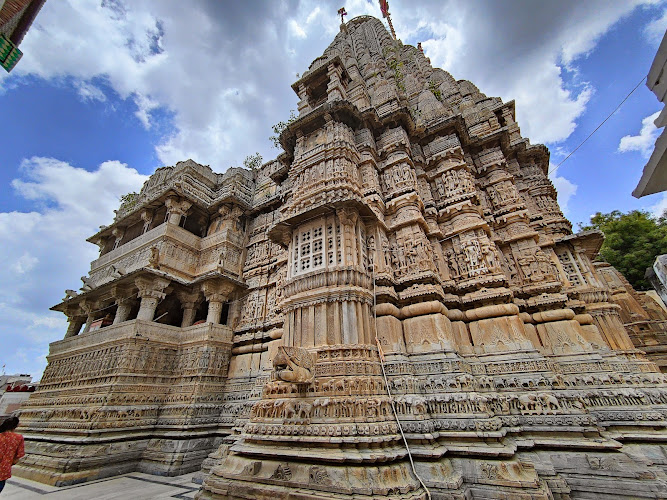
Standing in the heart of Udaipur's old city, Jagdish Temple represents one of those rare architectural marvels that actually lives up to the hype. Built in 1651 by Maharana Jagat Singh I, this Indo-Aryan temple dedicated to Lord Vishnu has been drawing pilgrims and curious travelers for nearly four centuries. And honestly, once you catch your first glimpse of its towering shikhara rising above the surrounding buildings, you'll understand why people keep coming back. The temple's facade is basically a masterclass in stone carving that would make any modern sculptor weep with envy. Every single inch seems to tell a story through intricate sculptures depicting gods, goddesses, dancers, elephants, and mythological scenes that have somehow survived the passage of time remarkably well. I remember the first time I visited, I spent almost an hour just staring at the outer walls trying to count all the different figures carved into them before giving up completely. What makes Jagdish Temple particularly special is that it's still a functioning place of worship. This isn't some museum piece behind velvet ropes - you're stepping into a living, breathing spiritual center where locals come daily to offer prayers. The smell of incense, the sound of bells ringing, and the sight of devotees performing their rituals adds an authenticity that you simply can't manufacture. It's located just a stone's throw from the City Palace, making it incredibly convenient for travelers who are already exploring Udaipur's historic quarter. The temple complex rises on a raised platform with a steep flight of stairs leading up to it, flanked by elephants carved from stone that seem to be guarding the entrance. The main shrine houses a black stone image of Lord Vishnu, and smaller shrines dedicated to Ganesh, Shiva, and Surya surround the central sanctum. The entire structure reaches about 79 feet high, which might not sound impressive by modern standards, but when you're standing beneath it looking up at the detailed spire, it feels absolutely monumental.Key Features
- The temple's three-story main structure showcases exceptional Indo-Aryan architecture with a pyramidal spire that dominates the Udaipur skyline
- Incredibly detailed stone carvings covering virtually every surface, featuring scenes from Hindu epics including the Ramayana and Mahabharata
- A black stone idol of Lord Vishnu in the main sanctum, standing about four feet tall and considered one of the finest examples of religious sculpture from that period
- Four smaller shrines positioned at the temple's corners dedicated to Ganesh, Sun God Surya, Goddess Shakti, and Lord Shiva
- The entrance stairway features beautifully carved stone elephants that have become one of the most photographed elements of the temple
- Intricately carved pillars throughout the assembly hall (mandapa) depicting dancers, musicians, and celestial beings in various poses
- Daily aarti ceremonies that occur in the morning and evening, offering visitors a chance to witness authentic Hindu worship practices
- The temple's elevated platform provides interesting vantage points of the surrounding old city neighborhood
- Brass Garuda statue facing the main shrine, positioned according to traditional Hindu temple architecture principles
- Multiple small pavilions and porches that demonstrate the architectural sophistication of 17th-century Rajput temple design
Best Time to Visit
Timing your visit to Jagdish Temple requires thinking about both weather and crowds, because believe me, both can significantly impact your experience. The absolute sweet spot falls between October and March when Udaipur's weather is actually pleasant rather than punishing. During these months, you're looking at temperatures ranging from 10 to 25 degrees Celsius, which makes climbing those steep temple stairs far less of an ordeal. If you want to experience the temple with fewer crowds, aim for early mornings between 5 AM and 7 AM. Yeah, I know that sounds painfully early when you're on vacation, but there's something magical about watching the morning aarti as the sun starts hitting those carved stone surfaces. The golden hour light does incredible things to the sandstone, and you'll actually have space to move around without bumping into tour groups every three seconds. The evening aarti around 7 PM is another popular time, and while it's definitely more crowded, the atmosphere is electric. Locals mixing with tourists, oil lamps flickering, bells ringing - it's the full sensory experience. Just be prepared to deal with larger crowds during this time, especially during peak tourist season from December through February. Avoid visiting during the scorching summer months of April through June unless you enjoy feeling like you're slowly melting. Temperatures can shoot past 40 degrees Celsius, and standing on that sun-baked stone platform while trying to appreciate intricate carvings becomes more of an endurance test than a cultural experience. The monsoon season from July to September brings relief from the heat, but the humidity can be intense and occasional downpours might interrupt your visit. Festival times like Janmashtami (celebrating Krishna's birth) and Annakut see the temple absolutely packed with devotees. It's culturally fascinating but not ideal if you want to actually examine the architectural details or take photographs without photobombing someone's prayer session. Weekdays generally see fewer visitors than weekends, though the temple maintains a steady flow of both pilgrims and tourists throughout the week.How to Get There
Getting to Jagdish Temple is refreshingly straightforward since it sits right in the middle of Udaipur's most touristy area. Most visitors staying anywhere near the old city can actually walk there, which is honestly the best approach since you'll pass through the atmospheric narrow lanes of old Udaipur on your way. If you're coming from Lake Pichola or any of the lakeside hotels, it's roughly a 10 to 15 minute walk through the bazaar streets. The temple is positioned directly behind the entrance to City Palace, so if you can find the palace (which is hard to miss), you've basically found the temple. Just look for the tall spire rising above the buildings. Auto-rickshaws are everywhere in Udaipur and drivers know Jagdish Temple well since it's one of the city's landmark attractions. From the main bus stand or railway station, you should negotiate a fare beforehand - expect to pay somewhere around 100 to 150 rupees, though prices fluctuate based on your bargaining skills and the driver's assessment of your negotiating prowess. The ride takes about 20 minutes depending on traffic conditions, which in old city Udaipur can be hilariously unpredictable. Taxis and app-based cab services like Ola and Uber operate in Udaipur, offering a slightly more comfortable but pricier option. These will drop you as close to the temple as the narrow streets allow, usually near Badi Pol or the City Palace entrance. From there it's just a short walk. Here's the thing though - the streets around Jagdish Temple aren't exactly vehicle-friendly once you get close. The lanes narrow considerably, and during busy times you might find yourself stuck in traffic jams featuring cows, motorcycles, pedestrians, and the occasional wedding procession all competing for the same three feet of road space. This is why I keep saying walking is your best bet if you're anywhere within reasonable distance. For visitors staying in newer parts of Udaipur like near Fateh Sagar Lake or the airport area, you'll definitely need motorized transport. The airport is about 22 kilometers away, so plan for a 30 to 45 minute drive depending on traffic. Many hotels offer shuttle services or can arrange transportation, which takes the guesswork out of navigation.Tips for Visiting
Let me share some practical wisdom that'll make your temple visit smoother and more enjoyable. First off, you'll need to remove your shoes before entering the temple premises. There are shoe storage facilities available for a small fee (usually 10-20 rupees), but I've found it helpful to wear easily removable shoes rather than those complicated hiking boots with seventeen laces. Socks are allowed and actually recommended since the stone floors can get surprisingly hot during midday. Dress modestly because this is an active religious site, not a fashion runway. That means covering your shoulders and knees at minimum. Shorts and tank tops will likely get you disapproving looks and possibly denied entry. I learned this the hard way wearing a sleeveless dress on my first visit and had to buy an overpriced shawl from a vendor outside. Ladies might want to carry a light scarf for covering shoulders if needed. Photography is generally permitted in the outer areas and courtyards, but NOT inside the main sanctum where the deity resides. Please respect these rules even if you see others breaking them. The priests and temple authorities take this seriously, and rightfully so. Besides, some moments are better experienced than photographed anyway. Expect to encounter shoe vendors, flower sellers, and various touts on the steps and around the temple entrance. They can be persistent but usually aren't aggressive. A firm but polite "no thank you" works better than engaging in lengthy conversations about why you don't need their services. Some travelers get annoyed by this, but honestly it's just part of the temple visit experience in India. Donations are completely voluntary, but if you're so inclined, there are donation boxes available. Some priests might offer to perform a special puja for you in exchange for a donation - the amount is negotiable and entirely up to you. Just be clear about what you're agreeing to beforehand to avoid any misunderstandings or unexpected requests for money. The temple can get quite crowded, especially during aarti times and festival periods. If you're someone who feels uncomfortable in packed spaces, plan accordingly. Early morning visits offer the most breathing room, though you'll miss some of the ceremonial atmosphere. Water and proper footwear for before and after your visit are essential. There aren't many facilities immediately inside the temple complex, so take care of hydration and bathroom needs beforehand. The surrounding bazaar area has plenty of shops and restaurants, but inside the temple itself you're limited. Spending about 45 minutes to an hour at the temple gives you enough time to explore the architecture, observe any ongoing ceremonies, and soak in the atmosphere without rushing. Art and architecture enthusiasts could easily spend longer examining the carvings in detail - seriously, you could spend days studying all those intricate sculptures. Be respectful of worshippers who are there for religious purposes rather than sightseeing. Stand to the side during prayers, don't walk directly in front of people who are worshipping, and keep your voice down. It's not complicated - just basic courtesy that somehow gets forgotten when people enter tourist mode. Watch your belongings because pickpockets do operate in crowded religious sites everywhere in the world, and Jagdish Temple is no exception. Keep valuables secure and don't flash expensive cameras or jewelry unnecessarily. That said, don't let paranoia ruin your experience - just use common sense. The area around the temple is perfect for exploring afterward. The lanes are filled with traditional shops selling everything from miniature paintings to silver jewelry, spices to textiles. This is where you'll find more authentic items than in the touristy shops near the lake, often at better prices too if you're willing to bargain. Lastly, visiting Jagdish Temple works brilliantly as part of a larger old city walking tour. Combining it with the City Palace, local markets, and maybe a haveli or two makes for a full day of cultural immersion that gives you a real feel for Udaipur's historical character beyond just the pretty lakes everyone photographs for Instagram.Key Features
- Built in 1651 by Maharana Jagat Singh I; historic 17th-century temple
- Indo-Aryan / Maru-Gurjara architecture with richly carved spire and pillars
- Main sanctum dedicated to Lord Vishnu (Jagannath form) with ornate idol
- Lively daily aarti ceremonies and ongoing worship—authentic local atmosphere
- Central Old City location—short walk from City Palace and Lake Pichola
More Details
Updated January 17, 2026
Table of Contents
Description
Standing in the heart of Udaipur’s old city, Jagdish Temple represents one of those rare architectural marvels that actually lives up to the hype. Built in 1651 by Maharana Jagat Singh I, this Indo-Aryan temple dedicated to Lord Vishnu has been drawing pilgrims and curious travelers for nearly four centuries. And honestly, once you catch your first glimpse of its towering shikhara rising above the surrounding buildings, you’ll understand why people keep coming back.
The temple’s facade is basically a masterclass in stone carving that would make any modern sculptor weep with envy. Every single inch seems to tell a story through intricate sculptures depicting gods, goddesses, dancers, elephants, and mythological scenes that have somehow survived the passage of time remarkably well. I remember the first time I visited, I spent almost an hour just staring at the outer walls trying to count all the different figures carved into them before giving up completely.
What makes Jagdish Temple particularly special is that it’s still a functioning place of worship. This isn’t some museum piece behind velvet ropes – you’re stepping into a living, breathing spiritual center where locals come daily to offer prayers. The smell of incense, the sound of bells ringing, and the sight of devotees performing their rituals adds an authenticity that you simply can’t manufacture. It’s located just a stone’s throw from the City Palace, making it incredibly convenient for travelers who are already exploring Udaipur’s historic quarter.
The temple complex rises on a raised platform with a steep flight of stairs leading up to it, flanked by elephants carved from stone that seem to be guarding the entrance. The main shrine houses a black stone image of Lord Vishnu, and smaller shrines dedicated to Ganesh, Shiva, and Surya surround the central sanctum. The entire structure reaches about 79 feet high, which might not sound impressive by modern standards, but when you’re standing beneath it looking up at the detailed spire, it feels absolutely monumental.
Key Features
- The temple’s three-story main structure showcases exceptional Indo-Aryan architecture with a pyramidal spire that dominates the Udaipur skyline
- Incredibly detailed stone carvings covering virtually every surface, featuring scenes from Hindu epics including the Ramayana and Mahabharata
- A black stone idol of Lord Vishnu in the main sanctum, standing about four feet tall and considered one of the finest examples of religious sculpture from that period
- Four smaller shrines positioned at the temple’s corners dedicated to Ganesh, Sun God Surya, Goddess Shakti, and Lord Shiva
- The entrance stairway features beautifully carved stone elephants that have become one of the most photographed elements of the temple
- Intricately carved pillars throughout the assembly hall (mandapa) depicting dancers, musicians, and celestial beings in various poses
- Daily aarti ceremonies that occur in the morning and evening, offering visitors a chance to witness authentic Hindu worship practices
- The temple’s elevated platform provides interesting vantage points of the surrounding old city neighborhood
- Brass Garuda statue facing the main shrine, positioned according to traditional Hindu temple architecture principles
- Multiple small pavilions and porches that demonstrate the architectural sophistication of 17th-century Rajput temple design
Best Time to Visit
Timing your visit to Jagdish Temple requires thinking about both weather and crowds, because believe me, both can significantly impact your experience. The absolute sweet spot falls between October and March when Udaipur’s weather is actually pleasant rather than punishing. During these months, you’re looking at temperatures ranging from 10 to 25 degrees Celsius, which makes climbing those steep temple stairs far less of an ordeal.
If you want to experience the temple with fewer crowds, aim for early mornings between 5 AM and 7 AM. Yeah, I know that sounds painfully early when you’re on vacation, but there’s something magical about watching the morning aarti as the sun starts hitting those carved stone surfaces. The golden hour light does incredible things to the sandstone, and you’ll actually have space to move around without bumping into tour groups every three seconds.
The evening aarti around 7 PM is another popular time, and while it’s definitely more crowded, the atmosphere is electric. Locals mixing with tourists, oil lamps flickering, bells ringing – it’s the full sensory experience. Just be prepared to deal with larger crowds during this time, especially during peak tourist season from December through February.
Avoid visiting during the scorching summer months of April through June unless you enjoy feeling like you’re slowly melting. Temperatures can shoot past 40 degrees Celsius, and standing on that sun-baked stone platform while trying to appreciate intricate carvings becomes more of an endurance test than a cultural experience. The monsoon season from July to September brings relief from the heat, but the humidity can be intense and occasional downpours might interrupt your visit.
Festival times like Janmashtami (celebrating Krishna’s birth) and Annakut see the temple absolutely packed with devotees. It’s culturally fascinating but not ideal if you want to actually examine the architectural details or take photographs without photobombing someone’s prayer session. Weekdays generally see fewer visitors than weekends, though the temple maintains a steady flow of both pilgrims and tourists throughout the week.
How to Get There
Getting to Jagdish Temple is refreshingly straightforward since it sits right in the middle of Udaipur’s most touristy area. Most visitors staying anywhere near the old city can actually walk there, which is honestly the best approach since you’ll pass through the atmospheric narrow lanes of old Udaipur on your way.
If you’re coming from Lake Pichola or any of the lakeside hotels, it’s roughly a 10 to 15 minute walk through the bazaar streets. The temple is positioned directly behind the entrance to City Palace, so if you can find the palace (which is hard to miss), you’ve basically found the temple. Just look for the tall spire rising above the buildings.
Auto-rickshaws are everywhere in Udaipur and drivers know Jagdish Temple well since it’s one of the city’s landmark attractions. From the main bus stand or railway station, you should negotiate a fare beforehand – expect to pay somewhere around 100 to 150 rupees, though prices fluctuate based on your bargaining skills and the driver’s assessment of your negotiating prowess. The ride takes about 20 minutes depending on traffic conditions, which in old city Udaipur can be hilariously unpredictable.
Taxis and app-based cab services like Ola and Uber operate in Udaipur, offering a slightly more comfortable but pricier option. These will drop you as close to the temple as the narrow streets allow, usually near Badi Pol or the City Palace entrance. From there it’s just a short walk.
Here’s the thing though – the streets around Jagdish Temple aren’t exactly vehicle-friendly once you get close. The lanes narrow considerably, and during busy times you might find yourself stuck in traffic jams featuring cows, motorcycles, pedestrians, and the occasional wedding procession all competing for the same three feet of road space. This is why I keep saying walking is your best bet if you’re anywhere within reasonable distance.
For visitors staying in newer parts of Udaipur like near Fateh Sagar Lake or the airport area, you’ll definitely need motorized transport. The airport is about 22 kilometers away, so plan for a 30 to 45 minute drive depending on traffic. Many hotels offer shuttle services or can arrange transportation, which takes the guesswork out of navigation.
Tips for Visiting
Let me share some practical wisdom that’ll make your temple visit smoother and more enjoyable. First off, you’ll need to remove your shoes before entering the temple premises. There are shoe storage facilities available for a small fee (usually 10-20 rupees), but I’ve found it helpful to wear easily removable shoes rather than those complicated hiking boots with seventeen laces. Socks are allowed and actually recommended since the stone floors can get surprisingly hot during midday.
Dress modestly because this is an active religious site, not a fashion runway. That means covering your shoulders and knees at minimum. Shorts and tank tops will likely get you disapproving looks and possibly denied entry. I learned this the hard way wearing a sleeveless dress on my first visit and had to buy an overpriced shawl from a vendor outside. Ladies might want to carry a light scarf for covering shoulders if needed.
Photography is generally permitted in the outer areas and courtyards, but NOT inside the main sanctum where the deity resides. Please respect these rules even if you see others breaking them. The priests and temple authorities take this seriously, and rightfully so. Besides, some moments are better experienced than photographed anyway.
Expect to encounter shoe vendors, flower sellers, and various touts on the steps and around the temple entrance. They can be persistent but usually aren’t aggressive. A firm but polite “no thank you” works better than engaging in lengthy conversations about why you don’t need their services. Some travelers get annoyed by this, but honestly it’s just part of the temple visit experience in India.
Donations are completely voluntary, but if you’re so inclined, there are donation boxes available. Some priests might offer to perform a special puja for you in exchange for a donation – the amount is negotiable and entirely up to you. Just be clear about what you’re agreeing to beforehand to avoid any misunderstandings or unexpected requests for money.
The temple can get quite crowded, especially during aarti times and festival periods. If you’re someone who feels uncomfortable in packed spaces, plan accordingly. Early morning visits offer the most breathing room, though you’ll miss some of the ceremonial atmosphere.
Water and proper footwear for before and after your visit are essential. There aren’t many facilities immediately inside the temple complex, so take care of hydration and bathroom needs beforehand. The surrounding bazaar area has plenty of shops and restaurants, but inside the temple itself you’re limited.
Spending about 45 minutes to an hour at the temple gives you enough time to explore the architecture, observe any ongoing ceremonies, and soak in the atmosphere without rushing. Art and architecture enthusiasts could easily spend longer examining the carvings in detail – seriously, you could spend days studying all those intricate sculptures.
Be respectful of worshippers who are there for religious purposes rather than sightseeing. Stand to the side during prayers, don’t walk directly in front of people who are worshipping, and keep your voice down. It’s not complicated – just basic courtesy that somehow gets forgotten when people enter tourist mode.
Watch your belongings because pickpockets do operate in crowded religious sites everywhere in the world, and Jagdish Temple is no exception. Keep valuables secure and don’t flash expensive cameras or jewelry unnecessarily. That said, don’t let paranoia ruin your experience – just use common sense.
The area around the temple is perfect for exploring afterward. The lanes are filled with traditional shops selling everything from miniature paintings to silver jewelry, spices to textiles. This is where you’ll find more authentic items than in the touristy shops near the lake, often at better prices too if you’re willing to bargain.
Lastly, visiting Jagdish Temple works brilliantly as part of a larger old city walking tour. Combining it with the City Palace, local markets, and maybe a haveli or two makes for a full day of cultural immersion that gives you a real feel for Udaipur’s historical character beyond just the pretty lakes everyone photographs for Instagram.
Key Highlights
- Built in 1651 by Maharana Jagat Singh I; historic 17th-century temple
- Indo-Aryan / Maru-Gurjara architecture with richly carved spire and pillars
- Main sanctum dedicated to Lord Vishnu (Jagannath form) with ornate idol
- Lively daily aarti ceremonies and ongoing worship—authentic local atmosphere
- Central Old City location—short walk from City Palace and Lake Pichola
Location
Places to Stay Near Jagdish Temple
Find and Book a Tour
Explore More Travel Guides
No reviews found! Be the first to review!
Traveler Reviews for Jagdish Temple
There are no reviews yet. Be the first one to write one.
Have you visited Jagdish Temple? Help other travelers by sharing your review.
Nearby Attractions
Find Accommodations Nearby
Recommended Tours & Activities
Visitor Reviews
There are no reviews yet. Be the first one to write one.
Share Your Experience
Have you visited Jagdish Temple? Help other travelers by leaving a review.
