
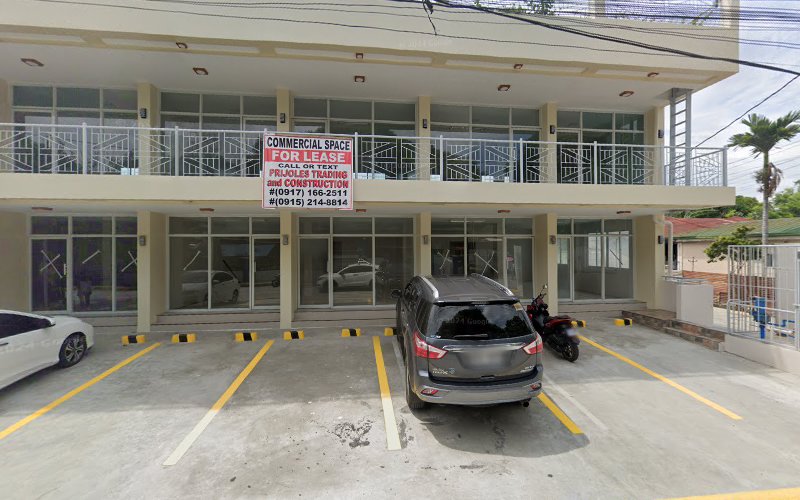
Sanduguan Siklab ng Himagsikan Historical Marker (Pinagtipunan)
About Sanduguan Siklab ng Himagsikan Historical Marker (Pinagtipunan)
Description
The Sanduguan Siklab ng Himagsikan Historical Marker stands as a powerful reminder of the Philippines' revolutionary past in the quiet municipality of Pinagtipunan, San Mateo, Rizal. This monument commemorates a significant blood compact that took place during the Philippine Revolution against Spanish colonial rule. When you visit this marker, you're standing on ground where Filipino revolutionaries once gathered to pledge their lives to the cause of independence. The word "sanduguan" literally translates to blood compact, an ancient Filipino tradition where participants would mix their blood as a sign of sacred brotherhood and unbreakable covenant. This particular sanduguan represented the revolutionary spirit, the "siklab ng himagsikan," that burned through the hearts of Filipino patriots who dared to dream of freedom. And honestly, there's something deeply moving about visiting a place where such courage was displayed centuries ago. I remember the first time I really understood what these historical markers meant - not just as plaques with words but as actual places where real people made life-changing decisions. Standing at the Sanduguan Siklab ng Himagsikan marker, travelers get that same sensation. It's not a grand, sprawling heritage site with gift shops and tour guides every five meters. Instead, it offers something perhaps more valuable: a moment of quiet reflection on what sacrifice and patriotism truly meant to those who came before us. The marker itself serves as an educational touchpoint for anyone interested in Philippine revolutionary history, particularly the events that unfolded in Rizal province during the late 1800s. For families traveling with children, this becomes an outdoor classroom where history lessons transform from textbook pages into tangible experiences. The marker's location in Pinagtipunan - which itself means "gathering place" - is no coincidence, as this area served as a meeting point for revolutionaries planning their strategies against colonial forces.Key Features
The Sanduguan Siklab ng Himagsikan Historical Marker offers several distinctive characteristics that make it worth including in your Rizal province itinerary: • A commemorative marker detailing the historical significance of the blood compact ceremony performed by Filipino revolutionaries during the fight for independence • An outdoor setting that provides an authentic glimpse into the geographical context where revolutionary activities took place in San Mateo, Rizal • Educational value for visitors of all ages, particularly suitable for families teaching children about Philippine history in an engaging, real-world environment • A peaceful atmosphere conducive to reflection and appreciation of the sacrifices made by Filipino patriots • Accessibility for quick visits, making it ideal for travelers exploring multiple historical sites in Rizal province in a single day • Photographic opportunities for history enthusiasts and travel documentarians interested in capturing lesser-known historical landmarks • Connection to the broader narrative of the Philippine Revolution, offering context to events that shaped the nation's independence movement • An example of local heritage preservation efforts in municipalities outside Metro Manila's more tourist-heavy areasBest Time to Visit
Planning your visit to the Sanduguan Siklab ng Himagsikan Historical Marker requires consideration of both weather patterns and local circumstances. The dry season, running from November through April, provides the most comfortable conditions for exploring this outdoor historical site. During these months, you'll avoid the heavy rains that can make getting around more challenging and sometimes turn unpaved areas muddy. But here's something locals know - visiting early in the morning, around 7 to 9 AM, offers the best experience regardless of season. The temperature stays cooler, you'll have better lighting for photographs, and you're likely to encounter fewer people, giving you space for personal reflection. Plus, morning visits allow you to continue exploring other nearby attractions in San Mateo or Rizal province afterward. June 12, Philippine Independence Day, presents a particularly meaningful time to visit if you want to connect your trip with national commemorations of freedom. Some years, local communities organize small gatherings or wreath-laying ceremonies at historical markers like this one. Similarly, visiting during August, when many Filipinos observe National Heroes Month, adds extra significance to your experience. Weekdays generally see less foot traffic than weekends, which matters if you prefer solitude during historical site visits. And I'll be honest - there's something special about having a moment alone with history, without crowds or distractions. The marker doesn't operate on specific visiting hours since it's an outdoor monument, so you've got flexibility in scheduling. The summer months from March to May bring hot temperatures, so if you visit during this period, bring plenty of water and sun protection. Rainy season months from June through October aren't impossible for visits, but pack an umbrella and check weather forecasts beforehand. Nothing ruins a historical pilgrimage quite like getting soaked unexpectedly.How to Get There
Reaching the Sanduguan Siklab ng Himagsikan Historical Marker in Pinagtipunan requires some planning, as it's located in a more residential area rather than along major tourist corridors. From Metro Manila, travelers have several transportation options, though none are particularly complicated once you understand the route. If you're driving your own vehicle, take the Marikina-Infanta Highway heading toward San Mateo, Rizal. This highway serves as the main artery connecting Metro Manila to the eastern parts of Rizal province. Navigation apps work reasonably well in this area, though signal strength can vary. The drive typically takes 45 minutes to an hour from Quezon City, depending on traffic conditions - and let's face it, traffic conditions in Metro Manila can be unpredictable at best. For those relying on public transportation, start by taking a jeepney or UV Express van bound for San Mateo from various points in Metro Manila. From Cubao or Farmer's Plaza in Quezon City, you'll find jeepneys heading to San Mateo. Once you reach San Mateo proper, you'll need to take a tricycle to Pinagtipunan. Make sure to tell the driver specifically that you're going to the historical marker - not all drivers immediately recognize the site by name, so mentioning nearby landmarks helps. Tricycles are the primary local transport in San Mateo's barangays, and drivers generally know the area well. The fare from San Mateo center to Pinagtipunan shouldn't be excessive, but agree on the price before starting your journey. This isn't about distrust; it's simply standard practice that prevents misunderstandings. Another option involves hiring a private car service or using ride-hailing apps, which provide door-to-door convenience. This approach works particularly well for families with young children or groups splitting the cost. The comfort and time savings often justify the additional expense, especially if you're planning to visit multiple sites in Rizal during the same trip.Tips for Visiting
Making the most of your visit to the Sanduguan Siklab ng Himagsikan Historical Marker involves more than just showing up. These practical suggestions will enhance your experience and help you avoid common pitfalls that travelers encounter. Bring your own reference materials or download information about the Philippine Revolution beforehand. The marker provides basic information, but having background knowledge transforms your visit from a simple photo opportunity into genuine historical education. Understanding who participated in the blood compact and what they were fighting for adds tremendous depth to standing at the actual location. Wear comfortable walking shoes even though this isn't a hiking destination. The terrain around historical markers isn't always perfectly maintained, and you'll want stable footwear. Dress modestly and respectfully - you're visiting a site that commemorates people who died for their beliefs, after all. Photography is certainly allowed and encouraged, but take time to actually absorb the significance rather than just rushing through for social media content. I've seen too many travelers spend more time getting the perfect selfie angle than actually reading the marker's inscription. And that seems backwards, honestly. The site works well for children, as mentioned in the available information, but parents should prepare age-appropriate explanations of the historical context. Turn it into a treasure hunt or storytelling session rather than a boring history lecture. Kids remember experiences, not facts recited at them. Since this isn't a developed tourist attraction with facilities, plan accordingly. There aren't restrooms, souvenir shops, or food vendors on-site. Use facilities before leaving San Mateo proper, and bring any snacks or drinks you'll need. Consider combining your visit with other historical or natural attractions in Rizal province to maximize your travel time. The area offers various caves, churches, and heritage sites within reasonable distance. This approach gives you a fuller picture of the province's cultural landscape. Respect the local community surrounding the marker. You're visiting their neighborhood, not a theme park. Keep noise levels reasonable, don't litter, and if you interact with residents, basic courtesy goes a long way. Some locals possess incredible oral histories passed down through generations about the revolutionary period. Check current conditions before visiting, especially after typhoons or heavy weather events. While the marker itself is permanent, access roads can occasionally experience issues. A quick online search or call to the San Mateo tourism office can save you a wasted trip. Bring insect repellent, particularly if visiting during warmer months or after rain. Outdoor historical sites in the Philippines often have mosquitoes, and getting bitten repeatedly distracts from the contemplative experience you're seeking. Finally, take a moment of silence or personal reflection while there. Whether you're religious or not, whether you consider yourself patriotic or not, acknowledging the courage of those who fought for principles they believed in transcends politics. That human element - the willingness to sacrifice for something greater than oneself - deserves recognition regardless of your background.Key Features
- Historical plaque commemorating the Pinagtipunan blood compact and Katipunero gathering
- Located on Hospital Road in General Trias, accessible from local streets
- Small outdoor site suitable for quick reflective visits and photography
- Contextual setting within a residential/community area offering local perspectives
- Close to other Cavite revolutionary landmarks for combined itineraries
More Details
Updated January 18, 2026
Table of Contents
- Description
- Key Features
- Best Time to Visit
- How to Get There
- Tips for Visiting
- Key Highlights
- Location
- Places to Stay Near Sanduguan Siklab ng Himagsikan Historical Marker (Pinagtipunan)
- Find and Book a Tour
- Explore More Travel Guides
- Nearby Places You Might Like
- Traveler Reviews for Sanduguan Siklab ng Himagsikan Historical Marker (Pinagtipunan)
- Share Your Experience
Description
The Sanduguan Siklab ng Himagsikan Historical Marker stands as a powerful reminder of the Philippines’ revolutionary past in the quiet municipality of Pinagtipunan, San Mateo, Rizal. This monument commemorates a significant blood compact that took place during the Philippine Revolution against Spanish colonial rule. When you visit this marker, you’re standing on ground where Filipino revolutionaries once gathered to pledge their lives to the cause of independence.
The word “sanduguan” literally translates to blood compact, an ancient Filipino tradition where participants would mix their blood as a sign of sacred brotherhood and unbreakable covenant. This particular sanduguan represented the revolutionary spirit, the “siklab ng himagsikan,” that burned through the hearts of Filipino patriots who dared to dream of freedom. And honestly, there’s something deeply moving about visiting a place where such courage was displayed centuries ago.
I remember the first time I really understood what these historical markers meant – not just as plaques with words but as actual places where real people made life-changing decisions. Standing at the Sanduguan Siklab ng Himagsikan marker, travelers get that same sensation. It’s not a grand, sprawling heritage site with gift shops and tour guides every five meters. Instead, it offers something perhaps more valuable: a moment of quiet reflection on what sacrifice and patriotism truly meant to those who came before us.
The marker itself serves as an educational touchpoint for anyone interested in Philippine revolutionary history, particularly the events that unfolded in Rizal province during the late 1800s. For families traveling with children, this becomes an outdoor classroom where history lessons transform from textbook pages into tangible experiences. The marker’s location in Pinagtipunan – which itself means “gathering place” – is no coincidence, as this area served as a meeting point for revolutionaries planning their strategies against colonial forces.
Key Features
The Sanduguan Siklab ng Himagsikan Historical Marker offers several distinctive characteristics that make it worth including in your Rizal province itinerary:
• A commemorative marker detailing the historical significance of the blood compact ceremony performed by Filipino revolutionaries during the fight for independence
• An outdoor setting that provides an authentic glimpse into the geographical context where revolutionary activities took place in San Mateo, Rizal
• Educational value for visitors of all ages, particularly suitable for families teaching children about Philippine history in an engaging, real-world environment
• A peaceful atmosphere conducive to reflection and appreciation of the sacrifices made by Filipino patriots
• Accessibility for quick visits, making it ideal for travelers exploring multiple historical sites in Rizal province in a single day
• Photographic opportunities for history enthusiasts and travel documentarians interested in capturing lesser-known historical landmarks
• Connection to the broader narrative of the Philippine Revolution, offering context to events that shaped the nation’s independence movement
• An example of local heritage preservation efforts in municipalities outside Metro Manila’s more tourist-heavy areas
Best Time to Visit
Planning your visit to the Sanduguan Siklab ng Himagsikan Historical Marker requires consideration of both weather patterns and local circumstances. The dry season, running from November through April, provides the most comfortable conditions for exploring this outdoor historical site. During these months, you’ll avoid the heavy rains that can make getting around more challenging and sometimes turn unpaved areas muddy.
But here’s something locals know – visiting early in the morning, around 7 to 9 AM, offers the best experience regardless of season. The temperature stays cooler, you’ll have better lighting for photographs, and you’re likely to encounter fewer people, giving you space for personal reflection. Plus, morning visits allow you to continue exploring other nearby attractions in San Mateo or Rizal province afterward.
June 12, Philippine Independence Day, presents a particularly meaningful time to visit if you want to connect your trip with national commemorations of freedom. Some years, local communities organize small gatherings or wreath-laying ceremonies at historical markers like this one. Similarly, visiting during August, when many Filipinos observe National Heroes Month, adds extra significance to your experience.
Weekdays generally see less foot traffic than weekends, which matters if you prefer solitude during historical site visits. And I’ll be honest – there’s something special about having a moment alone with history, without crowds or distractions. The marker doesn’t operate on specific visiting hours since it’s an outdoor monument, so you’ve got flexibility in scheduling.
The summer months from March to May bring hot temperatures, so if you visit during this period, bring plenty of water and sun protection. Rainy season months from June through October aren’t impossible for visits, but pack an umbrella and check weather forecasts beforehand. Nothing ruins a historical pilgrimage quite like getting soaked unexpectedly.
How to Get There
Reaching the Sanduguan Siklab ng Himagsikan Historical Marker in Pinagtipunan requires some planning, as it’s located in a more residential area rather than along major tourist corridors. From Metro Manila, travelers have several transportation options, though none are particularly complicated once you understand the route.
If you’re driving your own vehicle, take the Marikina-Infanta Highway heading toward San Mateo, Rizal. This highway serves as the main artery connecting Metro Manila to the eastern parts of Rizal province. Navigation apps work reasonably well in this area, though signal strength can vary. The drive typically takes 45 minutes to an hour from Quezon City, depending on traffic conditions – and let’s face it, traffic conditions in Metro Manila can be unpredictable at best.
For those relying on public transportation, start by taking a jeepney or UV Express van bound for San Mateo from various points in Metro Manila. From Cubao or Farmer’s Plaza in Quezon City, you’ll find jeepneys heading to San Mateo. Once you reach San Mateo proper, you’ll need to take a tricycle to Pinagtipunan. Make sure to tell the driver specifically that you’re going to the historical marker – not all drivers immediately recognize the site by name, so mentioning nearby landmarks helps.
Tricycles are the primary local transport in San Mateo’s barangays, and drivers generally know the area well. The fare from San Mateo center to Pinagtipunan shouldn’t be excessive, but agree on the price before starting your journey. This isn’t about distrust; it’s simply standard practice that prevents misunderstandings.
Another option involves hiring a private car service or using ride-hailing apps, which provide door-to-door convenience. This approach works particularly well for families with young children or groups splitting the cost. The comfort and time savings often justify the additional expense, especially if you’re planning to visit multiple sites in Rizal during the same trip.
Tips for Visiting
Making the most of your visit to the Sanduguan Siklab ng Himagsikan Historical Marker involves more than just showing up. These practical suggestions will enhance your experience and help you avoid common pitfalls that travelers encounter.
Bring your own reference materials or download information about the Philippine Revolution beforehand. The marker provides basic information, but having background knowledge transforms your visit from a simple photo opportunity into genuine historical education. Understanding who participated in the blood compact and what they were fighting for adds tremendous depth to standing at the actual location.
Wear comfortable walking shoes even though this isn’t a hiking destination. The terrain around historical markers isn’t always perfectly maintained, and you’ll want stable footwear. Dress modestly and respectfully – you’re visiting a site that commemorates people who died for their beliefs, after all.
Photography is certainly allowed and encouraged, but take time to actually absorb the significance rather than just rushing through for social media content. I’ve seen too many travelers spend more time getting the perfect selfie angle than actually reading the marker’s inscription. And that seems backwards, honestly.
The site works well for children, as mentioned in the available information, but parents should prepare age-appropriate explanations of the historical context. Turn it into a treasure hunt or storytelling session rather than a boring history lecture. Kids remember experiences, not facts recited at them.
Since this isn’t a developed tourist attraction with facilities, plan accordingly. There aren’t restrooms, souvenir shops, or food vendors on-site. Use facilities before leaving San Mateo proper, and bring any snacks or drinks you’ll need.
Consider combining your visit with other historical or natural attractions in Rizal province to maximize your travel time. The area offers various caves, churches, and heritage sites within reasonable distance. This approach gives you a fuller picture of the province’s cultural landscape.
Respect the local community surrounding the marker. You’re visiting their neighborhood, not a theme park. Keep noise levels reasonable, don’t litter, and if you interact with residents, basic courtesy goes a long way. Some locals possess incredible oral histories passed down through generations about the revolutionary period.
Check current conditions before visiting, especially after typhoons or heavy weather events. While the marker itself is permanent, access roads can occasionally experience issues. A quick online search or call to the San Mateo tourism office can save you a wasted trip.
Bring insect repellent, particularly if visiting during warmer months or after rain. Outdoor historical sites in the Philippines often have mosquitoes, and getting bitten repeatedly distracts from the contemplative experience you’re seeking.
Finally, take a moment of silence or personal reflection while there. Whether you’re religious or not, whether you consider yourself patriotic or not, acknowledging the courage of those who fought for principles they believed in transcends politics. That human element – the willingness to sacrifice for something greater than oneself – deserves recognition regardless of your background.
Key Highlights
- Historical plaque commemorating the Pinagtipunan blood compact and Katipunero gathering
- Located on Hospital Road in General Trias, accessible from local streets
- Small outdoor site suitable for quick reflective visits and photography
- Contextual setting within a residential/community area offering local perspectives
- Close to other Cavite revolutionary landmarks for combined itineraries
Location
Places to Stay Near Sanduguan Siklab ng Himagsikan Historical Marker (Pinagtipunan)
Find and Book a Tour
Explore More Travel Guides
No reviews found! Be the first to review!
Traveler Reviews for Sanduguan Siklab ng Himagsikan Historical Marker (Pinagtipunan)
There are no reviews yet. Be the first one to write one.
Have you visited Sanduguan Siklab ng Himagsikan Historical Marker (Pinagtipunan)? Help other travelers by sharing your review.
Nearby Attractions
You Might Also Like
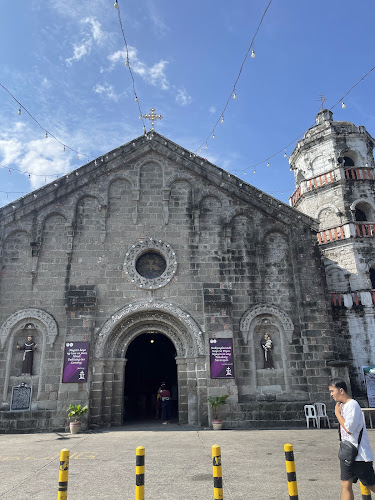
San Francisco De Malabon Parish Church
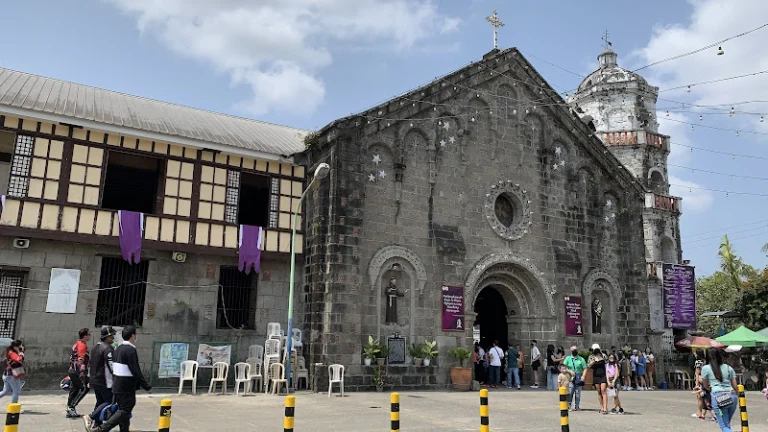
St. Francis of Assisi Parish Church
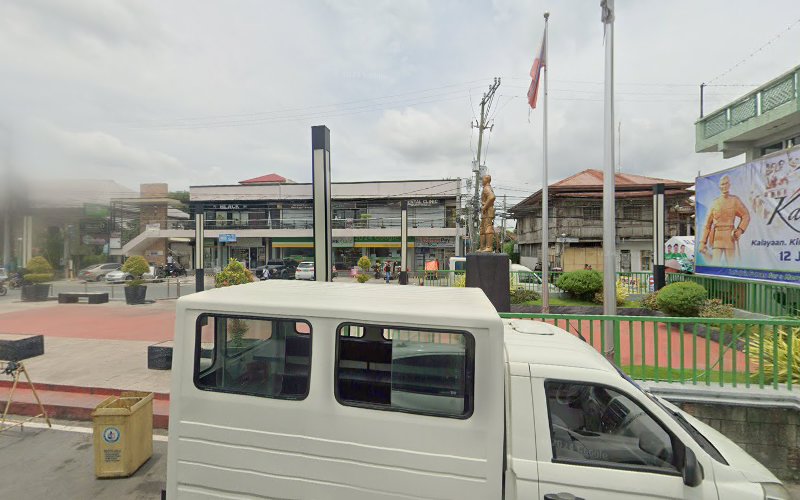
Heneral Mariano Trias Historical Marker
Find Accommodations Nearby
Recommended Tours & Activities
Visitor Reviews
There are no reviews yet. Be the first one to write one.
Share Your Experience
Have you visited Sanduguan Siklab ng Himagsikan Historical Marker (Pinagtipunan)? Help other travelers by leaving a review.