
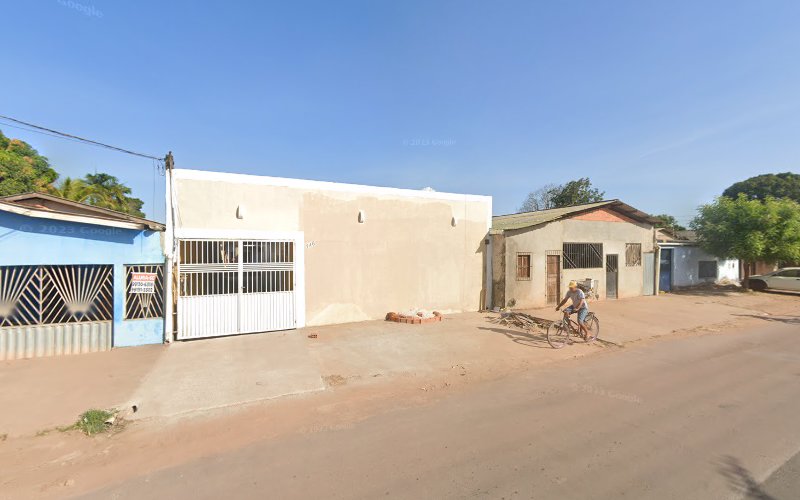
Pastoral da Catequese Mãe de Deus
About Pastoral da Catequese Mãe de Deus
Description
The Pastoral da Catequese Mãe de Deus represents a meaningful stop for travelers seeking spiritual enrichment and cultural understanding in their journeys. This religious destination serves as a center for catechetical pastoral work, offering visitors a glimpse into the living traditions of Catholic faith formation and community worship. What makes this place particularly interesting for travelers isn't just its religious function—it's the way it weaves together devotion, education, and community life in a manner that welcomes outsiders who want to understand local spiritual practices. I've always found that some of the most authentic travel experiences come from visiting places where communities actually gather for their everyday spiritual lives, rather than just tourist-oriented sites. And the Pastoral da Catequese Mãe de Deus fits perfectly into that category. It's not a museum or a monument frozen in time—it's an active pastoral center where real people come together to deepen their faith and connect with one another. The name itself, which translates to "Catechesis Pastoral Mother of God," tells you something about the devotional focus here. The dedication to Mary, the mother of Jesus, runs through the pastoral activities and creates a particular atmosphere of maternal care and spiritual nurturing. For travelers interested in understanding how Marian devotion shapes Catholic communities in different parts of the world, this destination offers valuable insights. What strikes many visitors is how this pastoral center functions as both a place of worship and a hub for religious education. You're not just looking at religious art or architecture—though those elements certainly exist—but witnessing how faith gets transmitted from generation to generation through organized catechetical programs. There's something quite moving about observing this process, even if you're not personally religious yourself.Key Features
The Pastoral da Catequese Mãe de Deus offers several distinctive features that make it worth including in your travel itinerary: • Active catechetical programs that provide insight into how Catholic faith formation works in contemporary settings, offering travelers a window into living religious traditions rather than historical ones • A welcoming atmosphere that generally extends to respectful visitors regardless of their personal faith backgrounds, making it accessible for those interested in cultural and religious understanding • Opportunities to witness community worship and prayer practices that reflect local expressions of Catholic spirituality, particularly those centered on Marian devotion • Educational resources and materials that illustrate the pedagogical approaches used in religious instruction, which can be fascinating for those interested in comparative education or religious studies • Regular gatherings and activities that demonstrate how pastoral centers function as social glue within their communities, connecting people across different age groups and backgrounds • Architecture and sacred spaces designed specifically for catechetical purposes, which differ from traditional church layouts and offer unique photographic and observational opportunities • Connections to broader diocesan and parish networks that can help travelers understand the organizational structure of Catholic communities in the region • Seasonal programs and celebrations tied to the liturgical calendar, providing different experiences depending on when you visitBest Time to Visit
Timing your visit to the Pastoral da Catequese Mãe de Deus can significantly affect what you'll experience and observe. The liturgical calendar plays a huge role here, and understanding it helps you plan better. If you're hoping to see the pastoral center at its most active, consider visiting during the traditional catechetical season, which typically runs from late summer through spring in most Catholic communities. This is when religious education programs are in full swing, and you'll find more activities, more participants, and more energy throughout the facility. But be aware that this also means busier times and potentially less opportunity for quiet reflection. The Marian feast days present particularly special occasions for visiting. The Solemnity of Mary, Mother of God on January 1st, the Annunciation in March, and the Assumption in August are all celebrated with special devotions and programs. I remember once visiting a similar pastoral center during a Marian feast day, and the sense of community celebration was genuinely touching—even more so than visiting during ordinary times. Holy Week and Easter season bring their own unique atmosphere to any religious destination, and pastoral centers like this often host special programs for children and families during these periods. The preparations, the special liturgies, and the educational activities all create a particular energy that's worth experiencing if your travel schedule allows. Summer months might see reduced programming as many families travel, but this can actually work in favor of visitors who want a quieter, more contemplative experience. You won't see as much activity, but you might have more opportunities for conversation with permanent staff or volunteers. Weekday evenings and weekend mornings typically see the most activity, as these are when working families can participate in catechetical programs. If you visit during these times, you'll get the fullest sense of the pastoral center's role in community life.How to Get There
Getting to the Pastoral da Catequese Mãe de Deus requires some planning, as religious destinations like this aren't always located in the most tourist-accessible areas. They're positioned to serve their local communities rather than to attract visitors, which is actually part of their authentic charm. Public transportation often provides the most practical option for travelers. Research the local bus or metro routes that serve the area, and don't be shy about asking locals for directions. In my experience, people are generally quite helpful when you're trying to find religious sites, and the journey itself often provides interesting glimpses into neighborhood life that you'd miss in a taxi. If you're driving, make sure to check parking availability in advance. Many pastoral centers have limited parking that's primarily reserved for program participants and staff. Arriving early often solves this problem, and it gives you time to observe the space before activities begin. Walking from nearby accommodations can be a pleasant option if you're staying in the general area. This allows you to get a feel for the neighborhood and understand the pastoral center's context within the broader community. Pay attention to the streets around the destination—you'll often find that religious institutions anchor their neighborhoods in interesting ways. Ride-sharing services work well if you're not comfortable navigating public transportation or if you're visiting during odd hours. Just make sure your driver knows exactly which entrance to use, as larger facilities sometimes have multiple access points. For international travelers, it's worth noting that you should allow extra time for potentially getting lost or confused about directions. Religious destinations don't always show up accurately on GPS systems, and addresses can be tricky. Building in buffer time reduces stress and helps you arrive in the right frame of mind.Tips for Visiting
Making the most of your visit to the Pastoral da Catequese Mãe de Deus requires some thoughtfulness and preparation. These aren't your typical tourist tips—they're insights drawn from understanding how religious pastoral centers actually work. Dress respectfully but don't overthink it. You don't need to wear your fanciest clothes, but shoulders and knees should generally be covered. Think "meeting someone's grandmother" rather than "going to a nightclub." Comfortable shoes matter too, especially if you'll be standing during any prayers or services. Call ahead if possible, or check if they have a website or social media presence with current information. Pastoral centers often have varying schedules that depend on the time of year, staff availability, and special events. A quick phone call can prevent a wasted trip and might even result in someone being available to show you around or answer questions. Bring some basic language skills or a translation app if you're visiting a pastoral center in a country where you don't speak the language fluently. While many religious terms translate relatively easily, having the ability to communicate shows respect and opens doors for more meaningful interactions. Photography deserves careful consideration. Some areas might welcome it while others consider it intrusive, particularly during prayer or instruction time. Always ask permission before taking photos of people, and be especially careful around children, as pastoral centers rightly take protection of minors very seriously. Consider timing your visit to coincide with public activities rather than trying to tour during private programming. Many pastoral centers have open prayer times, public masses, or community events where respectful visitors are genuinely welcome. These provide much richer experiences than walking through empty hallways. Bring a small donation if you can. Pastoral centers typically operate on tight budgets supported by their communities, and while they rarely charge admission, a contribution to their work is both appreciated and appropriate. Think of it as supporting the local cultural and spiritual infrastructure that makes authentic travel experiences possible. Be genuinely curious rather than judgmental. You might encounter beliefs or practices that seem unfamiliar or even strange. Approaching them with respectful curiosity rather than dismissive skepticism leads to better understanding and more rewarding experiences. I've learned some of my most valuable lessons about different cultures by simply watching and asking honest questions. Respect silence and prayer when you encounter it. If you walk into a space where people are praying or in quiet reflection, match that energy. This isn't about adopting beliefs you don't hold—it's about recognizing that you're a guest in someone else's sacred space. Don't expect a polished tourist experience with gift shops and guided tours. That's not what pastoral centers are designed for, and honestly, the slightly rough-around-the-edges authenticity is part of what makes them special. You're seeing how real communities practice their faith, not a performance staged for visitors. Take time afterward to reflect on what you've observed. Whether you keep a travel journal or just sit in a nearby café with your thoughts, processing the experience helps you understand what you've witnessed and how it connects to broader patterns of religious and cultural life.Key Features
- Active catechetical programs and sacramental preparation
- Community-driven liturgies and processions, especially during Holy Week
- Authentic glimpse into Macapá's Catholic traditions
- Modest, locally relevant architecture and parish facilities
- Opportunities to observe community outreach and volunteer activities
More Details
Updated January 18, 2026
Table of Contents
Description
The Pastoral da Catequese Mãe de Deus represents a meaningful stop for travelers seeking spiritual enrichment and cultural understanding in their journeys. This religious destination serves as a center for catechetical pastoral work, offering visitors a glimpse into the living traditions of Catholic faith formation and community worship. What makes this place particularly interesting for travelers isn’t just its religious function—it’s the way it weaves together devotion, education, and community life in a manner that welcomes outsiders who want to understand local spiritual practices.
I’ve always found that some of the most authentic travel experiences come from visiting places where communities actually gather for their everyday spiritual lives, rather than just tourist-oriented sites. And the Pastoral da Catequese Mãe de Deus fits perfectly into that category. It’s not a museum or a monument frozen in time—it’s an active pastoral center where real people come together to deepen their faith and connect with one another.
The name itself, which translates to “Catechesis Pastoral Mother of God,” tells you something about the devotional focus here. The dedication to Mary, the mother of Jesus, runs through the pastoral activities and creates a particular atmosphere of maternal care and spiritual nurturing. For travelers interested in understanding how Marian devotion shapes Catholic communities in different parts of the world, this destination offers valuable insights.
What strikes many visitors is how this pastoral center functions as both a place of worship and a hub for religious education. You’re not just looking at religious art or architecture—though those elements certainly exist—but witnessing how faith gets transmitted from generation to generation through organized catechetical programs. There’s something quite moving about observing this process, even if you’re not personally religious yourself.
Key Features
The Pastoral da Catequese Mãe de Deus offers several distinctive features that make it worth including in your travel itinerary:
• Active catechetical programs that provide insight into how Catholic faith formation works in contemporary settings, offering travelers a window into living religious traditions rather than historical ones
• A welcoming atmosphere that generally extends to respectful visitors regardless of their personal faith backgrounds, making it accessible for those interested in cultural and religious understanding
• Opportunities to witness community worship and prayer practices that reflect local expressions of Catholic spirituality, particularly those centered on Marian devotion
• Educational resources and materials that illustrate the pedagogical approaches used in religious instruction, which can be fascinating for those interested in comparative education or religious studies
• Regular gatherings and activities that demonstrate how pastoral centers function as social glue within their communities, connecting people across different age groups and backgrounds
• Architecture and sacred spaces designed specifically for catechetical purposes, which differ from traditional church layouts and offer unique photographic and observational opportunities
• Connections to broader diocesan and parish networks that can help travelers understand the organizational structure of Catholic communities in the region
• Seasonal programs and celebrations tied to the liturgical calendar, providing different experiences depending on when you visit
Best Time to Visit
Timing your visit to the Pastoral da Catequese Mãe de Deus can significantly affect what you’ll experience and observe. The liturgical calendar plays a huge role here, and understanding it helps you plan better.
If you’re hoping to see the pastoral center at its most active, consider visiting during the traditional catechetical season, which typically runs from late summer through spring in most Catholic communities. This is when religious education programs are in full swing, and you’ll find more activities, more participants, and more energy throughout the facility. But be aware that this also means busier times and potentially less opportunity for quiet reflection.
The Marian feast days present particularly special occasions for visiting. The Solemnity of Mary, Mother of God on January 1st, the Annunciation in March, and the Assumption in August are all celebrated with special devotions and programs. I remember once visiting a similar pastoral center during a Marian feast day, and the sense of community celebration was genuinely touching—even more so than visiting during ordinary times.
Holy Week and Easter season bring their own unique atmosphere to any religious destination, and pastoral centers like this often host special programs for children and families during these periods. The preparations, the special liturgies, and the educational activities all create a particular energy that’s worth experiencing if your travel schedule allows.
Summer months might see reduced programming as many families travel, but this can actually work in favor of visitors who want a quieter, more contemplative experience. You won’t see as much activity, but you might have more opportunities for conversation with permanent staff or volunteers.
Weekday evenings and weekend mornings typically see the most activity, as these are when working families can participate in catechetical programs. If you visit during these times, you’ll get the fullest sense of the pastoral center’s role in community life.
How to Get There
Getting to the Pastoral da Catequese Mãe de Deus requires some planning, as religious destinations like this aren’t always located in the most tourist-accessible areas. They’re positioned to serve their local communities rather than to attract visitors, which is actually part of their authentic charm.
Public transportation often provides the most practical option for travelers. Research the local bus or metro routes that serve the area, and don’t be shy about asking locals for directions. In my experience, people are generally quite helpful when you’re trying to find religious sites, and the journey itself often provides interesting glimpses into neighborhood life that you’d miss in a taxi.
If you’re driving, make sure to check parking availability in advance. Many pastoral centers have limited parking that’s primarily reserved for program participants and staff. Arriving early often solves this problem, and it gives you time to observe the space before activities begin.
Walking from nearby accommodations can be a pleasant option if you’re staying in the general area. This allows you to get a feel for the neighborhood and understand the pastoral center’s context within the broader community. Pay attention to the streets around the destination—you’ll often find that religious institutions anchor their neighborhoods in interesting ways.
Ride-sharing services work well if you’re not comfortable navigating public transportation or if you’re visiting during odd hours. Just make sure your driver knows exactly which entrance to use, as larger facilities sometimes have multiple access points.
For international travelers, it’s worth noting that you should allow extra time for potentially getting lost or confused about directions. Religious destinations don’t always show up accurately on GPS systems, and addresses can be tricky. Building in buffer time reduces stress and helps you arrive in the right frame of mind.
Tips for Visiting
Making the most of your visit to the Pastoral da Catequese Mãe de Deus requires some thoughtfulness and preparation. These aren’t your typical tourist tips—they’re insights drawn from understanding how religious pastoral centers actually work.
Dress respectfully but don’t overthink it. You don’t need to wear your fanciest clothes, but shoulders and knees should generally be covered. Think “meeting someone’s grandmother” rather than “going to a nightclub.” Comfortable shoes matter too, especially if you’ll be standing during any prayers or services.
Call ahead if possible, or check if they have a website or social media presence with current information. Pastoral centers often have varying schedules that depend on the time of year, staff availability, and special events. A quick phone call can prevent a wasted trip and might even result in someone being available to show you around or answer questions.
Bring some basic language skills or a translation app if you’re visiting a pastoral center in a country where you don’t speak the language fluently. While many religious terms translate relatively easily, having the ability to communicate shows respect and opens doors for more meaningful interactions.
Photography deserves careful consideration. Some areas might welcome it while others consider it intrusive, particularly during prayer or instruction time. Always ask permission before taking photos of people, and be especially careful around children, as pastoral centers rightly take protection of minors very seriously.
Consider timing your visit to coincide with public activities rather than trying to tour during private programming. Many pastoral centers have open prayer times, public masses, or community events where respectful visitors are genuinely welcome. These provide much richer experiences than walking through empty hallways.
Bring a small donation if you can. Pastoral centers typically operate on tight budgets supported by their communities, and while they rarely charge admission, a contribution to their work is both appreciated and appropriate. Think of it as supporting the local cultural and spiritual infrastructure that makes authentic travel experiences possible.
Be genuinely curious rather than judgmental. You might encounter beliefs or practices that seem unfamiliar or even strange. Approaching them with respectful curiosity rather than dismissive skepticism leads to better understanding and more rewarding experiences. I’ve learned some of my most valuable lessons about different cultures by simply watching and asking honest questions.
Respect silence and prayer when you encounter it. If you walk into a space where people are praying or in quiet reflection, match that energy. This isn’t about adopting beliefs you don’t hold—it’s about recognizing that you’re a guest in someone else’s sacred space.
Don’t expect a polished tourist experience with gift shops and guided tours. That’s not what pastoral centers are designed for, and honestly, the slightly rough-around-the-edges authenticity is part of what makes them special. You’re seeing how real communities practice their faith, not a performance staged for visitors.
Take time afterward to reflect on what you’ve observed. Whether you keep a travel journal or just sit in a nearby café with your thoughts, processing the experience helps you understand what you’ve witnessed and how it connects to broader patterns of religious and cultural life.
Key Highlights
- Active catechetical programs and sacramental preparation
- Community-driven liturgies and processions, especially during Holy Week
- Authentic glimpse into Macapá’s Catholic traditions
- Modest, locally relevant architecture and parish facilities
- Opportunities to observe community outreach and volunteer activities
Location
Places to Stay Near Pastoral da Catequese Mãe de Deus
Find and Book a Tour
Explore More Travel Guides
No reviews found! Be the first to review!
Traveler Reviews for Pastoral da Catequese Mãe de Deus
There are no reviews yet. Be the first one to write one.
Have you visited Pastoral da Catequese Mãe de Deus? Help other travelers by sharing your review.
Nearby Attractions
You Might Also Like
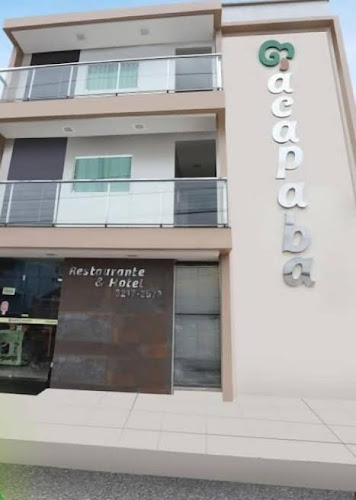
Hotel e Restaurante Macapaba 1
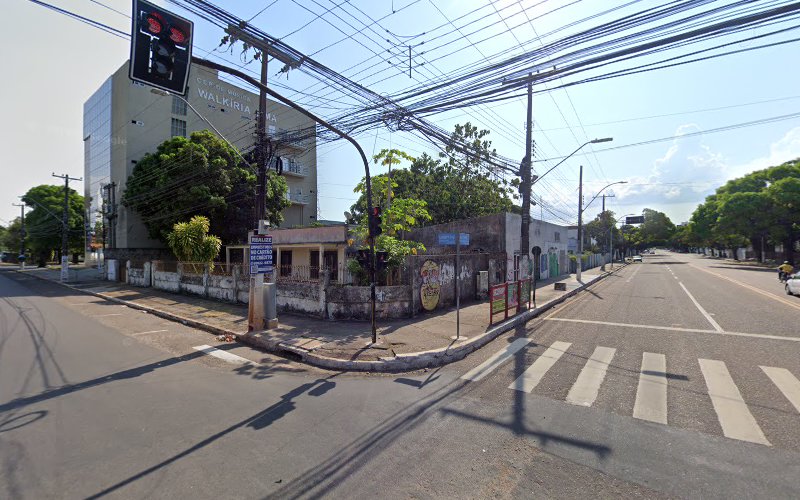
Lunes Ecuador al extremo este, de America
Hotel do Forte
Find Accommodations Nearby
Recommended Tours & Activities
Visitor Reviews
There are no reviews yet. Be the first one to write one.
Share Your Experience
Have you visited Pastoral da Catequese Mãe de Deus? Help other travelers by leaving a review.