
Fortaleza de São José de Macapá
About Fortaleza de São José de Macapá
Description
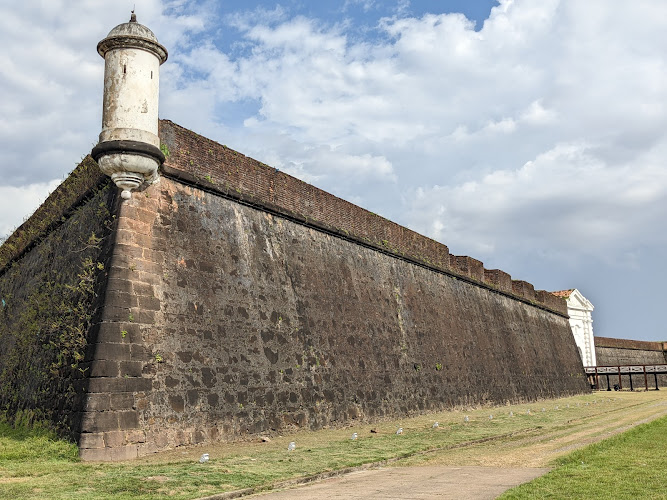
The Fortaleza de São José de Macapá stands as one of Brazil's most impressive colonial military structures, and honestly, it's the kind of place that makes you wonder how on earth they managed to build something this massive back in the 1700s. This extraordinary fortress took nearly two decades to complete—construction started in 1764 and wrapped up around 1782—and the Portuguese really didn't hold back when they designed it. From above, the fort creates a perfect star shape with four bastions, which wasn't just for show. That geometric design was actually brilliant military strategy, allowing defenders to cover every angle and eliminate blind spots where enemies might sneak up. What strikes visitors first is the sheer scale of this thing. The walls stretch over 2 meters thick in some places and rise high enough to make you feel pretty small when you're standing next to them. The Portuguese used local materials including stone brought from Portugal as ballast in ships, which is kind of mind-blowing when you think about it. They literally transported rocks across the Atlantic Ocean to build this fortress in what was then a remote corner of the Amazon. Today, the fort serves a much more peaceful purpose as a historical museum and park. You'll find families having picnics on the grounds where soldiers once drilled, and kids running around bastions that were designed to house cannons. The transformation from military stronghold to cultural space feels appropriate somehow—the fort has always been about protecting the community, just in different ways now. The museum inside showcases artifacts from the colonial period, indigenous cultures, and the various phases of Macapá's development. Some exhibits focus on the daily life of soldiers stationed here, which I find fascinating because it humanizes what could otherwise feel like just another old building. These weren't just stone walls—real people lived, worked, and probably complained about the heat within these spaces for centuries.Key Features
- The distinctive star-shaped architecture with four perfectly symmetrical bastions that create an impressive aerial view and demonstrate sophisticated 18th-century military engineering
- Massive stone walls constructed from Portuguese stone and local materials that have withstood centuries of tropical weather and still stand remarkably intact
- A historical museum housed within the fortress walls featuring colonial artifacts, indigenous cultural items, military equipment, and exhibits detailing the region's complex history
- The central courtyard area that now functions as a public park where locals and tourists gather, especially during late afternoons and evenings
- Original architectural elements including the main entrance gate, guardhouses, and remnants of quarters where Portuguese soldiers lived during colonial times
- Panoramic views from the fortress walls overlooking the Amazon River, providing stunning sunset vistas that photographers absolutely love
- The well-preserved moat system that once provided additional defense and now adds to the dramatic appearance of the structure
- Accessible pathways and ramps making the fortress welcoming for visitors with mobility considerations—something not always common in historic sites
- Educational plaques and information panels throughout the grounds explaining the fortress's construction, strategic importance, and role in regional history
- Regular cultural events and exhibitions held within the fortress grounds, connecting historical space with contemporary community activities
Best Time to Visit
Planning your visit to Fortaleza de São José de Macapá requires understanding Macapá's unique Amazonian climate, which doesn't really do seasons the way you might be used to. The city sits almost exactly on the equator—there's literally a monument marking the line nearby—so temperatures stay pretty consistent year-round, hovering around 26-32°C (79-90°F). But the rainfall? That's a completely different story. The drier months run from August through December, and this is genuinely the best window for visiting. You'll get less rain, more sunshine, and conditions that make exploring the fortress grounds much more comfortable. I remember talking to a local who said that visiting during the dry season means you can actually walk the full perimeter without dodging puddles or dealing with muddy pathways. And since much of your visit involves being outdoors, weather really does matter here. That said, the rainy season from January through July has its own appeal. The fortress looks different when rain clouds gather overhead, and there's something atmospheric about these massive stone walls under stormy skies. Just come prepared with proper rain gear and flexible expectations. As for time of day, early morning visits (right when it opens) or late afternoon sessions work best. The midday heat can be brutal, especially when you're walking around stone surfaces that absorb and radiate heat. Late afternoon visits offer the bonus of catching sunset from the fortress walls, and honestly, watching the sun go down over the Amazon River from these historic bastions is worth the trip alone. Weekends tend to draw more local families, which creates a livelier atmosphere but also means more crowds. Weekdays offer a quieter experience if you prefer contemplating history without too many distractions. The fortress typically opens around 9 AM and closes by 6 PM, though these hours can vary slightly depending on the season and special events.How to Get There
Getting to Fortaleza de São José de Macapá is refreshingly straightforward, especially considering you're dealing with a city in the Brazilian Amazon. The fortress sits right in the heart of Macapá's historic center, making it accessible from pretty much anywhere in the city. If you're flying into Macapá, you'll arrive at Alberto Alcolumbre International Airport, which is about 4 kilometers from the city center. From there, taxis and ride-sharing services can get you to the fortress in roughly 15-20 minutes depending on traffic. The fare shouldn't break the bank—expect to pay around 20-30 Brazilian reais, though prices fluctuate. Local buses serve the downtown area extensively, and several routes pass within walking distance of the fortress. Ask your hotel staff which bus numbers work best from your location. Bus travel in Macapá is budget-friendly and gives you a real taste of daily life, though it does require patience and ideally some basic Portuguese to navigate effectively. Many visitors simply walk to the fortress if they're staying in the city center. Macapá's downtown is relatively compact, and the fortress is hard to miss given its size. Walking also lets you explore the surrounding historic district, grab street food from vendors, and stumble upon those unexpected discoveries that make travel memorable. For those arriving in Macapá by boat—and yes, some adventurous travelers do reach the city via river routes—the fortress sits close to the waterfront area, making it one of the first major landmarks you'll encounter. Parking is available if you're driving, and the fortress features wheelchair-accessible parking spaces, which demonstrates thoughtful consideration for all visitors. The entrance itself is also wheelchair accessible, setting it apart from many historic fortifications that weren't built with modern accessibility in mind.Tips for Visiting
Bring water. I can't stress this enough. The tropical heat combined with walking around stone surfaces that radiate warmth will leave you parched faster than you'd expect. There aren't restaurants within the fortress itself, and while you'll find restroom facilities, don't count on extensive refreshment options inside. Wear comfortable walking shoes with good grip. The fortress features uneven stone surfaces in places, and you'll be doing quite a bit of walking if you want to explore properly. Those Instagram-worthy shots from the bastions require climbing some stairs and traversing areas where fancy sandals just won't cut it. Sun protection matters here. Hat, sunscreen, sunglasses—bring the whole kit. Remember, you're practically on the equator, and the sun doesn't mess around. Even on cloudy days, UV exposure is significant. Photography enthusiasts should time their visit for late afternoon when the light becomes magical. The golden hour creates stunning conditions for capturing both the architecture and the river views. But honestly, the fortress photographs well at any time of day. Consider hiring a local guide if history really interests you. While information panels exist throughout the site, having someone who knows the stories, legends, and historical context adds depth that signs alone can't provide. Plus, you're supporting the local economy and often hearing perspectives you won't find in guidebooks. The museum sections can get warm, as not all areas have extensive climate control. Dress in layers if possible, though in Macapá's climate, layers mostly means having a light shirt that covers your shoulders for sun protection but breathes well. If you're visiting with kids, they'll probably love running around the open spaces, and the fortress is genuinely good for children. Just keep an eye on younger ones near the walls and higher areas. The combination of historical significance and open space for exploration makes it work well for families. Check whether any special events or exhibitions are scheduled during your visit. The fortress regularly hosts cultural programming, and stumbling into a local music performance or art exhibition can transform your visit from good to unforgettable. Respect the historical significance of the site. This isn't just a playground—it's a protected historical landmark. Don't climb on walls where it's prohibited, don't touch fragile artifacts or surfaces, and basically treat the place with the reverence it deserves. Finally, give yourself at least two to three hours for a thorough visit. Rushing through defeats the purpose. This is a place for soaking up history, imagining what life was like centuries ago, and appreciating the incredible engineering achievement these walls represent.Key Features
- The distinctive star-shaped architecture with four perfectly symmetrical bastions that create an impressive aerial view and demonstrate sophisticated 18th-century military engineering
- Massive stone walls constructed from Portuguese stone and local materials that have withstood centuries of tropical weather and still stand remarkably intact
- A historical museum housed within the fortress walls featuring colonial artifacts, indigenous cultural items, military equipment, and exhibits detailing the region's complex history
- The central courtyard area that now functions as a public park where locals and tourists gather, especially during late afternoons and evenings
- Original architectural elements including the main entrance gate, guardhouses, and remnants of quarters where Portuguese soldiers lived during colonial times
- Panoramic views from the fortress walls overlooking the Amazon River, providing stunning sunset vistas that photographers absolutely love
- The well-preserved moat system that once provided additional defense and now adds to the dramatic appearance of the structure
- Accessible pathways and ramps making the fortress welcoming for visitors with mobility considerations—something not always common in historic sites
More Details
Updated January 18, 2026
Table of Contents
Description
The Fortaleza de São José de Macapá stands as one of Brazil’s most impressive colonial military structures, and honestly, it’s the kind of place that makes you wonder how on earth they managed to build something this massive back in the 1700s. This extraordinary fortress took nearly two decades to complete—construction started in 1764 and wrapped up around 1782—and the Portuguese really didn’t hold back when they designed it. From above, the fort creates a perfect star shape with four bastions, which wasn’t just for show. That geometric design was actually brilliant military strategy, allowing defenders to cover every angle and eliminate blind spots where enemies might sneak up.
What strikes visitors first is the sheer scale of this thing. The walls stretch over 2 meters thick in some places and rise high enough to make you feel pretty small when you’re standing next to them. The Portuguese used local materials including stone brought from Portugal as ballast in ships, which is kind of mind-blowing when you think about it. They literally transported rocks across the Atlantic Ocean to build this fortress in what was then a remote corner of the Amazon.
Today, the fort serves a much more peaceful purpose as a historical museum and park. You’ll find families having picnics on the grounds where soldiers once drilled, and kids running around bastions that were designed to house cannons. The transformation from military stronghold to cultural space feels appropriate somehow—the fort has always been about protecting the community, just in different ways now.
The museum inside showcases artifacts from the colonial period, indigenous cultures, and the various phases of Macapá’s development. Some exhibits focus on the daily life of soldiers stationed here, which I find fascinating because it humanizes what could otherwise feel like just another old building. These weren’t just stone walls—real people lived, worked, and probably complained about the heat within these spaces for centuries.
Key Features
- The distinctive star-shaped architecture with four perfectly symmetrical bastions that create an impressive aerial view and demonstrate sophisticated 18th-century military engineering
- Massive stone walls constructed from Portuguese stone and local materials that have withstood centuries of tropical weather and still stand remarkably intact
- A historical museum housed within the fortress walls featuring colonial artifacts, indigenous cultural items, military equipment, and exhibits detailing the region’s complex history
- The central courtyard area that now functions as a public park where locals and tourists gather, especially during late afternoons and evenings
- Original architectural elements including the main entrance gate, guardhouses, and remnants of quarters where Portuguese soldiers lived during colonial times
- Panoramic views from the fortress walls overlooking the Amazon River, providing stunning sunset vistas that photographers absolutely love
- The well-preserved moat system that once provided additional defense and now adds to the dramatic appearance of the structure
- Accessible pathways and ramps making the fortress welcoming for visitors with mobility considerations—something not always common in historic sites
- Educational plaques and information panels throughout the grounds explaining the fortress’s construction, strategic importance, and role in regional history
- Regular cultural events and exhibitions held within the fortress grounds, connecting historical space with contemporary community activities
Best Time to Visit
Planning your visit to Fortaleza de São José de Macapá requires understanding Macapá’s unique Amazonian climate, which doesn’t really do seasons the way you might be used to. The city sits almost exactly on the equator—there’s literally a monument marking the line nearby—so temperatures stay pretty consistent year-round, hovering around 26-32°C (79-90°F). But the rainfall? That’s a completely different story.
The drier months run from August through December, and this is genuinely the best window for visiting. You’ll get less rain, more sunshine, and conditions that make exploring the fortress grounds much more comfortable. I remember talking to a local who said that visiting during the dry season means you can actually walk the full perimeter without dodging puddles or dealing with muddy pathways. And since much of your visit involves being outdoors, weather really does matter here.
That said, the rainy season from January through July has its own appeal. The fortress looks different when rain clouds gather overhead, and there’s something atmospheric about these massive stone walls under stormy skies. Just come prepared with proper rain gear and flexible expectations.
As for time of day, early morning visits (right when it opens) or late afternoon sessions work best. The midday heat can be brutal, especially when you’re walking around stone surfaces that absorb and radiate heat. Late afternoon visits offer the bonus of catching sunset from the fortress walls, and honestly, watching the sun go down over the Amazon River from these historic bastions is worth the trip alone.
Weekends tend to draw more local families, which creates a livelier atmosphere but also means more crowds. Weekdays offer a quieter experience if you prefer contemplating history without too many distractions. The fortress typically opens around 9 AM and closes by 6 PM, though these hours can vary slightly depending on the season and special events.
How to Get There
Getting to Fortaleza de São José de Macapá is refreshingly straightforward, especially considering you’re dealing with a city in the Brazilian Amazon. The fortress sits right in the heart of Macapá’s historic center, making it accessible from pretty much anywhere in the city.
If you’re flying into Macapá, you’ll arrive at Alberto Alcolumbre International Airport, which is about 4 kilometers from the city center. From there, taxis and ride-sharing services can get you to the fortress in roughly 15-20 minutes depending on traffic. The fare shouldn’t break the bank—expect to pay around 20-30 Brazilian reais, though prices fluctuate.
Local buses serve the downtown area extensively, and several routes pass within walking distance of the fortress. Ask your hotel staff which bus numbers work best from your location. Bus travel in Macapá is budget-friendly and gives you a real taste of daily life, though it does require patience and ideally some basic Portuguese to navigate effectively.
Many visitors simply walk to the fortress if they’re staying in the city center. Macapá’s downtown is relatively compact, and the fortress is hard to miss given its size. Walking also lets you explore the surrounding historic district, grab street food from vendors, and stumble upon those unexpected discoveries that make travel memorable.
For those arriving in Macapá by boat—and yes, some adventurous travelers do reach the city via river routes—the fortress sits close to the waterfront area, making it one of the first major landmarks you’ll encounter.
Parking is available if you’re driving, and the fortress features wheelchair-accessible parking spaces, which demonstrates thoughtful consideration for all visitors. The entrance itself is also wheelchair accessible, setting it apart from many historic fortifications that weren’t built with modern accessibility in mind.
Tips for Visiting
Bring water. I can’t stress this enough. The tropical heat combined with walking around stone surfaces that radiate warmth will leave you parched faster than you’d expect. There aren’t restaurants within the fortress itself, and while you’ll find restroom facilities, don’t count on extensive refreshment options inside.
Wear comfortable walking shoes with good grip. The fortress features uneven stone surfaces in places, and you’ll be doing quite a bit of walking if you want to explore properly. Those Instagram-worthy shots from the bastions require climbing some stairs and traversing areas where fancy sandals just won’t cut it.
Sun protection matters here. Hat, sunscreen, sunglasses—bring the whole kit. Remember, you’re practically on the equator, and the sun doesn’t mess around. Even on cloudy days, UV exposure is significant.
Photography enthusiasts should time their visit for late afternoon when the light becomes magical. The golden hour creates stunning conditions for capturing both the architecture and the river views. But honestly, the fortress photographs well at any time of day.
Consider hiring a local guide if history really interests you. While information panels exist throughout the site, having someone who knows the stories, legends, and historical context adds depth that signs alone can’t provide. Plus, you’re supporting the local economy and often hearing perspectives you won’t find in guidebooks.
The museum sections can get warm, as not all areas have extensive climate control. Dress in layers if possible, though in Macapá’s climate, layers mostly means having a light shirt that covers your shoulders for sun protection but breathes well.
If you’re visiting with kids, they’ll probably love running around the open spaces, and the fortress is genuinely good for children. Just keep an eye on younger ones near the walls and higher areas. The combination of historical significance and open space for exploration makes it work well for families.
Check whether any special events or exhibitions are scheduled during your visit. The fortress regularly hosts cultural programming, and stumbling into a local music performance or art exhibition can transform your visit from good to unforgettable.
Respect the historical significance of the site. This isn’t just a playground—it’s a protected historical landmark. Don’t climb on walls where it’s prohibited, don’t touch fragile artifacts or surfaces, and basically treat the place with the reverence it deserves.
Finally, give yourself at least two to three hours for a thorough visit. Rushing through defeats the purpose. This is a place for soaking up history, imagining what life was like centuries ago, and appreciating the incredible engineering achievement these walls represent.
Key Highlights
- The distinctive star-shaped architecture with four perfectly symmetrical bastions that create an impressive aerial view and demonstrate sophisticated 18th-century military engineering
- Massive stone walls constructed from Portuguese stone and local materials that have withstood centuries of tropical weather and still stand remarkably intact
- A historical museum housed within the fortress walls featuring colonial artifacts, indigenous cultural items, military equipment, and exhibits detailing the region's complex history
- The central courtyard area that now functions as a public park where locals and tourists gather, especially during late afternoons and evenings
- Original architectural elements including the main entrance gate, guardhouses, and remnants of quarters where Portuguese soldiers lived during colonial times
- Panoramic views from the fortress walls overlooking the Amazon River, providing stunning sunset vistas that photographers absolutely love
- The well-preserved moat system that once provided additional defense and now adds to the dramatic appearance of the structure
- Accessible pathways and ramps making the fortress welcoming for visitors with mobility considerations—something not always common in historic sites
Location
Places to Stay Near Fortaleza de São José de Macapá
Find and Book a Tour
Explore More Travel Guides
No reviews found! Be the first to review!
Traveler Reviews for Fortaleza de São José de Macapá
There are no reviews yet. Be the first one to write one.
Have you visited Fortaleza de São José de Macapá? Help other travelers by sharing your review.
You Might Also Like

Clube do Concurso

Mara Hotel- Hotel em Macapá
Pier do Santa Inês
Find Accommodations Nearby
Recommended Tours & Activities
Visitor Reviews
There are no reviews yet. Be the first one to write one.
Share Your Experience
Have you visited Fortaleza de São José de Macapá? Help other travelers by leaving a review.