
Plaza de Armas Piura
About Plaza de Armas Piura
Description
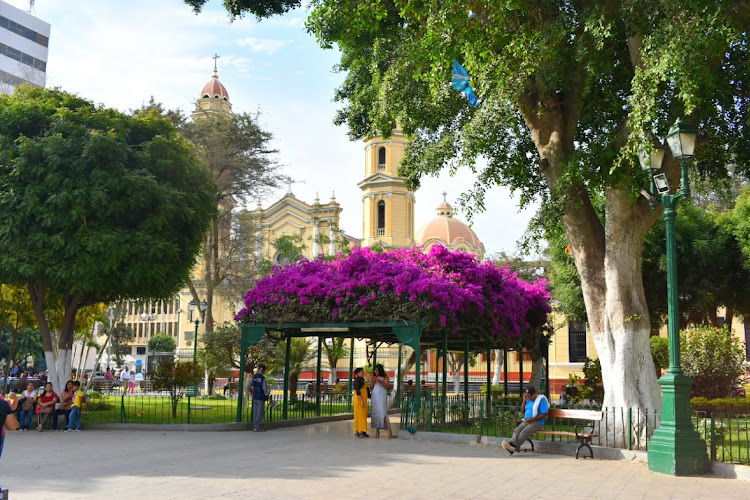
Plaza de Armas Piura represents the beating heart of this northern Peruvian city, serving as a gathering place where history meets everyday life in ways that feel genuinely authentic. This central square has watched over Piura's evolution for centuries, and honestly, it shows in the best possible way. The plaza stretches across several blocks of prime real estate in the city center, surrounded by colonial-era buildings that whisper stories of Peru's complex past. What strikes most visitors first are the magnificent old tamarind trees that create natural canopies overhead. These aren't your typical park trees – we're talking about ancient giants whose gnarled trunks and sprawling branches have provided shade for generations of piuranos. During the midday heat, and trust me the sun in Piura doesn't mess around, these trees become literal lifesavers. I've spent time under similar trees elsewhere in Peru, and there's something almost meditative about sitting beneath them while life unfolds around you. The centerpiece of the plaza is a marble statue known affectionately as "Pola." This elegant figure has become an iconic symbol of the city, photographed countless times by both locals and travelers. The statue represents feminine grace and has stood watch over the square's comings and goings for decades. Around Pola, you'll find carefully maintained flower beds that add splashes of color against the otherwise earthy tones of the plaza's stonework. Park benches dot the entire area, strategically placed to maximize shade and people-watching opportunities. And boy, is there people-watching to be had here. From early morning through late evening, the plaza pulses with activity – school kids cutting through on their way home, elderly couples taking their daily constitutional, street vendors setting up their carts, and tourists trying to capture the perfect photo of the cathedral that anchors one side of the square. Speaking of that cathedral, the Catedral de Piura looms impressively over the plaza with its yellow and white facade. Built in various stages over centuries, it's one of those buildings that photographs well but feels even more substantial in person. The cathedral's presence adds a spiritual dimension to the plaza that you can't help but notice, even if you're not particularly religious.Key Features
The Plaza de Armas Piura offers visitors several distinctive elements that make it worth adding to any travel itinerary: • Ancient tamarind trees providing extensive natural shade coverage throughout the plaza, creating cool pockets even during the hottest parts of the day • The marble statue "Pola" serving as the plaza's centerpiece and primary photo opportunity for visitors wanting a quintessential Piura memory • Wheelchair accessible entrances and parking facilities, making the plaza genuinely accessible for travelers with mobility considerations • Dog-friendly policies allowing visitors to bring their four-legged companions, which adds to the relaxed atmosphere you'll encounter • Well-maintained flower gardens that showcase regional plant species and provide seasonal color variations throughout the year • Traditional park benches crafted in classic styles that invite extended sitting sessions and contemplative moments • The imposing Catedral de Piura dominating the eastern side of the square with its colonial architecture and historic significance • Onsite services including various vendors and small businesses operating within the plaza boundaries • Family-friendly environment where children can safely enjoy the open spaces while parents relax nearby • Payment flexibility with debit card acceptance at many vendor stalls and nearby establishments • Strategic location in the city center making it an ideal starting point for exploring other Piura attractions • Street life that genuinely reflects authentic piurano culture rather than a sanitized tourist versionBest Time to Visit
Timing your visit to Plaza de Armas Piura can make the difference between a pleasant experience and feeling like you're melting into the pavement. The plaza is accessible year-round, but certain times definitely beat others. Early mornings between 6:00 and 9:00 AM offer the coolest temperatures and the most authentic local atmosphere. You'll encounter piuranos starting their day, grabbing breakfast from vendors, and the light during this period is absolutely gorgeous for photography. The cathedral looks particularly stunning when the morning sun hits its facade. Late afternoons around 5:00 to 7:00 PM present another excellent window. The day's heat begins to dissipate, families emerge for evening strolls, and the plaza takes on a more social character. Street vendors set up for the evening crowd, and you might catch impromptu musical performances or other cultural happenings. Regarding seasons, Piura's climate stays fairly consistent, but the period from May through September offers slightly milder temperatures. The city experiences very little rainfall, so weather disruptions aren't a major concern. But those summer months from December through March? They get seriously hot. I'm talking temperatures that can push past 35°C (95°F), which makes spending extended time in the plaza challenging even with those wonderful tamarind trees. Weekday visits tend to be calmer than weekends when local families flock to the plaza. If you prefer a more tranquil experience for reflection or photography, Tuesday through Thursday mornings are your best bet. However, if you want to experience the plaza's social energy at full volume, Saturday and Sunday afternoons deliver exactly that. Avoid midday visits between 11:00 AM and 3:00 PM unless you have a particular fondness for intense heat. Even locals tend to avoid the plaza during these peak sun hours, retreating to air-conditioned spaces until the world becomes tolerable again.How to Get There
Getting to Plaza de Armas Piura is refreshingly straightforward, especially since it occupies such a central position in the city. Most visitors staying anywhere in Piura's downtown area can simply walk to the plaza. The city's layout makes navigation relatively intuitive, and locals are generally helpful if you need directions. For those arriving from other cities, Piura's airport (Capitán FAP Guillermo Concha Iberico International Airport) sits about 2 kilometers from the city center. Taxis from the airport to the plaza take roughly 10-15 minutes depending on traffic and cost between 10-20 soles. Always agree on the fare before departing, or insist the driver use their meter if they have one. Bus travel represents how many Peruvians reach Piura, with several bus companies operating routes from Lima, Trujillo, Chiclayo, and other major cities. The main bus terminals are located within a few kilometers of downtown. From these terminals, you can catch a taxi for 5-10 soles or take local buses that pass near the plaza. Within the city itself, local buses and combis (shared minivans) crisscross Piura constantly. These typically cost only a few soles and many routes pass within a block or two of the plaza. Just ask the driver or other passengers if the route goes near "Plaza de Armas" and they'll point you in the right direction. Taxis and mototaxis (three-wheeled motorcycle taxis) are abundant throughout Piura. Mototaxis are cheaper and perfect for short trips across the city center. They're also kind of fun in that slightly terrifying way that only Southeast Asian and South American transport can be. Expect to pay 3-5 soles for most rides within the central district. If you're driving yourself, parking near the plaza can be challenging during busy periods. There are paid parking lots within walking distance, and street parking exists though spaces fill up quickly. The wheelchair accessible parking mentioned earlier helps visitors with specific needs.Tips for Visiting
Making the most of your Plaza de Armas experience requires a bit of local knowledge and common sense preparation. First and foremost, bring sun protection. I cannot stress this enough – Piura's sun is relentless. A good hat, sunscreen, and sunglasses aren't optional accessories; they're survival equipment. Even under those tamarind trees, UV rays find ways to get you. Hydration matters tremendously. Carry water with you or plan to purchase some from vendors around the plaza. Dehydration sneaks up on you in Piura's climate, and by the time you realize you're thirsty, you're already behind. The plaza is generally safe during daylight hours, but exercise standard urban precautions. Keep valuables secured and maintain awareness of your surroundings. Pickpocketing can occur in crowded areas, so don't make yourself an easy target by flashing expensive cameras or leaving bags unattended. Comfortable walking shoes make a significant difference. You'll likely spend time wandering the plaza and surrounding streets, and cobblestones and uneven surfaces are part of the charm. Those cute sandals might look great but won't feel great after an hour of exploring. Bring cash in small denominations. While some vendors accept debit cards, many still operate on a cash-only basis. Having 5, 10, and 20 sole notes makes transactions smoother and prevents the awkward "I don't have change" situation that happens way too often. If you're visiting with children, the plaza offers plenty of space for them to move around safely. Just keep an eye on them near the busier edges where vehicle traffic passes. The open design and lack of major hazards make it quite family-friendly. Photography enthusiasts should visit during golden hour – that magical time shortly after sunrise or before sunset when the light turns everything gorgeous. The cathedral, Pola statue, and tree-filtered light create stunning compositions. But always ask permission before photographing people directly, especially street vendors and their wares. Try the local snacks sold by vendors around the plaza. Street food in Peru is generally safe and absolutely delicious. Piura has some regional specialties you won't find elsewhere, and the plaza vendors often sell authentic versions at reasonable prices. Take time to actually sit and observe. Too many travelers rush through plazas like they're checking items off a list. The real magic happens when you settle onto a bench, maybe with a fresh juice from a nearby vendor, and just watch Piura live its life around you. You'll notice patterns, interactions, and details that you'd miss while walking through. Finally, engage with locals if you speak any Spanish. Piuranos are typically friendly and proud of their city. A simple conversation can lead to recommendations about restaurants, other attractions, or cultural events happening during your visit. And if your Spanish is limited? A smile and basic courtesy cross all language barriers.Key Features
- Historic central square with colonial-era origins (founded 16th century)
- Shady tamarind and ficus trees providing cooling canopy
- Cathedral and surrounding colonial architecture
- Local vendors, shoe-shiners, and lively street life
- Weekly civic and cultural activities (e.g., flag-raising on Sundays)
More Details
Updated January 18, 2026
Table of Contents
Description
Plaza de Armas Piura represents the beating heart of this northern Peruvian city, serving as a gathering place where history meets everyday life in ways that feel genuinely authentic. This central square has watched over Piura’s evolution for centuries, and honestly, it shows in the best possible way. The plaza stretches across several blocks of prime real estate in the city center, surrounded by colonial-era buildings that whisper stories of Peru’s complex past.
What strikes most visitors first are the magnificent old tamarind trees that create natural canopies overhead. These aren’t your typical park trees – we’re talking about ancient giants whose gnarled trunks and sprawling branches have provided shade for generations of piuranos. During the midday heat, and trust me the sun in Piura doesn’t mess around, these trees become literal lifesavers. I’ve spent time under similar trees elsewhere in Peru, and there’s something almost meditative about sitting beneath them while life unfolds around you.
The centerpiece of the plaza is a marble statue known affectionately as “Pola.” This elegant figure has become an iconic symbol of the city, photographed countless times by both locals and travelers. The statue represents feminine grace and has stood watch over the square’s comings and goings for decades. Around Pola, you’ll find carefully maintained flower beds that add splashes of color against the otherwise earthy tones of the plaza’s stonework.
Park benches dot the entire area, strategically placed to maximize shade and people-watching opportunities. And boy, is there people-watching to be had here. From early morning through late evening, the plaza pulses with activity – school kids cutting through on their way home, elderly couples taking their daily constitutional, street vendors setting up their carts, and tourists trying to capture the perfect photo of the cathedral that anchors one side of the square.
Speaking of that cathedral, the Catedral de Piura looms impressively over the plaza with its yellow and white facade. Built in various stages over centuries, it’s one of those buildings that photographs well but feels even more substantial in person. The cathedral’s presence adds a spiritual dimension to the plaza that you can’t help but notice, even if you’re not particularly religious.
Key Features
The Plaza de Armas Piura offers visitors several distinctive elements that make it worth adding to any travel itinerary:
• Ancient tamarind trees providing extensive natural shade coverage throughout the plaza, creating cool pockets even during the hottest parts of the day
• The marble statue “Pola” serving as the plaza’s centerpiece and primary photo opportunity for visitors wanting a quintessential Piura memory
• Wheelchair accessible entrances and parking facilities, making the plaza genuinely accessible for travelers with mobility considerations
• Dog-friendly policies allowing visitors to bring their four-legged companions, which adds to the relaxed atmosphere you’ll encounter
• Well-maintained flower gardens that showcase regional plant species and provide seasonal color variations throughout the year
• Traditional park benches crafted in classic styles that invite extended sitting sessions and contemplative moments
• The imposing Catedral de Piura dominating the eastern side of the square with its colonial architecture and historic significance
• Onsite services including various vendors and small businesses operating within the plaza boundaries
• Family-friendly environment where children can safely enjoy the open spaces while parents relax nearby
• Payment flexibility with debit card acceptance at many vendor stalls and nearby establishments
• Strategic location in the city center making it an ideal starting point for exploring other Piura attractions
• Street life that genuinely reflects authentic piurano culture rather than a sanitized tourist version
Best Time to Visit
Timing your visit to Plaza de Armas Piura can make the difference between a pleasant experience and feeling like you’re melting into the pavement. The plaza is accessible year-round, but certain times definitely beat others.
Early mornings between 6:00 and 9:00 AM offer the coolest temperatures and the most authentic local atmosphere. You’ll encounter piuranos starting their day, grabbing breakfast from vendors, and the light during this period is absolutely gorgeous for photography. The cathedral looks particularly stunning when the morning sun hits its facade.
Late afternoons around 5:00 to 7:00 PM present another excellent window. The day’s heat begins to dissipate, families emerge for evening strolls, and the plaza takes on a more social character. Street vendors set up for the evening crowd, and you might catch impromptu musical performances or other cultural happenings.
Regarding seasons, Piura’s climate stays fairly consistent, but the period from May through September offers slightly milder temperatures. The city experiences very little rainfall, so weather disruptions aren’t a major concern. But those summer months from December through March? They get seriously hot. I’m talking temperatures that can push past 35°C (95°F), which makes spending extended time in the plaza challenging even with those wonderful tamarind trees.
Weekday visits tend to be calmer than weekends when local families flock to the plaza. If you prefer a more tranquil experience for reflection or photography, Tuesday through Thursday mornings are your best bet. However, if you want to experience the plaza’s social energy at full volume, Saturday and Sunday afternoons deliver exactly that.
Avoid midday visits between 11:00 AM and 3:00 PM unless you have a particular fondness for intense heat. Even locals tend to avoid the plaza during these peak sun hours, retreating to air-conditioned spaces until the world becomes tolerable again.
How to Get There
Getting to Plaza de Armas Piura is refreshingly straightforward, especially since it occupies such a central position in the city. Most visitors staying anywhere in Piura’s downtown area can simply walk to the plaza. The city’s layout makes navigation relatively intuitive, and locals are generally helpful if you need directions.
For those arriving from other cities, Piura’s airport (Capitán FAP Guillermo Concha Iberico International Airport) sits about 2 kilometers from the city center. Taxis from the airport to the plaza take roughly 10-15 minutes depending on traffic and cost between 10-20 soles. Always agree on the fare before departing, or insist the driver use their meter if they have one.
Bus travel represents how many Peruvians reach Piura, with several bus companies operating routes from Lima, Trujillo, Chiclayo, and other major cities. The main bus terminals are located within a few kilometers of downtown. From these terminals, you can catch a taxi for 5-10 soles or take local buses that pass near the plaza.
Within the city itself, local buses and combis (shared minivans) crisscross Piura constantly. These typically cost only a few soles and many routes pass within a block or two of the plaza. Just ask the driver or other passengers if the route goes near “Plaza de Armas” and they’ll point you in the right direction.
Taxis and mototaxis (three-wheeled motorcycle taxis) are abundant throughout Piura. Mototaxis are cheaper and perfect for short trips across the city center. They’re also kind of fun in that slightly terrifying way that only Southeast Asian and South American transport can be. Expect to pay 3-5 soles for most rides within the central district.
If you’re driving yourself, parking near the plaza can be challenging during busy periods. There are paid parking lots within walking distance, and street parking exists though spaces fill up quickly. The wheelchair accessible parking mentioned earlier helps visitors with specific needs.
Tips for Visiting
Making the most of your Plaza de Armas experience requires a bit of local knowledge and common sense preparation. First and foremost, bring sun protection. I cannot stress this enough – Piura’s sun is relentless. A good hat, sunscreen, and sunglasses aren’t optional accessories; they’re survival equipment. Even under those tamarind trees, UV rays find ways to get you.
Hydration matters tremendously. Carry water with you or plan to purchase some from vendors around the plaza. Dehydration sneaks up on you in Piura’s climate, and by the time you realize you’re thirsty, you’re already behind.
The plaza is generally safe during daylight hours, but exercise standard urban precautions. Keep valuables secured and maintain awareness of your surroundings. Pickpocketing can occur in crowded areas, so don’t make yourself an easy target by flashing expensive cameras or leaving bags unattended.
Comfortable walking shoes make a significant difference. You’ll likely spend time wandering the plaza and surrounding streets, and cobblestones and uneven surfaces are part of the charm. Those cute sandals might look great but won’t feel great after an hour of exploring.
Bring cash in small denominations. While some vendors accept debit cards, many still operate on a cash-only basis. Having 5, 10, and 20 sole notes makes transactions smoother and prevents the awkward “I don’t have change” situation that happens way too often.
If you’re visiting with children, the plaza offers plenty of space for them to move around safely. Just keep an eye on them near the busier edges where vehicle traffic passes. The open design and lack of major hazards make it quite family-friendly.
Photography enthusiasts should visit during golden hour – that magical time shortly after sunrise or before sunset when the light turns everything gorgeous. The cathedral, Pola statue, and tree-filtered light create stunning compositions. But always ask permission before photographing people directly, especially street vendors and their wares.
Try the local snacks sold by vendors around the plaza. Street food in Peru is generally safe and absolutely delicious. Piura has some regional specialties you won’t find elsewhere, and the plaza vendors often sell authentic versions at reasonable prices.
Take time to actually sit and observe. Too many travelers rush through plazas like they’re checking items off a list. The real magic happens when you settle onto a bench, maybe with a fresh juice from a nearby vendor, and just watch Piura live its life around you. You’ll notice patterns, interactions, and details that you’d miss while walking through.
Finally, engage with locals if you speak any Spanish. Piuranos are typically friendly and proud of their city. A simple conversation can lead to recommendations about restaurants, other attractions, or cultural events happening during your visit. And if your Spanish is limited? A smile and basic courtesy cross all language barriers.
Key Highlights
- Historic central square with colonial-era origins (founded 16th century)
- Shady tamarind and ficus trees providing cooling canopy
- Cathedral and surrounding colonial architecture
- Local vendors, shoe-shiners, and lively street life
- Weekly civic and cultural activities (e.g., flag-raising on Sundays)
Location
Places to Stay Near Plaza de Armas Piura
Find and Book a Tour
Explore More Travel Guides
No reviews found! Be the first to review!
Traveler Reviews for Plaza de Armas Piura
There are no reviews yet. Be the first one to write one.
Have you visited Plaza de Armas Piura? Help other travelers by sharing your review.
Nearby Attractions
You Might Also Like
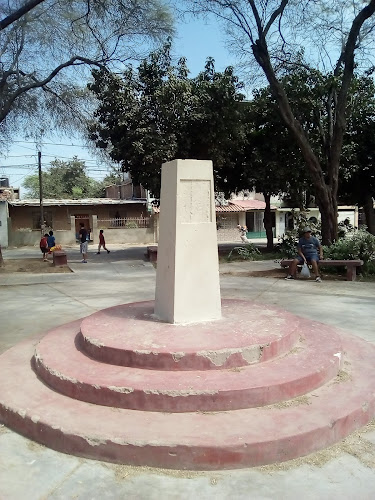
Guerra Park
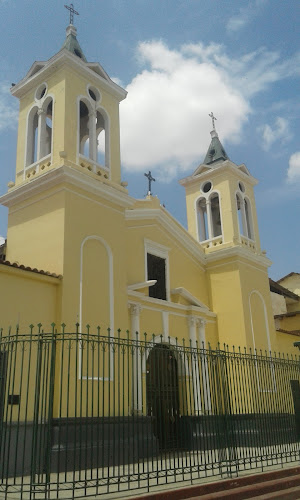
Church of Our Lady of Carmen
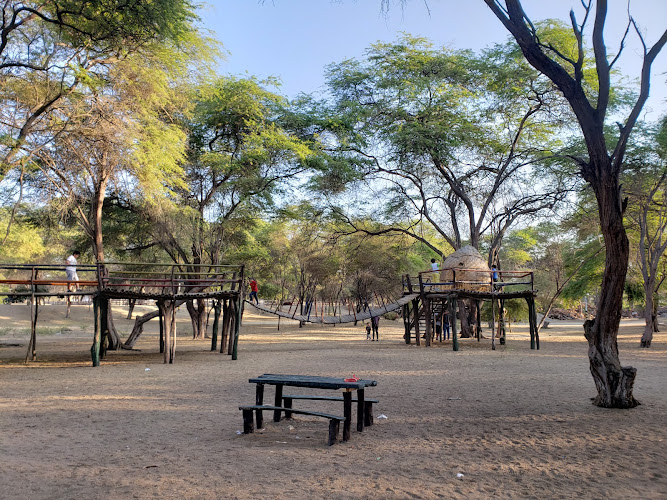
Kurt Beer Ecological Park
Find Accommodations Nearby
Recommended Tours & Activities
Visitor Reviews
There are no reviews yet. Be the first one to write one.
Share Your Experience
Have you visited Plaza de Armas Piura? Help other travelers by leaving a review.