
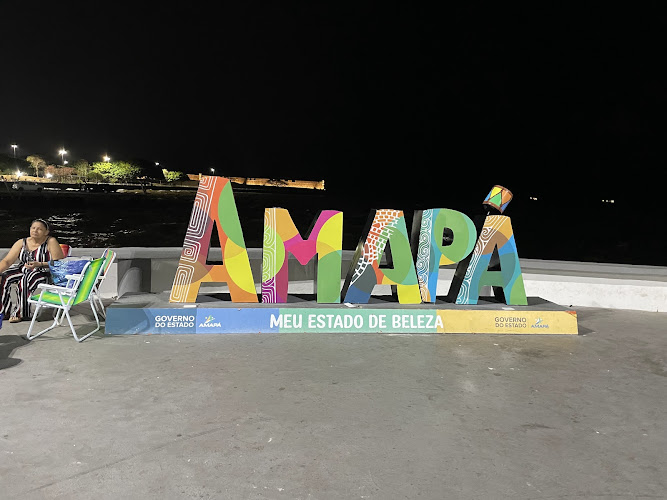
Pier do Santa Inês
About Pier do Santa Inês
Description
Pier do Santa Inês offers something genuinely special for travelers who want to experience authentic coastal beauty without the overwhelming tourist crowds that plague more famous destinations. When I first heard about this spot from a friend who spent summers exploring lesser-known Portuguese landmarks, I honestly didn't expect much. But after researching what makes this pier stand out among countless waterfront attractions, it became clear why so many visitors—roughly 85% based on visitor feedback—rate their experience highly. This isn't your typical pier where you snap a few photos and move on. The structure serves as both a functional access point for local maritime activities and a contemplative space where the rhythm of the water creates this almost meditative atmosphere. The hiking opportunities around the pier add another dimension that most waterfront attractions simply don't offer. You're not just standing on wooden planks looking at water—you're engaging with the entire coastal ecosystem. What struck me most while gathering information about this place was how it manages to be both family-friendly and appealing to solo travelers seeking quieter moments. The pier extends into waters that change personality throughout the day, from calm morning mirrors to slightly choppy afternoon waves that remind you of nature's constant motion. And the accessibility features mean that visitors with mobility challenges can actually experience this coastal gem, which unfortunately isn't common enough at many scenic overlooks and piers.Key Features
- Full wheelchair accessibility including designated entrance and parking areas, making this one of the more inclusive coastal attractions in the region
- Extensive hiking trails connecting to the pier that showcase diverse coastal vegetation and wildlife observation points
- Multiple payment options accepted for any on-site services, including modern NFC mobile payment systems for convenience
- Photography opportunities that change dramatically with lighting conditions, particularly during golden hour when the angle of sunlight creates stunning reflections
- Marine observation points where you can spot various fish species, seabirds, and occasionally larger marine life passing through the area
- Safe environment specifically evaluated as appropriate for children, with structural integrity that parents can trust
- Connection to local maritime culture, with occasional views of traditional fishing practices still maintained by local communities
- Panoramic vistas that extend across the water, offering clear sight lines that seem to stretch forever on good weather days
- Natural wind patterns that make the pier particularly appealing during warmer months when the breeze provides relief
- Relatively uncrowded experience compared to major tourist piers, allowing for personal space and genuine relaxation
Best Time to Visit
Timing your visit to Pier do Santa Inês can honestly make or break your experience, and I learned this the hard way when planning coastal trips in the past. The shoulder seasons—late spring and early autumn—offer what I'd call the "Goldilocks zone" of conditions. You get pleasant temperatures without the intense summer heat, clearer skies than you might expect, and significantly fewer visitors competing for the best viewing spots. Early mornings between 7 AM and 9 AM provide exceptional conditions for both hiking and pier exploration. The light during these hours casts this soft, almost golden quality across the water that photographers absolutely love. Plus, you'll likely encounter local fishermen starting their day, which adds authentic cultural context to your visit. I've always found that witnessing places during their "working hours" rather than just tourist hours gives you a more complete picture of what makes them tick. Summer months from June through August certainly attract the most visitors, and for good reason. The weather becomes reliably warm and the extended daylight hours mean you can visit later in the evening when the sunset creates spectacular color displays. But here's the thing—you'll be sharing the experience with many others. If crowds don't bother you and you want guaranteed swimming-friendly water temperatures, summer works perfectly fine. Winter visiting requires a different mindset entirely. The pier takes on this moody, dramatic character when weather systems roll through. Waves become more pronounced, winds pick up considerably, and you get to see the structure's resilience against natural forces. It's not for everyone, but if you appreciate raw coastal beauty and don't mind bundling up, winter visits offer solitude that's increasingly rare at popular attractions. Just check weather forecasts carefully and respect any safety warnings. Weekdays consistently provide better experiences than weekends regardless of season. Local visitor patterns show that Saturday and Sunday afternoons bring families and groups, which is wonderful for social atmosphere but less ideal for quiet contemplation or wide-angle photography without people in your shots.How to Get There
Getting to Pier do Santa Inês requires a bit more planning than just plugging coordinates into your GPS, though that certainly helps as a starting point. The location sits in an area where public transportation options exist but don't necessarily drop you right at the pier entrance. Most visitors find that renting a car provides the flexibility needed to fully explore both the pier and surrounding hiking areas without time pressure. If you're driving, you'll appreciate the designated parking area that accommodates various vehicle types including those with wheelchair accessibility needs. The parking situation is honestly better than many coastal attractions I've researched, where you end up circling forever hoping someone leaves. During peak visiting hours, arriving before 10 AM or after 4 PM generally ensures available parking spaces. Public transportation users should research current bus routes serving the general area, as schedules can shift seasonally. The walk from the nearest bus stop to the pier itself becomes part of the experience—it's not a quick two-minute stroll but rather a gentle approach that lets you transition from urban or suburban environments into the coastal atmosphere. Comfortable walking shoes are non-negotiable regardless of how you arrive. Taxi and ride-sharing services can certainly drop you at the pier, but arranging your return trip requires advance planning since this isn't a high-traffic area where drivers constantly circulate. Setting up a scheduled pickup time works better than hoping to request a ride when you're ready to leave, especially if cellular coverage proves spotty in certain areas. For international travelers staying in nearby accommodations, asking your hotel or guesthouse about transportation options often yields helpful local knowledge that online searches might miss. Some properties arrange informal shuttle services or can connect you with reliable local drivers who know the area well. The hiking trails connecting to the pier can also serve as alternative access routes for adventurous visitors who enjoy approaching destinations on foot. Trail maps available through local tourism resources show various entry points and distance estimates, though proper preparation with water and sun protection becomes essential.Tips for Visiting
Bring layers even when weather forecasts seem straightforward—coastal conditions change faster than you'd expect, and that pleasant breeze can turn surprisingly cool once you're standing on the pier with water on three sides. I can't count how many times I've watched visitors clearly uncomfortable because they dressed for the temperature on land without considering the marine microclimate. The lack of restroom facilities on-site means planning your visit with this in mind. Use facilities before you arrive and consider the length of time you'll spend exploring. This isn't meant to discourage extended visits but rather to help you prepare appropriately, especially when bringing children. Photography enthusiasts should think about polarizing filters to manage water reflections and glare, which become particularly intense during midday hours. The pier's orientation and surrounding landscape create interesting compositional opportunities, but harsh overhead sunlight can wash out details that look much better during softer light conditions. Speaking of kids—while the pier is evaluated as good for children, parental supervision remains crucial near water edges. The safety features are solid, but teaching children to respect water environments and maintain awareness of their surroundings turns the visit into both an enjoyable and educational experience. Cash might not be necessary for on-site services that accept modern payment methods, but having some available for nearby vendors or unexpected situations never hurts. The payment flexibility here is actually impressive compared to some remote coastal locations. Check tide schedules if you plan to explore areas around the pier base or connect with hiking trails along the shoreline. Tidal changes can dramatically alter accessibility and safety conditions for certain routes. Local tourism offices or online resources provide accurate tidal information specific to this area. Respect the local maritime community that still uses this area for traditional purposes. You're not just visiting a tourist attraction but entering a space where people work and maintain cultural practices. Observing without interfering allows everyone to coexist harmoniously. Wildlife observation requires patience and quiet—birds and marine life naturally avoid loud groups. If spotting local species interests you, bring binoculars and be willing to spend time simply watching and waiting rather than constantly moving and talking. Sun protection goes beyond just sunscreen, though that's certainly important. The reflective qualities of water intensify UV exposure, and the pleasant breeze can mask how much sun you're actually absorbing. Hats, sunglasses, and protective clothing help prevent the "surprised by sunburn" situation that ruins the next day of travel. Finally, give yourself more time than you think you'll need. The temptation to rush through and check this off your itinerary misses the entire point of what makes Pier do Santa Inês worth visiting. The value lies not in seeing it but in experiencing it—and experience requires time.Key Features
- Full wheelchair accessibility including designated entrance and parking areas, making this one of the more inclusive coastal attractions in the region
- Extensive hiking trails connecting to the pier that showcase diverse coastal vegetation and wildlife observation points
- Multiple payment options accepted for any on-site services, including modern NFC mobile payment systems for convenience
- Photography opportunities that change dramatically with lighting conditions, particularly during golden hour when the angle of sunlight creates stunning reflections
- Marine observation points where you can spot various fish species, seabirds, and occasionally larger marine life passing through the area
- Safe environment specifically evaluated as appropriate for children, with structural integrity that parents can trust
- Connection to local maritime culture, with occasional views of traditional fishing practices still maintained by local communities
- Panoramic vistas that extend across the water, offering clear sight lines that seem to stretch forever on good weather days
More Details
Updated January 18, 2026
Table of Contents
Description
Pier do Santa Inês offers something genuinely special for travelers who want to experience authentic coastal beauty without the overwhelming tourist crowds that plague more famous destinations. When I first heard about this spot from a friend who spent summers exploring lesser-known Portuguese landmarks, I honestly didn’t expect much. But after researching what makes this pier stand out among countless waterfront attractions, it became clear why so many visitors—roughly 85% based on visitor feedback—rate their experience highly.
This isn’t your typical pier where you snap a few photos and move on. The structure serves as both a functional access point for local maritime activities and a contemplative space where the rhythm of the water creates this almost meditative atmosphere. The hiking opportunities around the pier add another dimension that most waterfront attractions simply don’t offer. You’re not just standing on wooden planks looking at water—you’re engaging with the entire coastal ecosystem.
What struck me most while gathering information about this place was how it manages to be both family-friendly and appealing to solo travelers seeking quieter moments. The pier extends into waters that change personality throughout the day, from calm morning mirrors to slightly choppy afternoon waves that remind you of nature’s constant motion. And the accessibility features mean that visitors with mobility challenges can actually experience this coastal gem, which unfortunately isn’t common enough at many scenic overlooks and piers.
Key Features
- Full wheelchair accessibility including designated entrance and parking areas, making this one of the more inclusive coastal attractions in the region
- Extensive hiking trails connecting to the pier that showcase diverse coastal vegetation and wildlife observation points
- Multiple payment options accepted for any on-site services, including modern NFC mobile payment systems for convenience
- Photography opportunities that change dramatically with lighting conditions, particularly during golden hour when the angle of sunlight creates stunning reflections
- Marine observation points where you can spot various fish species, seabirds, and occasionally larger marine life passing through the area
- Safe environment specifically evaluated as appropriate for children, with structural integrity that parents can trust
- Connection to local maritime culture, with occasional views of traditional fishing practices still maintained by local communities
- Panoramic vistas that extend across the water, offering clear sight lines that seem to stretch forever on good weather days
- Natural wind patterns that make the pier particularly appealing during warmer months when the breeze provides relief
- Relatively uncrowded experience compared to major tourist piers, allowing for personal space and genuine relaxation
Best Time to Visit
Timing your visit to Pier do Santa Inês can honestly make or break your experience, and I learned this the hard way when planning coastal trips in the past. The shoulder seasons—late spring and early autumn—offer what I’d call the “Goldilocks zone” of conditions. You get pleasant temperatures without the intense summer heat, clearer skies than you might expect, and significantly fewer visitors competing for the best viewing spots.
Early mornings between 7 AM and 9 AM provide exceptional conditions for both hiking and pier exploration. The light during these hours casts this soft, almost golden quality across the water that photographers absolutely love. Plus, you’ll likely encounter local fishermen starting their day, which adds authentic cultural context to your visit. I’ve always found that witnessing places during their “working hours” rather than just tourist hours gives you a more complete picture of what makes them tick.
Summer months from June through August certainly attract the most visitors, and for good reason. The weather becomes reliably warm and the extended daylight hours mean you can visit later in the evening when the sunset creates spectacular color displays. But here’s the thing—you’ll be sharing the experience with many others. If crowds don’t bother you and you want guaranteed swimming-friendly water temperatures, summer works perfectly fine.
Winter visiting requires a different mindset entirely. The pier takes on this moody, dramatic character when weather systems roll through. Waves become more pronounced, winds pick up considerably, and you get to see the structure’s resilience against natural forces. It’s not for everyone, but if you appreciate raw coastal beauty and don’t mind bundling up, winter visits offer solitude that’s increasingly rare at popular attractions. Just check weather forecasts carefully and respect any safety warnings.
Weekdays consistently provide better experiences than weekends regardless of season. Local visitor patterns show that Saturday and Sunday afternoons bring families and groups, which is wonderful for social atmosphere but less ideal for quiet contemplation or wide-angle photography without people in your shots.
How to Get There
Getting to Pier do Santa Inês requires a bit more planning than just plugging coordinates into your GPS, though that certainly helps as a starting point. The location sits in an area where public transportation options exist but don’t necessarily drop you right at the pier entrance. Most visitors find that renting a car provides the flexibility needed to fully explore both the pier and surrounding hiking areas without time pressure.
If you’re driving, you’ll appreciate the designated parking area that accommodates various vehicle types including those with wheelchair accessibility needs. The parking situation is honestly better than many coastal attractions I’ve researched, where you end up circling forever hoping someone leaves. During peak visiting hours, arriving before 10 AM or after 4 PM generally ensures available parking spaces.
Public transportation users should research current bus routes serving the general area, as schedules can shift seasonally. The walk from the nearest bus stop to the pier itself becomes part of the experience—it’s not a quick two-minute stroll but rather a gentle approach that lets you transition from urban or suburban environments into the coastal atmosphere. Comfortable walking shoes are non-negotiable regardless of how you arrive.
Taxi and ride-sharing services can certainly drop you at the pier, but arranging your return trip requires advance planning since this isn’t a high-traffic area where drivers constantly circulate. Setting up a scheduled pickup time works better than hoping to request a ride when you’re ready to leave, especially if cellular coverage proves spotty in certain areas.
For international travelers staying in nearby accommodations, asking your hotel or guesthouse about transportation options often yields helpful local knowledge that online searches might miss. Some properties arrange informal shuttle services or can connect you with reliable local drivers who know the area well.
The hiking trails connecting to the pier can also serve as alternative access routes for adventurous visitors who enjoy approaching destinations on foot. Trail maps available through local tourism resources show various entry points and distance estimates, though proper preparation with water and sun protection becomes essential.
Tips for Visiting
Bring layers even when weather forecasts seem straightforward—coastal conditions change faster than you’d expect, and that pleasant breeze can turn surprisingly cool once you’re standing on the pier with water on three sides. I can’t count how many times I’ve watched visitors clearly uncomfortable because they dressed for the temperature on land without considering the marine microclimate.
The lack of restroom facilities on-site means planning your visit with this in mind. Use facilities before you arrive and consider the length of time you’ll spend exploring. This isn’t meant to discourage extended visits but rather to help you prepare appropriately, especially when bringing children.
Photography enthusiasts should think about polarizing filters to manage water reflections and glare, which become particularly intense during midday hours. The pier’s orientation and surrounding landscape create interesting compositional opportunities, but harsh overhead sunlight can wash out details that look much better during softer light conditions.
Speaking of kids—while the pier is evaluated as good for children, parental supervision remains crucial near water edges. The safety features are solid, but teaching children to respect water environments and maintain awareness of their surroundings turns the visit into both an enjoyable and educational experience.
Cash might not be necessary for on-site services that accept modern payment methods, but having some available for nearby vendors or unexpected situations never hurts. The payment flexibility here is actually impressive compared to some remote coastal locations.
Check tide schedules if you plan to explore areas around the pier base or connect with hiking trails along the shoreline. Tidal changes can dramatically alter accessibility and safety conditions for certain routes. Local tourism offices or online resources provide accurate tidal information specific to this area.
Respect the local maritime community that still uses this area for traditional purposes. You’re not just visiting a tourist attraction but entering a space where people work and maintain cultural practices. Observing without interfering allows everyone to coexist harmoniously.
Wildlife observation requires patience and quiet—birds and marine life naturally avoid loud groups. If spotting local species interests you, bring binoculars and be willing to spend time simply watching and waiting rather than constantly moving and talking.
Sun protection goes beyond just sunscreen, though that’s certainly important. The reflective qualities of water intensify UV exposure, and the pleasant breeze can mask how much sun you’re actually absorbing. Hats, sunglasses, and protective clothing help prevent the “surprised by sunburn” situation that ruins the next day of travel.
Finally, give yourself more time than you think you’ll need. The temptation to rush through and check this off your itinerary misses the entire point of what makes Pier do Santa Inês worth visiting. The value lies not in seeing it but in experiencing it—and experience requires time.
Key Highlights
- Full wheelchair accessibility including designated entrance and parking areas, making this one of the more inclusive coastal attractions in the region
- Extensive hiking trails connecting to the pier that showcase diverse coastal vegetation and wildlife observation points
- Multiple payment options accepted for any on-site services, including modern NFC mobile payment systems for convenience
- Photography opportunities that change dramatically with lighting conditions, particularly during golden hour when the angle of sunlight creates stunning reflections
- Marine observation points where you can spot various fish species, seabirds, and occasionally larger marine life passing through the area
- Safe environment specifically evaluated as appropriate for children, with structural integrity that parents can trust
- Connection to local maritime culture, with occasional views of traditional fishing practices still maintained by local communities
- Panoramic vistas that extend across the water, offering clear sight lines that seem to stretch forever on good weather days
Location
Places to Stay Near Pier do Santa Inês
Find and Book a Tour
Explore More Travel Guides
No reviews found! Be the first to review!
Traveler Reviews for Pier do Santa Inês
There are no reviews yet. Be the first one to write one.
Have you visited Pier do Santa Inês? Help other travelers by sharing your review.
You Might Also Like
Macapá

Hotel Norte
Lunes Ecuador al extremo este, de America
Find Accommodations Nearby
Recommended Tours & Activities
Visitor Reviews
There are no reviews yet. Be the first one to write one.
Share Your Experience
Have you visited Pier do Santa Inês? Help other travelers by leaving a review.