
Santa Catarina Art Museum
About Santa Catarina Art Museum
Description
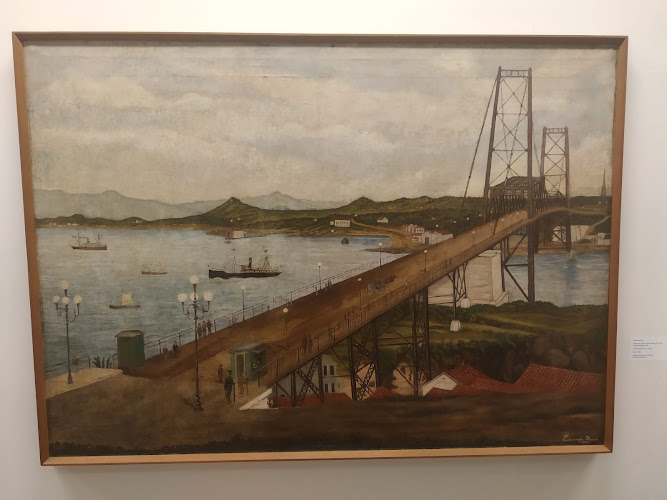
The Santa Catarina Art Museum stands as one of Brazil's most compelling destinations for travelers who appreciate contemporary artistic expression. This fine art museum has carved out quite a reputation for itself, showcasing an impressive collection of modern works from artists whose names you'll definitely recognize. But here's what really sets it apart from your typical art museum experience – it manages to feel both sophisticated and completely approachable at the same time. Walking through these halls, visitors encounter carefully curated exhibitions that span various movements in modern art. The museum doesn't just throw paintings on walls and call it a day. Instead, the collection flows naturally from one space to another, creating this narrative that even folks who aren't particularly art-savvy can follow and enjoy. I've always believed that the best museums are the ones where you don't need a PhD to appreciate what you're seeing, and this place gets that balance just right. What makes the Santa Catarina Art Museum particularly interesting is how it integrates itself into the broader cultural landscape. You're not just looking at static displays here. The museum regularly hosts live performances that transform the galleries into dynamic spaces where visual art meets other creative disciplines. This approach breathes life into the experience in ways that traditional museums sometimes miss. The building itself complements the art it houses, with architectural elements that enhance rather than overshadow the exhibitions. Natural light plays a significant role in how pieces are displayed, and the flow between galleries feels intentional and thoughtful. And when you need a break from all that cultural absorption, there's an on-site cafe where you can decompress and process what you've just seen.Key Features
- Extensive collection of modern and contemporary artworks from recognized artists across multiple disciplines and movements
- Live performance events that integrate performing arts with visual exhibitions, creating unique cross-disciplinary experiences
- On-site restaurant and cafe serving refreshments and meals, allowing visitors to extend their stay comfortably
- Fully accessible facilities throughout, including wheelchair-accessible entrances, parking areas, and restrooms for all visitors
- Family-friendly environment with amenities specifically designed for parents traveling with young children, including changing tables
- Rotating exhibitions that ensure repeat visitors always encounter fresh perspectives and new artistic voices
- Clean, well-maintained facilities with modern restrooms and comfortable viewing spaces
- Professional curation that presents art in accessible, engaging ways regardless of visitor's prior art knowledge
- Architectural design that complements the artwork while providing an aesthetically pleasing environment for contemplation
Best Time to Visit
Timing your visit to the Santa Catarina Art Museum can really make or break your experience, and I'm speaking from the perspective of someone who's learned this lesson at various cultural institutions over the years. Weekday mornings, particularly Tuesday through Thursday between 10 AM and noon, offer the most peaceful viewing conditions. You'll find the galleries pleasantly uncrowded, giving you space to really sit with pieces that speak to you without feeling rushed by crowds. Weekends naturally draw larger numbers of visitors, especially Saturday afternoons when families and tourists converge. That said, if you enjoy the energy of a busier museum atmosphere, Saturday mornings right when they open aren't terrible. You'll beat some of the rush but still have that communal feeling of sharing space with other art enthusiasts. The museum's special events and live performances typically happen during evening hours and select weekends. If you're someone who wants the full experience including these performances, you'll want to plan accordingly and check their schedule in advance. These events do draw dedicated crowds, so arriving early becomes even more important. Weather doesn't impact the museum visit itself since you're indoors, but Santa Catarina's climate does influence the surrounding area's mood. The region's pleasant spring months from September through November make for enjoyable pre or post-museum strolls in the vicinity. Summer brings more tourists overall, so expect higher visitor volumes from December through March. Honestly, Monday visits can be hit or miss – some museums are closed Mondays, though you'll want to verify current operating schedules. But Tuesday stands out as consistently being one of those sweet spots where everything just works in your favor.How to Get There
Getting yourself to the Santa Catarina Art Museum doesn't require any special navigation skills, which is refreshing considering how some cultural attractions seem to hide themselves away. The museum occupies a location that's accessible through multiple transportation methods, giving travelers flexibility based on their preferences and circumstances. For those relying on public transportation, local bus routes service the area with regular frequency. The public transit system in this region actually works pretty well, and you won't find yourself stranded or waiting endlessly. Just grab a transit map or use one of those handy smartphone apps that track bus arrivals in real-time. Several lines stop within easy walking distance of the museum entrance. Taxi and ride-sharing services present another straightforward option. Drivers in the area know the museum well, so you won't need to provide detailed directions – just mentioning the Santa Catarina Art Museum by name gets you there. The convenience factor here really can't be overstated, especially if you're traveling with kids or have mobility considerations. If you're driving yourself, the museum provides wheelchair-accessible parking on-site, which honestly deserves applause since parking can be such a nightmare at popular attractions. The lot accommodates a decent number of vehicles, though arriving earlier in the day increases your chances of snagging a spot during busier periods. Walking to the museum works wonderfully if your accommodation sits within reasonable distance. The surrounding neighborhood is pedestrian-friendly, and honestly, some of my best travel experiences have come from those unplanned discoveries you make while walking to your destination. You might stumble upon a local cafe or shop that becomes the unexpected highlight of your day. For international travelers, the museum is reasonably accessible from major hotels and accommodation areas. Most concierge services can provide specific directions based on your starting point, and they're usually pretty knowledgeable about the easiest routes.Tips for Visiting
Let me share some practical wisdom that'll enhance your museum experience beyond what the standard brochures tell you. First off, comfortable shoes aren't optional – they're mandatory. You'll be doing more standing and walking than you probably anticipate, and nothing ruins an art appreciation session faster than feet that are screaming for mercy. Trust me on this one. The on-site cafe serves dual purposes in your visit strategy. Yes, it's great for grabbing coffee or a meal, but it's also an ideal spot for what I call the "midpoint reset." After absorbing art for an hour or two, your brain actually needs a break to process everything. Taking 20 minutes to sit, have a snack, and just decompress allows you to approach the second half of your visit with fresh eyes and renewed attention. Photography policies vary by exhibition, so ask staff about current rules before you start snapping pictures. Some areas allow photos without flash, while special exhibitions might restrict photography entirely. Getting clarity upfront prevents that awkward moment when a guard asks you to delete photos. The museum's accessibility features aren't just checkboxes on a requirements list – they're genuinely well-implemented. If you or someone in your group needs these accommodations, don't hesitate to ask staff for assistance. They're familiar with the accessible routes and can help you plan the most comfortable path through the galleries. Families with young children should definitely take advantage of those changing tables, but also consider timing your visit around your kids' natural energy patterns. A well-rested child who visits in the morning will engage more positively with the art than one who's cranky from skipping naptime. The museum is good for kids, but that doesn't mean kids are always in the mood for museums, you know? Check whether any live performances coincide with your visit. These events transform the museum experience entirely, adding layers of engagement that static exhibitions can't match. Even if you arrive for a regular viewing day, knowing the performance schedule helps you plan a potential return visit. Bring a small notebook or use your phone to jot down names of artists whose work resonates with you. Gallery fatigue is real, and by the time you've walked through multiple rooms, pieces start blending together in memory. Quick notes help you remember which specific works moved you and give you research starting points later. The restaurant offers more substantial dining options than your typical museum cafe. If you're planning an extended visit, consider making this a lunch destination rather than just a quick refreshment stop. It's actually a pleasant environment, and the convenience of not having to leave the premises gives you flexibility in pacing your day. Don't try to see absolutely everything in one visit unless you genuinely have unlimited time and energy. Museum fatigue is a documented phenomenon where after a certain point, you stop actually processing what you're seeing. It's better to spend quality time with fewer pieces than to rush through everything just to say you saw it all. Finally, give yourself permission to skip things that don't speak to you. Just because something is famous or critically acclaimed doesn't mean you have to stand there pretending to be moved by it. The beauty of art is its subjectivity, and your authentic responses matter more than checking boxes on some imaginary must-see list.Key Features
- Permanent and rotating exhibitions focused on modern and contemporary Brazilian art
- Strong emphasis on artists from the state of Santa Catarina
- Located in the Centro Integrado de Cultura (CIC) cultural complex
- Educational programs and temporary curated shows
- Accessible city-center location near other cultural venues
More Details
Updated January 18, 2026
Table of Contents
Description
The Santa Catarina Art Museum stands as one of Brazil’s most compelling destinations for travelers who appreciate contemporary artistic expression. This fine art museum has carved out quite a reputation for itself, showcasing an impressive collection of modern works from artists whose names you’ll definitely recognize. But here’s what really sets it apart from your typical art museum experience – it manages to feel both sophisticated and completely approachable at the same time.
Walking through these halls, visitors encounter carefully curated exhibitions that span various movements in modern art. The museum doesn’t just throw paintings on walls and call it a day. Instead, the collection flows naturally from one space to another, creating this narrative that even folks who aren’t particularly art-savvy can follow and enjoy. I’ve always believed that the best museums are the ones where you don’t need a PhD to appreciate what you’re seeing, and this place gets that balance just right.
What makes the Santa Catarina Art Museum particularly interesting is how it integrates itself into the broader cultural landscape. You’re not just looking at static displays here. The museum regularly hosts live performances that transform the galleries into dynamic spaces where visual art meets other creative disciplines. This approach breathes life into the experience in ways that traditional museums sometimes miss.
The building itself complements the art it houses, with architectural elements that enhance rather than overshadow the exhibitions. Natural light plays a significant role in how pieces are displayed, and the flow between galleries feels intentional and thoughtful. And when you need a break from all that cultural absorption, there’s an on-site cafe where you can decompress and process what you’ve just seen.
Key Features
- Extensive collection of modern and contemporary artworks from recognized artists across multiple disciplines and movements
- Live performance events that integrate performing arts with visual exhibitions, creating unique cross-disciplinary experiences
- On-site restaurant and cafe serving refreshments and meals, allowing visitors to extend their stay comfortably
- Fully accessible facilities throughout, including wheelchair-accessible entrances, parking areas, and restrooms for all visitors
- Family-friendly environment with amenities specifically designed for parents traveling with young children, including changing tables
- Rotating exhibitions that ensure repeat visitors always encounter fresh perspectives and new artistic voices
- Clean, well-maintained facilities with modern restrooms and comfortable viewing spaces
- Professional curation that presents art in accessible, engaging ways regardless of visitor’s prior art knowledge
- Architectural design that complements the artwork while providing an aesthetically pleasing environment for contemplation
Best Time to Visit
Timing your visit to the Santa Catarina Art Museum can really make or break your experience, and I’m speaking from the perspective of someone who’s learned this lesson at various cultural institutions over the years. Weekday mornings, particularly Tuesday through Thursday between 10 AM and noon, offer the most peaceful viewing conditions. You’ll find the galleries pleasantly uncrowded, giving you space to really sit with pieces that speak to you without feeling rushed by crowds.
Weekends naturally draw larger numbers of visitors, especially Saturday afternoons when families and tourists converge. That said, if you enjoy the energy of a busier museum atmosphere, Saturday mornings right when they open aren’t terrible. You’ll beat some of the rush but still have that communal feeling of sharing space with other art enthusiasts.
The museum’s special events and live performances typically happen during evening hours and select weekends. If you’re someone who wants the full experience including these performances, you’ll want to plan accordingly and check their schedule in advance. These events do draw dedicated crowds, so arriving early becomes even more important.
Weather doesn’t impact the museum visit itself since you’re indoors, but Santa Catarina’s climate does influence the surrounding area’s mood. The region’s pleasant spring months from September through November make for enjoyable pre or post-museum strolls in the vicinity. Summer brings more tourists overall, so expect higher visitor volumes from December through March.
Honestly, Monday visits can be hit or miss – some museums are closed Mondays, though you’ll want to verify current operating schedules. But Tuesday stands out as consistently being one of those sweet spots where everything just works in your favor.
How to Get There
Getting yourself to the Santa Catarina Art Museum doesn’t require any special navigation skills, which is refreshing considering how some cultural attractions seem to hide themselves away. The museum occupies a location that’s accessible through multiple transportation methods, giving travelers flexibility based on their preferences and circumstances.
For those relying on public transportation, local bus routes service the area with regular frequency. The public transit system in this region actually works pretty well, and you won’t find yourself stranded or waiting endlessly. Just grab a transit map or use one of those handy smartphone apps that track bus arrivals in real-time. Several lines stop within easy walking distance of the museum entrance.
Taxi and ride-sharing services present another straightforward option. Drivers in the area know the museum well, so you won’t need to provide detailed directions – just mentioning the Santa Catarina Art Museum by name gets you there. The convenience factor here really can’t be overstated, especially if you’re traveling with kids or have mobility considerations.
If you’re driving yourself, the museum provides wheelchair-accessible parking on-site, which honestly deserves applause since parking can be such a nightmare at popular attractions. The lot accommodates a decent number of vehicles, though arriving earlier in the day increases your chances of snagging a spot during busier periods.
Walking to the museum works wonderfully if your accommodation sits within reasonable distance. The surrounding neighborhood is pedestrian-friendly, and honestly, some of my best travel experiences have come from those unplanned discoveries you make while walking to your destination. You might stumble upon a local cafe or shop that becomes the unexpected highlight of your day.
For international travelers, the museum is reasonably accessible from major hotels and accommodation areas. Most concierge services can provide specific directions based on your starting point, and they’re usually pretty knowledgeable about the easiest routes.
Tips for Visiting
Let me share some practical wisdom that’ll enhance your museum experience beyond what the standard brochures tell you. First off, comfortable shoes aren’t optional – they’re mandatory. You’ll be doing more standing and walking than you probably anticipate, and nothing ruins an art appreciation session faster than feet that are screaming for mercy. Trust me on this one.
The on-site cafe serves dual purposes in your visit strategy. Yes, it’s great for grabbing coffee or a meal, but it’s also an ideal spot for what I call the “midpoint reset.” After absorbing art for an hour or two, your brain actually needs a break to process everything. Taking 20 minutes to sit, have a snack, and just decompress allows you to approach the second half of your visit with fresh eyes and renewed attention.
Photography policies vary by exhibition, so ask staff about current rules before you start snapping pictures. Some areas allow photos without flash, while special exhibitions might restrict photography entirely. Getting clarity upfront prevents that awkward moment when a guard asks you to delete photos.
The museum’s accessibility features aren’t just checkboxes on a requirements list – they’re genuinely well-implemented. If you or someone in your group needs these accommodations, don’t hesitate to ask staff for assistance. They’re familiar with the accessible routes and can help you plan the most comfortable path through the galleries.
Families with young children should definitely take advantage of those changing tables, but also consider timing your visit around your kids’ natural energy patterns. A well-rested child who visits in the morning will engage more positively with the art than one who’s cranky from skipping naptime. The museum is good for kids, but that doesn’t mean kids are always in the mood for museums, you know?
Check whether any live performances coincide with your visit. These events transform the museum experience entirely, adding layers of engagement that static exhibitions can’t match. Even if you arrive for a regular viewing day, knowing the performance schedule helps you plan a potential return visit.
Bring a small notebook or use your phone to jot down names of artists whose work resonates with you. Gallery fatigue is real, and by the time you’ve walked through multiple rooms, pieces start blending together in memory. Quick notes help you remember which specific works moved you and give you research starting points later.
The restaurant offers more substantial dining options than your typical museum cafe. If you’re planning an extended visit, consider making this a lunch destination rather than just a quick refreshment stop. It’s actually a pleasant environment, and the convenience of not having to leave the premises gives you flexibility in pacing your day.
Don’t try to see absolutely everything in one visit unless you genuinely have unlimited time and energy. Museum fatigue is a documented phenomenon where after a certain point, you stop actually processing what you’re seeing. It’s better to spend quality time with fewer pieces than to rush through everything just to say you saw it all.
Finally, give yourself permission to skip things that don’t speak to you. Just because something is famous or critically acclaimed doesn’t mean you have to stand there pretending to be moved by it. The beauty of art is its subjectivity, and your authentic responses matter more than checking boxes on some imaginary must-see list.
Key Highlights
- Permanent and rotating exhibitions focused on modern and contemporary Brazilian art
- Strong emphasis on artists from the state of Santa Catarina
- Located in the Centro Integrado de Cultura (CIC) cultural complex
- Educational programs and temporary curated shows
- Accessible city-center location near other cultural venues
Location
Places to Stay Near Santa Catarina Art Museum
Find and Book a Tour
Explore More Travel Guides
No reviews found! Be the first to review!
Traveler Reviews for Santa Catarina Art Museum
There are no reviews yet. Be the first one to write one.
Have you visited Santa Catarina Art Museum? Help other travelers by sharing your review.
Nearby Attractions
You Might Also Like
Museum of Trash

The Lagoon Comercial

Rod. Admar Gonzaga, 4750 - Itacorubi
Find Accommodations Nearby
Recommended Tours & Activities
Visitor Reviews
There are no reviews yet. Be the first one to write one.
Share Your Experience
Have you visited Santa Catarina Art Museum? Help other travelers by leaving a review.