
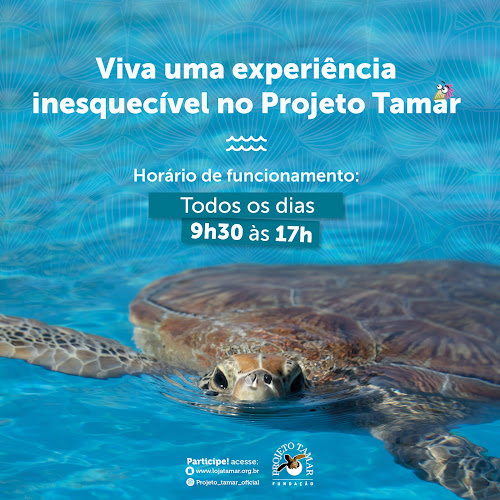
Fundação Projeto Tamar – Florianópolis
About Fundação Projeto Tamar – Florianópolis
Description
Fundação Projeto Tamar in Florianópolis represents one of Brazil's most successful marine conservation initiatives, and honestly, it's become way more than just a typical wildlife center. What started as a small project back in the 1980s to protect endangered sea turtles has grown into this amazing educational hub where visitors can get up close with these ancient marine creatures while learning about the real challenges facing ocean wildlife today. The foundation operates several centers throughout Brazil, but the Florianópolis location holds special appeal for travelers exploring Santa Catarina Island. You'll find yourself walking through thoughtfully designed exhibits that showcase five different species of sea turtles found in Brazilian waters - the loggerhead, green, hawksbill, olive ridley, and the impressive leatherback. And let me tell you, seeing these magnificent animals swimming gracefully in their rehabilitation tanks is something that sticks with you long after you've left. What makes this place genuinely special is its dual purpose. It's not just about gawking at turtles through glass (though there's definitely some of that). The center actively rescues, rehabilitates, and releases injured sea turtles back into the ocean. During my research into conservation tourism, I've found that places where you can witness actual meaningful work happening tend to leave visitors feeling more connected to the cause. The staff here are passionate - sometimes almost too passionate if you get them started on marine pollution - but that enthusiasm is infectious. The facility includes both indoor and outdoor areas where turtles in various stages of recovery swim about their business. Some have been injured by fishing nets, others have ingested plastic, and a few are permanent residents who can't survive in the wild due to their injuries. It's bittersweet but incredibly educational. The center doesn't shy away from showing visitors the harsh realities these animals face, which I appreciate because sugar-coating environmental issues doesn't help anyone.Key Features
Visitors to Fundação Projeto Tamar can expect several standout experiences that make this destination worth adding to any Florianópolis itinerary: • Multiple species of sea turtles visible in specially designed tanks that mimic natural ocean environments, allowing you to observe their behavior up close • Educational exhibits explaining sea turtle biology, migration patterns, and the threats these species face from human activity and climate change • Interactive displays perfect for families traveling with children who need engaging, hands-on learning experiences • A gift shop where purchases directly support conservation efforts, featuring everything from plush turtles to educational materials • Knowledgeable staff and volunteers who conduct regular feeding times and informal talks throughout the day • Wheelchair accessible facilities including entrances and dedicated parking, making it inclusive for visitors with mobility challenges • Video presentations showing the rehabilitation process and successful release stories that'll probably make you a bit emotional • Photo opportunities with tank backdrops, though you can't touch the turtles themselves for obvious conservation reasons • A small café area where you can grab refreshments while processing everything you've learned • Seasonal opportunities to witness turtle releases back into the ocean, which requires some advance planning but is absolutely worth itBest Time to Visit
Planning your visit to Projeto Tamar requires thinking about a couple of different factors. The center operates year-round, which is great for travelers who find themselves in Florianópolis during the off-season. But there are definitely better and worse times to show up. From a practical standpoint, weekday mornings tend to be significantly less crowded than weekends or afternoons. I can't stress this enough - if you arrive on a Saturday afternoon during Brazilian school holidays, you'll be navigating through what feels like hundreds of excited children. Not necessarily a bad thing, but it does change the experience from peaceful observation to something more chaotic. The summer months in Brazil (December through March) bring the warmest weather and peak tourist season to Florianópolis. The center gets packed during this period, but there's a silver lining. This is when you're most likely to catch special programs or have opportunities to participate in turtle releases. The foundation sometimes conducts releases during these months, though they don't publish exact dates far in advance since it depends on when individual turtles are ready. If you prefer a quieter experience with more opportunities for one-on-one conversations with staff members, consider visiting during the shoulder seasons - April to June or September to November. The weather in Florianópolis remains pleasant during these months, and you'll find the center much more manageable crowd-wise. One thing worth mentioning is feeding time, which typically happens mid-morning and mid-afternoon. Call ahead or check their current schedule because watching the turtles eat is genuinely fascinating and brings out behaviors you won't see when they're just lazily swimming around.How to Get There
Getting to Fundação Projeto Tamar from various parts of Florianópolis is relatively straightforward, though like most things in Brazilian beach towns, it requires a bit of planning. If you're staying in the city center or northern beach areas, you'll want to head toward Barra da Lagoa, which is on the eastern side of the island. Most visitors rent cars during their Florianópolis stay, and this gives you the most flexibility. The drive takes roughly 30 to 45 minutes depending on where you're coming from and traffic conditions. During summer weekends, add extra time because the roads toward the eastern beaches can get congested. Public transportation exists but requires patience. Local buses connect various parts of the island, and you can catch routes heading toward Barra da Lagoa from the main terminal in downtown Florianópolis. The bus ride takes longer than driving yourself - sometimes over an hour - but it's considerably cheaper and gives you a chance to see local life beyond the tourist areas. Uber and similar ride-sharing apps operate in Florianópolis, and many travelers find this the easiest option. You'll pay more than taking the bus but less than the stress of figuring out parking during busy periods. Just be aware that getting a ride back might take some waiting time if you're visiting during less busy hours. For those staying in nearby areas like Lagoa da Conceição, you're looking at a shorter journey of about 15 to 20 minutes by car. Some hotels and hostels actually organize group trips to the center, which solves the transportation puzzle entirely while potentially saving you some money. The facility offers wheelchair accessible parking, which is genuinely helpful for visitors with mobility needs. But parking spaces overall aren't unlimited, so arriving early helps avoid the frustration of circling around looking for spots.Tips for Visiting
After digging into what makes Projeto Tamar tick, here are some practical suggestions that'll improve your experience considerably. First off, don't expect this to be an all-day affair. Most visitors spend between 1 to 2 hours at the center, maybe stretching to 3 hours if you're really into the subject matter or traveling with curious kids who want to watch the turtles endlessly. Plan other activities in the same area for the day since you're making the trek to the eastern part of the island anyway. Bring cash for the gift shop and café. While they might accept cards, I've learned that Brazilian tourist attractions sometimes have temperamental card readers, and you don't want to miss out on supporting their work or grabbing that perfect souvenir because you only brought plastic. The temperature inside can vary, but it's generally comfortable. However, remember you're in Florianópolis where it can get quite warm. Dress in layers if you're visiting during summer, and definitely bring sunscreen because you'll likely spend time outside before or after your visit exploring the beautiful Barra da Lagoa area. Photography is allowed and encouraged, but please be respectful about flash usage. The staff will mention this, but it bears repeating - camera flashes can stress the animals. Your photos will turn out better with natural light anyway. If you're traveling with children, take advantage of the interactive displays rather than rushing them through. Kids tend to remember experiences where they could touch, feel, and engage rather than just looking at animals swimming. The educational aspects might seem basic to adults, but they're pitched perfectly for younger visitors. Ask questions. Seriously, the staff members here are incredibly knowledgeable and usually happy to share additional information beyond what's on the displays. I've found that showing genuine interest often leads to fascinating conversations about conservation work that you won't find in any guidebook. Consider timing your visit to coincide with feeding times. The exact schedule can shift, so verify when you arrive or call ahead. Watching the turtles become animated during feeding provides much better photo opportunities and helps you understand their individual personalities. Wear comfortable shoes. While the facility isn't massive, you'll be standing and walking on various surfaces, and those fashionable sandals might leave your feet aching. If you have the chance to participate in a turtle release, jump on it immediately. These opportunities don't come along often, and they're strictly limited in participant numbers. The emotional impact of watching a rehabilitated turtle paddle back into the ocean is something you'll be boring friends with stories about for years. Finally, manage your expectations about what you're visiting. This isn't SeaWorld or a massive aquarium with dozens of species and elaborate shows. It's a working conservation center that happens to welcome visitors. The focus remains on the turtles' wellbeing, not entertainment value, and that's exactly what makes it worth visiting.Key Features
- Key Features
- Best Time to Visit
- How to Get There
- Tips for Visiting
More Details
Updated January 18, 2026
Table of Contents
- Description
- Key Features
- Best Time to Visit
- How to Get There
- Tips for Visiting
- Key Highlights
- Location
- Places to Stay Near Fundação Projeto Tamar - Florianópolis
- Find and Book a Tour
- Explore More Travel Guides
- Nearby Places You Might Like
- Traveler Reviews for Fundação Projeto Tamar – Florianópolis
- Share Your Experience
Description
Fundação Projeto Tamar in Florianópolis represents one of Brazil’s most successful marine conservation initiatives, and honestly, it’s become way more than just a typical wildlife center. What started as a small project back in the 1980s to protect endangered sea turtles has grown into this amazing educational hub where visitors can get up close with these ancient marine creatures while learning about the real challenges facing ocean wildlife today.
The foundation operates several centers throughout Brazil, but the Florianópolis location holds special appeal for travelers exploring Santa Catarina Island. You’ll find yourself walking through thoughtfully designed exhibits that showcase five different species of sea turtles found in Brazilian waters – the loggerhead, green, hawksbill, olive ridley, and the impressive leatherback. And let me tell you, seeing these magnificent animals swimming gracefully in their rehabilitation tanks is something that sticks with you long after you’ve left.
What makes this place genuinely special is its dual purpose. It’s not just about gawking at turtles through glass (though there’s definitely some of that). The center actively rescues, rehabilitates, and releases injured sea turtles back into the ocean. During my research into conservation tourism, I’ve found that places where you can witness actual meaningful work happening tend to leave visitors feeling more connected to the cause. The staff here are passionate – sometimes almost too passionate if you get them started on marine pollution – but that enthusiasm is infectious.
The facility includes both indoor and outdoor areas where turtles in various stages of recovery swim about their business. Some have been injured by fishing nets, others have ingested plastic, and a few are permanent residents who can’t survive in the wild due to their injuries. It’s bittersweet but incredibly educational. The center doesn’t shy away from showing visitors the harsh realities these animals face, which I appreciate because sugar-coating environmental issues doesn’t help anyone.
Key Features
Visitors to Fundação Projeto Tamar can expect several standout experiences that make this destination worth adding to any Florianópolis itinerary:
• Multiple species of sea turtles visible in specially designed tanks that mimic natural ocean environments, allowing you to observe their behavior up close
• Educational exhibits explaining sea turtle biology, migration patterns, and the threats these species face from human activity and climate change
• Interactive displays perfect for families traveling with children who need engaging, hands-on learning experiences
• A gift shop where purchases directly support conservation efforts, featuring everything from plush turtles to educational materials
• Knowledgeable staff and volunteers who conduct regular feeding times and informal talks throughout the day
• Wheelchair accessible facilities including entrances and dedicated parking, making it inclusive for visitors with mobility challenges
• Video presentations showing the rehabilitation process and successful release stories that’ll probably make you a bit emotional
• Photo opportunities with tank backdrops, though you can’t touch the turtles themselves for obvious conservation reasons
• A small café area where you can grab refreshments while processing everything you’ve learned
• Seasonal opportunities to witness turtle releases back into the ocean, which requires some advance planning but is absolutely worth it
Best Time to Visit
Planning your visit to Projeto Tamar requires thinking about a couple of different factors. The center operates year-round, which is great for travelers who find themselves in Florianópolis during the off-season. But there are definitely better and worse times to show up.
From a practical standpoint, weekday mornings tend to be significantly less crowded than weekends or afternoons. I can’t stress this enough – if you arrive on a Saturday afternoon during Brazilian school holidays, you’ll be navigating through what feels like hundreds of excited children. Not necessarily a bad thing, but it does change the experience from peaceful observation to something more chaotic.
The summer months in Brazil (December through March) bring the warmest weather and peak tourist season to Florianópolis. The center gets packed during this period, but there’s a silver lining. This is when you’re most likely to catch special programs or have opportunities to participate in turtle releases. The foundation sometimes conducts releases during these months, though they don’t publish exact dates far in advance since it depends on when individual turtles are ready.
If you prefer a quieter experience with more opportunities for one-on-one conversations with staff members, consider visiting during the shoulder seasons – April to June or September to November. The weather in Florianópolis remains pleasant during these months, and you’ll find the center much more manageable crowd-wise.
One thing worth mentioning is feeding time, which typically happens mid-morning and mid-afternoon. Call ahead or check their current schedule because watching the turtles eat is genuinely fascinating and brings out behaviors you won’t see when they’re just lazily swimming around.
How to Get There
Getting to Fundação Projeto Tamar from various parts of Florianópolis is relatively straightforward, though like most things in Brazilian beach towns, it requires a bit of planning.
If you’re staying in the city center or northern beach areas, you’ll want to head toward Barra da Lagoa, which is on the eastern side of the island. Most visitors rent cars during their Florianópolis stay, and this gives you the most flexibility. The drive takes roughly 30 to 45 minutes depending on where you’re coming from and traffic conditions. During summer weekends, add extra time because the roads toward the eastern beaches can get congested.
Public transportation exists but requires patience. Local buses connect various parts of the island, and you can catch routes heading toward Barra da Lagoa from the main terminal in downtown Florianópolis. The bus ride takes longer than driving yourself – sometimes over an hour – but it’s considerably cheaper and gives you a chance to see local life beyond the tourist areas.
Uber and similar ride-sharing apps operate in Florianópolis, and many travelers find this the easiest option. You’ll pay more than taking the bus but less than the stress of figuring out parking during busy periods. Just be aware that getting a ride back might take some waiting time if you’re visiting during less busy hours.
For those staying in nearby areas like Lagoa da Conceição, you’re looking at a shorter journey of about 15 to 20 minutes by car. Some hotels and hostels actually organize group trips to the center, which solves the transportation puzzle entirely while potentially saving you some money.
The facility offers wheelchair accessible parking, which is genuinely helpful for visitors with mobility needs. But parking spaces overall aren’t unlimited, so arriving early helps avoid the frustration of circling around looking for spots.
Tips for Visiting
After digging into what makes Projeto Tamar tick, here are some practical suggestions that’ll improve your experience considerably.
First off, don’t expect this to be an all-day affair. Most visitors spend between 1 to 2 hours at the center, maybe stretching to 3 hours if you’re really into the subject matter or traveling with curious kids who want to watch the turtles endlessly. Plan other activities in the same area for the day since you’re making the trek to the eastern part of the island anyway.
Bring cash for the gift shop and café. While they might accept cards, I’ve learned that Brazilian tourist attractions sometimes have temperamental card readers, and you don’t want to miss out on supporting their work or grabbing that perfect souvenir because you only brought plastic.
The temperature inside can vary, but it’s generally comfortable. However, remember you’re in Florianópolis where it can get quite warm. Dress in layers if you’re visiting during summer, and definitely bring sunscreen because you’ll likely spend time outside before or after your visit exploring the beautiful Barra da Lagoa area.
Photography is allowed and encouraged, but please be respectful about flash usage. The staff will mention this, but it bears repeating – camera flashes can stress the animals. Your photos will turn out better with natural light anyway.
If you’re traveling with children, take advantage of the interactive displays rather than rushing them through. Kids tend to remember experiences where they could touch, feel, and engage rather than just looking at animals swimming. The educational aspects might seem basic to adults, but they’re pitched perfectly for younger visitors.
Ask questions. Seriously, the staff members here are incredibly knowledgeable and usually happy to share additional information beyond what’s on the displays. I’ve found that showing genuine interest often leads to fascinating conversations about conservation work that you won’t find in any guidebook.
Consider timing your visit to coincide with feeding times. The exact schedule can shift, so verify when you arrive or call ahead. Watching the turtles become animated during feeding provides much better photo opportunities and helps you understand their individual personalities.
Wear comfortable shoes. While the facility isn’t massive, you’ll be standing and walking on various surfaces, and those fashionable sandals might leave your feet aching.
If you have the chance to participate in a turtle release, jump on it immediately. These opportunities don’t come along often, and they’re strictly limited in participant numbers. The emotional impact of watching a rehabilitated turtle paddle back into the ocean is something you’ll be boring friends with stories about for years.
Finally, manage your expectations about what you’re visiting. This isn’t SeaWorld or a massive aquarium with dozens of species and elaborate shows. It’s a working conservation center that happens to welcome visitors. The focus remains on the turtles’ wellbeing, not entertainment value, and that’s exactly what makes it worth visiting.
Key Highlights
- Key Features
- Best Time to Visit
- How to Get There
- Tips for Visiting
Location
Places to Stay Near Fundação Projeto Tamar - Florianópolis
Find and Book a Tour
Explore More Travel Guides
No reviews found! Be the first to review!
Traveler Reviews for Fundação Projeto Tamar – Florianópolis
There are no reviews yet. Be the first one to write one.
Have you visited Fundação Projeto Tamar – Florianópolis? Help other travelers by sharing your review.
You Might Also Like
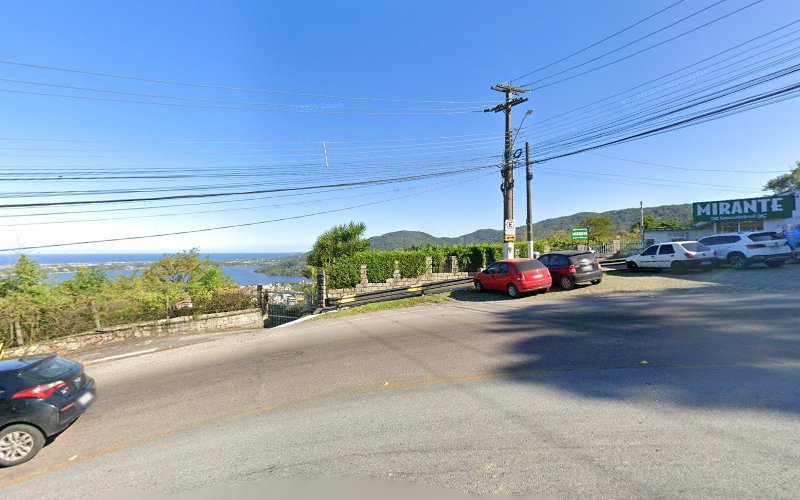
Rod. Admar Gonzaga, 4750 - Itacorubi
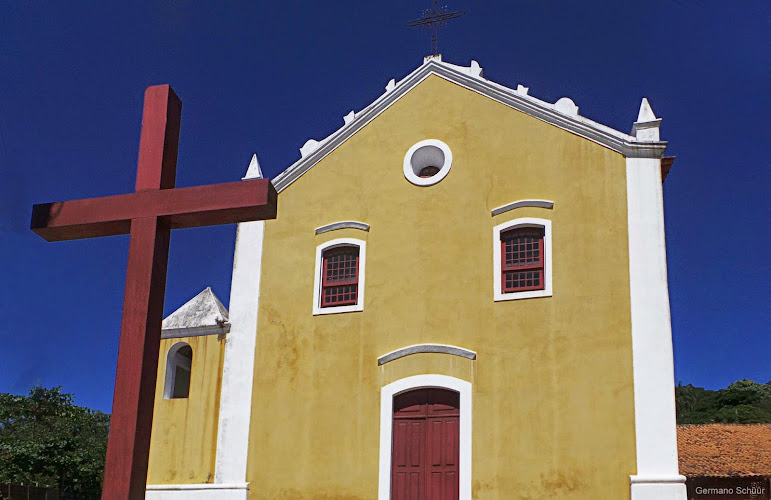
San Francisco de Paula
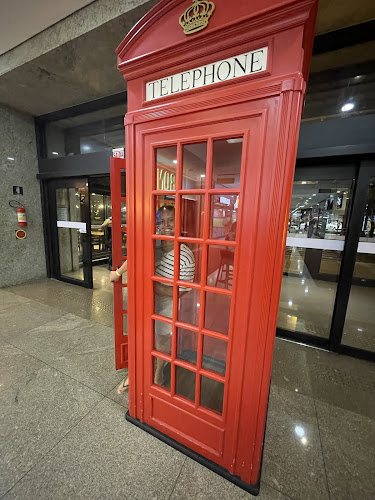
Villa Romana Shopping
Find Accommodations Nearby
Recommended Tours & Activities
Visitor Reviews
There are no reviews yet. Be the first one to write one.
Share Your Experience
Have you visited Fundação Projeto Tamar – Florianópolis? Help other travelers by leaving a review.