
Engenho de Farinha da Costa da Lagoa
About Engenho de Farinha da Costa da Lagoa
Description
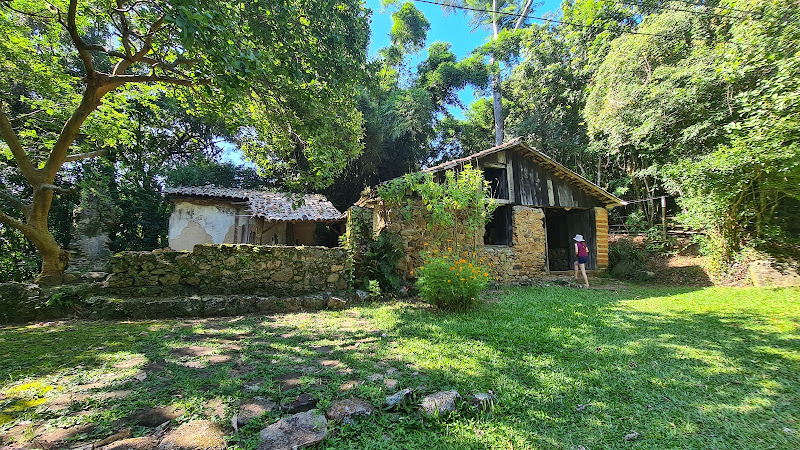
The Engenho de Farinha da Costa da Lagoa stands as one of those hidden treasures that most tourists rushing through their Brazil itinerary completely miss, and honestly, that's their loss. This traditional cassava flour mill represents more than just a historical landmark – it's a living museum where you can witness centuries-old milling techniques still in practice today. Located on Florianópolis Island, this working mill offers visitors a genuine glimpse into the agricultural heritage that shaped Southern Brazil's coastal communities. I've always been fascinated by places where history isn't just displayed behind glass cases but actually continues to breathe and function. And the Engenho de Farinha delivers exactly that experience. The mill operates using traditional methods passed down through generations, grinding cassava root into farinha, a staple ingredient in Brazilian cuisine that you've probably eaten without even realizing it was there. The machinery, some of it dating back over a hundred years, still creaks and groans its way through the production process while tour guides explain each step with the kind of enthusiasm that only comes from genuine pride in cultural preservation. What makes this place particularly special is its location within the Costa da Lagoa community, an area accessible primarily by boat or hiking trail. The journey itself becomes part of the adventure, stripping away the veneer of modern convenience and preparing visitors for an authentic encounter with traditional Brazilian life. The mill sits within a landscape where time seems to move at a different pace, where the sound of water lapping against wooden docks and the distant hum of the grinding stones create a soundtrack that feels almost meditative. The entire experience takes visitors through the complete farinha production cycle, from the raw cassava roots being peeled and washed to the final toasted flour ready for cooking. You'll see the massive wooden gears, the stone grinding wheels, and the copper vats used for toasting the flour – each piece of equipment telling its own story of craftsmanship and ingenuity. But beyond the technical aspects, there's something deeply human about watching artisans work with tools their grandparents used, maintaining traditions that modern industrialization threatens to erase.Key Features
Travelers visiting the Engenho de Farinha da Costa da Lagoa can expect to encounter several distinctive features that make this attraction worth the journey:- Fully operational traditional cassava mill using century-old techniques and original equipment
- Guided demonstrations showing the complete farinha production process from root to finished product
- Historic wooden machinery including water-powered grinding stones and copper toasting vats
- Opportunity to purchase fresh, locally-produced farinha and cassava-based products directly from the mill
- Authentic cultural experience within an isolated community accessible mainly by boat
- Photo opportunities capturing both the industrial heritage and surrounding natural landscape
- Hands-on learning experiences where visitors can participate in certain production steps
- Traditional architecture showcasing construction methods typical of historic Brazilian coastal settlements
- Connection to local families who have operated the mill for multiple generations
- Integration with the broader Costa da Lagoa hiking and boating experiences
Best Time to Visit
Planning your visit to the Engenho de Farinha requires some strategic thinking because, well, this isn't the kind of place that operates on a rigid schedule like your typical tourist attraction. The mill functions according to cassava harvesting seasons and community needs, which means it's not always in full production mode. The absolute best time to witness the mill in action is during the autumn and winter months, roughly from April through September. During these cooler, drier months, cassava harvesting peaks and the mill operates more frequently. You're much more likely to see the complete production process and experience the mill filled with the earthy smell of freshly ground cassava and the rhythmic sounds of machinery in motion. Summer months from December through March bring heavier rainfall to the region, which can affect both mill operations and access to Costa da Lagoa. The trails become muddier and more challenging, though boat access remains relatively reliable. That said, I've heard from travelers who visited during quieter periods and actually appreciated the more intimate experience, even if they didn't catch the mill during peak production. Weekdays generally offer a more authentic experience than weekends, when local visitors and tourists from Florianópolis proper tend to flock to the area. If you arrive on a Tuesday or Wednesday morning, you might find yourself with a more personalized tour and better opportunities to interact with the millers themselves. The shoulder seasons – late March to early May and September to November – hit that sweet spot where you get decent weather, reasonable tourist numbers, and good chances of catching the mill in operation. These periods also offer comfortable temperatures for the boat ride or hike into Costa da Lagoa, making the entire journey more enjoyable. One thing worth noting: always check ahead if possible through your accommodation or local contacts about whether the mill will be operating during your intended visit. Because it's a working facility rather than a static museum, production schedules can vary based on cassava availability and community needs.How to Get There
Getting to the Engenho de Farinha da Costa da Lagoa requires embracing the adventure mindset because there's no Uber dropping you at the front door. The journey itself becomes part of the cultural experience, forcing visitors to slow down and appreciate the isolation that has helped preserve this community's traditional ways. The most popular and practical approach involves taking a boat from the Lagoa da Conceição area in Florianópolis. Head to the northern end of the lagoon where you'll find several boat operators offering transport to Costa da Lagoa. The boat ride typically takes about 20-30 minutes depending on weather conditions and which specific dock you're heading toward. Most operators run regular services, especially during tourist season, but schedules can be somewhat flexible – this is Brazil, after all, where rigid timetables sometimes give way to common sense and weather conditions. For the more adventurous souls, there's a hiking trail that winds along the lagoon's edge to Costa da Lagoa. This trail stretches roughly 7 kilometers from the Canto da Lagoa neighborhood and takes most hikers between 2 to 3 hours depending on fitness level and how often you stop for photos (and trust me, you'll want to stop for photos). The path offers stunning views of the lagoon, passes through Atlantic forest sections, and provides that sense of earned arrival that makes destinations feel more meaningful. Just be prepared with proper footwear because the trail can be uneven and slippery, particularly after rain. Once you arrive in the Costa da Lagoa community, the mill isn't immediately obvious – you'll need to ask locals for directions or arrange a guide beforehand. Most of the waterfront restaurants and community members know exactly where it is and can point you in the right direction. Some visitors arrange guided tours through Florianópolis tour operators, which handles transportation and ensures you'll have someone explaining the historical and cultural significance throughout your visit. Important note about accessibility: this attraction isn't wheelchair accessible, and the journey requires at least moderate physical ability whether you're arriving by boat or hiking trail. The mill itself involves uneven floors, stairs, and tight spaces around the machinery that simply weren't designed with modern accessibility standards in mind.Tips for Visiting
After piecing together experiences from numerous travelers and considering the unique nature of this attraction, several practical tips can make your visit significantly more rewarding. First off, bring cash. And I mean actual Brazilian reais in physical form. Costa da Lagoa isn't the kind of place where everyone's got card readers and reliable internet connections. If you want to purchase farinha products or pay for boat transport, cash is essential. There's something almost refreshing about being forced back into the simplicity of paper money transactions, though it definitely requires planning ahead. Wear sensible shoes regardless of how you're arriving. Even if you take the boat, you'll be walking on uneven surfaces, potentially muddy paths, and inside the mill where floors can be slippery from cassava processing. Those cute sandals you bought at the Florianópolis market? Leave them at your hotel. You want closed-toe shoes with good grip. Timing your visit for mid-morning usually works best. You'll avoid the earliest morning chaos if there is any, catch the mill during active hours, and still have plenty of daylight for the return journey. Plus, arriving around 10 or 11 AM positions you perfectly to grab lunch at one of the excellent waterfront restaurants in Costa da Lagoa after your mill visit – and seriously, don't skip lunch there because the fresh fish is incredible. Bring insect repellent, especially if you're visiting during warmer months. The combination of water, vegetation, and traditional structures creates prime mosquito habitat. Nothing ruins a cultural experience quite like spending the whole time slapping at your ankles and trying not to scratch. Don't expect English to be widely spoken. While some tour guides might have basic English, this is an authentically Brazilian experience where Portuguese dominates. Download a translation app before you arrive (when you still have good internet), or better yet, learn a few basic Portuguese phrases. The effort alone will endear you to locals who appreciate visitors attempting to engage with their language. Photography is generally welcome, but always ask before photographing people or getting too close to the machinery during operation. There's a balance between documenting your experience and being respectful of the working environment and the privacy of the artisans. I always think it's polite to show people the photos you've taken of them – it creates a nice moment of connection. Consider combining your mill visit with a longer exploration of Costa da Lagoa. The community has several excellent restaurants serving traditional Azorean-influenced cuisine, and the scenery along the waterfront is absolutely worth lingering over. Rushing in just to see the mill and immediately leaving misses the broader cultural context that makes the experience meaningful. If you're particularly interested in the technical aspects or history, try to arrange a visit through a knowledgeable local guide rather than just showing up independently. The difference between wandering through and having someone explain the cultural significance, family histories, and technical details transforms the experience from mildly interesting to genuinely memorable. Finally, manage your expectations about facilities. This isn't a polished tourist attraction with gift shops, cafes, and modern restrooms. It's a working mill in a traditional community. The "rustic" nature is part of the authentic charm, but it also means you should use facilities before you arrive and not expect souvenir shops or visitor centers. The Engenho de Farinha da Costa da Lagoa rewards travelers who approach it with curiosity, flexibility, and appreciation for cultural preservation over Instagram perfection. It's not for everyone – some people genuinely prefer more structured, accessible attractions. But for those willing to embrace a bit of adventure and uncertainty, this mill offers one of the most authentic cultural experiences available in the Florianópolis region.Key Features
- Fully operational traditional cassava mill using century-old techniques and original equipment
- Guided demonstrations showing the complete farinha production process from root to finished product
- Historic wooden machinery including water-powered grinding stones and copper toasting vats
- Opportunity to purchase fresh, locally-produced farinha and cassava-based products directly from the mill
- Authentic cultural experience within an isolated community accessible mainly by boat
- Photo opportunities capturing both the industrial heritage and surrounding natural landscape
- Hands-on learning experiences where visitors can participate in certain production steps
- Traditional architecture showcasing construction methods typical of historic Brazilian coastal settlements
More Details
Updated January 18, 2026
Table of Contents
- Description
- Key Features
- Best Time to Visit
- How to Get There
- Tips for Visiting
- Key Highlights
- Location
- Places to Stay Near Engenho de Farinha da Costa da Lagoa
- Find and Book a Tour
- Explore More Travel Guides
- Nearby Places You Might Like
- Traveler Reviews for Engenho de Farinha da Costa da Lagoa
- Share Your Experience
Description
The Engenho de Farinha da Costa da Lagoa stands as one of those hidden treasures that most tourists rushing through their Brazil itinerary completely miss, and honestly, that’s their loss. This traditional cassava flour mill represents more than just a historical landmark – it’s a living museum where you can witness centuries-old milling techniques still in practice today. Located on Florianópolis Island, this working mill offers visitors a genuine glimpse into the agricultural heritage that shaped Southern Brazil’s coastal communities.
I’ve always been fascinated by places where history isn’t just displayed behind glass cases but actually continues to breathe and function. And the Engenho de Farinha delivers exactly that experience. The mill operates using traditional methods passed down through generations, grinding cassava root into farinha, a staple ingredient in Brazilian cuisine that you’ve probably eaten without even realizing it was there. The machinery, some of it dating back over a hundred years, still creaks and groans its way through the production process while tour guides explain each step with the kind of enthusiasm that only comes from genuine pride in cultural preservation.
What makes this place particularly special is its location within the Costa da Lagoa community, an area accessible primarily by boat or hiking trail. The journey itself becomes part of the adventure, stripping away the veneer of modern convenience and preparing visitors for an authentic encounter with traditional Brazilian life. The mill sits within a landscape where time seems to move at a different pace, where the sound of water lapping against wooden docks and the distant hum of the grinding stones create a soundtrack that feels almost meditative.
The entire experience takes visitors through the complete farinha production cycle, from the raw cassava roots being peeled and washed to the final toasted flour ready for cooking. You’ll see the massive wooden gears, the stone grinding wheels, and the copper vats used for toasting the flour – each piece of equipment telling its own story of craftsmanship and ingenuity. But beyond the technical aspects, there’s something deeply human about watching artisans work with tools their grandparents used, maintaining traditions that modern industrialization threatens to erase.
Key Features
Travelers visiting the Engenho de Farinha da Costa da Lagoa can expect to encounter several distinctive features that make this attraction worth the journey:
- Fully operational traditional cassava mill using century-old techniques and original equipment
- Guided demonstrations showing the complete farinha production process from root to finished product
- Historic wooden machinery including water-powered grinding stones and copper toasting vats
- Opportunity to purchase fresh, locally-produced farinha and cassava-based products directly from the mill
- Authentic cultural experience within an isolated community accessible mainly by boat
- Photo opportunities capturing both the industrial heritage and surrounding natural landscape
- Hands-on learning experiences where visitors can participate in certain production steps
- Traditional architecture showcasing construction methods typical of historic Brazilian coastal settlements
- Connection to local families who have operated the mill for multiple generations
- Integration with the broader Costa da Lagoa hiking and boating experiences
Best Time to Visit
Planning your visit to the Engenho de Farinha requires some strategic thinking because, well, this isn’t the kind of place that operates on a rigid schedule like your typical tourist attraction. The mill functions according to cassava harvesting seasons and community needs, which means it’s not always in full production mode.
The absolute best time to witness the mill in action is during the autumn and winter months, roughly from April through September. During these cooler, drier months, cassava harvesting peaks and the mill operates more frequently. You’re much more likely to see the complete production process and experience the mill filled with the earthy smell of freshly ground cassava and the rhythmic sounds of machinery in motion.
Summer months from December through March bring heavier rainfall to the region, which can affect both mill operations and access to Costa da Lagoa. The trails become muddier and more challenging, though boat access remains relatively reliable. That said, I’ve heard from travelers who visited during quieter periods and actually appreciated the more intimate experience, even if they didn’t catch the mill during peak production.
Weekdays generally offer a more authentic experience than weekends, when local visitors and tourists from Florianópolis proper tend to flock to the area. If you arrive on a Tuesday or Wednesday morning, you might find yourself with a more personalized tour and better opportunities to interact with the millers themselves.
The shoulder seasons – late March to early May and September to November – hit that sweet spot where you get decent weather, reasonable tourist numbers, and good chances of catching the mill in operation. These periods also offer comfortable temperatures for the boat ride or hike into Costa da Lagoa, making the entire journey more enjoyable.
One thing worth noting: always check ahead if possible through your accommodation or local contacts about whether the mill will be operating during your intended visit. Because it’s a working facility rather than a static museum, production schedules can vary based on cassava availability and community needs.
How to Get There
Getting to the Engenho de Farinha da Costa da Lagoa requires embracing the adventure mindset because there’s no Uber dropping you at the front door. The journey itself becomes part of the cultural experience, forcing visitors to slow down and appreciate the isolation that has helped preserve this community’s traditional ways.
The most popular and practical approach involves taking a boat from the Lagoa da Conceição area in Florianópolis. Head to the northern end of the lagoon where you’ll find several boat operators offering transport to Costa da Lagoa. The boat ride typically takes about 20-30 minutes depending on weather conditions and which specific dock you’re heading toward. Most operators run regular services, especially during tourist season, but schedules can be somewhat flexible – this is Brazil, after all, where rigid timetables sometimes give way to common sense and weather conditions.
For the more adventurous souls, there’s a hiking trail that winds along the lagoon’s edge to Costa da Lagoa. This trail stretches roughly 7 kilometers from the Canto da Lagoa neighborhood and takes most hikers between 2 to 3 hours depending on fitness level and how often you stop for photos (and trust me, you’ll want to stop for photos). The path offers stunning views of the lagoon, passes through Atlantic forest sections, and provides that sense of earned arrival that makes destinations feel more meaningful. Just be prepared with proper footwear because the trail can be uneven and slippery, particularly after rain.
Once you arrive in the Costa da Lagoa community, the mill isn’t immediately obvious – you’ll need to ask locals for directions or arrange a guide beforehand. Most of the waterfront restaurants and community members know exactly where it is and can point you in the right direction. Some visitors arrange guided tours through Florianópolis tour operators, which handles transportation and ensures you’ll have someone explaining the historical and cultural significance throughout your visit.
Important note about accessibility: this attraction isn’t wheelchair accessible, and the journey requires at least moderate physical ability whether you’re arriving by boat or hiking trail. The mill itself involves uneven floors, stairs, and tight spaces around the machinery that simply weren’t designed with modern accessibility standards in mind.
Tips for Visiting
After piecing together experiences from numerous travelers and considering the unique nature of this attraction, several practical tips can make your visit significantly more rewarding.
First off, bring cash. And I mean actual Brazilian reais in physical form. Costa da Lagoa isn’t the kind of place where everyone’s got card readers and reliable internet connections. If you want to purchase farinha products or pay for boat transport, cash is essential. There’s something almost refreshing about being forced back into the simplicity of paper money transactions, though it definitely requires planning ahead.
Wear sensible shoes regardless of how you’re arriving. Even if you take the boat, you’ll be walking on uneven surfaces, potentially muddy paths, and inside the mill where floors can be slippery from cassava processing. Those cute sandals you bought at the Florianópolis market? Leave them at your hotel. You want closed-toe shoes with good grip.
Timing your visit for mid-morning usually works best. You’ll avoid the earliest morning chaos if there is any, catch the mill during active hours, and still have plenty of daylight for the return journey. Plus, arriving around 10 or 11 AM positions you perfectly to grab lunch at one of the excellent waterfront restaurants in Costa da Lagoa after your mill visit – and seriously, don’t skip lunch there because the fresh fish is incredible.
Bring insect repellent, especially if you’re visiting during warmer months. The combination of water, vegetation, and traditional structures creates prime mosquito habitat. Nothing ruins a cultural experience quite like spending the whole time slapping at your ankles and trying not to scratch.
Don’t expect English to be widely spoken. While some tour guides might have basic English, this is an authentically Brazilian experience where Portuguese dominates. Download a translation app before you arrive (when you still have good internet), or better yet, learn a few basic Portuguese phrases. The effort alone will endear you to locals who appreciate visitors attempting to engage with their language.
Photography is generally welcome, but always ask before photographing people or getting too close to the machinery during operation. There’s a balance between documenting your experience and being respectful of the working environment and the privacy of the artisans. I always think it’s polite to show people the photos you’ve taken of them – it creates a nice moment of connection.
Consider combining your mill visit with a longer exploration of Costa da Lagoa. The community has several excellent restaurants serving traditional Azorean-influenced cuisine, and the scenery along the waterfront is absolutely worth lingering over. Rushing in just to see the mill and immediately leaving misses the broader cultural context that makes the experience meaningful.
If you’re particularly interested in the technical aspects or history, try to arrange a visit through a knowledgeable local guide rather than just showing up independently. The difference between wandering through and having someone explain the cultural significance, family histories, and technical details transforms the experience from mildly interesting to genuinely memorable.
Finally, manage your expectations about facilities. This isn’t a polished tourist attraction with gift shops, cafes, and modern restrooms. It’s a working mill in a traditional community. The “rustic” nature is part of the authentic charm, but it also means you should use facilities before you arrive and not expect souvenir shops or visitor centers.
The Engenho de Farinha da Costa da Lagoa rewards travelers who approach it with curiosity, flexibility, and appreciation for cultural preservation over Instagram perfection. It’s not for everyone – some people genuinely prefer more structured, accessible attractions. But for those willing to embrace a bit of adventure and uncertainty, this mill offers one of the most authentic cultural experiences available in the Florianópolis region.
Key Highlights
- Fully operational traditional cassava mill using century-old techniques and original equipment
- Guided demonstrations showing the complete farinha production process from root to finished product
- Historic wooden machinery including water-powered grinding stones and copper toasting vats
- Opportunity to purchase fresh, locally-produced farinha and cassava-based products directly from the mill
- Authentic cultural experience within an isolated community accessible mainly by boat
- Photo opportunities capturing both the industrial heritage and surrounding natural landscape
- Hands-on learning experiences where visitors can participate in certain production steps
- Traditional architecture showcasing construction methods typical of historic Brazilian coastal settlements
Location
Places to Stay Near Engenho de Farinha da Costa da Lagoa
Find and Book a Tour
Explore More Travel Guides
No reviews found! Be the first to review!
Traveler Reviews for Engenho de Farinha da Costa da Lagoa
There are no reviews yet. Be the first one to write one.
Have you visited Engenho de Farinha da Costa da Lagoa? Help other travelers by sharing your review.
You Might Also Like
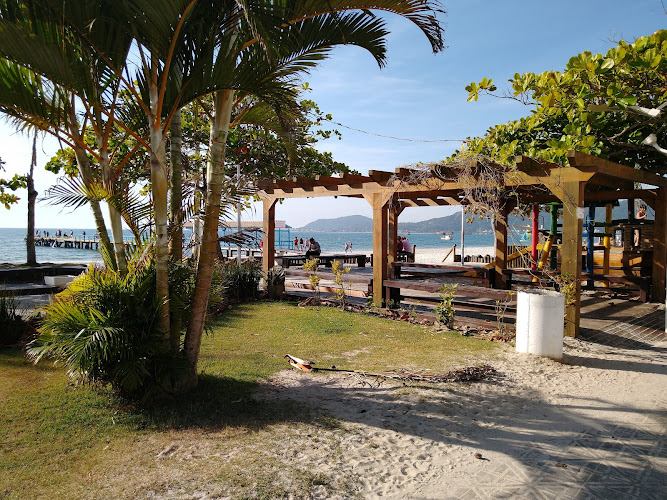
Core Schooners - Boat Trips
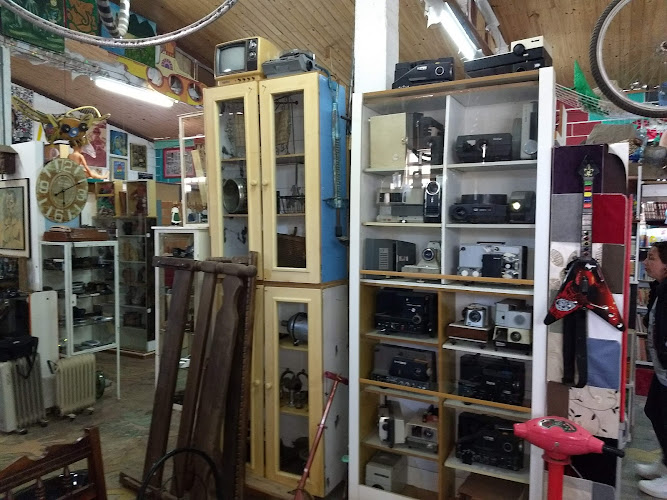
Museum of Trash
Trapiche Lagoa da Conceição
Find Accommodations Nearby
Recommended Tours & Activities
Visitor Reviews
There are no reviews yet. Be the first one to write one.
Share Your Experience
Have you visited Engenho de Farinha da Costa da Lagoa? Help other travelers by leaving a review.