
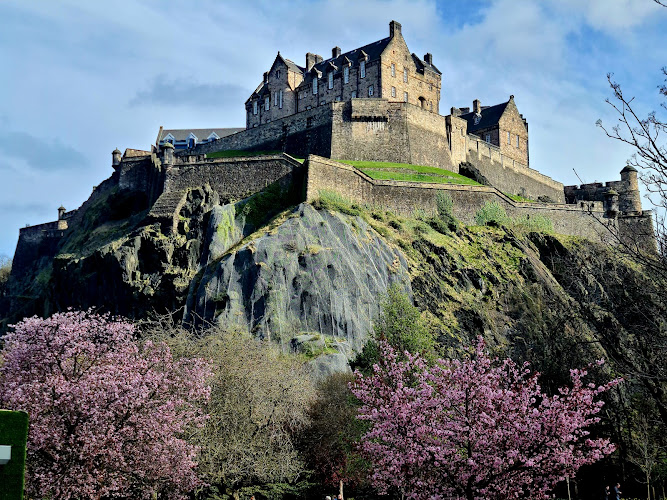
Edinburgh Castle
About Edinburgh Castle
Description
Edinburgh Castle sits atop an extinct volcanic rock, watching over Scotland's capital city like it has done for nearly a thousand years. And honestly, there's something almost magnetic about the place – you can't really visit Edinburgh without feeling drawn to that imposing silhouette dominating the skyline. The fortress dates back to the 11th century, though humans have been using this strategic volcanic outcrop since the Iron Age. Throughout its long history, the castle has served as a royal residence, military garrison, prison, and now one of Scotland's most visited tourist attractions. Walking through those ancient gates feels like stepping into a living history book, where every stone has witnessed centuries of drama, warfare, and royal intrigue. Today, Edinburgh Castle houses some of Scotland's most treasured possessions. The Crown Jewels of Scotland – known as the Honours of Scotland – rest here, including the crown, scepter, and sword of state. These aren't just pretty baubles behind glass; they're among the oldest crown jewels in Britain, predating even the more famous English coronation regalia. The Stone of Destiny, used in the coronation of Scottish monarchs for centuries, also calls this castle home after a rather complicated history of being, well, borrowed by the English for about 700 years. The castle complex sprawls across the volcanic rock, encompassing multiple buildings from different eras. You'll find the tiny St. Margaret's Chapel – the oldest surviving building in Edinburgh, dating to the 12th century. Then there's the Great Hall with its impressive hammerbeam roof, the Royal Palace where Mary Queen of Scots gave birth to James VI, and the National War Museum of Scotland, which tells the story of Scotland's military history spanning 400 years. But what really makes Edinburgh Castle special isn't just the buildings or the artifacts. It's the atmosphere, the views, and the sheer presence of the place. Standing on those ramparts, looking out over the city with the wind whipping around you, you understand why this spot has been fought over so many times throughout history.Key Features
The castle offers visitors an incredible array of historical treasures and experiences that justify its position as Scotland's most popular paid tourist attraction: • The Honours of Scotland (Crown Jewels) displayed alongside the Stone of Destiny in the Crown Room, representing over 500 years of Scottish monarchy and national identity • The National War Museum of Scotland, housed in former ordnance storehouses, chronicling Scottish military history from the 1600s to present day with an impressive collection of uniforms, medals, weapons, and personal stories • St. Margaret's Chapel, a remarkably preserved 12th-century Norman chapel and the oldest building in Edinburgh, offering an intimate glimpse into medieval worship • The Great Hall, built by James IV in the early 1500s, featuring a spectacular hammerbeam roof and a collection of arms and armor that'll make history buffs weak at the knees • Mons Meg, a massive medieval siege cannon from the 1400s that could fire gunstones weighing around 330 pounds – though honestly, I wouldn't want to be anywhere near it when it went off • The One O'Clock Gun, fired daily (except Sundays, Christmas Day, and Good Friday) since 1861, originally to help ships in the Firth of Forth set their maritime clocks accurately • The Royal Palace, where you can visit the room where Mary Queen of Scots gave birth to James VI in 1566, complete with period furnishings that help you imagine that momentous occasion • Spectacular panoramic views of Edinburgh and beyond from multiple vantage points across the castle complex, perfect for those Instagram shots you'll definitely want to take • The Scottish National War Memorial, a poignant tribute to Scottish soldiers who died in conflicts from World War I onward, featuring beautiful stained glass and intricate stonework • The castle vaults and prisons, where you can explore the underground chambers that once held prisoners of war, with graffiti carved by French and American prisoners still visible on the walls • Audio guides and guided tours included with admission, helping you navigate the extensive site and understand the complex history without missing important detailsBest Time to Visit
Timing your visit to Edinburgh Castle can make a real difference to your experience. The castle opens year-round, but each season brings its own advantages and challenges. Summer months from June through August see the castle at its busiest. And I mean busy – we're talking queues that snake down the Royal Mile and crowds that make taking a decent photo feel like an Olympic sport. But there's good reason for this popularity. The weather's at its most reliable (though this is Scotland, so bring a rain jacket anyway), and the longer daylight hours mean you can visit later in the day. Plus, if you time it right, you might catch the Royal Edinburgh Military Tattoo, which takes place on the castle esplanade throughout August. The Tattoo is spectacular, though you'll need separate tickets booked well in advance. Spring (April to May) and autumn (September to October) offer the sweet spot for many travelers. The crowds thin out noticeably, especially if you visit during weekdays. The weather can be unpredictable – one minute sunshine, the next minute you're battling sideways rain – but that's part of the authentic Scottish experience, right? Plus, ticket prices sometimes drop slightly outside peak season, and you'll actually have space to appreciate the exhibitions without someone's backpack constantly in your peripheral vision. Winter visits have their own charm. December brings festive decorations and a magical atmosphere, though it gets dark around 4 PM. January and February are the quietest months, and while it might be cold and wet, you'll practically have the place to yourself some days. The castle looks particularly dramatic when there's snow on the ground, though this doesn't happen as often as you might think. As for time of day, arriving right when the castle opens (usually 9:30 AM) gives you a head start on the tour bus crowds. Late afternoon visits work well too, especially in summer when the castle stays open until 6 PM. The light's often beautiful for photography in the golden hour before closing. Definitely book your tickets online in advance. This isn't just a suggestion – it's practically essential during busy periods. Advanced booking often costs the same as showing up, but you'll skip the ticket queue and can choose your entry time slot, which helps manage crowd flow.How to Get There
Getting to Edinburgh Castle ranks among the easier castle visits you'll ever make, since it sits right in the heart of Scotland's capital city rather than in some remote countryside location. If you're arriving by air, Edinburgh Airport is about 8 miles west of the city center. The Airlink 100 bus runs every 10 minutes during the day, taking roughly 30 minutes to reach the city center and costing around £4.50 one way. Taxis are available too, though they'll set you back £20-30 depending on traffic. From the city center, the castle is either a short taxi ride or pleasant 15-20 minute walk. For those coming by train, Edinburgh Waverley Station sits in the city center, and the castle is visible from the station forecourt. It's about a 15-minute uphill walk along Princes Street and up the Royal Mile, or you can grab a taxi for a few pounds if you've got heavy luggage or mobility concerns. Once you're in Edinburgh's city center, you've got several options. Walking is popular – the route up the Royal Mile from the opposite end at Holyrood Palace takes you through the heart of Edinburgh's Old Town, passing shops, pubs, and historic sites along the way. It's steep in places though, fair warning. The cobblestones can be slippery when wet too. Several bus routes stop near the castle, including the hop-on-hop-off tourist buses that circuit Edinburgh's main attractions. If you're doing a full day of sightseeing, these can be worth the investment. Regular city buses running along Princes Street will get you close, though you'll still have a bit of a walk uphill. Driving to the castle yourself isn't really recommended. Parking in central Edinburgh is expensive and limited, and the streets around the castle are often restricted to buses and taxis only. There's no parking at the castle itself. If you're staying outside the city and driving in, use one of the park-and-ride facilities on Edinburgh's outskirts and take public transport into the center. The castle entrance is wheelchair accessible, with lifts available to reach the higher levels, though some areas remain difficult to access due to the historic nature and topography of the site. Accessible parking is available nearby if you contact the castle in advance.Tips for Visiting
After years of traveling and more than a few visits to historic sites that didn't quite live up to expectations, I've learned that a little preparation goes a long way. Edinburgh Castle is generally well-organized, but these tips will help you make the most of your visit. First off, budget at least 2-3 hours for your visit. I've seen people rush through in 90 minutes, but you'll miss so much. The castle complex is larger than it appears from outside, and the exhibitions deserve your attention. If you're really into history or military heritage, you could easily spend half a day here. Wear comfortable, sturdy shoes. This isn't optional – it's essential. The castle involves lots of walking on uneven surfaces, cobblestones, and stairs. Those cute sandals or brand new boots you wanted to break in? Leave them at the hotel. Your feet will thank you. Layer your clothing regardless of season. Even on warm days, the exposed volcanic rock can be windy and cool, especially up on the ramparts. And because you'll be moving between outdoor spaces and heated exhibition rooms, layers give you flexibility. Remember that Scotland's weather can change dramatically within an hour. Download the castle's audio guide or bring headphones for the provided audio tours. The information adds tremendous context to what you're seeing. Without it, you're just looking at old buildings and objects without understanding their significance or the stories behind them. Plan to catch the One O'Clock Gun if possible. It's become a bit of a tourist tradition, and it's free entertainment. Get to the Mills Mount Battery about 10-15 minutes early to secure a good viewing spot, especially during busy periods. And yes, it's actually loud enough to make you jump even when you're expecting it. Take advantage of the free guided tours if you prefer human interaction over audio guides. The guides are generally knowledgeable and enthusiastic, and you can ask questions. Tours run throughout the day and are included in your admission. Bring snacks and water. There's a cafe on site, but it gets crowded and isn't cheap. Having your own supplies means you can take breaks when you want without losing momentum or spending time in queues. Photography is allowed in most areas, but flash photography is prohibited in certain exhibitions to protect artifacts. Be respectful of other visitors when taking photos – we've all been stuck behind someone trying to get the perfect selfie while everyone else waits. If you're visiting with children, pick up one of the family activity trails available. They help keep kids engaged with the history rather than just dragging them around complaining. The castle is genuinely good for kids if you help them connect with the stories and activities rather than expecting them to appreciate it the way adults do. Consider buying a Historic Scotland Explorer Pass if you're planning to visit multiple historic sites around Scotland. It can save money and includes Edinburgh Castle admission along with dozens of other castles, abbeys, and monuments across the country. Don't try to see everything if you're feeling overwhelmed. It's better to really experience the highlights than to rush through everything and remember nothing. The Crown Jewels, the Great Hall, and the views from the ramparts should be your priorities if time is limited. Finally, remember that Edinburgh Castle is a working museum and heritage site. Restoration work happens regularly, which means some areas might be closed or obscured by scaffolding. Don't let this ruin your visit – there's still plenty to see, and the work ensures the castle will survive for future generations. The castle represents more than just a tourist attraction. It's a symbol of Scottish identity, independence, and resilience that's stood witness to centuries of history. Whether you're a history enthusiast, a casual tourist, or somewhere in between, Edinburgh Castle offers an experience that's genuinely worth the admission price and the uphill walk to get there.Key Features
- St Margaret’s Chapel — Edinburgh’s oldest surviving building (12th century)
- The Honours of Scotland (Crown Jewels) and the Stone of Destiny
- Great Hall and Royal Palace with historic apartments and exhibits
- National War Museum and regimental displays showcasing military history
- Panoramic views across Princes Street, the Old Town and Arthur’s Seat
More Details
Updated January 19, 2026
Table of Contents
Description
Edinburgh Castle sits atop an extinct volcanic rock, watching over Scotland’s capital city like it has done for nearly a thousand years. And honestly, there’s something almost magnetic about the place – you can’t really visit Edinburgh without feeling drawn to that imposing silhouette dominating the skyline.
The fortress dates back to the 11th century, though humans have been using this strategic volcanic outcrop since the Iron Age. Throughout its long history, the castle has served as a royal residence, military garrison, prison, and now one of Scotland’s most visited tourist attractions. Walking through those ancient gates feels like stepping into a living history book, where every stone has witnessed centuries of drama, warfare, and royal intrigue.
Today, Edinburgh Castle houses some of Scotland’s most treasured possessions. The Crown Jewels of Scotland – known as the Honours of Scotland – rest here, including the crown, scepter, and sword of state. These aren’t just pretty baubles behind glass; they’re among the oldest crown jewels in Britain, predating even the more famous English coronation regalia. The Stone of Destiny, used in the coronation of Scottish monarchs for centuries, also calls this castle home after a rather complicated history of being, well, borrowed by the English for about 700 years.
The castle complex sprawls across the volcanic rock, encompassing multiple buildings from different eras. You’ll find the tiny St. Margaret’s Chapel – the oldest surviving building in Edinburgh, dating to the 12th century. Then there’s the Great Hall with its impressive hammerbeam roof, the Royal Palace where Mary Queen of Scots gave birth to James VI, and the National War Museum of Scotland, which tells the story of Scotland’s military history spanning 400 years.
But what really makes Edinburgh Castle special isn’t just the buildings or the artifacts. It’s the atmosphere, the views, and the sheer presence of the place. Standing on those ramparts, looking out over the city with the wind whipping around you, you understand why this spot has been fought over so many times throughout history.
Key Features
The castle offers visitors an incredible array of historical treasures and experiences that justify its position as Scotland’s most popular paid tourist attraction:
• The Honours of Scotland (Crown Jewels) displayed alongside the Stone of Destiny in the Crown Room, representing over 500 years of Scottish monarchy and national identity
• The National War Museum of Scotland, housed in former ordnance storehouses, chronicling Scottish military history from the 1600s to present day with an impressive collection of uniforms, medals, weapons, and personal stories
• St. Margaret’s Chapel, a remarkably preserved 12th-century Norman chapel and the oldest building in Edinburgh, offering an intimate glimpse into medieval worship
• The Great Hall, built by James IV in the early 1500s, featuring a spectacular hammerbeam roof and a collection of arms and armor that’ll make history buffs weak at the knees
• Mons Meg, a massive medieval siege cannon from the 1400s that could fire gunstones weighing around 330 pounds – though honestly, I wouldn’t want to be anywhere near it when it went off
• The One O’Clock Gun, fired daily (except Sundays, Christmas Day, and Good Friday) since 1861, originally to help ships in the Firth of Forth set their maritime clocks accurately
• The Royal Palace, where you can visit the room where Mary Queen of Scots gave birth to James VI in 1566, complete with period furnishings that help you imagine that momentous occasion
• Spectacular panoramic views of Edinburgh and beyond from multiple vantage points across the castle complex, perfect for those Instagram shots you’ll definitely want to take
• The Scottish National War Memorial, a poignant tribute to Scottish soldiers who died in conflicts from World War I onward, featuring beautiful stained glass and intricate stonework
• The castle vaults and prisons, where you can explore the underground chambers that once held prisoners of war, with graffiti carved by French and American prisoners still visible on the walls
• Audio guides and guided tours included with admission, helping you navigate the extensive site and understand the complex history without missing important details
Best Time to Visit
Timing your visit to Edinburgh Castle can make a real difference to your experience. The castle opens year-round, but each season brings its own advantages and challenges.
Summer months from June through August see the castle at its busiest. And I mean busy – we’re talking queues that snake down the Royal Mile and crowds that make taking a decent photo feel like an Olympic sport. But there’s good reason for this popularity. The weather’s at its most reliable (though this is Scotland, so bring a rain jacket anyway), and the longer daylight hours mean you can visit later in the day. Plus, if you time it right, you might catch the Royal Edinburgh Military Tattoo, which takes place on the castle esplanade throughout August. The Tattoo is spectacular, though you’ll need separate tickets booked well in advance.
Spring (April to May) and autumn (September to October) offer the sweet spot for many travelers. The crowds thin out noticeably, especially if you visit during weekdays. The weather can be unpredictable – one minute sunshine, the next minute you’re battling sideways rain – but that’s part of the authentic Scottish experience, right? Plus, ticket prices sometimes drop slightly outside peak season, and you’ll actually have space to appreciate the exhibitions without someone’s backpack constantly in your peripheral vision.
Winter visits have their own charm. December brings festive decorations and a magical atmosphere, though it gets dark around 4 PM. January and February are the quietest months, and while it might be cold and wet, you’ll practically have the place to yourself some days. The castle looks particularly dramatic when there’s snow on the ground, though this doesn’t happen as often as you might think.
As for time of day, arriving right when the castle opens (usually 9:30 AM) gives you a head start on the tour bus crowds. Late afternoon visits work well too, especially in summer when the castle stays open until 6 PM. The light’s often beautiful for photography in the golden hour before closing.
Definitely book your tickets online in advance. This isn’t just a suggestion – it’s practically essential during busy periods. Advanced booking often costs the same as showing up, but you’ll skip the ticket queue and can choose your entry time slot, which helps manage crowd flow.
How to Get There
Getting to Edinburgh Castle ranks among the easier castle visits you’ll ever make, since it sits right in the heart of Scotland’s capital city rather than in some remote countryside location.
If you’re arriving by air, Edinburgh Airport is about 8 miles west of the city center. The Airlink 100 bus runs every 10 minutes during the day, taking roughly 30 minutes to reach the city center and costing around £4.50 one way. Taxis are available too, though they’ll set you back £20-30 depending on traffic. From the city center, the castle is either a short taxi ride or pleasant 15-20 minute walk.
For those coming by train, Edinburgh Waverley Station sits in the city center, and the castle is visible from the station forecourt. It’s about a 15-minute uphill walk along Princes Street and up the Royal Mile, or you can grab a taxi for a few pounds if you’ve got heavy luggage or mobility concerns.
Once you’re in Edinburgh’s city center, you’ve got several options. Walking is popular – the route up the Royal Mile from the opposite end at Holyrood Palace takes you through the heart of Edinburgh’s Old Town, passing shops, pubs, and historic sites along the way. It’s steep in places though, fair warning. The cobblestones can be slippery when wet too.
Several bus routes stop near the castle, including the hop-on-hop-off tourist buses that circuit Edinburgh’s main attractions. If you’re doing a full day of sightseeing, these can be worth the investment. Regular city buses running along Princes Street will get you close, though you’ll still have a bit of a walk uphill.
Driving to the castle yourself isn’t really recommended. Parking in central Edinburgh is expensive and limited, and the streets around the castle are often restricted to buses and taxis only. There’s no parking at the castle itself. If you’re staying outside the city and driving in, use one of the park-and-ride facilities on Edinburgh’s outskirts and take public transport into the center.
The castle entrance is wheelchair accessible, with lifts available to reach the higher levels, though some areas remain difficult to access due to the historic nature and topography of the site. Accessible parking is available nearby if you contact the castle in advance.
Tips for Visiting
After years of traveling and more than a few visits to historic sites that didn’t quite live up to expectations, I’ve learned that a little preparation goes a long way. Edinburgh Castle is generally well-organized, but these tips will help you make the most of your visit.
First off, budget at least 2-3 hours for your visit. I’ve seen people rush through in 90 minutes, but you’ll miss so much. The castle complex is larger than it appears from outside, and the exhibitions deserve your attention. If you’re really into history or military heritage, you could easily spend half a day here.
Wear comfortable, sturdy shoes. This isn’t optional – it’s essential. The castle involves lots of walking on uneven surfaces, cobblestones, and stairs. Those cute sandals or brand new boots you wanted to break in? Leave them at the hotel. Your feet will thank you.
Layer your clothing regardless of season. Even on warm days, the exposed volcanic rock can be windy and cool, especially up on the ramparts. And because you’ll be moving between outdoor spaces and heated exhibition rooms, layers give you flexibility. Remember that Scotland’s weather can change dramatically within an hour.
Download the castle’s audio guide or bring headphones for the provided audio tours. The information adds tremendous context to what you’re seeing. Without it, you’re just looking at old buildings and objects without understanding their significance or the stories behind them.
Plan to catch the One O’Clock Gun if possible. It’s become a bit of a tourist tradition, and it’s free entertainment. Get to the Mills Mount Battery about 10-15 minutes early to secure a good viewing spot, especially during busy periods. And yes, it’s actually loud enough to make you jump even when you’re expecting it.
Take advantage of the free guided tours if you prefer human interaction over audio guides. The guides are generally knowledgeable and enthusiastic, and you can ask questions. Tours run throughout the day and are included in your admission.
Bring snacks and water. There’s a cafe on site, but it gets crowded and isn’t cheap. Having your own supplies means you can take breaks when you want without losing momentum or spending time in queues.
Photography is allowed in most areas, but flash photography is prohibited in certain exhibitions to protect artifacts. Be respectful of other visitors when taking photos – we’ve all been stuck behind someone trying to get the perfect selfie while everyone else waits.
If you’re visiting with children, pick up one of the family activity trails available. They help keep kids engaged with the history rather than just dragging them around complaining. The castle is genuinely good for kids if you help them connect with the stories and activities rather than expecting them to appreciate it the way adults do.
Consider buying a Historic Scotland Explorer Pass if you’re planning to visit multiple historic sites around Scotland. It can save money and includes Edinburgh Castle admission along with dozens of other castles, abbeys, and monuments across the country.
Don’t try to see everything if you’re feeling overwhelmed. It’s better to really experience the highlights than to rush through everything and remember nothing. The Crown Jewels, the Great Hall, and the views from the ramparts should be your priorities if time is limited.
Finally, remember that Edinburgh Castle is a working museum and heritage site. Restoration work happens regularly, which means some areas might be closed or obscured by scaffolding. Don’t let this ruin your visit – there’s still plenty to see, and the work ensures the castle will survive for future generations.
The castle represents more than just a tourist attraction. It’s a symbol of Scottish identity, independence, and resilience that’s stood witness to centuries of history. Whether you’re a history enthusiast, a casual tourist, or somewhere in between, Edinburgh Castle offers an experience that’s genuinely worth the admission price and the uphill walk to get there.
Key Highlights
- St Margaret’s Chapel — Edinburgh’s oldest surviving building (12th century)
- The Honours of Scotland (Crown Jewels) and the Stone of Destiny
- Great Hall and Royal Palace with historic apartments and exhibits
- National War Museum and regimental displays showcasing military history
- Panoramic views across Princes Street, the Old Town and Arthur’s Seat
Location
Places to Stay Near Edinburgh Castle
Find and Book a Tour
Explore More Travel Guides
No reviews found! Be the first to review!
Traveler Reviews for Edinburgh Castle
There are no reviews yet. Be the first one to write one.
Have you visited Edinburgh Castle? Help other travelers by sharing your review.
Nearby Attractions
You Might Also Like

Gladstone's Land (National Trust for Scotland)
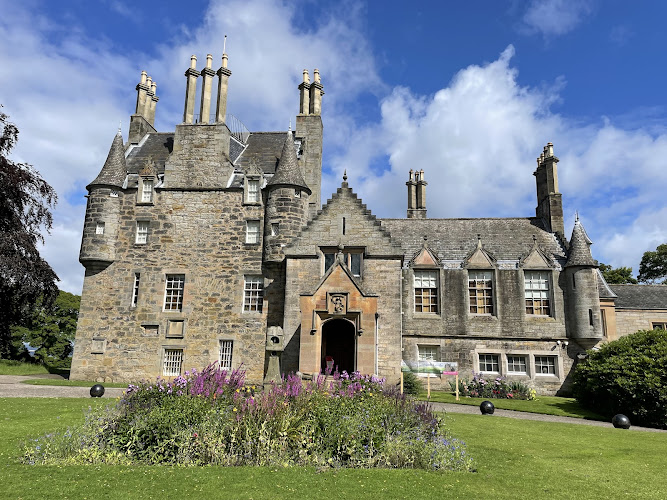
Lauriston Castle

Greyfriars Kirkyard Cemetery Edinburgh
Find Accommodations Nearby
Recommended Tours & Activities
Visitor Reviews
There are no reviews yet. Be the first one to write one.
Share Your Experience
Have you visited Edinburgh Castle? Help other travelers by leaving a review.