
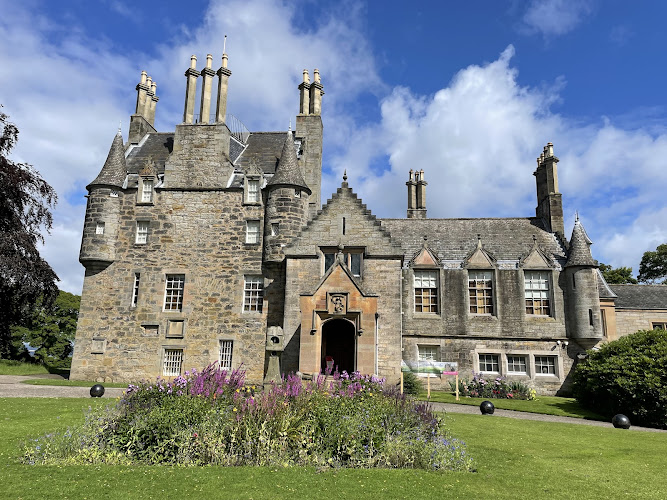
Lauriston Castle
About Lauriston Castle
Description
Lauriston Castle stands as one of Edinburgh's most intriguing yet somehow under-the-radar historic properties, and honestly, that's part of its charm. While tourists flock to the more famous Edinburgh Castle, those who venture out to this 16th-century tower house with its remarkable Georgian and Edwardian additions discover something genuinely special. The castle sits on the shores of the Firth of Forth, and I've always thought there's something almost secretive about the place – like you're being let in on Edinburgh's best-kept secret. What makes Lauriston truly fascinating is how it tells multiple stories through its architecture. The original tower dates back to the 1590s, but what visitors see today is really the vision of William Robert Reid and his wife, who transformed it into an Edwardian time capsule in the early 20th century. And when I say time capsule, I mean it literally feels like the family just stepped out for tea and might return any moment. The Reids left the castle and its entire contents to the nation in 1926, which means you're essentially walking through their actual home, complete with their furniture, art collections, and personal belongings. The grounds are equally impressive, featuring beautifully maintained gardens that include an authentic Japanese garden – something you definitely don't expect to find in Scotland. The estate offers that perfect combination of historical intrigue, artistic appreciation, and natural beauty that makes for a genuinely memorable visit.Key Features
The castle and grounds offer several distinctive elements that set it apart from other Scottish heritage sites:- Authentic Edwardian Interiors: The rooms remain exactly as they were left in the 1920s, showcasing an extraordinary collection of period furniture, decorative arts, and the Reid family's personal possessions. It's remarkably rare to find such an untouched snapshot of upper-class Edwardian life.
- Impressive Art Collection: Throughout the castle, visitors encounter paintings, prints, and decorative objects that reflect the refined tastes of the period. The Blue Drawing Room alone is worth the admission price, filled with blue and white china that the Reids collected obsessively.
- 16th-Century Tower House: The original medieval tower still forms the heart of the building, providing that authentic Scottish castle experience with thick stone walls and historical atmosphere that you're probably imagining.
- Japanese Garden: Created in the 1900s, this unexpected feature showcases the Edwardian fascination with Eastern aesthetics. It's peaceful, beautifully maintained, and offers a contemplative space that contrasts wonderfully with the formal European gardens.
- Croquet Lawn and Formal Gardens: The estate features perfectly manicured lawns where croquet was played, along with herbaceous borders and rose gardens that bloom spectacularly during summer months.
- Stunning Coastal Views: The castle's position overlooking the Firth of Forth provides gorgeous vistas across the water, and on clear days, the panoramic views stretch for miles.
- Guided Tours Only: Access to the castle interior is through guided tours only, which actually enhances the experience. The guides share fascinating stories and details you'd completely miss wandering alone. Plus, it helps preserve the delicate interiors.
- Accessibility Features: Unlike many historic buildings, Lauriston takes accessibility seriously with wheelchair-accessible entrances, parking, restrooms, and seating throughout the property.
Best Time to Visit
Timing your visit to Lauriston Castle requires a bit of planning since it operates on limited hours compared to major tourist attractions. But don't let that discourage you – the reduced crowds are actually part of the appeal. The castle typically opens from April through October, though it's absolutely essential to check current schedules before making the journey. Tours run at specific times rather than continuously, usually in the afternoons, so you'll want to plan accordingly. I've found that booking ahead is smart, especially during peak summer months when even this lesser-known gem can fill up. Summer months from June through August offer the longest days and best weather for exploring the extensive grounds. The gardens reach their peak during this period, with roses in full bloom and the Japanese garden looking particularly photogenic. However, here's the thing – everyone knows summer is ideal, which means you might encounter more visitors during these months. My personal recommendation? May and September are absolutely fantastic times to visit. The weather is generally pleasant, the gardens still look magnificent, and you'll have more breathing room during your tour. There's something magical about visiting in early autumn when the leaves start changing and the light takes on that golden quality that photographers love. If you're specifically interested in the gardens, spring brings its own rewards with daffodils and early blooms, though the castle might not be open quite yet depending on when Easter falls. The Japanese garden has year-round appeal, maintaining its structural beauty even when plants aren't in peak bloom. Weather in Edinburgh can be unpredictable regardless of season, so come prepared with layers. Even on supposedly sunny days, conditions can shift quickly. The good news is that if weather turns poor, the castle tour itself is completely indoors and takes a good hour or more, giving storms time to pass. Winter visits aren't typically possible as the castle closes to the public, though occasionally special Christmas events might be scheduled. Check ahead if you're visiting Edinburgh during colder months and hoping to squeeze in a visit.How to Get There
Getting to Lauriston Castle requires a bit more effort than reaching Edinburgh's city center attractions, but it's entirely manageable and actually part of the adventure. The castle sits in the Cramond area, about five miles northwest of Edinburgh's center, in a surprisingly quiet corner considering how close it is to the city. By car, Lauriston is probably the easiest option if you're renting a vehicle or have access to one. The castle provides free parking on site, which is wheelchair accessible, and there's usually plenty of space. From Edinburgh city center, you're looking at roughly 20-25 minutes depending on traffic. The drive takes you through residential areas and eventually to Cramond Road South where the entrance is clearly marked. GPS coordinates work perfectly, and you can't really miss the entrance once you're close. Public transportation is absolutely viable, though it requires a bit of bus knowledge. The number 41 bus runs from the city center and stops relatively near the castle grounds, though you'll have a short walk from the bus stop. The journey takes around 45 minutes to an hour depending on where you start. It's actually quite pleasant riding through Edinburgh's neighborhoods and seeing areas most tourists never glimpse. For those who enjoy walking and have time, the coastal path from Cramond Village to the castle makes for a gorgeous approach. Cramond itself is worth exploring – a picturesque former fishing village with whitewashed houses and an interesting tidal island you can walk to at low tide. The walk from Cramond to Lauriston takes maybe 15-20 minutes and follows the water, offering beautiful views the entire way. This option gives you a two-for-one experience, combining the village visit with the castle. Cycling is another option that locals favor. Edinburgh has decent cycling infrastructure, and the route to Lauriston is manageable for reasonably fit riders. The castle has places to secure bikes, though dedicated cycle parking is somewhat limited. Taxis and ride-sharing services like Uber work fine if you prefer door-to-door convenience, though expect to pay a decent fare from the city center. The return journey might require pre-booking a taxi since you're not in a busy area where cars constantly cruise by.Tips for Visiting
Making the most of your Lauriston Castle experience involves knowing a few insider details that aren't immediately obvious from the official information. First and foremost, book your tour in advance. Seriously. Tour spaces are limited because groups need to stay small to protect the delicate interiors and ensure everyone can hear the guide. Showing up without a reservation, especially in summer, often means disappointment. The castle website handles bookings, and it takes just a few minutes to secure your spot. The guided tours last about an hour and cover the main rooms of the castle. You can't wander the interior independently, which some people initially find restrictive until they realize how much richer the experience becomes with expert commentary. The guides genuinely know their stuff and often tailor presentations based on the group's interests. Don't hesitate to ask questions – they love engaging with curious visitors. Photography policies inside the castle can be strict, so check current rules before your visit. Generally, photography isn't permitted inside to protect the collections and maintain the atmosphere. But the gardens are completely fair game, so bring your camera for outdoor shots. Allow at least two to three hours for a complete visit if you want to tour the castle and properly explore the grounds. The gardens alone deserve a good hour of wandering, and rushing through them defeats the purpose. Pack a picnic if weather permits – there are lovely spots on the grounds where you can sit and soak in the views. Wear comfortable walking shoes. The grounds involve uneven paths, grass, and potentially muddy sections if it's been rainy. Those cute sandals might look great for photos but will leave you miserable halfway through. The castle can get chilly inside even during summer because those thick stone walls maintain constant cool temperatures. Bringing a light jacket or sweater is smart, especially for the tour portion of your visit. Families with children will find the castle interesting, and kids' discounts make it more affordable. Family tickets offer even better value. That said, the guided tour format requires children to be reasonably patient and quiet since the groups move through furnished rooms with fragile objects. Young kids prone to touching everything might find it challenging, and you'll spend the tour stressed about what they might knock over. The on-site facilities include restrooms that are wheelchair accessible, but there's no café or restaurant. The nearest food options are back in Cramond Village, so plan accordingly. The aforementioned picnic idea starts looking pretty good, doesn't it? Check for special events throughout the season. Lauriston occasionally hosts garden parties, historical reenactments, and themed tours that add extra dimensions to the visit. These events book up quickly and offer unique experiences beyond the standard tour. If you're visiting other Historic Scotland properties during your trip, their membership might not apply here since Lauriston is managed by Edinburgh City Council. The admission fees are reasonable though, and discounts for seniors, students, and families help keep costs down. Payment options include cards and contactless mobile payments, so no need to carry cash specifically. Finally, combine your Lauriston visit with exploring Cramond Village and the surrounding area to make a proper half-day or full-day excursion. The village has charming walks, the tidal causeway to Cramond Island (check tide times!), and a few good pubs and cafes. This approach transforms what could be a simple castle tour into a richer exploration of Edinburgh's lesser-known coastal areas. The castle might not have Edinburgh's most famous name, but that's precisely what makes it special. You'll leave with the satisfaction of having discovered something genuinely interesting that most visitors miss entirely.Key Features
- Edwardian period interiors and historic tower house fabric
- Award-winning Japanese garden with pond and traditional features
- Woodland and coastal walks overlooking the Firth of Forth
- On-site greenhouse/art workshop and seasonal displays
- Calm, less-crowded atmosphere compared with central Edinburgh sites
More Details
Updated January 19, 2026
Table of Contents
Description
Lauriston Castle stands as one of Edinburgh’s most intriguing yet somehow under-the-radar historic properties, and honestly, that’s part of its charm. While tourists flock to the more famous Edinburgh Castle, those who venture out to this 16th-century tower house with its remarkable Georgian and Edwardian additions discover something genuinely special. The castle sits on the shores of the Firth of Forth, and I’ve always thought there’s something almost secretive about the place – like you’re being let in on Edinburgh’s best-kept secret.
What makes Lauriston truly fascinating is how it tells multiple stories through its architecture. The original tower dates back to the 1590s, but what visitors see today is really the vision of William Robert Reid and his wife, who transformed it into an Edwardian time capsule in the early 20th century. And when I say time capsule, I mean it literally feels like the family just stepped out for tea and might return any moment. The Reids left the castle and its entire contents to the nation in 1926, which means you’re essentially walking through their actual home, complete with their furniture, art collections, and personal belongings.
The grounds are equally impressive, featuring beautifully maintained gardens that include an authentic Japanese garden – something you definitely don’t expect to find in Scotland. The estate offers that perfect combination of historical intrigue, artistic appreciation, and natural beauty that makes for a genuinely memorable visit.
Key Features
The castle and grounds offer several distinctive elements that set it apart from other Scottish heritage sites:
- Authentic Edwardian Interiors: The rooms remain exactly as they were left in the 1920s, showcasing an extraordinary collection of period furniture, decorative arts, and the Reid family’s personal possessions. It’s remarkably rare to find such an untouched snapshot of upper-class Edwardian life.
- Impressive Art Collection: Throughout the castle, visitors encounter paintings, prints, and decorative objects that reflect the refined tastes of the period. The Blue Drawing Room alone is worth the admission price, filled with blue and white china that the Reids collected obsessively.
- 16th-Century Tower House: The original medieval tower still forms the heart of the building, providing that authentic Scottish castle experience with thick stone walls and historical atmosphere that you’re probably imagining.
- Japanese Garden: Created in the 1900s, this unexpected feature showcases the Edwardian fascination with Eastern aesthetics. It’s peaceful, beautifully maintained, and offers a contemplative space that contrasts wonderfully with the formal European gardens.
- Croquet Lawn and Formal Gardens: The estate features perfectly manicured lawns where croquet was played, along with herbaceous borders and rose gardens that bloom spectacularly during summer months.
- Stunning Coastal Views: The castle’s position overlooking the Firth of Forth provides gorgeous vistas across the water, and on clear days, the panoramic views stretch for miles.
- Guided Tours Only: Access to the castle interior is through guided tours only, which actually enhances the experience. The guides share fascinating stories and details you’d completely miss wandering alone. Plus, it helps preserve the delicate interiors.
- Accessibility Features: Unlike many historic buildings, Lauriston takes accessibility seriously with wheelchair-accessible entrances, parking, restrooms, and seating throughout the property.
Best Time to Visit
Timing your visit to Lauriston Castle requires a bit of planning since it operates on limited hours compared to major tourist attractions. But don’t let that discourage you – the reduced crowds are actually part of the appeal.
The castle typically opens from April through October, though it’s absolutely essential to check current schedules before making the journey. Tours run at specific times rather than continuously, usually in the afternoons, so you’ll want to plan accordingly. I’ve found that booking ahead is smart, especially during peak summer months when even this lesser-known gem can fill up.
Summer months from June through August offer the longest days and best weather for exploring the extensive grounds. The gardens reach their peak during this period, with roses in full bloom and the Japanese garden looking particularly photogenic. However, here’s the thing – everyone knows summer is ideal, which means you might encounter more visitors during these months.
My personal recommendation? May and September are absolutely fantastic times to visit. The weather is generally pleasant, the gardens still look magnificent, and you’ll have more breathing room during your tour. There’s something magical about visiting in early autumn when the leaves start changing and the light takes on that golden quality that photographers love.
If you’re specifically interested in the gardens, spring brings its own rewards with daffodils and early blooms, though the castle might not be open quite yet depending on when Easter falls. The Japanese garden has year-round appeal, maintaining its structural beauty even when plants aren’t in peak bloom.
Weather in Edinburgh can be unpredictable regardless of season, so come prepared with layers. Even on supposedly sunny days, conditions can shift quickly. The good news is that if weather turns poor, the castle tour itself is completely indoors and takes a good hour or more, giving storms time to pass.
Winter visits aren’t typically possible as the castle closes to the public, though occasionally special Christmas events might be scheduled. Check ahead if you’re visiting Edinburgh during colder months and hoping to squeeze in a visit.
How to Get There
Getting to Lauriston Castle requires a bit more effort than reaching Edinburgh’s city center attractions, but it’s entirely manageable and actually part of the adventure. The castle sits in the Cramond area, about five miles northwest of Edinburgh’s center, in a surprisingly quiet corner considering how close it is to the city.
By car, Lauriston is probably the easiest option if you’re renting a vehicle or have access to one. The castle provides free parking on site, which is wheelchair accessible, and there’s usually plenty of space. From Edinburgh city center, you’re looking at roughly 20-25 minutes depending on traffic. The drive takes you through residential areas and eventually to Cramond Road South where the entrance is clearly marked. GPS coordinates work perfectly, and you can’t really miss the entrance once you’re close.
Public transportation is absolutely viable, though it requires a bit of bus knowledge. The number 41 bus runs from the city center and stops relatively near the castle grounds, though you’ll have a short walk from the bus stop. The journey takes around 45 minutes to an hour depending on where you start. It’s actually quite pleasant riding through Edinburgh’s neighborhoods and seeing areas most tourists never glimpse.
For those who enjoy walking and have time, the coastal path from Cramond Village to the castle makes for a gorgeous approach. Cramond itself is worth exploring – a picturesque former fishing village with whitewashed houses and an interesting tidal island you can walk to at low tide. The walk from Cramond to Lauriston takes maybe 15-20 minutes and follows the water, offering beautiful views the entire way. This option gives you a two-for-one experience, combining the village visit with the castle.
Cycling is another option that locals favor. Edinburgh has decent cycling infrastructure, and the route to Lauriston is manageable for reasonably fit riders. The castle has places to secure bikes, though dedicated cycle parking is somewhat limited.
Taxis and ride-sharing services like Uber work fine if you prefer door-to-door convenience, though expect to pay a decent fare from the city center. The return journey might require pre-booking a taxi since you’re not in a busy area where cars constantly cruise by.
Tips for Visiting
Making the most of your Lauriston Castle experience involves knowing a few insider details that aren’t immediately obvious from the official information.
First and foremost, book your tour in advance. Seriously. Tour spaces are limited because groups need to stay small to protect the delicate interiors and ensure everyone can hear the guide. Showing up without a reservation, especially in summer, often means disappointment. The castle website handles bookings, and it takes just a few minutes to secure your spot.
The guided tours last about an hour and cover the main rooms of the castle. You can’t wander the interior independently, which some people initially find restrictive until they realize how much richer the experience becomes with expert commentary. The guides genuinely know their stuff and often tailor presentations based on the group’s interests. Don’t hesitate to ask questions – they love engaging with curious visitors.
Photography policies inside the castle can be strict, so check current rules before your visit. Generally, photography isn’t permitted inside to protect the collections and maintain the atmosphere. But the gardens are completely fair game, so bring your camera for outdoor shots.
Allow at least two to three hours for a complete visit if you want to tour the castle and properly explore the grounds. The gardens alone deserve a good hour of wandering, and rushing through them defeats the purpose. Pack a picnic if weather permits – there are lovely spots on the grounds where you can sit and soak in the views.
Wear comfortable walking shoes. The grounds involve uneven paths, grass, and potentially muddy sections if it’s been rainy. Those cute sandals might look great for photos but will leave you miserable halfway through.
The castle can get chilly inside even during summer because those thick stone walls maintain constant cool temperatures. Bringing a light jacket or sweater is smart, especially for the tour portion of your visit.
Families with children will find the castle interesting, and kids’ discounts make it more affordable. Family tickets offer even better value. That said, the guided tour format requires children to be reasonably patient and quiet since the groups move through furnished rooms with fragile objects. Young kids prone to touching everything might find it challenging, and you’ll spend the tour stressed about what they might knock over.
The on-site facilities include restrooms that are wheelchair accessible, but there’s no café or restaurant. The nearest food options are back in Cramond Village, so plan accordingly. The aforementioned picnic idea starts looking pretty good, doesn’t it?
Check for special events throughout the season. Lauriston occasionally hosts garden parties, historical reenactments, and themed tours that add extra dimensions to the visit. These events book up quickly and offer unique experiences beyond the standard tour.
If you’re visiting other Historic Scotland properties during your trip, their membership might not apply here since Lauriston is managed by Edinburgh City Council. The admission fees are reasonable though, and discounts for seniors, students, and families help keep costs down. Payment options include cards and contactless mobile payments, so no need to carry cash specifically.
Finally, combine your Lauriston visit with exploring Cramond Village and the surrounding area to make a proper half-day or full-day excursion. The village has charming walks, the tidal causeway to Cramond Island (check tide times!), and a few good pubs and cafes. This approach transforms what could be a simple castle tour into a richer exploration of Edinburgh’s lesser-known coastal areas.
The castle might not have Edinburgh’s most famous name, but that’s precisely what makes it special. You’ll leave with the satisfaction of having discovered something genuinely interesting that most visitors miss entirely.
Key Highlights
- Edwardian period interiors and historic tower house fabric
- Award-winning Japanese garden with pond and traditional features
- Woodland and coastal walks overlooking the Firth of Forth
- On-site greenhouse/art workshop and seasonal displays
- Calm, less-crowded atmosphere compared with central Edinburgh sites
Location
Places to Stay Near Lauriston Castle
Find and Book a Tour
Explore More Travel Guides
No reviews found! Be the first to review!
Traveler Reviews for Lauriston Castle
There are no reviews yet. Be the first one to write one.
Have you visited Lauriston Castle? Help other travelers by sharing your review.
Nearby Attractions
You Might Also Like

Gladstone's Land (National Trust for Scotland)

Palace of Holyroodhouse

National Museum of Scotland
Find Accommodations Nearby
Recommended Tours & Activities
Visitor Reviews
There are no reviews yet. Be the first one to write one.
Share Your Experience
Have you visited Lauriston Castle? Help other travelers by leaving a review.